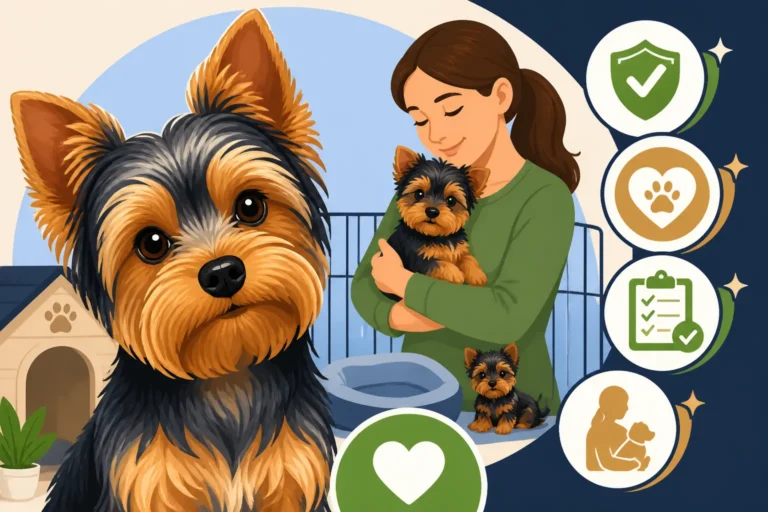
Yorkie Rehoming Fees Explained
Bringing a new Yorkshire Terrier into your life, or facing the difficult decision to rehome one, often comes with a lot of questions – and a fair amount of anxiety. One common area of confusion revolves around "rehoming fees." Many people wonder why these fees exist, what they cover, and if they're even legitimate. This comprehensive guide will demystify Yorkie rehoming fees, helping you understand their purpose, what to expect, and how to navigate the process responsibly, whether you're looking to adopt or need to find a new loving home for your beloved Yorkie.
Understanding Yorkie Rehoming Fees
When you encounter a request for a "rehoming fee" for a Yorkshire Terrier, it's natural to have questions. This isn't just a random charge; it serves several crucial purposes, especially in the world of responsible pet care and rescue. It's fundamentally different from buying a puppy from a pet store or a backyard breeder.
Why Rehoming Fees Exist
The primary reason rehoming fees are in place is to protect the animal. Unfortunately, there are individuals with ill intentions who seek out free or low-cost pets for nefarious purposes, such as dogfighting, bait dogs, or even for resale to labs. A legitimate rehoming fee acts as a barrier, making it less attractive for these individuals to acquire a dog. It suggests a level of commitment and financial stability from the prospective owner, indicating they are serious about providing a good home.
Beyond deterrence, these fees help cover the significant costs incurred by rescue organizations or individuals who have invested time, money, and emotional energy into caring for a Yorkie. When a rescue takes in a dog, they often have to pay for initial vet checks, necessary treatments, and daily care. A rehoming fee helps recoup some of these expenses, ensuring that they can continue their vital work.
What Rehoming Fees Typically Cover
It’s easy to look at a rehoming fee and think it’s just a way for someone to make a quick buck, but for responsible parties, it’s far from it. Think of it more as a cost-recovery mechanism that benefits the dog directly. When a rescue organization or a caring individual takes on a Yorkie, they often provide a significant amount of care before the dog is ready for a new home. This isn't just about food; it's a whole package of necessary services.
Typically, a rehoming fee helps cover things like full veterinary check-ups, ensuring the Yorkie is healthy before moving to a new family. This almost always includes up-to-date vaccinations, which is a significant upfront cost that new owners won't have to bear immediately. Many rehomed Yorkies, especially if coming from a rescue, will also be spayed or neutered, preventing accidental litters and reducing the risk of certain health issues later in life. Furthermore, most reputable rehoming situations will ensure the dog is microchipped, increasing the chances of reunion if the dog ever gets lost. Sometimes, the fee also covers deworming, flea and tick treatments, a starter bag of food, or even a basic collar and leash. This comprehensive approach ensures that when you adopt a Yorkie, they come to you as healthy and prepared as possible. You might find more details on this by looking into Yorkie Vet Costs and Health Budget or Yorkie Vaccination Schedule.
The Difference Between Rehoming Fees and Purchase Prices
It’s crucial to understand that a rehoming fee is not a purchase price, even though money changes hands. When you buy a puppy from a breeder, you're paying for the lineage, the breeding efforts, the care of the dam and puppies, and the breeder's expertise in producing healthy, well-socialized purebreds. The goal of a breeder is to continue their line and ideally improve the breed.
A rehoming fee, on the other hand, is about sustainability and welfare. For a rescue, it allows them to continue rescuing more animals. For an individual rehoming their own pet, it signifies their due diligence in finding a truly committed owner and offsets costs they may have put into the dog's recent care, like a fresh vet visit or grooming before the transition. The focus isn't on profit, but on ensuring the dog's well-being and the ability to help other dogs in the future. This distinction is vital in identifying legitimate rehoming opportunities versus potential scams trying to profit off animals without providing proper care or screening.
Average Rehoming Fees for Yorkshire Terriers
So, what should you expect to pay when considering a Yorkie rehoming fee? There isn't a one-size-fits-all answer, as several factors come into play, influencing the final amount. Knowing these can help you gauge whether a fee is reasonable or a potential red flag.
Factors Influencing the Fee
Several elements can affect the specific rehoming fee for a Yorkshire Terrier. One major factor is the dog's age. Puppies, especially purebred Yorkie puppies, tend to have higher demand and thus might command a higher rehoming fee, often because the initial costs of puppy care (like early vaccinations and deworming) are built into that. On the flip side, senior Yorkies, while equally deserving of love, sometimes have lower fees to encourage their adoption, as potential adopters might worry about future medical expenses. You can learn more about caring for an older dog by reading our guide on How to Care for a Senior Yorkie.
The dog's health status also plays a significant role. A Yorkie who has recently had extensive veterinary care, including a spay/neuter surgery, comprehensive health checks, and all necessary vaccinations, will naturally have a higher rehoming fee to help cover those expenses. Conversely, a dog with known, ongoing medical conditions might have a reduced fee, sometimes with full disclosure and support offered for their specific needs. Training and temperament are other considerations. A well-socialized, house-trained Yorkie with basic obedience commands might have a slightly higher fee than one who requires extensive behavioral modification, as the former is often seen as a more "turnkey" pet. Finally, geographic location can impact fees, with rehoming costs often being higher in areas with a higher cost of living or strong demand for specific breeds.
Fee Ranges from Different Sources
The source of the rehoming opportunity greatly influences the fee you can expect. Reputable rescue organizations and shelters typically have a set fee structure. For a Yorkshire Terrier, you might see these fees range from around $200 to $600. These fees usually encompass the full package: spay/neuter, vaccinations, microchipping, and a thorough health check. These organizations are transparent about what their fees cover, and they are usually non-negotiable because they are designed to sustain their operations and help more animals. Many reputable rescues also partner with veterinary clinics, often receiving discounted rates for services, which helps them keep their rehoming fees as reasonable as possible. If you're looking to adopt, exploring options like Yorkie Adoption Fees Explained can give you a clearer picture.
Private individuals rehoming their own Yorkie might ask for a similar range, though sometimes it can be slightly lower or higher depending on their individual circumstances and the care they've provided. The key here is transparency. A responsible individual will be open about the dog's history, health records, and what their requested fee covers. They should also be more interested in finding the right home than in the exact amount of money. Be wary of individuals asking for extremely high fees (approaching or exceeding typical breeder prices for puppies) without verifiable health records or a clear explanation of what the fee includes. It's also vital to be cautious of those offering "free" Yorkies, as this can attract individuals with bad intentions.
Here's a general idea of rehoming fee ranges:
| Source of Yorkie | Typical Rehoming Fee Range | What's Often Included | Key Considerations |
|---|---|---|---|
| Reputable Rescue/Shelter | $200 – $600 | Spay/Neuter, Vaccinations, Microchip, Health Check, De-worming, Starter Kit | Fixed fees, thorough vetting, ongoing support. Fees support the rescue's mission. |
| Private Individual (Owner) | $100 – $500 | May vary widely; usually covers recent vet visits, current vaccinations, spay/neuter status. | Less standardized, requires careful vetting of the owner and dog's history. Focus on finding a good home. |
| "Free" or Very Low Fee | $0 – $100 | Often nothing; potential for undisclosed health/behavior issues, or attracts exploitative individuals. | Red Flag. Often associated with scams or individuals not truly invested in the dog's welfare. |
What to Expect When Paying a Rehoming Fee
The process of rehoming a Yorkshire Terrier involves much more than just the exchange of a fee and a dog. There's a journey of vetting, transparency, and responsibility that ensures the best possible outcome for the Yorkie involved.
The Application and Vetting Process
For both your peace of mind and the dog's safety, a legitimate rehoming process, especially through a rescue organization, will involve a thorough application and vetting process. This isn't just bureaucracy; it's a way to ensure a good match and prevent future issues. You'll likely fill out an application form that delves into your living situation, past pet ownership experience, work schedule, and what you're looking for in a dog. They might ask about your household members, including children and other pets. This is where topics like (Are Yorkshire Terriers Good with Kids) or(Do Yorkshire Terriers Get Along with Other Dogs) become highly relevant.
Following the application, expect interviews – sometimes over the phone, sometimes in person. A home visit might be required to ensure your living environment is safe and suitable for a small dog like a Yorkie. They'll want to see secure fencing, understand where the dog will sleep, and confirm you have the time and resources for a new pet. Personal and veterinary references are also common requests. This entire process, while it can feel intrusive, is designed to confirm you're a responsible owner committed to the Yorkie's long-term well-being. It's a sign of an ethical organization trying to do right by the animals in their care.
What Your Fee Gets You
When you pay a rehoming fee to a reputable source, you're not just buying a dog; you're often covering a significant portion of the prior investment in that dog's health and well-being. For many rescue organizations, the fee ensures that the Yorkie has received a complete veterinary examination, is up-to-date on all necessary vaccinations, and has been spayed or neutered. This is a huge benefit, as these procedures and preventative care can easily cost several hundred dollars if you were to pay for them out-of-pocket after adopting a "free" dog. Microchipping is another common inclusion, providing a vital layer of security.
Beyond these tangible medical services, the fee supports the rescue's ongoing work, allowing them to provide food, shelter, and care for other Yorkies and dogs awaiting their forever homes. It often means you're adopting a dog that has been assessed for temperament and behavior, and possibly even received some basic training. Sometimes, it includes a few days' worth of their current food, a favorite toy, or even a harness, which is much better than a collar for a small breed like a Yorkie, especially with their delicate tracheas. Consider reading Why Harnesses Are Better Than Collars for Yorkies for more insights. Companies like Chewy also offer extensive starter kits and ongoing supply subscriptions that can make the transition smoother.
Red Flags to Watch Out For
While legitimate rehoming fees are a good thing, you need to be vigilant about potential scams or irresponsible situations. One major red flag is anyone demanding an excessively high fee, particularly if it's comparable to or even more than what an ethical breeder would charge for a purebred puppy, without offering a transparent breakdown of what the fee covers. Be especially wary if they pressure you for immediate payment or want you to wire money without meeting the dog or seeing their living conditions.
Another red flag is a seller who is unwilling to provide veterinary records or allow you to speak with their veterinarian. Responsible rehoming involves full transparency about the dog's health history. Similarly, if they refuse to answer questions about the Yorkie's temperament, history, or reasons for rehoming, proceed with extreme caution. Beware of situations where multiple dogs are available in suspicious conditions, like a dingy apartment or a public meeting spot with no home visit offered. If the individual seems more interested in the money than in finding a good home for the dog, that's a huge warning sign. Always trust your gut – if something feels off, it probably is. Remember, a truly responsible rehoming situation prioritizes the dog's welfare above all else, which is why resources like (Yorkie Breeder Red Flags to Avoid) or(How to Spot a Yorkie Puppy Mill) are still relevant, even for rehoming.
Navigating the Rehoming Process Responsibly
Whether you're looking to adopt a Yorkshire Terrier or find a new home for your own, doing so responsibly is paramount. It ensures the dog's well-being and a smooth transition for everyone involved.
For Those Adopting a Yorkie
If you're looking to bring a rehomed Yorkie into your family, the first step is to seek out reputable sources. Start with local Yorkshire Terrier rescue groups or general small dog rescues. Websites like Petfinder or Adoptapet allow you to search for available Yorkies in your area. Be prepared for a thorough screening process, as discussed earlier. This is a good sign, indicating the rescue cares deeply about where their dogs end up.
When you find a potential Yorkie, ask detailed questions about their history, temperament, health records, and what the rehoming fee includes. Don't hesitate to inquire about their feeding habits; for instance, if the dog has a sensitive stomach, knowing what kind of food they're on, perhaps from brands like Ollie that offer tailored, fresh dog food, can be incredibly helpful for a smooth transition. Spend time interacting with the dog, observing their personality. If you have other pets or children, ensure a proper introduction is facilitated under supervision. A trial period, if offered, can be invaluable to ensure a good fit for both the Yorkie and your family. Remember, the goal is a forever home, and rushing the process benefits no one. For more insights on finding a furry friend, consider reading (How to Find an Affordable Yorkie) or(Yorkie Rescue: How to Adopt).
For Those Rehoming Their Yorkie
Making the difficult decision to rehome your Yorkshire Terrier is often heartbreaking, but doing it responsibly is an act of love. Avoid giving your dog away for free, as this opens the door to individuals with malicious intent. Instead, ask a reasonable rehoming fee that reflects the dog’s age, health status, and any recent veterinary care provided. This small fee deters those who would exploit animals and helps ensure the new owner has some financial commitment.
Be completely honest and transparent about your Yorkie's personality, quirks, health issues (if any), and why you need to rehome them. Provide all veterinary records, including vaccination history and proof of spay/neuter. Screen potential adopters thoroughly: ask about their living situation, pet experience, and willingness to commit to the dog's needs. Conduct phone interviews, request references, and ideally, arrange a home visit or meet-and-greet in a neutral location. Prepare a "farewell package" for your Yorkie, including their favorite food, toys, and perhaps a blanket with your scent, to ease their transition. It's a tough journey, but your Yorkie deserves a responsible new beginning.
Supporting Your Yorkie After Rehoming
The transition to a new home can be a stressful time for a Yorkshire Terrier, no matter how carefully the rehoming was handled. If you've adopted, focus on creating a stable, predictable environment. Establish a routine for feeding, potty breaks, and playtime right away. Small breeds like Yorkies thrive on consistency. Provide a safe, quiet space just for them, like a crate with a cozy bed, where they can retreat if feeling overwhelmed. You might also want to explore Yorkshire Terrier Crate Training Guide for tips.
Continue with the food they were previously eating for at least a week, and then gradually transition to a new food if desired to avoid stomach upset. For dogs with previous health concerns or if you’re unsure about future costs, investing in pet insurance from providers like Healthy Paws can offer significant peace of mind. Offer plenty of gentle reassurance and positive reinforcement. Don't force interactions, but encourage bonding through play and quiet cuddle times. If you are the one rehoming, share as much information as possible with the new owners about your Yorkie's preferences, anxieties, and daily habits. Offer to be available for questions in the initial weeks to ensure a smooth adjustment for your beloved companion. The more support and understanding you provide during this vulnerable period, the more quickly your Yorkie will settle into their new loving home.
Disclaimer
This article is intended for informational purposes only and does not constitute professional veterinary advice. Always consult with a qualified veterinarian or animal behaviorist for personalized advice regarding your Yorkshire Terrier's health, behavior, and care. Rehoming practices and legal requirements can vary by region, so always ensure you are following local laws and ethical guidelines.