Best Winter Coat for a Yorkshire Terrier
For those of us who share our lives with a delightful Yorkshire Terrier, there's nothing quite like watching their tiny, spirited selves trot through the world. But come winter, the chill in the air can bring a whole new set of worries. Their small stature and delicate coat mean they're far more susceptible to the cold than many other breeds, leaving us scrambling to find the perfect way to keep them cozy and safe. This comprehensive guide will walk you through everything you need to know about choosing the best winter coat for your beloved Yorkie, ensuring they stay warm, comfortable, and stylish all season long.
Why Your Yorkshire Terrier Needs a Winter Coat
It's not just about looking cute in a tiny parka, though let's be honest, they do look absolutely adorable! For a Yorkshire Terrier, a proper winter coat is a necessity, not a luxury. Their unique physical characteristics make them particularly vulnerable when temperatures drop.
Understanding Yorkie Physiology and Cold Sensitivity
Imagine stepping outside in a light silk shirt when it's freezing. That's a bit like what it's like for your Yorkie without adequate protection. Yorkshire Terriers are a toy breed, typically weighing between 4 to 7 pounds, and they simply don't have the robust body mass or thick undercoat that larger, cold-weather breeds possess. Their signature long, silky coat, while beautiful, is a single layer, not a double coat designed for insulation like a Husky's. This means there's very little natural barrier between their tiny bodies and the biting cold. They also have minimal body fat, which is another crucial insulator for animals in cold climates.
Think about a quick potty break on a snowy morning in places like Chicago or even a brisk autumn evening in a more temperate climate like Portland. For a Yorkie, those few minutes can be enough for their core body temperature to start dropping. Even just standing still on a cold pavement or grass patch can draw heat away from their paws at an alarming rate.
Health Risks of Cold Exposure for Yorkies
The implications of cold exposure for your Yorkie go beyond just feeling chilly. Prolonged or severe cold can lead to serious health issues.
One of the most immediate dangers is hypothermia, which occurs when a dog's body temperature falls below normal. Symptoms can range from shivering and lethargy to more severe signs like difficulty breathing, muscle stiffness, and even collapse. Frostbite is another concern, particularly on exposed areas like their ear tips, tail, and delicate paw pads. These areas have less blood flow and are more susceptible to tissue damage from extreme cold.
Beyond acute risks, cold can exacerbate existing health conditions. For older Yorkies or those with pre-existing joint issues, like certain types of arthritis or conditions like Yorkshire Terrier Patellar Luxation: Signs and Care, the cold can lead to increased pain and stiffness. Similarly, Yorkies prone to respiratory problems, such as Yorkshire Terrier Collapsing Trachea: Signs and Care, might find their symptoms worsen in cold, dry air. Keeping them warm is a proactive step in maintaining their overall well-being, which is a core part of How to Keep a Yorkshire Terrier Healthy. A healthy dog, well-nourished with quality food, such as that offered by Ollie, is better equipped to withstand environmental stressors, but even then, a good coat is indispensable.
Key Features to Look for in a Yorkie Winter Coat
Choosing the right winter coat isn't just about grabbing the first cute one you see. It requires careful consideration of several factors to ensure your Yorkie gets the best protection and comfort.
Material and Insulation
The material a coat is made from directly impacts its warmth, water resistance, and breathability. For Yorkies, you want warmth without excessive bulk.
- Fleece: Excellent for warmth in dry, milder cold. It's soft, breathable, and comfortable for extended wear, making it a good choice for indoor warmth or for layering under a heavier coat. However, fleece isn't waterproof and can get heavy when wet.
- Wool: Offers fantastic natural insulation, even when damp. It's breathable and durable, but can be pricier and sometimes requires more delicate cleaning. It's generally best for dry, very cold conditions.
- Waterproof Synthetics (e.g., Polyester with DWR coating): These are crucial for protection against rain, sleet, and snow. Many modern dog coats feature an outer shell made from waterproof or highly water-resistant fabric, often with a durable water repellent (DWR) finish, paired with an insulating layer underneath. Look for coats with a ripstop nylon or polyester shell.
- Insulation: The filling material is what truly provides warmth. Options include synthetic fills (like polyester fiberfill, Thinsulate, or Primaloft) which offer good warmth-to-weight ratios and retain insulation even when damp, or down feathers, which are incredibly warm but lose their insulating properties when wet. For most Yorkies, a good quality synthetic insulation is ideal because it's practical for wet conditions and easier to care for.
When you're looking at materials, think about the typical winter weather where you live. If it’s mostly dry cold, fleece or wool might be great. If it’s wet and slushy, a waterproof outer layer is non-negotiable.
Fit, Coverage, and Freedom of Movement
A coat is only effective if it fits well and allows your Yorkie to move naturally. A poorly fitting coat can be uncomfortable, restrictive, or even unsafe.
- Measurements are Key: You absolutely must measure your Yorkie before buying a coat. Don't just guess or rely on a "small" size. You'll typically need three measurements:
- Neck Circumference: Around the widest part of their neck where a collar would sit.
- Chest Girth: Around the broadest part of their rib cage, just behind the front legs. This is the most crucial measurement for comfort and preventing restriction.
- Back Length: From the base of their neck (where it meets the shoulders) to the base of their tail.
- Coverage: Look for coats that cover the major muscle groups of the back and especially the chest and belly. Yorkies have short legs, and their bellies can easily get cold and wet in snow or slush. A coat that extends down the belly offers much better protection. Some coats even have small sleeves or leg loops for added warmth.
- Freedom of Movement: Ensure the coat doesn't restrict their ability to walk, run, jump, or relieve themselves. The leg openings should be wide enough not to chafe, and the back length shouldn't hinder tail wagging. Make sure the coat allows for easy and dignified potty breaks, especially for males, so no part of the coat gets soiled.
- Harness/Leash Access: Many Yorkies wear a harness, not just a collar, especially given their delicate tracheas. Look for coats that have a convenient opening or D-ring attachment point on the back to accommodate a harness. This ensures you don't have to put the harness over the coat, which can compress the insulation and make it less effective. This feature is also important when considering the Best Harness for a Yorkshire Terrier.
Safety and Practical Considerations
Beyond warmth and fit, there are other important features that contribute to a coat's overall usefulness and your Yorkie's safety.
- Reflective Strips: If you walk your Yorkie in low light conditions (early morning, evening, or overcast winter days), reflective elements are vital. They significantly increase visibility to drivers and cyclists, making walks safer for both of you.
- Easy On/Off: Fumbling with a coat on a squirming Yorkie when it's freezing outside is no fun. Look for coats with simple closures like wide Velcro straps, easy-to-use snaps, or smooth-gliding zippers. Adjustable straps are also a huge plus, allowing for a more customized and snug fit.
- Washability: Dogs get dirty, especially in winter. Mud, salt, and slush can quickly soil a coat. Opt for coats that are machine washable and easy to clean. Check the care label! A coat that’s a hassle to clean might not get worn as often as it should. Keeping up with a regular Yorkshire Terrier Daily Care Routine often includes cleaning their outerwear.
- Avoid Choking Hazards: Steer clear of coats with small, easily detachable buttons, sequins, or dangling strings that your Yorkie might chew off and swallow.
Different Types of Winter Wear for Yorkies
Just like human winter clothing, there's a range of options for your Yorkie, each suited for different conditions. Having a few different pieces can be beneficial, depending on your local climate and your Yorkie's activity level.
Sweaters and Fleeces
Sweaters and fleeces are fantastic for milder cold, chilly indoor environments, or as a cozy base layer. They are usually made from soft, knitted fabrics or fleece material, providing good warmth without being too restrictive.
- Best Use: Great for brisk autumn days, chilly spring mornings, or just keeping your Yorkie warm inside a drafty house during winter. They are also perfect for dogs who might spend a lot of time lounging on cold floors. For Yorkie puppies, who are more susceptible to cold, a soft fleece can be part of their Yorkshire Terrier Puppy Care Guide.
- Comfort and Breathability: Their soft nature and breathability mean Yorkies often tolerate them very well. They move easily with your dog's body, preventing chafing.
- Limitations: Sweaters and fleeces typically offer no protection against rain or snow. They absorb moisture, making your dog colder if they get wet. They also don't block wind effectively. For walks where precipitation or strong winds are expected, a more robust outer layer is necessary.
Winter Coats and Jackets
When the weather turns genuinely cold, windy, or wet, a dedicated winter coat or jacket is your best friend. These are designed with more comprehensive protection in mind.
- Protection Against Elements: Most winter coats feature an outer shell that is at least water-resistant, if not fully waterproof, and windproof. This is critical for keeping your Yorkie dry and preventing wind chill from penetrating their fur.
- Insulation: These coats usually have an insulating layer (like synthetic fill) stitched between the outer shell and an inner lining, providing significant warmth.
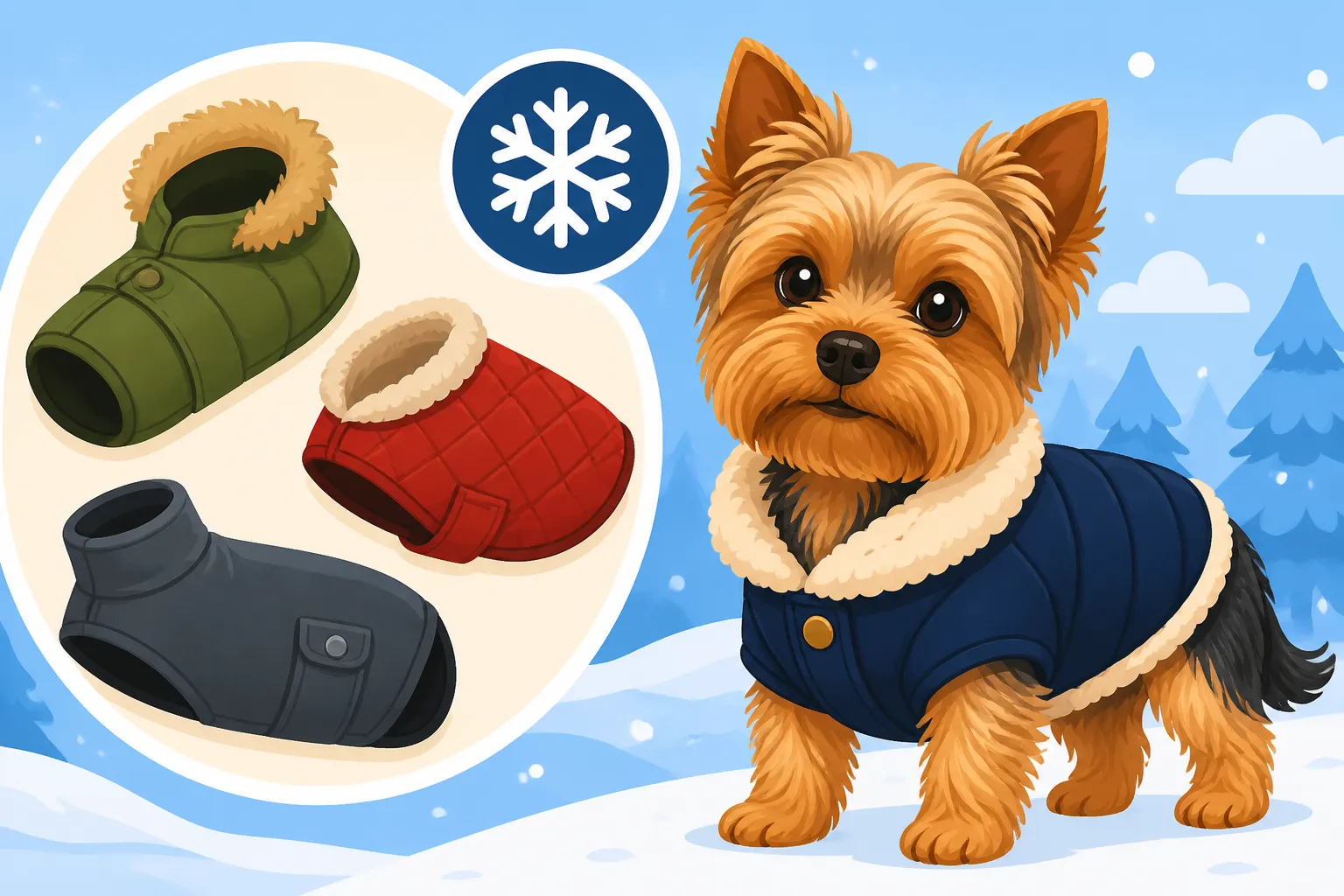
- Coverage: Many winter coats offer better coverage of the chest and belly compared to a simple sweater, which is vital for Yorkies' short legs and low-slung bodies. You'll find styles ranging from vest-like designs that cover the back and chest, to full-coverage coats that extend down the legs or have integrated neck gaiters.
- Styles and Features: You can find winter jackets with built-in harness attachments, reflective elements, adjustable neck and chest closures, and even detachable hoods. Brands like Hurtta or Ruffwear are well-regarded for their durable and thoughtfully designed winter coats for small breeds, and you can often find a good selection on platforms like Chewy.
Raincoats and Snowsuits
For the harshest winter conditions, especially those involving heavy rain, deep snow, or sub-zero temperatures, specialized raincoats or full-body snowsuits are the ultimate protection.
- Raincoats: Designed specifically to keep your Yorkie dry. They are typically made from lightweight, waterproof material with no insulation, making them suitable for rainy, chilly (but not freezing) weather. Some raincoats have a thin mesh lining for breathability. They're excellent for protecting your Yorkie's long coat from getting soggy and matted in a downpour.
- Snowsuits: These are the heavy-duty option, offering full-body coverage from neck to tail, and often including legs. They are usually insulated and waterproof/windproof, providing maximum protection against deep snow and extreme cold.
- Best Use: Essential for Yorkies living in areas with harsh winters (e.g., Minnesota or upstate New York) or for longer outdoor activities when temperatures plummet. A Yorkie's Yorkshire Terrier Exercise Needs still need to be met, even in winter, and a snowsuit ensures they can enjoy their walks without shivering.
- Considerations: Full snowsuits can be a bit trickier to put on and take off, and some dogs might find the full leg coverage restrictive initially. Ensure a snug, but not tight, fit to maximize warmth and allow for movement.
Measuring Your Yorkie and Sizing Tips
This is where many people go wrong, and it’s why so many dog coats end up not fitting properly. A few minutes with a soft tape measure can save you a lot of hassle and ensure your Yorkie’s comfort.
Accurate Measurement Techniques
Don't eyeball it! Grab a soft measuring tape (the kind used for sewing) and your Yorkie. A partner can be helpful to keep your pup still and happy with some treats.
Here’s how to get the most accurate measurements:
- Neck Circumference: Measure around the widest part of your Yorkie’s neck, typically where their collar naturally sits. Make sure to get a measurement that allows for comfort – you should be able to slip two fingers easily under the tape. This ensures the coat isn't too tight around their throat.
- Chest Girth: This is arguably the most critical measurement. Wrap the tape measure around the broadest part of your Yorkie’s rib cage, usually just behind their front legs. Again, allow for two fingers to fit comfortably underneath the tape. A coat that’s too tight here will restrict movement and breathing, especially when they're running. A coat that’s too loose will gape, allowing cold air in and diminishing its insulating properties.
- Back Length: Measure from the base of your Yorkie’s neck (where the neck meets the shoulders) to the base of their tail. This measurement determines how much of their back will be covered. You want sufficient coverage without the coat being so long that it interferes with their tail or trips them up when they go potty.
Always measure your Yorkie while they are standing naturally, not sitting or lying down, as this can distort the measurements. Jot these numbers down!
Navigating Sizing Charts and Brand Variations
Here’s the honest truth: dog clothing sizes are NOT universal. A "Small" from one brand can be entirely different from a "Small" from another. This is a common frustration for pet parents.
- Always Consult the Brand's Specific Sizing Chart: Every reputable brand will have its own sizing chart. Never assume your Yorkie is a specific size across all brands. Compare your actual measurements (neck, chest, length) to the chart for the specific coat you’re interested in. If your Yorkie is between sizes, it’s often best to size up, especially for winter coats, to allow for comfort and any potential layering underneath.
- Read Reviews and Look for User Photos: This is an invaluable tip, especially when shopping online. Websites like Chewy often feature customer reviews that include details about fit, whether the coat runs true to size, and even photos of dogs wearing the coat. Seeing how it fits on a dog similar to your Yorkie’s size can give you a much better idea of how it will look and feel on your own pup.
- Consider Your Yorkie’s Build: While Yorkies are generally small, some might be stockier, while others are longer or have deeper chests. Some brands might cater to a more generic "small dog" shape, while others, like Hurtta, design specifically for various dog body types, offering more tailored fits. If your Yorkie is on the chunkier side, pay extra attention to the chest girth. If they are very long, focus on back length.
- Check Return Policies: When ordering online, always review the retailer's return policy. This way, if the fit isn't quite right, you can exchange it without hassle. It’s better to order two sizes if you’re unsure and return the one that doesn’t fit, rather than end up with a coat your Yorkie won’t wear.
Top Picks for Yorkie Winter Coats
While I can't name specific models that will be universally "the best" for every Yorkie, I can guide you on the types of coats and features that tend to work well. Remember to always use your Yorkie's specific measurements against brand sizing charts!
Everyday Warmth and Comfort
For daily walks, quick potty breaks, and general chilling in cooler weather, you want something that's easy to get on and off, provides good warmth, and allows for full range of motion.
- Fleece-Lined Vests or Jackets: These are excellent. Look for options with a soft fleece interior and a water-resistant exterior. Many reputable brands offer these. They typically cover the back and a good portion of the chest, leaving the legs free for easy movement. Brands like RC Pet Products offer some great, practical options often found on Chewy.
- Pullover Sweaters: If the weather is dry and just chilly, a well-fitting, high-quality knit sweater can be perfect. They’re usually very comfortable and allow for great mobility. Some even come with a built-in turtleneck for extra neck warmth. They are ideal for cooler indoor temperatures too.
- Key Features: Look for coats with Velcro closures around the chest and belly for easy adjustability. A reflective stripe or two is a bonus for evening walks. Ensure the neck opening isn't too tight but also doesn't gape open, letting cold air in.
Extreme Cold and Weather Protection
When the temperatures really plummet, or you're dealing with snow and sleet, you need serious gear.
- Fully Waterproof, Insulated Coats: These are essential for true winter conditions. Look for a durable outer shell (e.g., treated nylon or polyester) that's waterproof and windproof, combined with a thick, warm insulating layer. Some premium brands use advanced insulation similar to what's found in human winter sportswear.
- Extended Coverage: For extreme cold, consider coats that offer more extensive coverage. This might include longer back lengths, deeper chest panels, or even coats with integrated leg covers or booties to protect those delicate paws from frostbite and harsh salt on sidewalks. Ruffwear's Powder Hound or Hurtta's Expedition Parka are examples of high-performance coats that often come in small sizes, designed for serious cold.
- Built-in Harness Compatibility: Many higher-end coats will have a waterproof zipper or slit on the back that allows you to attach a leash to a harness worn underneath the coat. This maintains the coat's weatherproofing while ensuring your Yorkie's comfort and safety on a lead.
- High Visibility: In snowy conditions or early dusk, visibility can be poor. Coats with bright colors and extensive reflective piping are not just a nice-to-have, but a crucial safety feature.
Stylish and Functional Options
Who says practicality can't be fashionable? You can absolutely find coats that keep your Yorkie warm and make them look incredibly chic.
- Puffer Jackets: These are popular for a reason! They're often lightweight, well-insulated, and come in a myriad of colors and patterns. Many small dog puffer jackets offer good warmth, and some even feature water-resistant shells. Brands like Canada Pooch or even some lines you find on Chewy offer stylish yet functional puffer options.
- Wool or Tweed Coats: For a more classic, tailored look, wool blend or tweed coats can be very sophisticated. While they might not be fully waterproof, they offer excellent warmth for dry, crisp winter days and look incredibly smart. These are often best for more urban environments where heavy snow isn't a constant concern.
- Customization: Some small businesses on platforms like Etsy even offer custom-made coats where you can choose fabrics and features to perfectly match your Yorkie's measurements and your style preferences.
- Combining Aesthetics with Protection: The trick is to ensure that the style doesn't compromise on warmth, fit, or safety features like reflective elements. Don't choose a flimsy coat just because it's "cute" if it won't actually protect your Yorkie from the elements. A coat should primarily serve its function of keeping your Yorkie warm and safe during the colder months.
No matter the style, remember that the primary goal is warmth and safety. A happy, comfortable Yorkie is always in fashion!
Maintaining Your Yorkie's Winter Wear
Just like your own winter gear, your Yorkie's coats need a little love to stay effective and last for seasons to come. Proper care ensures they continue to provide the warmth and protection your pup deserves.
Cleaning and Care Instructions
Winter weather brings mud, slush, road salt, and all sorts of grime. Your Yorkie's coat will get dirty, and regular cleaning is important not only for hygiene but also to maintain the coat's integrity.
- Always Check the Label: This is the golden rule. Every manufacturer provides specific washing instructions, and following them is crucial. Some coats might be machine washable, while others might require hand washing or spot cleaning. Ignoring these instructions can damage waterproof coatings, clump insulation, or shrink fabrics.
- Spot Cleaning for Minor Messes: For small mud splatters or a bit of dirt, often a damp cloth with a mild pet-safe detergent (or even just water) is enough to wipe down the exterior. This prevents unnecessary full washes, which can wear down waterproof layers over time.
- Machine Washing Tips:
- Gentle Cycle: If machine washable, always use a gentle cycle with cold water. Hot water can damage certain fabrics and insulation.
- Mild Detergent: Use a mild, pet-safe detergent. Avoid harsh chemicals, bleach, or fabric softeners, as these can strip waterproof coatings or irritate your Yorkie's sensitive skin. Many outdoor gear washes are also suitable for dog coats.
- Close Fasteners: Before washing, close all Velcro straps and zippers. This prevents them from snagging on other items or collecting lint, and helps maintain their functionality.
- Air Dry is Best: Tumble drying on high heat can melt synthetic fabrics, shrink certain materials, and damage waterproof membranes or insulation. It's almost always best to air dry your Yorkie's coats. Hang them in a well-ventilated area, away from direct heat sources. For insulated coats, you can gently fluff them periodically during drying to redistribute the filling.
Regular cleaning prevents odors, removes allergens, and keeps the materials performing their best. It's also part of keeping your Yorkie healthy and comfortable, much like regular dental care which is covered in topics like Yorkie Dental Disease Prevention.
Storage and Longevity
Proper storage during the off-season can significantly extend the life of your Yorkie’s winter coats, ensuring they're ready to go when the cold weather returns.
- Thorough Cleaning Before Storage: Before packing away any winter gear, make sure it is completely clean and dry. Storing dirty or damp coats can lead to mildew, mold growth, and unpleasant odors, and can also attract pests.
- Cool, Dry Place: Store coats in a cool, dry place, away from direct sunlight. A closet, a storage bin in a temperature-controlled area, or even a breathable garment bag can work well. Avoid storing them in damp basements or hot attics, as extreme temperatures and humidity can degrade fabrics and insulation.
- Avoid Compression: For insulated coats, try to store them in a way that minimizes compression. If they are constantly squished, the insulation can lose its loft and therefore its warming capability. Hanging them or storing them loosely in a container is preferable to tightly stuffing them into a small space.
- Inspect for Wear and Tear: At the end of each season (or before the next), give your Yorkie’s coats a good inspection. Check for any loose seams, torn fabric, worn-out Velcro, or broken zippers. Addressing these small issues promptly can prevent them from becoming bigger problems later. You might need to patch small holes or reinforce stitching.
- Having Multiple Options: Given the varied nature of winter weather and your Yorkie's Yorkshire Terrier Life Expectancy Factors, it's often wise to have a few different types of winter wear. A lightweight fleece for mild days, a waterproof jacket for rain, and a heavily insulated coat for deep winter conditions will ensure your Yorkie is always appropriately dressed. This way, you’re not over-wearing one specific item, and they’ll all last longer. Remember, investing in durable, well-made items, even if they cost a bit more upfront, can save you money in the long run, much like budgeting for other Cost of Owning a Yorkshire Terrier Per Month essentials.
By taking these simple steps, you can keep your Yorkie’s winter wardrobe in top condition, ready to tackle whatever chilly adventures come their way!
Comparing Yorkie Winter Wear Options
To help you make an informed decision, here's a quick comparison of the different types of winter wear for your Yorkshire Terrier.
| Feature | Sweaters & Fleeces | Winter Coats & Jackets | Snowsuits & Full-Body Wear |
|---|---|---|---|
| Primary Purpose | Warmth in mild cold, indoor comfort, layering | Protection from cold, wind, light rain/snow | Maximum protection from extreme cold, snow, and wetness |
| Warmth Level | Low to Moderate | Moderate to High | Very High |
| Water Resistance | Low (absorbs moisture) | Moderate to High (water-resistant to waterproof shell) | High (waterproof shell, often seam-sealed) |
| Wind Protection | Low | Moderate to High | High |
| Coverage | Primarily back, sometimes chest; no legs | Back, chest, sometimes belly; rarely full legs | Full body, including all four legs and belly |
| Mobility | Excellent (soft, flexible) | Good (designed for movement, but more structured) | Good (can be slightly more restrictive due to coverage) |
| Best Use Cases | Chilly indoor temps, crisp dry walks, layering | Cold, windy outdoor walks, light snow/rain | Deep snow, freezing temperatures, prolonged outdoor time |
| Ease of Use | Very easy (pull-over) | Easy to moderate (Velcro, zippers) | Moderate (more fasteners, leg openings) |
| Common Materials | Knit wool, fleece, cotton blends | Synthetic shells (polyester, nylon), fleece lining, synthetic insulation | Synthetic waterproof shells, heavy insulation, internal lining |
Choosing the right combination of these items, based on your local climate and your Yorkie’s individual needs, will ensure they are comfortable and safe throughout the winter season. Remember that How to Care for a Senior Yorkie or a puppy means they might need extra layers of protection against the cold.
Disclaimer
This article is intended for informational purposes only and does not constitute professional veterinary advice. Always consult with a qualified veterinarian for any health concerns or before making any decisions about your pet's care, diet, or exercise routine.