Best Booties for a Yorkshire Terrier
You know that feeling when you step on a scorching hot sidewalk in summer, or when your bare feet touch freezing snow? Imagine that, but your entire footpad is exposed, and you weigh just a few pounds. That's often the reality for our tiny Yorkshire Terriers, whose delicate paws weren't designed for extreme weather, rough city pavements, or prickly nature trails. Finding the right protection for those precious little paws can feel like a quest, but this guide is here to walk you through why booties are a wise investment and how to choose the very best ones for your beloved Yorkie.
Why Your Yorkshire Terrier Needs Paw Protection
It might seem like a silly accessory at first glance, but for a breed as small and sometimes delicate as the Yorkshire Terrier, dog booties are far more than just a fashion statement. They’re a practical necessity that can safeguard your pup from a surprising array of hazards, preventing discomfort, pain, and even costly vet visits.
Guarding Against Extreme Temperatures
One of the most immediate and common reasons Yorkie parents consider booties is for temperature control. Our little furry friends are close to the ground, which means their paw pads are directly exposed to whatever Mother Nature throws our way.
- Scorching Summer Pavement: When summer hits, asphalt and concrete can heat up to dangerous levels, far exceeding air temperature. A surface that feels warm to your hand can quickly become hot enough to cause severe burns on your Yorkie's sensitive paw pads. Imagine walking barefoot on a grill – that's what hot pavement can feel like for them. These burns aren't just painful; they can lead to infections and require extensive veterinary care. Booties provide a crucial barrier, allowing your Yorkie to enjoy walks even when the sun is beaming down.
- Freezing Winter Conditions: On the flip side, winter brings its own set of challenges. Freezing temperatures can lead to frostbite on exposed paw pads, which is incredibly painful and can cause long-term damage. More commonly, winter brings ice, snow, and de-icing chemicals. Road salt, often used to melt ice, can be incredibly corrosive and irritating to paw pads, causing painful cracks, dryness, and inflammation. Furthermore, if your Yorkie licks their paws after walking on salted surfaces, they can ingest these harmful chemicals, leading to upset stomachs or more serious internal issues. Snow and ice can also accumulate between their paw pads, freezing and causing extreme discomfort. Protecting their paws can significantly reduce the risk of How to Keep a Yorkshire Terrier Healthy in harsh winter conditions.
Protection from Rough Terrain and Urban Hazards
It's not just the weather that poses a threat. The world outside can be surprisingly rough on a tiny Yorkie.
- Sharp Objects and Debris: Whether you're strolling through a park or navigating city streets, there's always a risk of encountering sharp objects. Broken glass, discarded nails, thorns, sharp rocks, or even small, jagged pieces of debris can easily puncture or cut a Yorkie's paw pad. Given their small size, even a tiny shard can cause a significant injury. Booties offer a protective layer that can deflect these hazards, keeping their paws safe.
- Irritants and Allergens: Beyond physical dangers, paws can be exposed to various irritants and allergens. Pesticides sprayed on lawns, chemical spills, or even common plant allergens can irritate sensitive paw pads, leading to itching, redness, or allergic reactions. Booties create a barrier, minimizing direct contact with these substances, which is especially important if your Yorkie suffers from skin sensitivities or allergies. This can be part of a broader strategy to manage Yorkie Allergies: Signs and Relief.
Enhanced Traction and Stability
Sometimes, booties aren't just about protection; they're about performance and confidence, especially for older Yorkies or those with orthopedic concerns.
- Slippery Surfaces: Many booties come with textured, non-slip soles that can give your Yorkie better traction on slick surfaces like hardwood floors, icy sidewalks, or wet tiles. This added grip can be a game-changer for older Yorkies who might be prone to slipping, potentially preventing falls that could exacerbate conditions like Yorkshire Terrier Patellar Luxation: Signs and Care or other joint issues.
- Support for Active Pups: For the adventurous Yorkie who loves to hike or explore, booties can provide extra support and reduce wear and tear on their paw pads during extended activities. This allows them to fully enjoy their outdoor adventures without risking injury or discomfort.
What to Look for in the Best Yorkie Booties
Choosing the right booties for your Yorkshire Terrier isn't as simple as grabbing the cutest pair. Their tiny size, delicate bone structure, and often long hair mean that specific features are paramount for comfort, safety, and effectiveness.
Sizing and Fit are Non-Negotiable
This is perhaps the most critical factor. Ill-fitting booties are not just uncomfortable; they can be dangerous.
- Accurate Measurement: Yorkies vary in size, so don't assume a "small" will fit. You absolutely must measure your Yorkie's paw. Do this while they are standing, bearing weight on their paw. Measure the widest part of their paw (from side to side) and the length (from the back pad to the tip of the longest claw). Compare these measurements carefully to the manufacturer's size chart. Many brands, like Ruffwear or Kurgo, offer specific sizing guides, and retailers like Chewy often provide these details prominently on product pages. It's often helpful to trace their paw on a piece of paper and then measure the tracing. Remember that front paws can sometimes be slightly wider or longer than back paws, so measure all four.
- Snug but Not Tight: The bootie should fit snugly enough that it doesn't slip off or twist around, but not so tightly that it restricts blood flow or causes discomfort. There should be a little wiggle room for their toes but no excessive space that allows their paw to slide around inside. A common frustration is booties that simply fall off during walks, which defeats the entire purpose! Look for brands that offer multiple closure points or adjustable straps to achieve that perfect custom fit.
Material and Construction
The material affects durability, breathability, and waterproofing.
- Sole Material and Grip: For maximum protection and traction, look for durable, rubberized soles. These provide excellent grip on slippery surfaces and act as a robust barrier against sharp objects and hot pavement. A thicker, more rugged sole is great for adventurous outdoor activities, while a lighter, more flexible sole might be better for indoor traction or short walks.
- Upper Material and Breathability: The upper part of the bootie should be made of a breathable material to prevent overheating and moisture buildup inside, especially in warmer climates. Mesh or a lightweight fabric works well. If you need waterproof booties for snow or rain, look for materials like neoprene or coated fabrics, but ensure they still allow some air circulation to prevent sweaty paws. Some options, like the Pawz Rubber Dog Boots, are essentially disposable rubber balloons that offer excellent waterproofing and grip but might not be suitable for extended wear due to lack of breathability.
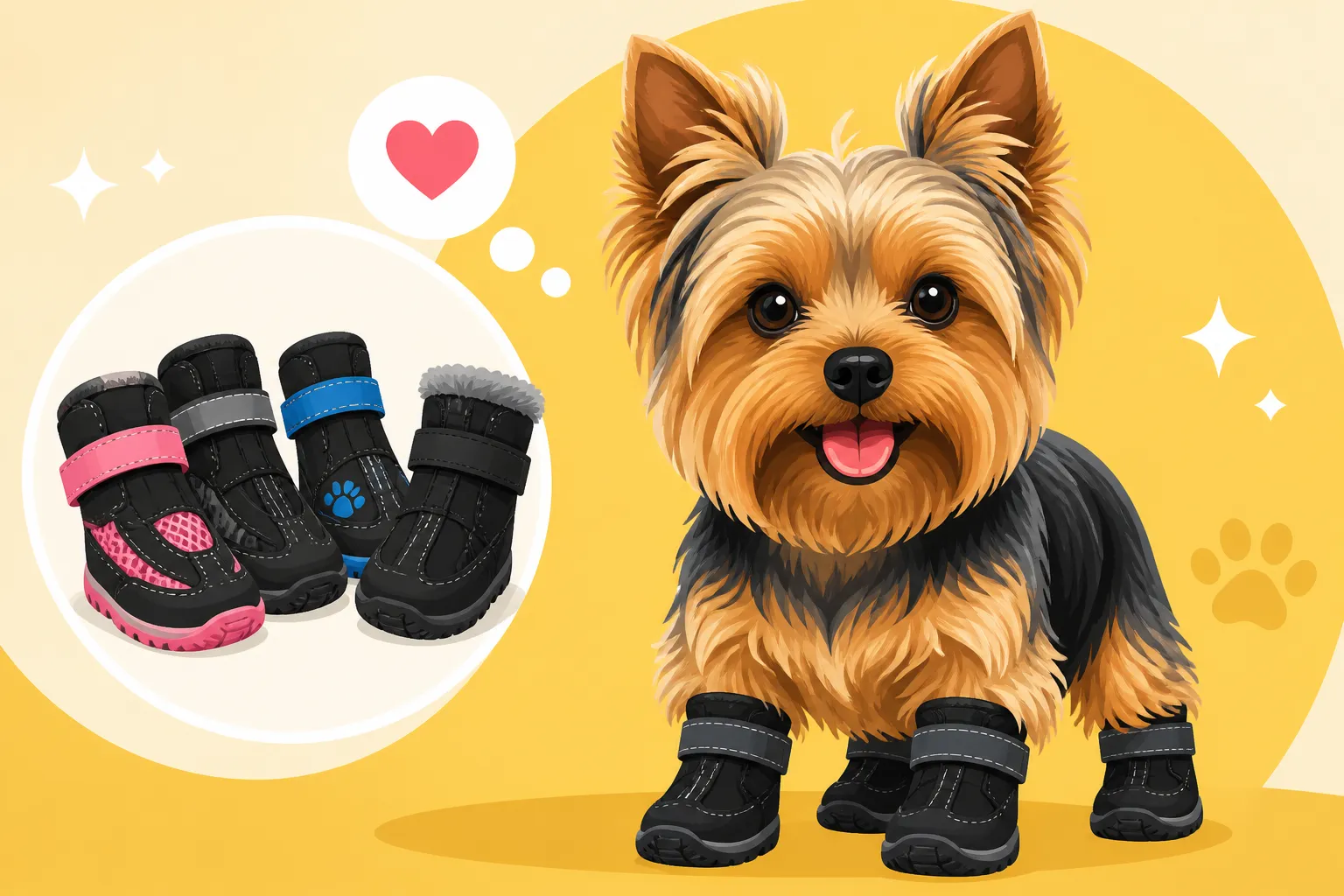
- Closure System: This is where many booties succeed or fail for a wriggly Yorkie. Velcro straps are common, but ensure they are strong, wide, and preferably have multiple points of contact to prevent slipping. Some higher-end booties feature zippers or drawstring closures, often combined with Velcro, for a more secure fit. The goal is a system that your Yorkie can't easily kick off but that you can put on and take off without a wrestling match.
Comfort and Design Features
Think about what makes a bootie truly pleasant for your Yorkie to wear.
- Soft Lining: A soft, non-irritating lining on the inside of the bootie can prevent chafing, especially important for Yorkies with sensitive skin or thin coats.
- Flexibility: The bootie should allow for natural paw movement. Stiff, rigid booties can be awkward and uncomfortable, making your Yorkie walk unnaturally. Look for designs that allow their paw to flex and extend comfortably.
- Reflective Strips: For evening or early morning walks, reflective elements on the booties can significantly increase your Yorkie's visibility to motorists and cyclists, adding an extra layer of safety.
- Ease of Putting On and Taking Off: This is a big one for both you and your Yorkie. A bootie that's a struggle to put on will quickly become a nuisance. Look for wide openings and simple, secure closures.
Top Bootie Recommendations for Yorkshire Terriers
Navigating the vast world of dog booties can be overwhelming, especially when trying to find options that truly cater to the tiny, often finicky paws of a Yorkshire Terrier. Here are a few types and brands that generally get good reviews for small breeds, keeping in mind that individual fit is always key.
Silicone or Rubber "Balloon" Style Booties
These are often the most straightforward and affordable options.
- Pawz Rubber Dog Boots: These are like heavy-duty rubber balloons that slip over your dog's paws.
- Pros: They are 100% waterproof, offer excellent traction, are very lightweight and flexible, and are incredibly affordable, often coming in multi-packs. They provide direct contact with the ground, which some dogs prefer. They come in very small sizes, perfect for Yorkies. You can find these easily on platforms like Chewy.
- Cons: They are not very durable and can tear on rough surfaces. They offer minimal padding or insulation, and some dogs find the tight fit uncomfortable for extended wear. They aren't breathable, so paws can get sweaty in warm weather.
- Best Use: Excellent for quick trips out in the rain or snow, protecting from salt, or short walks on hot pavement. Good for temporary protection against irritants or after a minor paw injury.
Fabric Booties with Rubber Soles
These offer a good balance of comfort, protection, and durability.
-
Ruffwear Grip Trex or Summit Trex (Smallest Sizes): While Ruffwear is known for its rugged outdoor gear, their smallest sizes (XXS or XS) can work for some larger Yorkies. The Grip Trex feature a robust Vibram outsole, similar to hiking boots, offering superior traction and protection. The Summit Trex are designed for more casual use with a non-marking outsole.
- Pros: Extremely durable, excellent traction, good protection from sharp objects and extreme temperatures. Secure closure systems.
- Cons: Can be pricey. Even the smallest sizes might be too bulky for the daintiest Yorkies, and some dogs find them harder to adapt to due to their structured nature. It's crucial to measure your Yorkie's paws precisely to see if they fit into Ruffwear's size range, as they typically cater to larger breeds as well.
- Best Use: Extended walks, hiking, active outdoor adventures, harsh winter conditions where superior protection is needed.
-
Canada Pooch Soft Shield Boots: These often come with a flexible, waterproof exterior and a soft interior. They are designed to be relatively easy to put on and secure with Velcro straps.
- Pros: Often available in very small sizes, good for both hot and cold weather, offer decent protection and traction. More flexible than highly structured hiking boots.
- Cons: Durability can vary, and repeated exposure to very rough surfaces might wear them down faster than more heavy-duty options.
- Best Use: Daily walks, light snow, protection from salt and hot pavement.
Disposable or Reusable Traction Socks/Pads
These aren't traditional booties but offer some specific benefits.
- Traction Socks (with rubberized soles): These are essentially socks with non-slip grippers on the bottom.
- Pros: Very comfortable for indoor use, excellent for preventing slips on hardwood or tile floors, especially for older Yorkies. Easy to put on.
- Cons: Offer no outdoor protection from weather or sharp objects. Not waterproof.
- Best Use: Indoor traction for senior Yorkies or those with mobility issues, helping to prevent falls and further injury which could lead to significant Yorkshire Terrier Vet Costs and Health Budget.
When considering these options, remember that your Yorkie's comfort is paramount. While some brands are great, an ill-fitting bootie from a top brand is worse than a perfectly fitting generic option. Always prioritize fit over brand name.
Ensuring a Snug Fit and Comfort
Once you’ve invested in a good pair of booties for your Yorkshire Terrier, the next hurdle is making sure they stay on and your pup actually tolerates wearing them. This is often where many pet parents throw in the towel, but with a bit of patience and the right technique, it’s absolutely achievable. The key lies in accurate sizing and positive reinforcement.
The Importance of Correct Sizing
We touched on this, but it bears repeating: proper sizing is the foundation of comfort and retention. If booties are too big, they'll twist, slip, and fall off, becoming a tripping hazard. If they’re too small, they'll pinch, restrict movement, and cause pain, making your Yorkie hate them.
- Measure Carefully, Measure Twice: Don't guess. Use a soft measuring tape or a ruler and a piece of paper. Place your Yorkie’s paw on the paper while they are standing naturally, bearing weight. Trace the outline, then measure the width across the widest part and the length from the tip of the longest nail to the back of the paw pad. Many Yorkies have slightly different sized front and back paws, so measure all four. Always refer to the specific brand’s sizing chart, as there’s no universal standard. When in doubt, it’s often better to slightly size up and rely on good straps for cinching, rather than sizing down and pinching.
- The "Two-Finger" Rule (with caution): Once on, you should be able to slide a finger or two between the top of the bootie and your dog's leg, ensuring it's snug but not cutting off circulation. For very small Yorkies, this might be more of a "one-finger" or even "pinky-finger" rule. The bootie should reach up past the dewclaw (if present) to prevent rubbing and provide a more secure fit.
Making Booties a Positive Experience
Most dogs don't instantly love wearing something on their paws. Yorkies, with their discerning personalities, can be particularly resistant. Here’s how to introduce them gradually:
- Start Slow and Positive: Don't just strap them on and head out the door. Introduce the booties inside, in a calm environment.
- Introduce the Scent: Let your Yorkie sniff the booties. Give them a high-value treat (like a tiny piece of cooked chicken or a favorite training treat) just for being near them.
- Touch and Reward: Gently touch a bootie to one paw. Treat. Repeat with all paws.
- One Bootie at a Time: Put one bootie on one paw. Immediately give a treat and lavish praise. Let them wear it for just a minute or two, distracting them with play or another treat. Then take it off. Repeat this a few times a day, gradually increasing the time.
- Two, Then Four: Once they're comfortable with one, try two. Then, after a few sessions, try all four.
- Short Sessions, High Rewards: Keep initial wearing sessions very short – literally a minute or two. As they get used to it, gradually extend the time. Always end on a positive note, with praise and treats, before taking them off.
- Distraction is Your Friend: Once the booties are on, immediately engage your Yorkie in something they love – a favorite game, a chew toy, or a short walk. This distracts them from the strange sensation on their paws. Many dogs will do the "bootie dance" at first, lifting their paws high or trying to shake them off. Just ignore this behavior and praise them when their paws are on the ground.
- Practice Indoors First: Before heading outside, let your Yorkie walk around the house in their booties. This allows them to adjust to the feel and learn to walk naturally without the added distractions and sensations of the outdoors.
- Consistency: The more consistently you use booties in short, positive intervals, the faster your Yorkie will adapt. It might take days or even a couple of weeks, but patience pays off.
- Consider Pet-Specific Positive Reinforcement Tools: While not a brand directly related to booties, companies like Ollie that focus on high-quality, palatable dog food can offer excellent training treats to help make this process smoother. Using their fresh, human-grade ingredients as rewards can be a strong motivator for your Yorkie.
Remember, every Yorkie is an individual. Some will adapt quickly, others will be more hesitant. The goal isn't immediate acceptance, but gradual, positive exposure until booties become just another part of their routine.
Maintaining Your Yorkie's Booties for Longevity
Investing in a good pair of booties for your Yorkshire Terrier means you want them to last. Proper care and regular maintenance aren't just about extending their lifespan; they're also about ensuring the booties remain hygienic and effective for your pup's paw health. Just like you wouldn't wear dirty shoes, your Yorkie shouldn't either.
Regular Cleaning is Essential
Booties, especially those used outdoors, will inevitably get dirty. They'll pick up mud, dirt, salt, chemicals, and even unseen pathogens.
- Post-Walk Wipe Down: For light dirt or dust, a quick wipe with a damp cloth after each walk is often enough. This prevents buildup and keeps the booties looking tidy.
- Deep Cleaning Schedule: Depending on how often your Yorkie wears them and the conditions they’re exposed to, a deeper clean should be done weekly or bi-weekly.
- Hand Washing Preferred: Most dog booties, especially those with fabric and Velcro, are best hand-washed. Use a mild, pet-safe soap (dish soap works well for grime) and lukewarm water. Gently scrub the fabric and the soles. Pay special attention to the Velcro closures, as dirt and debris can get trapped in the hooks and loops, reducing their effectiveness. You can use a small brush (like an old toothbrush) to get into crevices.
- Machine Washing (Use Caution): Some fabric booties might be machine washable, but always check the manufacturer’s instructions. If you do machine wash, place them in a mesh laundry bag to protect the Velcro and prevent them from getting lost or damaging your machine. Use cold water and a gentle cycle with a mild detergent. Avoid harsh chemicals or bleach, as these can irritate your Yorkie's paws or damage the bootie materials.
- Thorough Rinsing: It's crucial to rinse the booties completely to remove all soap residue. Any leftover soap could irritate your Yorkie's paw pads.
Proper Drying and Storage
How you dry and store booties is just as important as how you clean them.
- Air Dry Completely: Never put dog booties in a dryer, as the heat can damage materials like rubber soles, waterproof coatings, and Velcro, causing them to shrink or deform. Instead, allow them to air dry completely. Hang them up or place them in a well-ventilated area. Ensure they are bone dry before storing to prevent mildew or mold growth, which can lead to unpleasant smells and potential skin issues for your Yorkie.
- Store in a Designated Spot: Once clean and dry, store the booties in a clean, dry place away from direct sunlight or extreme temperatures. Having a designated basket or hook near the door can make them easy to grab for your next walk.
- Velcro Care: Before storing, make sure the Velcro straps are secured to themselves. This prevents the hook side from picking up lint and debris, which can reduce its gripping power over time. If the Velcro starts to lose its stickiness, you can sometimes clean out embedded lint with a fine-tooth comb or a stiff brush.
Inspecting for Wear and Tear
Regular inspection helps you catch issues before they become problems.
- Before and After Each Use: Take a moment to visually inspect the booties. Look for any holes, tears, loose stitching, or signs of significant wear on the sole.
- Check Velcro/Straps: Ensure the straps are still securely attached and provide adequate grip. If they're fraying or losing their effectiveness, it might be time for a replacement.
- Sole Integrity: The sole is your Yorkie's primary protection. If it's worn thin, cracked, or has lost its grip, the bootie's protective function is compromised.
- Internal Lining: Check the inside for any rough spots, loose threads, or foreign objects that could irritate your Yorkie's paw.
By integrating these simple maintenance steps into your routine, you can ensure that your Yorkshire Terrier's booties remain a reliable and comfortable shield for their precious paws for a long time, helping to avoid issues like Yorkshire Terrier Puppy Health Guide related to paw injuries.
Addressing Common Yorkie Bootie Challenges
Even with the perfect pair and a positive introduction, you might encounter some common challenges when trying to get your Yorkshire Terrier accustomed to booties. Don't worry, many Yorkie parents have been there! The key is understanding why these challenges arise and how to troubleshoot them with patience and persistence.
My Yorkie Hates Them and Won't Walk
This is perhaps the most frequent complaint. Your Yorkie might freeze, do the "bootie dance," kick them off, or even refuse to move.
- Re-evaluate Fit: The first step is always to double-check the fit. Are they too tight, pinching their toes or cutting off circulation? Are they too loose, twisting around or slipping off? Even a slight discomfort can make a Yorkie refuse to cooperate. Go back to measuring and consult the size chart. Sometimes, trying a different brand or style with a different closure system might be necessary.
- Go Back to Basics with Positive Reinforcement: If your Yorkie is completely shutting down, you’ve likely pushed too fast. Revert to putting on just one bootie for a few seconds, immediately followed by a high-value treat and praise. Gradually increase the number of booties and the duration, always pairing with positive associations. Make it a game!
- Distraction and Movement: Once the booties are on, immediately distract them. Offer their favorite toy, toss a treat, or start a short, fun walk (even just across the living room). The movement itself can help them adjust faster than standing still and focusing on the strange sensation.
- Trial and Error with Different Bootie Types: Some Yorkies simply prefer one type of bootie over another. A flexible, thin rubber bootie like Pawz might feel more natural to some, while others might prefer the soft fabric of a Canada Pooch style. If one type isn't working, don't be afraid to try another.
Booties Keep Falling Off
This is incredibly frustrating and renders the booties useless.
- Tighten the Straps (But Not Too Much!): Ensure the Velcro or other closure systems are as snug as possible without being uncomfortable. Remember the "one-finger" rule for small Yorkies. Many booties have two points of adjustment, allowing for a more secure fit around the ankle.
- High-Top vs. Low-Profile: Booties with a higher ankle can sometimes stay on better, especially if they have multiple cinching points. Lower-profile booties might be easier for a Yorkie to kick off.
- Consider Socks Underneath: For Yorkies with very silky hair, or if the bootie material is slippery against their fur, a thin dog sock worn underneath can sometimes provide extra grip, preventing the bootie from sliding down. This also adds a layer of comfort and can prevent chafing.
- Test During Activity: Booties that seem to fit well while your Yorkie is standing might slip during active movement. Test them during a short walk or play session at home before relying on them for critical protection outdoors.
My Yorkie's Paws Get Sweaty
This can happen, especially with waterproof or less breathable materials, leading to discomfort or even skin irritation.
- Choose Breathable Materials: For general use, opt for booties made with breathable mesh or fabric uppers. Reserve fully waterproof options for truly wet or snowy conditions.
- Limit Wear Time: Don't leave booties on for excessively long periods, especially if they are less breathable. Take them off regularly to allow your Yorkie's paws to air out.
- Rotate Booties: If you use them frequently, having a few pairs allows you to rotate them, ensuring they are always clean and dry before use. This also gives sweaty paws a chance to recover.
- Consider a Paw Balm: If you notice dryness or irritation after removing booties, a natural, pet-safe paw balm can help moisturize and protect their paw pads. This is a crucial part of Yorkshire Terrier Daily Care Routine.
Overcoming these challenges requires a blend of observation, adaptation, and consistent positive reinforcement. Remember, your goal is your Yorkie's safety and comfort, and finding the right paw protection is an important part of ensuring their overall well-being.
| Bootie Type | Pros | Cons | Best Use Case |
|---|---|---|---|
| Rubber "Balloon" (e.g., Pawz) | Excellent waterproofing, lightweight, good grip, affordable, very small sizes available | Low durability, minimal padding/insulation, not breathable | Rain, snow, salt, hot pavement, temporary irritation protection |
| Fabric with Rubber Sole (e.g., Canada Pooch) | Good balance of protection/comfort, moderate durability, often breathable, available in small sizes | May not be as rugged as hiking boots, can get dirty | Daily walks, light snow, city pavement |
| Structured Hiking Boot (e.g., Ruffwear – smallest sizes) | Superior durability, excellent traction, high protection, good insulation/padding | Pricey, can be bulky for tiny Yorkies, requires adaptation | Hiking, rough terrain, extreme weather, extended outdoor activity |
| Traction Socks (indoor only) | Very comfortable, excellent indoor grip, easy to put on | No outdoor protection, not waterproof, thin | Indoor use for senior Yorkies, preventing slips on hard floors |
Disclaimer
The information provided in this article is for general informational purposes only and does not constitute veterinary advice. Always consult with a qualified veterinarian for any health concerns or before making any decisions about your Yorkshire Terrier's care, diet, or treatment. The choice of dog booties should be made based on your individual dog's needs, comfort, and a veterinarian's recommendation.