Yorkshire Terrier Price Guide: Puppy to Lifetime
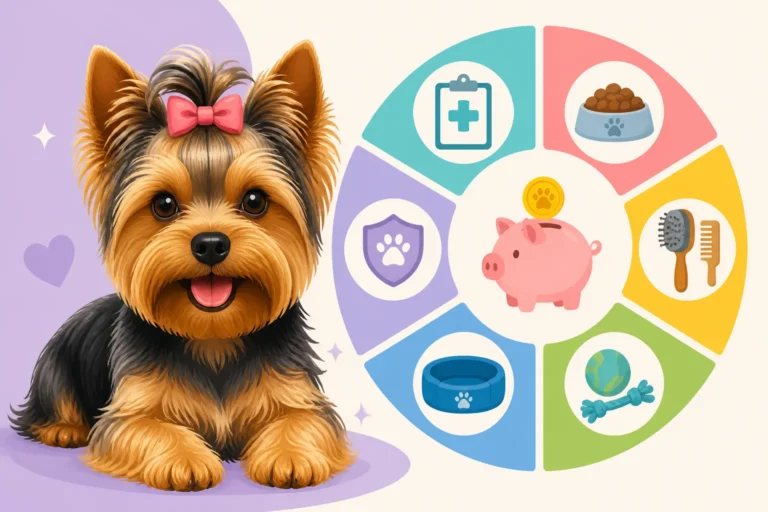
Bringing a Yorkshire Terrier into your life is an incredibly rewarding experience, full of joy, companionship, and endless snuggles. However, many prospective owners find themselves overwhelmed or surprised by the true financial commitment involved, not just for the initial purchase but throughout their beloved Yorkie's entire lifespan. This comprehensive guide is here to demystify the costs, helping you budget realistically and ensure you can provide the best possible life for your furry family member without unexpected financial strain.
Initial Purchase Price: The First Big Investment
The first cost you'll undoubtedly encounter when considering a Yorkshire Terrier is the purchase price of the puppy or the adoption fee for an adult. This isn't just a simple tag; it reflects a multitude of factors, and understanding these can help you manage your expectations and avoid common pitfalls. It's easy to get swept up in the excitement of a new puppy, but taking a breath and understanding the financial landscape from the start is crucial.
Factors Influencing Puppy Price
The price tag on a Yorkshire Terrier puppy isn't arbitrary; it's a reflection of many underlying elements. Generally, you can expect to pay anywhere from $1,500 to $3,500 for a well-bred Yorkie puppy, though this can fluctuate significantly. One major factor is the breeder's reputation and experience. A reputable breeder invests heavily in health testing their breeding stock for common genetic conditions like patellar luxation, providing high-quality nutrition to the mother and puppies, and ensuring early socialization. They'll also typically provide initial vaccinations, deworming, and sometimes even microchipping before the puppy goes home. These comprehensive practices contribute to a higher upfront cost but often save you money and heartache down the road by starting with a healthier, well-adjusted puppy.
Another significant influence is the puppy's lineage and potential for show quality. Puppies from champion bloodlines or those deemed to have excellent conformation to the breed standard will command higher prices. Location also plays a role; prices can vary dramatically from a breeder in a rural area of North Carolina to one in a metropolitan area like New York City, where overhead costs are higher. Lastly, the rarity of certain coat colors, while not recognized by the breed standard for Yorkshire Terriers, can sometimes inflate prices from less ethical breeders.
Reputable Breeder vs. Other Options
When you’re looking to add a Yorkie to your family, where you get them from makes a huge difference, not just for their well-being but also for your wallet in the long run. A truly reputable breeder, like those you might find through the Yorkshire Terrier Club of America, will be transparent about their practices, readily offer health clearances for the parents, and provide a health guarantee for the puppy. They often have waiting lists, interview prospective owners thoroughly, and prioritize the health and temperament of their dogs above all else. This might mean a higher initial cost, perhaps closer to the upper end of that $1,500-$3,500 range, but it ensures you’re getting a puppy that has been given the best start in life. For more detailed guidance on this, consider checking out our guide on How to Find a Reputable Yorkie Breeder.
On the other hand, you might see advertisements for much cheaper Yorkie puppies online or in pet stores. These often come from puppy mills or backyard breeders who cut corners on health, nutrition, and socialization. While the initial price might be enticingly low, typically in the hundreds, these puppies are far more prone to serious health issues, behavioral problems, and lifelong anxieties. You could end up spending thousands more on vet bills for conditions like severe dental disease or even more complex issues, not to mention the emotional toll of dealing with a chronically ill or poorly socialized dog. Rescuing an adult Yorkie from a reputable shelter or breed-specific rescue group is another fantastic option, often with adoption fees ranging from $200-$600. These fees typically cover spaying/neutering, vaccinations, and initial vet checks, making it a cost-effective and compassionate choice.
Understanding Teacup and Specialty Yorkie Costs
The term "Teacup Yorkie" is often thrown around, and while undeniably adorable, it's essential to understand that it's not an official breed classification. Reputable breeders will shy away from this term, as it often refers to undersized Yorkshire Terriers who may be prone to a host of significant health issues due to their abnormally small stature. These can include severe hypoglycemia, fragile bones, hydrocephalus, and heart defects, among others. Unfortunately, unethical breeders often market these "teacup" puppies at inflated prices, sometimes even exceeding $5,000, preying on the desire for a tiny companion. This is a situation where a higher initial cost does not equate to better health or breeding practices; often, it's the opposite. If you're curious about the specific implications of these smaller dogs, you might find our article on How Much Does a Teacup Yorkie Cost informative.
Similarly, "specialty" or "designer" Yorkies, such as those with non-standard colors like "Parti" or "Chocolate" (which are genetic variations not recognized by the American Kennel Club breed standard), can also come with higher price tags. While these dogs can be perfectly healthy and lovely companions, the price increase often reflects a marketing tactic rather than superior breeding. It's crucial to prioritize health, temperament, and ethical breeding practices over novelty colors or exceptionally tiny sizes, as these choices profoundly impact a Yorkie's long-term health and your eventual expenses.
Essential Startup Costs: Setting Up Your Yorkie's Home
Once you’ve made the exciting decision to bring a Yorkshire Terrier home, the immediate next step is to prepare their new environment. This involves more than just a trip to the pet store; it’s about creating a safe, comfortable, and stimulating space that caters to their specific needs. These initial setup costs can easily add up, often ranging from $300 to $800 depending on your choices and how much you already have. Being prepared for these expenses ensures a smooth transition for your new furry family member.
Crate, Bedding, and Playpen
A crucial part of bringing home a Yorkie, especially a puppy, is establishing a safe and secure space for them. A crate isn't a punishment; it's a den, a private sanctuary that aids in potty training and provides a secure spot when you can't directly supervise them. For a Yorkshire Terrier, a small wire or plastic crate, typically 18-24 inches long, is ideal. Expect to pay around $40-$80 for a good quality crate. Inside, comfortable bedding is a must. A soft, washable dog bed or blanket will make their crate cozy, costing an additional $20-$50.
Beyond the crate, a playpen (sometimes called an exercise pen) is invaluable for keeping a curious Yorkie puppy contained in a larger area while still giving them room to move and play safely. This is especially helpful during house training or when you need to focus on other tasks. A sturdy playpen can cost anywhere from $50-$100. Investing in these items upfront is an investment in your Yorkie's safety, comfort, and successful training.
Food, Bowls, and Treats
The foundation of a healthy Yorkie starts with good nutrition. You'll need to purchase a supply of high-quality puppy food if you're bringing home a young one, or adult food if you're adopting an older dog. It's always a good idea to find out what food your breeder or rescue organization was feeding and start with that to avoid digestive upset, then transition slowly if you choose a different brand. A small bag of premium Yorkie-specific kibble can range from $20-$40 and typically lasts a month or more for such a small dog. Many owners choose brands specifically formulated for small breeds, like Royal Canin Yorkshire Terrier adult dry dog food, which addresses their unique jaw structure and coat needs. For advice on what to feed your little one, our article on Best Dog Food for Yorkshire Terriers offers some excellent insights.
Don't forget the bowls! Stainless steel or ceramic bowls are recommended over plastic, as plastic can harbor bacteria and cause skin irritation. You'll need one for food and one for fresh water, costing around $15-$30 for a set. And of course, training treats are an absolute must for positive reinforcement. Small, soft, high-value treats are perfect for tiny mouths and can cost $5-$15 per bag. Stocking up on these essentials before your Yorkie arrives will make their first few days much smoother.
Grooming Supplies and Healthcare Basics
Yorkshire Terriers are renowned for their beautiful, silky coats, which, while stunning, require consistent maintenance. Even if you plan on professional grooming, a basic set of grooming tools is essential for at-home care. This includes a good quality pin brush or slicker brush (about $10-$20), a comb for detangling (around $5-$10), dog-specific shampoo and conditioner (another $15-$30), nail clippers or a grinder ($10-$20), and a dog toothbrush and toothpaste ($10-$15) for their tiny teeth. Establishing a regular dental care routine from day one is paramount for Yorkies, as they are prone to dental issues.
Beyond grooming, you'll need some basic healthcare items. A sturdy harness (a better choice than a collar for their delicate tracheas, which we discuss in Why Harnesses Are Better Than Collars for Yorkies), a leash, and poop bags are immediate necessities. Expect to spend $20-$40 on a comfortable, well-fitting harness and leash set. Additionally, a first-aid kit designed for pets, including items like antiseptic wipes, gauze, and tweezers, is a smart investment, costing around $25-$50. These initial supplies lay the groundwork for a healthy and happy life for your Yorkie.
Ongoing Monthly Expenses: The Day-to-Day Realities
Once your Yorkie is settled in, the initial flurry of purchases subsides, but a new rhythm of ongoing expenses begins. These are the costs that become a regular part of your budget, and understanding them is key to sustainable pet ownership. From keeping their tummies full to their coats pristine, these monthly outlays ensure your Yorkie continues to thrive.
Food and Nutrition
Feeding a Yorkshire Terrier might not seem like a huge expense because of their small size, but quality matters. Premium small-breed dog food, whether kibble, wet food, or a fresh food subscription, ensures they get the nutrients they need to support their delicate systems and maintain their signature silky coat. For a single Yorkie, a good quality kibble might cost you around $20-$40 per month. If you opt for higher-end fresh food delivery services, like Ollie, which provides personalized, human-grade meals tailored to your dog's specific needs, this cost can go up significantly, potentially $50-$100+ per month.
Beyond their main meals, treats for training and enrichment are also a regular purchase. Dental chews, for instance, are incredibly beneficial for fighting plaque and tartar buildup, which Yorkies are particularly susceptible to. These can add another $10-$20 to your monthly budget. It’s a recurring expense, but one that directly impacts their health and happiness. Remember, consistent, high-quality nutrition is a cornerstone of preventative health for these little dogs.
Grooming Maintenance
The glamorous coat of a Yorkshire Terrier doesn't maintain itself! Regular grooming is not just about aesthetics; it's vital for preventing painful mats, skin infections, and maintaining overall hygiene. If you choose professional grooming, which many Yorkie owners do due to the complexity of their fine hair, you can expect to pay anywhere from $50-$100 per session, typically every 4-6 weeks. This means your monthly grooming budget could be $50-$100 on average. Services usually include bathing, drying, brushing, haircut, nail trim, and ear cleaning.
If you decide to groom your Yorkie at home, the monthly cost is significantly reduced to just the replenishment of shampoo, conditioner, and perhaps some detangling spray, which might be $5-$15 per month. However, home grooming requires a significant time commitment and the right tools and techniques to do it properly and safely. Even with diligent home grooming, many owners still opt for a professional trim every few months to keep their Yorkie's cut neat. You can learn more about managing their beautiful coats in our Yorkshire Terrier Grooming Guide.
Regular Vet Care and Preventative Medicine
Even the healthiest Yorkie needs regular veterinary attention to stay that way. These preventative care appointments are a non-negotiable part of responsible pet ownership. Monthly costs here aren't always a direct bill but should be factored into a savings plan. Heartworm prevention, for instance, is a year-round necessity, often administered monthly, costing around $10-$25 per month. Flea and tick prevention is equally important and typically costs a similar amount.
Beyond medications, you might have periodic costs like annual fecal exams (to check for parasites), which are often bundled into yearly check-ups. The idea is to proactively protect your Yorkie from common ailments, which is much less expensive and stressful than treating a full-blown illness. Consistent preventative care, including regular vet visits, is perhaps the most important ongoing investment you can make in your Yorkie’s long-term health, helping them avoid more serious Yorkshire Terrier Health Problems to Know.
Annual and Periodic Costs: Planning for the Unexpected and Expected
While some costs are monthly, others come less frequently but can be substantial. These annual or periodic expenses require foresight and planning, as they are crucial components of your Yorkie’s comprehensive care plan. Budgeting for these ensures you’re never caught off guard when it’s time for vaccinations or an unexpected visit to the vet.
Vaccinations and Annual Check-ups
Just like us, our Yorkies need regular health check-ups and booster vaccinations to protect them from serious diseases. An annual wellness exam, which typically includes a physical examination and updating necessary vaccinations (like rabies, distemper, parvovirus, etc.), can cost anywhere from $100 to $300 depending on your vet’s fees and your location. If your Yorkie spends time in boarding or around other dogs, additional vaccinations like Bordetella (kennel cough) might be recommended, adding another $20-$40.
During these annual visits, your vet will also assess your Yorkie’s overall health, look for any early signs of issues, and discuss preventative care. These check-ups are especially important as your Yorkie ages, as early detection of conditions is key to effective management. Think of it as a yearly health MOT for your furry friend; it’s essential for ensuring they remain vibrant and healthy.
Dental Care and Specialized Grooming
Yorkshire Terriers are notoriously prone to dental disease, often starting at a surprisingly young age. Their small mouths crowd their teeth, making them a perfect breeding ground for plaque and tartar. While daily brushing at home is your first line of defense, most Yorkies will require professional dental cleanings under anesthesia at the vet every one to three years. The cost for a professional dental cleaning can be substantial, ranging from $300 to $800, and even more if extractions are needed. This is a significant periodic expense that absolutely cannot be overlooked for their overall health. Our Yorkie Dental Disease Prevention article offers more insights into this critical area.
Beyond the regular grooming maintenance, you might opt for specialized grooming services a few times a year. This could include de-shedding treatments (though Yorkies shed minimally), deep conditioning treatments for their long coats, or unique styling requests. These specialized services can add another $20-$50 per session on top of your regular grooming costs. While not always strictly necessary, they can contribute to your Yorkie's comfort and appearance.
Pet Insurance: A Financial Safety Net
One of the smartest long-term financial decisions a Yorkie owner can make is investing in pet insurance. Given their predisposition to certain breed-specific health issues like patellar luxation, collapsing trachea, and liver shunts, the costs of unexpected veterinary emergencies or chronic condition management can quickly skyrocket into thousands of dollars. Pet insurance, like plans offered by Healthy Paws, acts as a financial safety net, reimbursing you for a significant portion of eligible vet bills after you meet your deductible.
The monthly premium for a Yorkie can range from $25 to $60, depending on your location, your dog's age, and the level of coverage you choose. While it's an ongoing expense, knowing that you won't have to make heartbreaking decisions based on your ability to pay for treatment is invaluable. It shifts a potentially massive, unpredictable expense into a manageable monthly fee. Many owners wish they had purchased it earlier when their Yorkie was a puppy, before any pre-existing conditions developed. To delve deeper into this important topic, check out our guide on Pet Insurance for Yorkshire Terriers.
| Expense Category | Initial Cost (Estimate) | Monthly Cost (Estimate) | Annual/Periodic Cost (Estimate) | Notes |
|---|---|---|---|---|
| Acquisition | $1,500 – $3,500 | N/A | N/A | Puppy from reputable breeder; rescue fees lower. |
| Initial Setup | $300 – $800 | N/A | N/A | Crate, bed, bowls, first bag of food, basic grooming, harness, leash, initial toys. |
| Food & Treats | N/A | $30 – $100 | N/A | Varies greatly by food quality (kibble vs. fresh food). |
| Grooming | N/A | $50 – $100 | $0 – $200+ | Professional grooming 4-6 weeks; DIY is cheaper but requires time/tools. |
| Preventative Vet Care | N/A | $10 – $25 | $100 – $300 | Heartworm/flea meds (monthly), annual check-up & vaccinations (annual). |
| Dental Cleanings | N/A | N/A | $300 – $800 (every 1-3 years) | Crucial for Yorkies; cost if extractions are needed. |
| Pet Insurance | N/A | $25 – $60 | N/A | Highly recommended for unexpected illness/injury. |
| Toys & Accessories | N/A | $10 – $20 | N/A | Replacements, new enrichment items. |
| Training/Behavioral | N/A | $0 – $150+ | N/A | Puppy classes, private trainer, addressing specific issues. |
| Pet Sitting/Boarding | N/A | N/A | $0 – $500+ (as needed) | For vacations or long workdays. |
| Emergency Fund | N/A | Save $50-$100 | N/A | Essential for unexpected illnesses/accidents, even with insurance. |
| Total First Year | $2,000 – $5,000+ | (Includes initial costs) | ||
| Total Annual (Ongoing) | N/A | $1,500 – $3,500+ |
Note: These are estimates and can vary significantly based on location, specific product choices, and individual dog's needs.
Lifetime Financial Outlook: From Puppy to Senior Years
Owning a Yorkshire Terrier is a long-term commitment, typically spanning 12-15 years, and sometimes even longer for well-cared-for individuals. Understanding the financial trajectory over their entire life helps you plan, save, and ensure you can provide consistent, quality care every step of the way. It’s not just about the cute puppy; it’s about the faithful companion who will share more than a decade of your life. Our article, How Long Do Yorkshire Terriers Live, offers a deeper look into their lifespan.
Puppyhood to Adulthood: Evolving Needs
The puppy phase is often the most intense financially after the initial purchase. As we've discussed, there are significant startup costs, early vaccinations, and potentially puppy training classes. During this time, your Yorkie puppy will be growing rapidly, requiring consistent, high-quality puppy food, and frequent potty breaks (which means more puppy pads initially, if you use them). Expect to spend a bit more on toys, as puppies explore with their mouths and quickly wear things out. This period of intense learning and growth typically lasts until they are about a year old.
As your Yorkie transitions into adulthood (roughly ages 1-8 years), their needs stabilize. Food portions might remain consistent, grooming schedules become routine, and vet visits shift to annual wellness checks rather than frequent puppy appointments. This is often the healthiest and most predictable period, financially speaking, assuming no major health issues arise. However, remember that preventative dental care typically ramps up during these years, with professional cleanings becoming more likely.
Senior Yorkie Care Considerations
The golden years of your Yorkshire Terrier, generally starting around age 8-10, often bring a new set of financial considerations. Just like humans, senior dogs require more specialized care. Regular vet visits might increase to twice a year, as your vet monitors for age-related conditions such as arthritis, heart disease, kidney issues, or cataracts. Diagnostic tests, like blood work and urinalysis, become more frequent to catch potential problems early, adding to your annual vet bills. Our Yorkshire Terrier Senior Care Guide provides excellent insights into this stage of life.
Medications for chronic conditions, such as joint supplements for arthritis (like glucosamine and chondroitin) or prescription diets for organ support, become common. These can add $30-$100+ to your monthly expenses. You might also invest in comfort items like orthopedic beds, ramps to help them access furniture, or even special strollers if their mobility declines. The overall cost of care for a senior Yorkie can easily be higher than for a healthy adult, underscoring the importance of ongoing financial planning.
Calculating the Total Lifetime Cost
When you add everything up, from the initial puppy price to years of food, grooming, vet care, and potential senior care, the lifetime cost of owning a Yorkshire Terrier is a significant figure. Based on averages, a rough estimate for the total lifetime cost can range from $15,000 to $30,000 or even more over a 12-15 year lifespan. This figure encompasses:
- Purchase/Adoption: $200 – $3,500+
- Initial Setup: $300 – $800
- Food (12 years): $4,320 – $14,400 (at $30-$100/month)
- Grooming (12 years): $7,200 – $14,400 (at $50-$100/month for professional)
- Routine Vet Care (12 years): $1,200 – $3,600 (at $100-$300/year for wellness exams/vaccines)
- Preventative Meds (12 years): $1,440 – $3,600 (at $10-$25/month)
- Dental Cleanings (4-6 over lifespan): $1,200 – $4,800
- Pet Insurance (12 years): $3,600 – $8,640 (at $25-$60/month)
- Miscellaneous (toys, treats, boarding, emergencies): Highly variable, but easily another $2,000 – $5,000+
While these numbers might seem daunting, breaking them down into monthly and annual budgets makes them much more manageable. The key is to be aware of the full scope of financial responsibility and to plan accordingly, ensuring your beloved Yorkie receives everything they need for a long, healthy, and happy life. Our comprehensive article on Yorkshire Terrier Vet Costs and Health Budget provides an even deeper dive into managing these expenses.
Hidden and Unexpected Costs: Budgeting for Surprises
Even with the best intentions and meticulous planning, life with a Yorkie can throw a few curveballs. These "hidden" or unexpected costs are often where budgets get stretched, highlighting the importance of building an emergency fund or securing robust pet insurance. It's not about being pessimistic, but realistic, especially with a small breed known for certain predispositions.
Emergency Vet Visits and Chronic Conditions
This is perhaps the biggest "hidden" cost. Yorkies, despite their generally robust nature, are prone to certain health issues that can lead to expensive emergency visits or require long-term management. Conditions like collapsing trachea (which can cause severe breathing distress), patellar luxation (slipping kneecaps requiring surgery), or liver shunts (a congenital condition often needing specialized diet and surgery) can incur bills ranging from hundreds to several thousands of dollars. A single emergency vet visit for something like ingesting a toxic substance or acute pancreatitis could easily run $500-$2,000+. Surgical corrections for luxating patella might cost $1,500-$4,000 per knee.
Even with pet insurance, you'll still be responsible for deductibles and co-pays, and there might be a waiting period before coverage begins. Having a dedicated emergency fund of at least $1,000-$3,000 set aside is highly advisable. Many Yorkie owners, myself included, have faced these situations, and the peace of mind that comes from knowing you can afford the best care for your furry friend is priceless. Our article on Yorkie Emergency Symptoms to Never Ignore details when immediate vet attention is crucial.
Training and Behavioral Support
While Yorkshire Terriers are intelligent, they can also be notoriously stubborn and prone to "small dog syndrome" if not properly trained and socialized. This might lead to unexpected costs for professional training. A series of puppy classes could cost $150-$300. If your Yorkie develops specific behavioral issues, such as excessive barking, separation anxiety, or house-training challenges, you might need to hire a private trainer or a veterinary behaviorist, which can cost significantly more – often $50-$200 per session, with multiple sessions required.
Issues like Yorkshire Terrier Separation Anxiety Solutions can be particularly challenging and may require ongoing support. Investing in training early on, even if it feels like an additional expense, can prevent more costly and frustrating behavioral problems down the line, leading to a much happier coexistence for both you and your Yorkie. Don't underestimate the power of consistent positive reinforcement and early socialization.
Pet Sitting, Boarding, and Travel
Life happens, and sometimes you need to travel without your Yorkie. Or perhaps your work schedule suddenly changes. This is where pet sitting or boarding costs come into play. A reputable pet sitter visiting your home can charge $20-$50 per visit, or $60-$100+ for overnight stays. Boarding facilities, especially those specializing in small dogs, might cost $30-$70 per night. If you go on vacation for a week, these costs can quickly add up to hundreds of dollars.
If you prefer to travel with your Yorkie, there are other considerations. Airline pet fees for in-cabin travel typically range from $100-$150 each way within the domestic U.S. You'll also need an airline-approved carrier ($40-$80). Some hotels charge pet fees, often $25-$75 per night or a flat fee per stay. These sporadic but often necessary expenses should be factored into your travel budget.
Strategies for Budgeting and Saving
Understanding the costs is one thing; actively managing them is another. Thankfully, there are many practical strategies you can employ to be a responsible Yorkie owner without breaking the bank. A little planning and savvy decision-making can go a long way in ensuring your financial comfort while still providing top-notch care.
Smart Shopping for Supplies
The world of pet supplies can be overwhelming, but smart shopping can yield significant savings. Instead of buying every new gadget, focus on quality, durable essentials. For instance, buying food in slightly larger bags (if appropriate for freshness) can often be more cost-effective per pound. Many online retailers, like Chewy, offer subscription services for food and other regular purchases, often coming with a discount and the convenience of automatic delivery. Keep an eye out for sales, loyalty programs, and coupons from your favorite brands.
Don't be afraid to compare prices between local pet stores, larger retailers, and online options. Sometimes, a local boutique might offer unique, high-quality items, while online giants can provide better deals on bulk items. Investing in durable toys rather than cheap ones that fall apart quickly can also save money in the long run, and always prioritize safety over novelty.
DIY Grooming and Dental Care
One of the most significant areas where you can save money is by taking on some of your Yorkie’s grooming needs at home. While a professional groomer is invaluable for intricate cuts or deshedding, you can easily handle daily brushing, bathing, nail trims, and ear cleaning yourself. A good quality set of dog clippers (around $80-$150) can pay for itself after just a few home haircuts if you're comfortable learning the technique. This allows you to stretch professional grooming appointments further apart. Our article on How to Groom a Yorkshire Terrier at Home provides excellent step-by-step guidance.
Even more critically, committing to daily dental care at home, including brushing your Yorkie's teeth with dog-specific toothpaste, can significantly reduce the frequency and cost of professional vet cleanings. Yorkies are notorious for dental problems, so a solid home dental routine is a major financial and health benefit. Talk to your vet about the best dental products and techniques for your specific Yorkie.
Food Choices and Meal Planning
The type of food you choose for your Yorkie will have a significant impact on your monthly budget. While premium kibble is a great choice, if you're interested in fresh food, but the cost of commercial fresh food services like Ollie feels a bit steep, consider making some of your Yorkie's food at home. This can be a more budget-friendly way to provide high-quality, whole-food nutrition, but it requires careful research to ensure it's nutritionally balanced. Always consult with your vet or a veterinary nutritionist before embarking on a homemade diet to avoid deficiencies.
Regardless of your food choice, stick to a consistent feeding schedule and measure portions accurately. Overfeeding can lead to obesity, which in turn can lead to a host of other health problems and increased vet bills. Being mindful of treats and ensuring they are given in moderation also helps manage weight and overall food costs. Thoughtful meal planning and portion control are simple, effective ways to save money and keep your Yorkie healthy.
Disclaimer
This guide provides general information about the potential costs of owning a Yorkshire Terrier and is not intended as financial or veterinary advice. Actual costs can vary significantly based on location, individual pet needs, unforeseen circumstances, and personal choices. Always consult with a qualified veterinarian for specific health and care recommendations for your pet.