Yorkie Weight: Healthy Range by Age
It’s a common worry for many Yorkshire Terrier parents: "Is my little furball the right size? Are they gaining enough weight, or perhaps too much?" With their delicate frames and big personalities, Yorkies can be tricky to gauge when it comes to their ideal weight. This guide is here to shed light on what constitutes a healthy weight range for your Yorkie at different stages of their life, offering peace of mind and actionable advice to keep them thriving.
Understanding the Ideal Yorkshire Terrier Weight
Yorkshire Terriers are a toy breed, and as such, their weight range is naturally quite small. This makes even a slight deviation from the norm more noticeable and potentially impactful on their health. It's not just about a number on the scale; it's about their overall body condition, energy levels, and how they carry themselves. Many new Yorkie owners, especially those unfamiliar with toy breeds, often underestimate just how petite a healthy Yorkie truly is, leading to concerns or, conversely, overfeeding.
Standard Breed Expectations
According to the American Kennel Club (AKC) breed standard, a fully grown Yorkshire Terrier should not exceed seven pounds. This benchmark is for a mature, healthy adult. However, it’s important to remember this is a maximum, not necessarily an average. Many healthy adult Yorkies will weigh between four and seven pounds. "Teacup" Yorkies, while often marketed, aren't an official breed standard and typically fall into the lower end of this spectrum or even below it. For detailed insights into different Yorkie types, you might want to read about Teacup vs Standard Yorkshire Terrier. The key is often consistency and a veterinarian's assessment rather than a hard-and-fast number.
The texture and thickness of their coat can sometimes play tricks on the eyes, making a Yorkie appear larger or more robust than they truly are. It’s why feeling their ribs and spine is often a more reliable indicator than just a visual check. A healthy Yorkie should have a visible waistline when viewed from above, and their abdomen should tuck up slightly when viewed from the side.
Weight Ranges by Age
A Yorkie’s weight journey begins as a tiny pup and changes considerably through puppyhood, adolescence, adulthood, and into their senior years. There's no one-size-fits-all number, but there are general guidelines to look for.
Puppy Growth: Weeks to Months
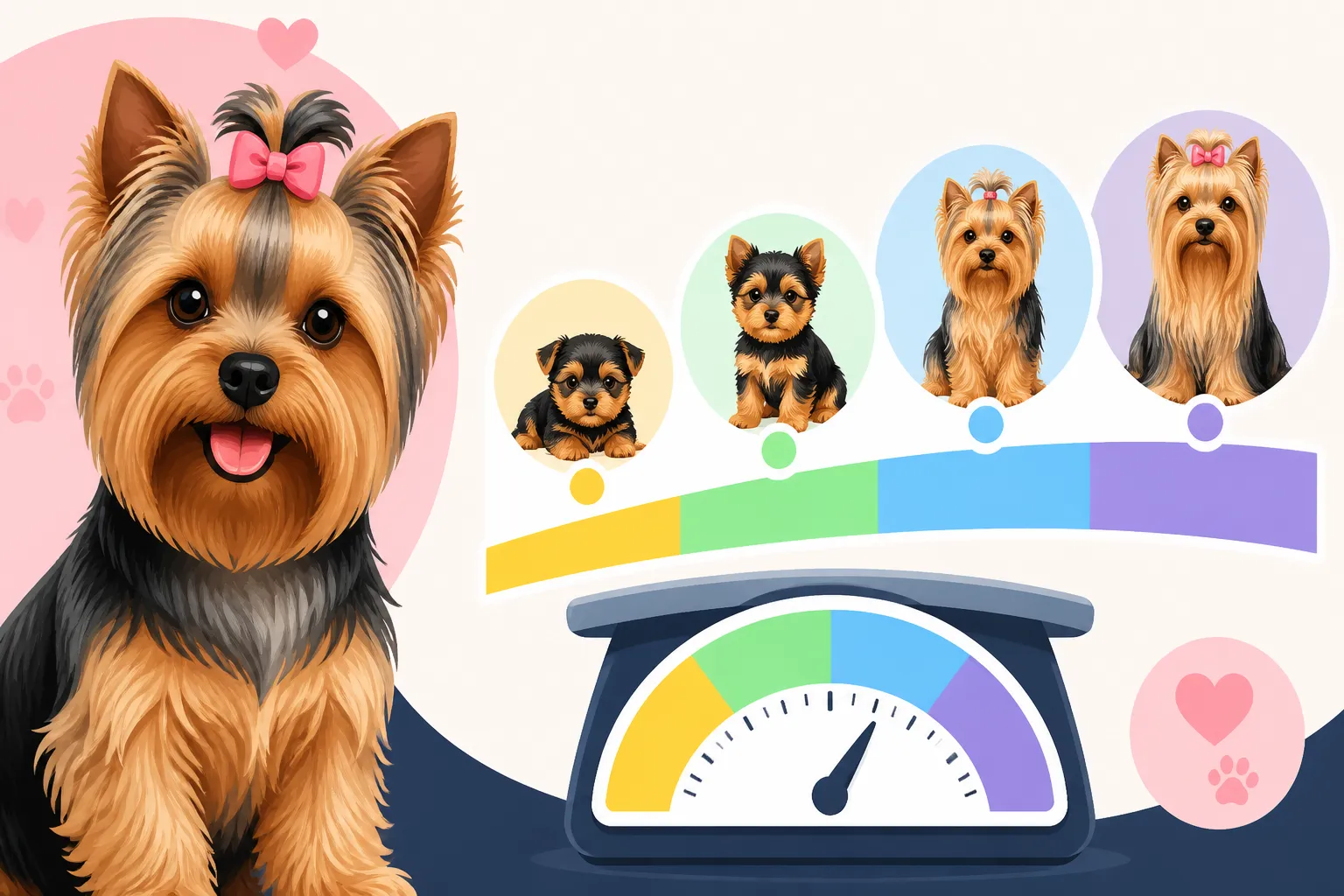
Yorkie puppies grow rapidly in their first few months, but even then, their total weight gain is modest compared to larger breeds. At birth, a Yorkie puppy might weigh a mere few ounces, typically ranging from 3 to 6 ounces. By 8 weeks, when many puppies go to their new homes, they often weigh between 1.5 to 3 pounds. This is a crucial period, and careful monitoring of their weight is vital, especially since Yorkie Hypoglycemia: Emergency Signs can be a real threat if they don't eat enough.
Here’s a general developmental weight chart for a Yorkie puppy:
| Age (Weeks) | Approximate Weight Range (lbs) | Notes |
|---|---|---|
| 0-2 | 0.2 – 0.5 | Rapid initial growth, entirely dependent on mother's milk. |
| 3-4 | 0.5 – 1.0 | Starting to explore, might introduce softened food. |
| 5-8 | 1.0 – 3.0 | Weaning process, critical for consistent feeding. |
| 9-12 | 2.5 – 4.0 | Continued growth, solid food is primary. |
| 4-6 Months | 3.5 – 6.0 | Approaching adult size, growth rate slows. |
| 7-9 Months | 4.0 – 7.0 | Nearing full adult weight, muscle development continues. |
| 10-12 Months | 4.0 – 7.0 | Typically reach their full adult weight and height. |
Keep in mind that these are averages, and individual genetics play a huge role. If your puppy seems significantly outside these ranges, especially on the lower side, it’s always best to consult your vet. A good resource for understanding their early development is our Yorkshire Terrier Puppy Health Guide.
Adult Yorkies: 1 to 7 Years Old
By the time a Yorkie reaches one year of age, they are generally considered fully grown and should fall within the healthy adult weight range of 4 to 7 pounds. During these prime years, their weight should remain relatively stable, assuming a consistent diet and exercise routine. Deviations during this period often signal a change in diet, activity level, or a potential underlying health issue.
For instance, an adult Yorkie who suddenly starts gaining weight without a change in food or exercise might be experiencing a metabolic shift, or perhaps their portions have subtly increased over time. Conversely, unexplained weight loss can be a red flag. Regular vet check-ups are key to catching these changes early. Thinking about costs, being proactive about health can save you significant money in the long run; you can learn more about Yorkshire Terrier Vet Costs and Health Budget to plan accordingly.
Senior Yorkies: 8+ Years Old
As Yorkies enter their golden years, typically around 8 to 10 years old, their metabolism can slow down, and their activity levels may decrease. This can lead to a propensity for weight gain. It's crucial to adjust their diet and ensure they still get appropriate, gentle exercise. On the other hand, some senior Yorkies might experience weight loss due to dental problems, decreased appetite, or age-related conditions.
Senior Yorkies need specialized care and attention to their nutrition. Their calorie needs often diminish, and their food might need to be softer or more easily digestible. Our guide on Yorkshire Terrier Senior Care Guide offers a wealth of information on navigating these changes. Monitoring their weight regularly, possibly monthly, helps you stay on top of any concerning trends.
Factors Influencing Yorkie Weight
Many elements contribute to your Yorkie's weight, and it's rarely just one thing. Understanding these factors can help you make informed decisions about their care.
Genetics and Breed Lineage
Just like people, Yorkies inherit certain traits from their parents, and size is a big one. If a Yorkie comes from a lineage of smaller parents, it's highly probable they will also be on the smaller side. Similarly, if their parents were at the upper end of the breed standard, your Yorkie might lean that way too. This genetic predisposition is why reputable breeders can often give you an estimate of a puppy's adult weight based on their parents' sizes. This is also where the concept of "teacup" or "mini" Yorkies comes from, though, as mentioned, these are not official categories but rather terms to describe smaller-than-average individuals within the breed.
Sometimes, even with similar parents, there can be a range within a single litter, making it a bit of a genetic lottery. It's why focusing on overall health and body condition, rather than a specific weight number, is paramount.
Diet and Nutrition
What your Yorkie eats, how much they eat, and how often are perhaps the most significant controllable factors affecting their weight. High-quality dog food specifically formulated for small breeds, like those mentioned in our guide to the Best Dog Food for Yorkshire Terriers, provides the necessary nutrients without excessive fillers. Overfeeding, even by a small amount, can quickly lead to weight gain in such a tiny dog.
Consider the following dietary aspects:
- Calorie Density: Small breed foods are often more calorie-dense to pack nutrition into smaller portions, but this also means it's easier to overfeed.
- Treats: Those tiny bites of cheese or extra kibble for training add up! Be mindful of treat calories. Many brands like Stella & Chewy's offer freeze-dried treats that are low in calories and great for training.
- Meal Schedule: Establishing a consistent Yorkshire Terrier Feeding Guide by Age is crucial, especially for puppies, to prevent hypoglycemia and manage growth.
- Human Food: While some human foods are safe in moderation, many are high in calories, fats, or ingredients harmful to dogs. Always check before sharing.
Exercise and Activity Levels
Yorkies, despite their small size, are energetic little terriers who need regular exercise. They aren't content to just sit on the couch all day. While they might not need miles of running, daily walks and playtime are essential for burning calories and maintaining muscle mass. Our article on How Much Exercise Does a Yorkie Need details appropriate activities for your pup.
Lack of adequate exercise can quickly lead to weight gain, even if their diet is managed. A sedentary Yorkie will burn fewer calories, and those extra pounds can put strain on their delicate joints and internal organs. Conversely, an overly active Yorkie without enough caloric intake might struggle to maintain weight. It's about finding that sweet spot of balance.
Health Conditions and Medications
Several health issues can impact a Yorkie's weight. Conditions like hypothyroidism can slow metabolism and cause weight gain. On the other hand, illnesses such as dental disease, gastrointestinal issues, or even more serious problems like kidney or heart disease, can lead to weight loss due to decreased appetite or nutrient absorption.
Certain medications can also affect weight. Steroids, for example, are known to increase appetite and can lead to weight gain. If your Yorkie is on medication and you notice a significant change in their weight, always discuss it with your veterinarian. Being prepared for these unexpected health challenges with pet insurance from providers like Healthy Paws can truly alleviate financial stress, allowing you to focus on your Yorkie's recovery.
Recognizing an Unhealthy Weight
It can be difficult for many owners to objectively assess their Yorkie's weight, especially when they see them every day. We naturally want to pamper our pets, but sometimes, our love can manifest in too many treats. Learning how to properly evaluate your Yorkie's body condition is a fundamental part of responsible pet ownership.
Signs of an Overweight Yorkie
An overweight Yorkie isn't just a "chubby" Yorkie; it's a Yorkie at increased risk for a host of health problems. It's easy to dismiss a few extra pounds on a small dog, but for a Yorkie, that extra pound can be a significant percentage of their total body weight, comparable to a human gaining 20-30 pounds. If you're concerned, our guide Is My Yorkie Overweight can provide more detail.
Key indicators include:
- Ribs and Spine Not Palpable: You should be able to easily feel your Yorkie's ribs and spine without pressing hard. If you have to dig to feel them, or if there's a significant layer of fat, they are likely overweight.
- No Visible Waist: When looking down at your Yorkie from above, they should have a discernible "tuck" or waistline behind their ribs. If they look like a continuous cylinder, they're carrying too much weight.
- No Abdominal Tuck: From the side, their abdomen should tuck up slightly rather than hanging low or being parallel to the ground.
- Difficulty with Activity: An overweight Yorkie might be reluctant to play, tire easily during walks, or struggle to jump onto furniture.
- General Lethargy: While age can play a role, excessive lethargy might also be a sign of carrying too much weight.
Signs of an Underweight Yorkie
An underweight Yorkie can be just as concerning as an overweight one, often indicating inadequate nutrition, high metabolism, or an underlying health issue. This is particularly critical for young puppies and senior Yorkies. The danger of Yorkie Low Blood Sugar: What to Do is very real for underweight or tiny Yorkies, especially puppies.
Key indicators include:
- Prominent Ribs and Spine: Their ribs, spine, and hip bones are very easily visible and feel sharp to the touch, with little to no fat covering.
- Sunken Abdomen: Their belly might appear severely tucked up, almost concave.
- Muscle Wasting: You might notice a loss of muscle mass, particularly over their hindquarters.
- Lack of Energy: While some very active Yorkies can be naturally lean, an underweight Yorkie often lacks energy or appears listless.
- Dull Coat: Poor nutrition associated with being underweight can manifest in a dull, dry, or flaky coat.
- Frequent Shaking or Trembling: While Yorkies can shake for many reasons, persistent trembling might indicate low energy levels or other health issues. Our article Why Do Yorkies Shake and Tremble can offer more context.
Health Risks Associated with Unhealthy Weight
Both ends of the weight spectrum come with serious health consequences for a small breed like a Yorkshire Terrier.
Risks of being Overweight:
- Joint Problems: Extra weight puts significant strain on their delicate joints, exacerbating conditions like Yorkshire Terrier Patellar Luxation: Signs and Care or hip dysplasia.
- Diabetes: Obesity is a leading risk factor for canine diabetes.
- Heart Disease: Excess fat can strain the heart and contribute to various cardiovascular issues.
- Breathing Difficulties: Extra weight around the chest and abdomen can make breathing harder, especially for a breed prone to Yorkshire Terrier Collapsing Trachea: Signs and Care.
- Reduced Lifespan: Studies consistently show that overweight dogs have a shorter life expectancy.
- Surgical Complications: Overweight dogs face higher risks during anesthesia and surgery.
Risks of being Underweight:
- Weakened Immune System: Poor nutrition compromises their ability to fight off infections.
- Hypothermia: Less body fat means less insulation, making them more susceptible to cold, especially in cooler climates.
- Fragile Bones: Inadequate nutrients can lead to weaker bones, increasing the risk of fractures.
- Organ Dysfunction: Extreme underweight can lead to organ damage or failure over time.
- Hypoglycemia: As mentioned, extremely small or underweight Yorkie puppies are at high risk for dangerously low blood sugar.
- Poor Wound Healing: Malnourished dogs heal slower and are more prone to complications from injuries or surgeries.
Maintaining a Healthy Weight for Your Yorkie
The good news is that you have a lot of control over helping your Yorkie achieve and maintain a healthy weight. It requires consistency, attention, and a strong partnership with your veterinarian.
Regular Vet Check-ups
Your veterinarian is your best ally in monitoring your Yorkie’s health and weight. During annual check-ups, they will weigh your dog, assess their body condition score, and discuss any concerns you might have. They can also rule out underlying medical conditions contributing to weight issues. If your Yorkie is consistently outside the ideal range, your vet can help create a tailored plan for diet and exercise. These regular visits are invaluable, and having pet insurance like that offered by Healthy Paws can make managing these preventative and corrective care costs much more manageable.
Balanced Nutrition and Portion Control
This is the cornerstone of weight management.
- High-Quality Food: Invest in a premium small-breed dog food. Look for ingredients lists that prioritize real meat and don't contain excessive fillers or by-products.
- Accurate Portions: Don't guess! Use a measuring cup designed for pet food or a kitchen scale to ensure you're feeding the precise amount recommended by your vet or the food manufacturer. Remember that the recommended feeding guides on pet food bags are often just a starting point and might need adjustment based on your Yorkie's individual metabolism and activity level. You can get more details in our article, How Much to Feed a Yorkshire Terrier.
- Limit Treats: Treats should make up no more than 10% of your Yorkie’s daily caloric intake. Choose healthy, low-calorie options or use pieces of their regular kibble for training.
- Scheduled Meals: Stick to a consistent feeding schedule, typically two meals a day for adult Yorkies. Free-feeding (leaving food out all day) makes it very hard to monitor intake and can lead to overeating.
Appropriate Exercise Regimen
Tailor exercise to your Yorkie's age, energy level, and health.
- Daily Walks: Even a short 15-20 minute walk twice a day can make a huge difference. Use a harness instead of a collar to protect their delicate trachea. You can learn more about Why Harnesses Are Better Than Collars for Yorkies.
- Indoor Play: Yorkies love to play fetch in the house, chase toys, or engage in mental stimulation games. This is especially helpful on rainy days or during extreme weather.
- Interactive Toys: Puzzle toys that dispense kibble can make mealtime an engaging activity and encourage mental and physical effort.
- Avoid Over-exertion: Especially for puppies and senior Yorkies, be mindful of their stamina. Don't push them too hard, especially in hot weather.
Monitoring and Adjusting
Weight management is an ongoing process.
- Regular Weight Checks: Weigh your Yorkie at home once a month, or at least every few months, using a small pet scale or by weighing yourself, then weighing yourself holding your Yorkie, and subtracting the difference.
- Body Condition Scoring: Regularly perform a body condition assessment. Feel their ribs, spine, and check their waistline. You should aim for a score where ribs are easily felt but not seen, and a clear waist is present.
- Keep a Journal: Jot down their weight, food intake, and exercise level. This can help you identify trends and make informed adjustments.
- Be Patient: If your Yorkie needs to gain or lose weight, it should be a gradual process. Rapid changes can be detrimental to their health. Consult your vet before making drastic changes to their diet or exercise routine.
By being diligent and observant, you can ensure your Yorkshire Terrier stays within a healthy weight range, contributing significantly to their overall health and happiness for many years to come.
Disclaimer
The information provided in this article is for general informational purposes only and is not a substitute for professional veterinary advice. Always consult with a qualified veterinarian for any health concerns or before making any decisions related to your pet's health or treatment.