Yorkie Allergies: Signs and Relief
It’s incredibly disheartening to watch your beloved Yorkshire Terrier constantly scratch, lick, or rub their face, knowing they're uncomfortable but not quite understanding why. Allergies in Yorkies are a surprisingly common and persistent problem, often leaving owners feeling frustrated and helpless as they try to pinpoint the cause and find lasting relief. This comprehensive guide is here to shed light on why your little companion might be suffering, how to spot the tell-tale signs, and, most importantly, what practical steps you can take to bring them comfort and improve their quality of life.
Understanding What Yorkie Allergies Really Are
When we talk about allergies in our furry friends, we're essentially talking about an overreaction of their immune system to substances that are otherwise harmless. For a Yorkie, this immune system overdrive can manifest in a variety of ways, from itchy skin to digestive upset, making them truly miserable. It's not just a minor annoyance; it can severely impact their well-being and even lead to secondary infections if left untreated.
The Common Culprits: Types of Allergens
Yorkies, like many small breeds, can be sensitive to a wide array of allergens found in their environment or even in their food bowl. Pinpointing the exact trigger can feel like detective work, but understanding the main categories is the first step in solving the mystery.
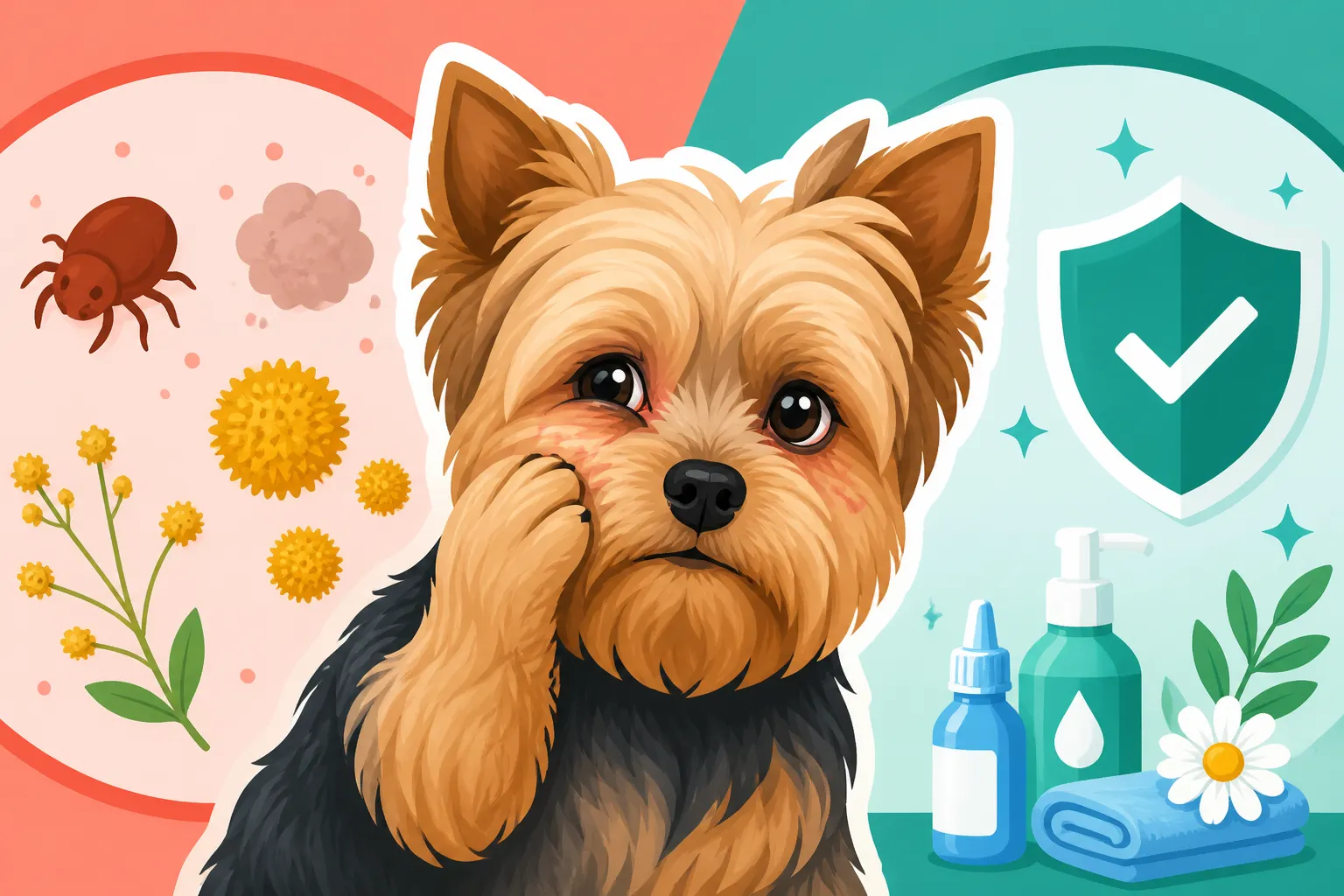
First up are environmental allergens, which are probably the most common. Think about what gets to you during allergy season – pollen from trees, grasses, and weeds. Our dogs, especially low-riders like Yorkies who are closer to the ground, are exposed to these airborne irritants constantly. Beyond seasonal pollen, other environmental foes include dust mites, those microscopic creatures living in our carpets, bedding, and upholstery, and mold spores, which thrive in damp, dark places. Your Yorkie might even react to common household items like certain cleaning products, perfumes, or even the fabric softener you use. The constant exposure to these invisible triggers can make your Yorkie's skin feel perpetually irritated, leading to a relentless cycle of scratching and discomfort.
Next, we have food allergies, which can be particularly tricky to identify. Unlike a food sensitivity that might just cause an upset tummy, a true food allergy involves an immune response to a specific protein source. Common culprits often include beef, chicken, dairy, wheat, and soy. While some dogs might react to grains, it's more often the protein in the food that triggers the allergic reaction. A Yorkie with a food allergy might not only have itchy skin but also suffer from chronic gastrointestinal issues. It’s a common misconception that all food allergies show up immediately; sometimes, it can take repeated exposure to a particular ingredient before a strong allergic reaction occurs, making it harder to link symptoms to their diet.
Finally, there’s flea allergy dermatitis, which can turn a single flea bite into an absolute nightmare for a sensitive Yorkie. While all dogs will itch from a flea bite, a Yorkie with flea allergy dermatitis will have an intense, exaggerated allergic reaction to the flea's saliva. Just one bite can cause severe itching, redness, hair loss, and scabbing, often concentrated around the tail base, inner thighs, and belly. This isn't just about fleas being annoying; it's a full-blown allergic emergency for some dogs.
Why Some Yorkies Are More Prone to Allergies
It's not just bad luck that some Yorkies seem to be allergy magnets while others sail through life without a sniffle or an itch. There are some very real reasons why our pint-sized companions might be more susceptible to these frustrating conditions.
A significant factor is genetic predisposition. Yorkies, unfortunately, are among several breeds that are genetically predisposed to developing allergies, particularly environmental allergies (atopy). This means that if a Yorkie’s parents or grandparents had allergies, there’s a higher chance that their offspring will too. It’s a roll of the genetic dice, but ethical breeders often try to screen their breeding lines for such tendencies to minimize the prevalence of these issues. Still, it's a common thread woven into the breed's fabric. Understanding the potential for Common Yorkshire Terrier Genetic Conditions can help you be more vigilant.
Beyond genetics, their small breed sensitivities also play a role. Their delicate skin and often fine, silky coats can be more reactive to external irritants. They also spend a lot of time closer to the ground, meaning their exposure to environmental allergens like pollen, dust, and certain grass types is more direct and prolonged. This constant contact can make their skin more reactive and prone to inflammation. It's like us walking barefoot through a field of allergens all day – not a pleasant thought!
Recognizing the Red Flags: Signs and Symptoms of Yorkie Allergies
Spotting the signs of allergies in your Yorkie can be challenging because many symptoms overlap with other health issues. However, knowing what to look for and understanding the nuances of how allergies manifest can help you advocate for your pup and seek timely veterinary care. Many of these symptoms, if left unchecked, can lead to more serious conditions, emphasizing the importance of recognizing Signs Your Yorkshire Terrier Is Sick.
Skin-Deep Frustrations: Itching, Redness, and Hot Spots
The most prevalent and often most distressing signs of allergies in Yorkies revolve around their skin. If your Yorkie is constantly preoccupied with themselves, chances are something is irritating their skin.
Constant scratching, licking, and biting are hallmark signs. You might notice your Yorkie incessantly scratching their ears, face, armpits, groin, or tail area. This isn't just a casual itch; it's often an urgent, frantic effort to relieve discomfort. They might also lick their paws excessively, sometimes to the point where the fur becomes stained reddish-brown from their saliva. Chewing at their legs or flanks is another common behavior. These behaviors can become obsessive, disrupting their sleep and yours, and making them generally irritable. If you find yourself asking, Why Is My Yorkie Scratching, allergies are a primary suspect.
Beneath that beautiful coat, you might discover red, inflamed skin or rashes. This redness, often called erythema, can be widespread or localized to areas like the belly, groin, or paw pads. The skin might feel warm to the touch and appear bumpy or crusty. Chronic inflammation can also lead to thickened, leathery-feeling skin, known as lichenification, which is often darker in color. These changes are typically the result of prolonged scratching and inflammation.
A particularly nasty outcome of relentless itching is the development of hot spots, medically known as acute moist dermatitis. These are rapidly appearing, red, moist, painful lesions that can pop up seemingly overnight. They occur when a Yorkie excessively licks, chews, or scratches a particular spot, causing a localized bacterial infection. Hot spots are extremely painful and require immediate veterinary attention to prevent them from spreading and becoming deeper. They are a clear sign that the underlying itch needs to be addressed urgently.
Beyond the Skin: Other Allergy Indicators
While skin issues are common, allergies in Yorkies can extend beyond the surface, affecting other bodily systems. Observing a wider range of symptoms can provide crucial clues for diagnosis.
Chronic or recurring ear infections and discharge are frequently linked to allergies. Your Yorkie might shake their head, scratch at their ears, or you might notice redness, swelling, or a foul odor coming from their ear canals. There might be a waxy or pus-like discharge. This is because the skin lining the ear canal can also become inflamed due to allergies, creating a warm, moist environment ripe for yeast and bacteria to proliferate. Managing Yorkie Ear Infections: Prevention, often means managing their allergies.
Gastrointestinal upset is a major indicator of food allergies, but can sometimes accompany environmental allergies as well, especially if your Yorkie is ingesting allergens by licking their paws. Symptoms might include recurrent vomiting, diarrhea, excessive gas, or even appetite loss. These can range from mild, intermittent issues to chronic problems that significantly impact your Yorkie’s digestion and nutrient absorption.
Finally, some Yorkies with allergies may exhibit respiratory issues like sneezing, wheezing, or coughing, though this is less common than in humans. More commonly, you might notice persistent tear stains or watery, red eyes. These symptoms are often a reaction to airborne irritants, similar to how human eyes become itchy and watery during allergy season. Addressing Yorkie Eye Problems Explained, often requires considering allergy triggers.
Here's a quick reference table for common Yorkie allergy signs:
| Symptom Category | Specific Signs | Possible Allergy Type(s) | Urgency Level |
|---|---|---|---|
| Skin Issues | Excessive scratching, licking, chewing (paws, body) | Environmental, Food, Flea | High (can lead to infection) |
| Redness, rashes, hives, bumps | Environmental, Food, Flea | Moderate to High | |
| Hot spots (moist, red, painful lesions) | Environmental, Food, Flea | Urgent | |
| Dry, flaky, or greasy skin | Environmental, Food | Moderate | |
| Hair loss, thinning coat, dull fur | Environmental, Food, Flea | Moderate | |
| Darkened, thickened skin (lichenification) | Chronic Environmental, Food | Moderate | |
| Ear Problems | Head shaking, ear scratching, rubbing | Environmental, Food | High (can lead to severe infection) |
| Red, inflamed ears, foul odor | Environmental, Food | High | |
| Waxy or pus-like discharge from ears | Environmental, Food | High | |
| Gastrointestinal | Vomiting, diarrhea, loose stools | Food (primarily), sometimes Environmental | Moderate to High |
| Excessive gas, bloating | Food | Moderate | |
| Loss of appetite | Food, severe discomfort | Moderate to High | |
| Respiratory/Eyes | Sneezing, reverse sneezing, coughing, wheezing | Environmental | Moderate |
| Watery eyes, red eyes, excessive tearing | Environmental | Moderate | |
| Tear stains (dark discoloration around eyes) | Environmental | Low to Moderate |
Getting to the Bottom of It: Diagnosing Your Yorkie's Allergies
When your Yorkie is suffering from persistent itching or other uncomfortable symptoms, a proper diagnosis is absolutely crucial. It’s not just about stopping the immediate discomfort; it's about understanding the root cause to implement an effective, long-term management plan. This journey typically starts with a thorough veterinary examination. Don't hesitate to reach out to your vet when you see these signs; knowing When to Take Your Yorkie to the Vet, especially for recurring issues, is vital.
The Vet Visit: What to Expect
When you bring your Yorkie in for suspected allergies, your veterinarian will begin by taking a detailed history. Be prepared to discuss everything: when the symptoms started, how often they occur, what makes them better or worse, your Yorkie’s diet, their environment (indoor/outdoor access, presence of other pets), any recent changes in food or routine, and what flea prevention you use. This information helps your vet build a comprehensive picture of your Yorkie’s lifestyle and potential exposures. It’s incredibly important to be honest and detailed; even seemingly insignificant details can be important clues.
Following the history, your vet will perform a thorough physical examination. They'll meticulously check your Yorkie’s skin from nose to tail, looking for redness, lesions, hair loss, and evidence of secondary infections. They'll also carefully inspect their ears, paws, and even between their toes. Swabs might be taken from the skin or ears to look for yeast or bacterial overgrowth under a microscope, which are common secondary issues arising from allergies.
If food allergies are suspected, your vet might recommend an exclusion diet, also known as a novel protein or hydrolyzed protein diet. This is a strict dietary trial where your Yorkie eats only a specific, limited ingredient food (either a protein source they've never had before, like duck or venison, or a protein that's been broken down so small their immune system won't react to it) for an extended period, usually 8-12 weeks. During this time, absolutely no other treats, table scraps, flavored medications, or chew toys are allowed. It requires incredible discipline, but it's the gold standard for diagnosing food allergies. If symptoms improve dramatically on the exclusion diet, and then return when the original food is reintroduced, a food allergy is confirmed.
For environmental allergies (atopy), your vet might suggest allergy testing. This typically comes in two forms: blood tests (serum IgE testing) or intradermal skin testing. Blood tests involve taking a blood sample to measure antibodies against various common environmental allergens. Intradermal skin testing is considered more accurate and involves injecting tiny amounts of common allergens under your Yorkie's skin (usually on a shaved patch of the side) and observing for localized reactions, similar to how human allergy tests are performed. This test is usually done by a veterinary dermatologist. Once the specific allergens are identified, a personalized treatment plan, often involving immunotherapy, can be developed.
Differentiating Allergies from Other Conditions
It’s easy to jump to conclusions when your Yorkie is scratching, but many other conditions can mimic allergy symptoms. This is why thorough veterinary diagnostics are so important.
One of the most common mimics of allergies is parasitic infestations. Fleas, ticks, and various mites (like sarcoptic or demodectic mange) can cause intense itching, redness, and hair loss. Your vet will often start by ruling out these parasites through physical examination, flea combs, or skin scrapings. Even if you use flea prevention, a resistant flea population or an missed dose can lead to an outbreak. This is particularly relevant if you're battling Yorkie Scratching: When to Worry.
Furthermore, bacterial and yeast infections are incredibly common secondary problems that arise from allergies, but they can also occur independently. When the skin barrier is compromised by allergies, or if a Yorkie’s immune system is otherwise suppressed, these opportunistic pathogens can take hold. They cause intense itching, redness, scabbing, and odor, making it hard to tell if the primary problem is an infection or the allergy itself. Your vet will use cytology (examining skin samples under a microscope) to identify these infections and prescribe appropriate antibiotics or antifungals to clear them up. Often, treating the secondary infection first provides initial relief, allowing the vet to then focus on the underlying allergic cause.
Finding Relief: Effective Strategies for Managing Yorkie Allergies
Once your Yorkie's allergies have been diagnosed, the real work begins: managing them. There’s no magic bullet for allergies, but with a multi-pronged approach combining veterinary guidance, environmental control, and diligent home care, you can significantly improve your Yorkie’s comfort and quality of life. Remember, this is often a marathon, not a sprint, and patience is key.
Environmental Allergy Management
For Yorkies suffering from environmental allergies (atopy), the goal is often to reduce exposure to the offending allergens as much as possible, while also managing the body’s allergic response.
Reducing exposure starts at home. Regularly cleaning your house, especially vacuuming with a HEPA filter, can drastically reduce dust mites and pet dander (if your Yorkie is reacting to other pets). Using air purifiers with HEPA filters can also help remove airborne allergens. After walks, especially during high pollen seasons, it’s a good idea to wipe your Yorkie's paws and belly with a damp cloth or a pet-safe wipe to remove pollen and other outdoor irritants before they track them inside. Consider bathing your Yorkie more frequently with a gentle, hypoallergenic shampoo to wash off allergens that accumulate on their coat; learning How to Care for a Yorkie's Coat Between Grooms, including regular bathing, is crucial.
When exposure reduction isn't enough, or is simply impossible, medications come into play. Your veterinarian might prescribe antihistamines, though these are often less effective in dogs than in humans for severe allergies. Corticosteroids (steroids) like Prednisone can provide rapid relief from severe itching and inflammation, but they come with potential side effects with long-term use and are typically reserved for short-term flare-ups. Newer, targeted medications like Apoquel and Cytopoint have revolutionized allergy management for many dogs. Apoquel is an oral tablet that targets specific pathways involved in the itch response, offering quick and effective relief. Cytopoint is an injectable antibody therapy that works by neutralizing a key protein that triggers itch in allergic dogs, providing relief for 4-8 weeks with a single injection. Both have fewer side effects than long-term steroids and are excellent options for many Yorkies.
For long-term management and to potentially "cure" the allergy (or at least significantly reduce symptoms), immunotherapy (allergy shots or sublingual drops) is often recommended, especially after specific allergens have been identified via allergy testing. This involves administering small, increasing doses of the identified allergens over time, gradually desensitizing your Yorkie’s immune system to them. Immunotherapy takes time to show results, often 6-12 months, but it can provide significant, lasting relief and reduce the need for other medications. It's an investment in your Yorkie's future comfort.
Tackling Food Allergies
Managing food allergies is all about strict dietary control. This means identifying and eliminating the offending ingredient(s) from your Yorkie’s diet entirely.
The cornerstone of food allergy management is a hypoallergenic or limited ingredient diet (LID). As discussed, this usually involves a novel protein source that your Yorkie has never encountered before (e.g., duck, venison, rabbit, kangaroo) or a hydrolyzed protein diet where the proteins are broken down into particles too small to trigger an immune response. Brands like Royal Canin, Purina, and Hill's offer veterinary-prescribed hydrolyzed protein diets that are incredibly effective. Your vet will recommend a specific food and guide you through the trial. It's not always easy, especially when your Yorkie gives you those puppy-dog eyes, but consistency is critical.
During a food trial, or once a food allergy is confirmed, you'll need to be incredibly vigilant about all food sources. This includes treats, dental chews, and even the flavorings in medications. Always check ingredient labels carefully. Many dog foods contain common allergens like chicken or beef meal, or wheat and soy. Opting for Best Dog Food for Yorkshire Terriers, especially those labeled for sensitive stomachs or allergies, can make a huge difference. When selecting a food, look for options that explicitly state they are designed for allergies, perhaps with "Yorkshire Terrier Food For Allergies" in their description.
Soothing Skin and Supporting Overall Health
Beyond targeting the specific type of allergy, several supportive measures can help soothe your Yorkie’s irritated skin and boost their overall resilience.
Medicated shampoos and topical treatments can provide immediate, localized relief from itching and inflammation. Your vet might prescribe a shampoo containing ingredients like chlorhexidine (for bacterial infections), miconazole (for yeast infections), or oatmeal (for soothing). Regular bathing with these prescribed shampoos can help remove allergens, manage secondary infections, and calm irritated skin. Always ensure the shampoo is specifically designed for dogs. Additionally, topical sprays, foams, or wipes containing hydrocortisone or other anti-itch ingredients can be applied to particularly troublesome spots.
Supplements can play a supportive role in improving skin and coat health, and potentially reducing inflammation. Omega-3 fatty acids, found in fish oil, have natural anti-inflammatory properties that can help soothe itchy skin and improve coat quality. Probiotics can support gut health, which is crucial for overall immune function and can indirectly help manage allergies, especially food sensitivities. Always discuss any supplements with your vet before introducing them, as quality and dosage can vary widely.
Finally, consistent regular grooming is more than just aesthetics; it's a vital part of allergy management. Regular brushing helps distribute natural skin oils and removes loose fur and dander, while keeping the coat clean reduces allergen accumulation. This also includes keeping their nails trimmed to minimize skin damage from scratching. Learning How to Clean Yorkie Tear Stains, often caused by environmental allergens, can also make a difference in your dog's comfort and appearance.
Proactive Steps: Preventing Future Allergy Flare-ups
Managing Yorkie allergies is an ongoing commitment, but by taking proactive steps, you can significantly reduce the frequency and severity of future flare-ups. Prevention isn't always about eliminating allergies entirely, but about creating an environment and lifestyle that minimizes their impact on your precious pup.
Maintaining a Clean Environment and Consistent Care
A clean home is a happy home, especially for an allergy-prone Yorkie. Regular cleaning and vacuuming are paramount. Use a vacuum cleaner with a HEPA filter to effectively trap dust mites, pollen, and other environmental allergens. Wash your Yorkie’s bedding weekly in hot water to kill dust mites. Consider using dust mite covers for your own pillows and mattresses, as your Yorkie likely shares your sleeping space or spends time in your bedroom. Minimizing carpeting and choosing hard flooring can also help reduce allergen buildup.
Establishing a consistent bathing routine and ear cleaning regimen is also crucial. For environmental allergies, regular baths, perhaps every 1-2 weeks or as directed by your vet, with a gentle, hypoallergenic shampoo can wash away accumulated allergens from their coat. This also helps support the skin barrier. Following up with a good conditioner can prevent dry skin. For ears, using a vet-approved ear cleaner regularly can prevent yeast and bacteria from building up, which often leads to painful infections in allergic dogs. Being proactive about Yorkie Ear Infections: Prevention, through regular cleaning, saves a lot of discomfort down the line.
And let's not forget year-round flea prevention. Even if your Yorkie doesn't have flea allergy dermatitis, preventing fleas is a crucial part of an overall allergy management strategy. A simple flea bite can trigger itching, which then complicates identifying other allergic triggers. Consult your vet for the best prescription-strength flea and tick prevention appropriate for your Yorkie, as over-the-counter products are often less effective. Brands like Bravecto or NexGard are often recommended by vets for their efficacy. If you have pet insurance, sometimes flea and tick prevention can be covered or discounted, making it easier to maintain this important line of defense. Reputable pet insurance providers like Healthy Paws can help manage the financial aspect of long-term preventative and acute care.
The Role of Diet and Holistic Health
What goes into your Yorkie’s body is just as important as what they encounter in their environment. Providing a high-quality, appropriate food is foundational for their overall health and can significantly impact allergy management. If a food allergy has been identified, sticking strictly to the prescribed or recommended hypoallergenic diet is non-negotiable. Even if your Yorkie only has environmental allergies, a diet rich in essential fatty acids and free from artificial additives can support skin health and a robust immune system. Always opt for foods with clear, identifiable protein sources and healthy fats. Discussing Yorkshire Terrier Food For Allergies, with your vet will help you choose the best option.
Beyond diet, stress reduction also plays a subtle but important role. Just like in humans, stress can exacerbate existing health conditions, including allergies. Providing your Yorkie with a stable routine, plenty of enrichment, and a calm home environment can help reduce stress levels. This might include regular, gentle exercise, interactive toys, and consistent training.
Finally, don't underestimate the power of regular vet check-ups. These aren't just for when things go wrong. Scheduled visits allow your veterinarian to monitor your Yorkie's allergy symptoms, adjust medications as needed, and proactively address any secondary infections or complications before they become severe. These regular check-ups are also an opportunity to discuss any new concerns or observe changes in your Yorkie's health. Having pet insurance, such as through Healthy Paws, can make these regular visits and any necessary allergy treatments more manageable financially, ensuring your Yorkie receives the best possible care without breaking the bank. It's an investment in their long-term health and your peace of mind.
Disclaimer
Please remember that the information provided in this article is for educational and informational purposes only and does not constitute veterinary medical advice. Always consult with a qualified veterinarian for any health concerns or before making any decisions about your pet's health or treatment plan.