Yorkie Luxating Patella: Surgery or Not
Few things are as heart-wrenching as watching your beloved Yorkshire Terrier limp, hop, or visibly struggle with pain in their hind leg. This common sight often signals a condition called luxating patella, or a "slipping kneecap," which can leave you agonizing over treatment options. Deciding whether your tiny companion needs surgery can feel overwhelming, but this guide is here to walk you through understanding this condition, exploring all the choices, and ultimately making the most informed decision for your Yorkie's well-being.
Understanding Luxating Patella in Yorkshire Terriers
It's a common story: you’re enjoying a lovely afternoon with your Yorkie, perhaps they’re chasing a toy or trotting along beside you, and suddenly, they skip a beat, hold up a back leg for a few steps, and then carry on as if nothing happened. Or perhaps it’s more severe, with persistent limping or discomfort. If this sounds familiar, you're likely witnessing the signs of luxating patella, a condition all too prevalent in our small, spirited Yorkshire Terriers.
What is Patellar Luxation?
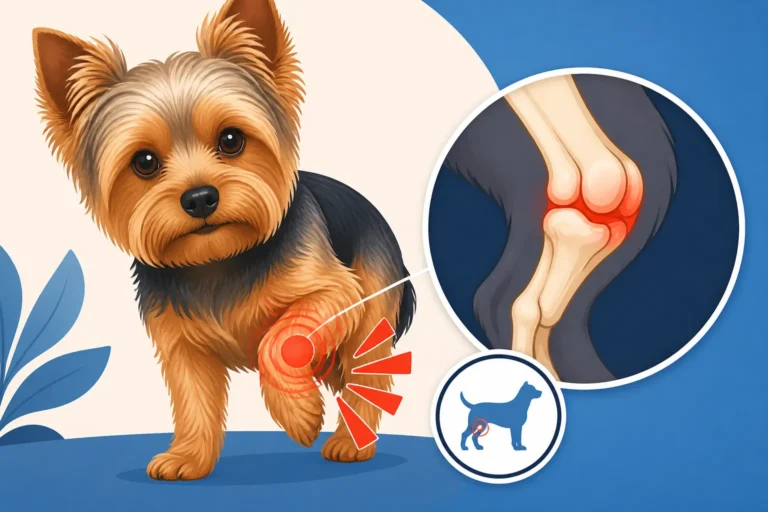
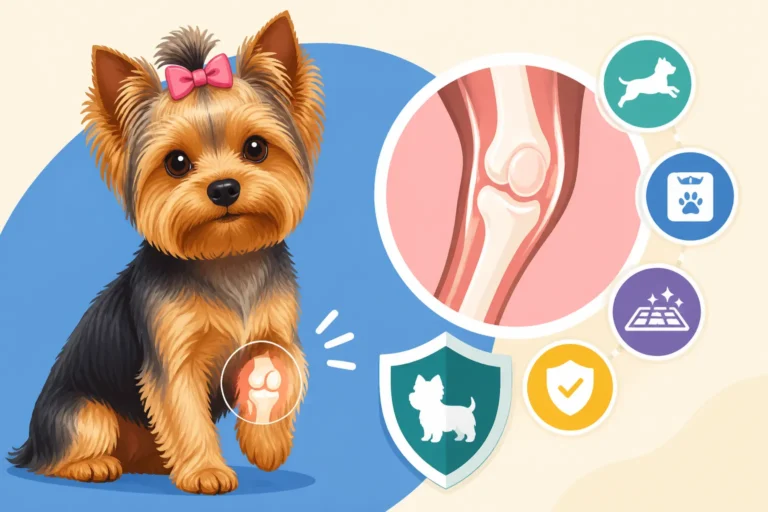
At its simplest, patellar luxation means the kneecap (patella) dislocates or "slips" out of its normal groove in the thigh bone (femur). Think of your own kneecap; it's designed to glide smoothly within a specific track. In dogs with luxating patella, this track might be too shallow, or the surrounding ligaments might be too loose, allowing the kneecap to pop out of place. This can happen towards the inside of the leg (medial luxation), which is most common in small breeds like Yorkies, or towards the outside (lateral luxation). When the kneecap moves out of place, it can cause pain, lameness, and an abnormal gait, interrupting your dog’s ability to move comfortably.
The severity of the luxation can vary greatly, from a kneecap that pops out occasionally and corrects itself, to one that is constantly dislocated, causing significant distress and impacting quality of life. Understanding that this isn't just a minor inconvenience but a potentially painful and debilitating condition is the first step in addressing your Yorkie's needs.
Why Yorkies Are Prone to This Condition
It's an unfortunate truth that Yorkshire Terriers, along with other small breeds like Chihuahuas, Pomeranians, and Miniature Poodles, have a genetic predisposition to luxating patella. This isn't usually due to an injury (though trauma can exacerbate it), but rather to congenital malformations—problems present from birth in the way their bones and joints are structured. The shallow groove in the femur, an abnormally shaped femur, or even misaligned muscles can all contribute to the kneecap not staying put.
Because of this genetic link, responsible breeders often screen their breeding dogs for patellar luxation to try and reduce its incidence in future generations. However, even with the best breeding practices, it can still appear. If you have a Yorkie, knowing that they are at a higher risk means you need to be particularly observant of their gait and overall mobility. Early detection can often lead to better management and outcomes. For more insights into genetic predispositions, you might find our article on Common Yorkshire Terrier Genetic Conditions helpful.
Recognizing the Signs and Symptoms
Identifying patellar luxation often starts with observing subtle changes in your Yorkie's movement. You might notice them "skipping" or "hopping" on three legs for a few steps, usually a hind leg, and then seemingly shaking it out before returning to normal. This intermittent lameness is a classic sign of the kneecap slipping out and then back into place. It’s often not consistently painful in the early stages, which can make it easy to dismiss.
Other signs can include:
- Persistent limping: Especially after exercise or getting up from rest.
- Reluctance to jump or use stairs: They might hesitate or show discomfort.
- Holding the affected leg up: Sometimes they’ll carry the leg for longer periods.
- Pain response: Whining, yelping, or showing tenderness when the knee is touched.
- Abnormal stance: Standing with their legs bowed or splayed.
The severity of these symptoms directly correlates with the grade of luxation. If you notice any of these signs, even if they seem minor, it’s always best to consult your veterinarian promptly. Early intervention can make a significant difference in managing the condition and your Yorkie’s comfort. Understanding Yorkshire Terrier Health Problems to Know can help you be prepared for various issues that might arise.
Diagnosing the Condition and Its Severity
When you notice your Yorkie exhibiting those tell-tale skips or limping, the first and most crucial step is a visit to your trusted veterinarian. They have the expertise to accurately diagnose luxating patella and determine its severity, which is essential for planning the best course of action.
The Veterinary Examination Process
When you take your Yorkie to the vet with concerns about limping, the first thing they’ll do is a thorough physical examination. This isn't just a quick glance; it involves a detailed orthopedic assessment. Your vet will observe your Yorkie walking, trotting, and sometimes even running, looking for any abnormalities in their gait. They’ll then gently palpate (feel) your Yorkie's knees, trying to manually manipulate the kneecap to see if it can be luxated or moved out of its groove. They'll also check the range of motion and look for any swelling or pain around the joint.
This hands-on examination is often enough to diagnose patellar luxation. Your vet might perform a "cranial drawer test" or other stability tests to check the integrity of other knee ligaments as well, as sometimes luxating patella can occur alongside other knee issues. Don't be surprised if your Yorkie protests a little during this part; it can be uncomfortable, but it's vital for an accurate diagnosis. Knowing When to Take Your Yorkie to the Vet is key, and limping is definitely a signal.
Grading System for Luxating Patella
To provide a clear understanding of the condition's severity, veterinarians use a standardized grading system, usually ranging from Grade 1 to Grade 4. This system helps determine whether surgical intervention is necessary and what type of surgery might be most effective.
Here's a breakdown:
| Grade | Description of Luxation | Clinical Signs Often Seen | Recommended Treatment Path |
|---|---|---|---|
| Grade 1 | The patella can be manually luxated but immediately returns to its normal position. | Often asymptomatic or occasional skip/hop. Minimal to no pain. | Conservative management (diet, exercise, supplements) often sufficient. |
| Grade 2 | The patella spontaneously luxates (slips out) and stays out for a short period, requiring manual manipulation or leg extension for it to return to its groove. | More frequent skipping, limping, or holding up the leg. Mild to moderate pain. | Conservative management may work, but surgery is often recommended to prevent progression and arthritis. |
| Grade 3 | The patella is permanently luxated but can be manually returned to its normal position. However, it will reluxate immediately. | Persistent lameness, abnormal crouched gait. Moderate to significant pain. | Surgery is generally recommended to restore normal function and reduce pain. |
| Grade 4 | The patella is permanently luxated and cannot be manually returned to its normal position. The groove is often completely absent. | Severe, persistent lameness; the leg may be permanently bent or held awkwardly. Significant chronic pain. | Surgery is almost always required, often involving more complex procedures. Prognosis can be guarded. |
This grading system is a critical tool for your vet to discuss the progression of the disease and the appropriate treatment strategy with you.
Imaging and Further Diagnostics
While a physical exam is often sufficient, your vet might recommend X-rays to get a clearer picture of your Yorkie’s skeletal structure. X-rays can show the depth of the patellar groove, any deformities in the femur or tibia (shin bone), and signs of arthritis that may have developed due to the kneecap rubbing out of place. They can also rule out other potential causes of lameness, such as Legg-Calve-Perthes disease or hip dysplasia, which are also seen in small breeds.
In some complex cases, especially if other issues are suspected, your vet might refer you to a veterinary orthopedic specialist for advanced imaging like an MRI or CT scan. These are less common for routine patellar luxation diagnosis but can provide incredibly detailed images of soft tissues and bone structures if the initial X-rays are inconclusive or suggest a more complicated problem. Getting a comprehensive understanding of your Yorkie’s Yorkie Knee Problems Explained is vital for long-term health.
Non-Surgical Approaches to Managing Luxating Patella
For many Yorkies, especially those with Grade 1 or even some mild Grade 2 luxation, surgery isn’t always the immediate answer. There's a whole world of conservative, non-surgical management options that can significantly improve your dog's comfort and quality of life. The goal here is to support joint health, reduce inflammation, and strengthen the surrounding muscles to provide natural stability.
Lifestyle Modifications and Weight Management
One of the most impactful things you can do for a Yorkie with luxating patella, especially in the early stages, is to manage their weight. Even a few extra pounds can put immense strain on tiny joints, exacerbating the problem and speeding up degenerative changes like arthritis. Work with your vet to determine an ideal healthy weight for your Yorkie and then stick to a strict feeding plan. This might involve switching to a lower-calorie food or simply being more diligent with portion control and limiting treats.
Beyond weight, consider modifying your home environment. Ensure your Yorkie has easy access to elevated surfaces without needing to jump, as repeated jumping can stress the knees. Ramps or pet stairs can be incredibly helpful for getting onto sofas or beds. Avoid slippery floors where your Yorkie might splay out, and provide soft, supportive bedding to cushion their joints. These seemingly small changes can make a big difference in reducing daily wear and tear on their knees.
Physical Therapy and Exercise Regimens
Just like in humans, physical therapy can be incredibly beneficial for dogs with joint issues. A certified canine rehabilitation therapist can design a tailored exercise program for your Yorkie. This might include passive range of motion exercises, gentle stretches, and therapeutic exercises aimed at strengthening the quadriceps muscles, which help stabilize the kneecap. Underwater treadmill therapy is particularly excellent as it allows for muscle strengthening with minimal impact on the joints.
Even at home, guided low-impact exercise is important. Short, controlled leash walks on even surfaces are preferable to strenuous, high-impact activities or unpredictable play that involves sharp turns or sudden stops. Avoid activities that encourage jumping, twisting, or extensive running, especially on uneven terrain. The goal is to build strength and maintain mobility without causing further stress or injury. For tips on exercise, you might want to look at our article on How to Protect a Yorkie's Joints.
Medications and Supplements for Joint Health
Your veterinarian might recommend a combination of medications and supplements to manage pain and inflammation, and support joint health. Non-steroidal anti-inflammatory drugs (NSAIDs) are often prescribed during flare-ups or for chronic pain management. These can help reduce inflammation and alleviate discomfort, allowing your Yorkie to move more freely.
When it comes to supplements, glucosamine and chondroitin are widely recognized for their role in supporting cartilage health and joint lubrication. Omega-3 fatty acids, like those found in fish oil, also have powerful anti-inflammatory properties. Other supplements like MSM (methylsulfonylmethane) and turmeric can also be beneficial. Always discuss any supplements with your vet before introducing them, as they can interact with other medications or not be appropriate for all dogs. Brands like VetriScience, Zesty Paws, and Nutramax's Dasuquin or Cosequin are popular choices, but your vet can guide you to the best option for your specific Yorkie. Our guide on Yorkie Joint Supplements Explained delves deeper into these options.
When Surgery Becomes a Consideration
While non-surgical options are invaluable, there comes a point for many Yorkies where surgery offers the best chance at a pain-free and mobile life. This is often the case for Grade 2 luxation that progresses, or for Grade 3 and 4 luxations where conservative management simply isn't enough to provide comfort or restore function.
Types of Surgical Procedures
If your vet, possibly in consultation with an orthopedic specialist, determines that surgery is the best course, there are a few common procedures aimed at stabilizing the kneecap:
- Trochlear Wedge Resection or Trochleoplasty: This involves deepening the femoral groove where the patella sits. The surgeon carefully removes a wedge or block of bone from the trochlea (the groove) and then replaces it, effectively creating a deeper channel for the kneecap to track in.
- Tibial Tuberosity Transposition (TTT): The tibial tuberosity is the bony prominence on the shin bone (tibia) where the patellar ligament attaches. If this attachment point is misaligned, it pulls the kneecap to the side. In TTT, the surgeon cuts this bony prominence, moves it to the correct alignment, and reattaches it with pins, screws, or wires. This changes the angle of pull on the kneecap, encouraging it to stay in the groove.
- Lateral Imbrication/Capsular Overlap: This procedure involves tightening the joint capsule and supporting tissues on the side opposite the luxation. For medial luxation, the lateral (outside) tissues are tightened to help keep the kneecap aligned. This is often performed in conjunction with deepening the groove or TTT for better long-term stability.
Often, a combination of these techniques is used to achieve the best outcome. The specific procedure or combination will depend entirely on your Yorkie's unique anatomy and the severity of their luxation. You might even discuss Yorkshire Terrier Luxating Patella: Treatment Options in detail with your surgeon.
What to Expect During Surgical Recovery
The recovery period after luxating patella surgery is critical and requires dedication. Typically, your Yorkie will need strict rest and restricted activity for 6-8 weeks, sometimes longer. This means no jumping, running, or strenuous play. Leash walks will be short and controlled, gradually increasing in duration as advised by your vet.
Pain management is a high priority. Your Yorkie will likely come home with NSAIDs and potentially other pain medications to keep them comfortable. Cold compresses can help reduce swelling in the initial days. Physical therapy, either at home with guided exercises or with a certified rehabilitation therapist, usually begins a few weeks post-surgery to help regain muscle strength and range of motion. It's a slow and steady process, but sticking to the recovery plan is vital for successful healing and preventing complications.
Potential Risks and Complications of Surgery
While patellar luxation surgery generally has a good success rate, it's important to be aware of potential risks and complications. These can include:
- Infection: As with any surgery, there's a risk of bacterial infection at the surgical site.
- Implant failure: Pins, screws, or wires used to stabilize the bone might break or shift, requiring further intervention.
- Re-luxation: In some cases, the kneecap can luxate again, especially if the underlying anatomical issues were severe or if the recovery protocol wasn't strictly followed.
- Anesthesia risks: Though rare, all surgeries carry some risk associated with general anesthesia.
- Arthritis progression: While surgery aims to prevent or slow down arthritis, it can still develop over time, especially if some joint damage was already present.
- Nerve damage: A very rare but possible complication.
Your veterinary surgeon will discuss these risks with you thoroughly before the procedure. Choosing an experienced board-certified veterinary orthopedic surgeon can significantly minimize these risks.
Deciding on the Best Path Forward for Your Yorkie
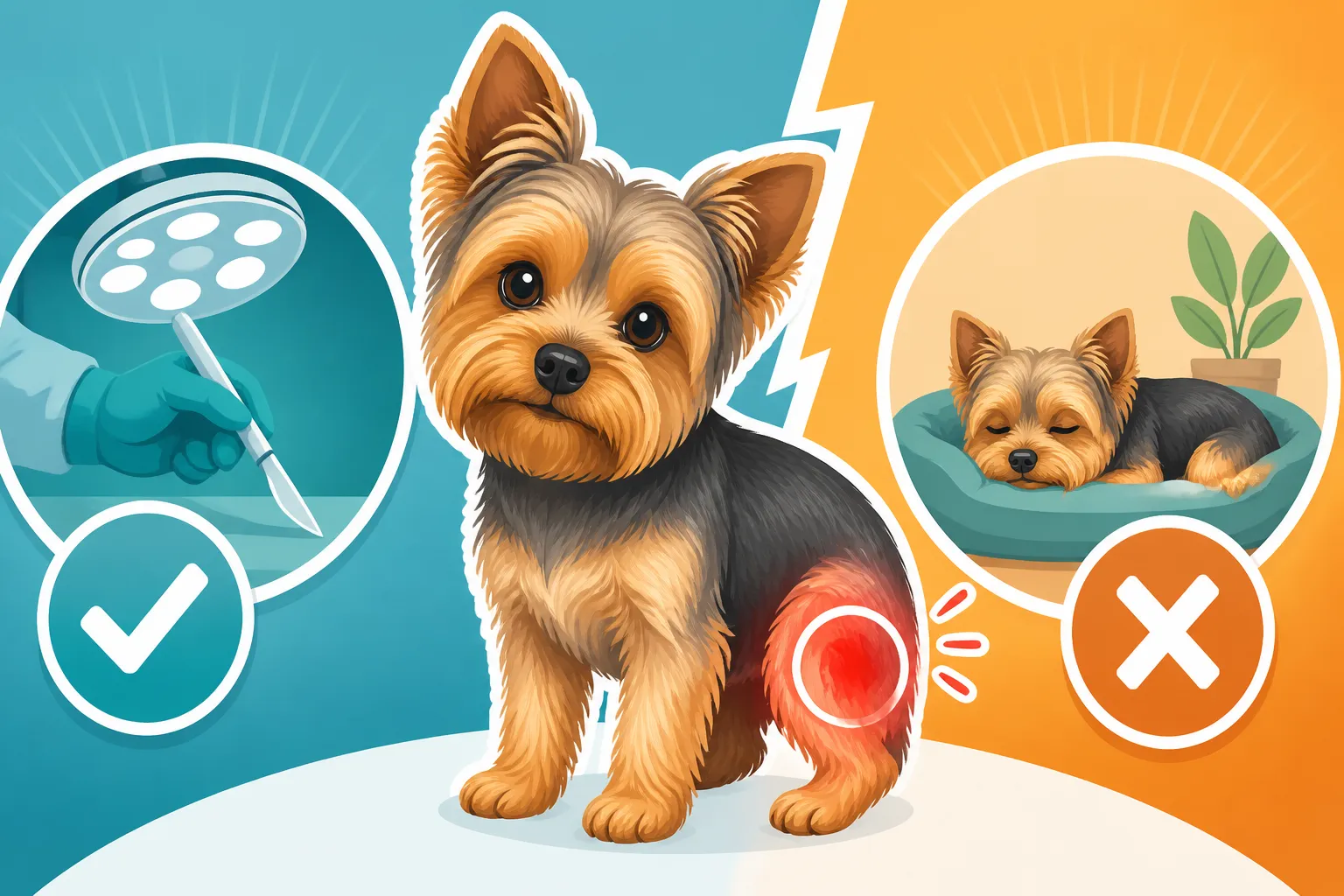
The "surgery or not" question is a deeply personal one, weighing your Yorkie's health, your emotional capacity, and practical considerations. There's no single right answer for every dog, and what works for one Yorkie might not be suitable for another.
Factors to Weigh in Your Decision
When considering surgery for your Yorkie's luxating patella, several factors come into play:
- Severity of Luxation: As per the grading system, Grade 1 often responds well to conservative management, while Grade 3 and 4 almost always require surgery for a good quality of life. Grade 2 is the grey area where the decision often hinges on other factors.
- Pain and Quality of Life: Is your Yorkie in chronic pain? Are they unable to enjoy walks, play, or their usual activities? If their quality of life is significantly impacted, surgery becomes a stronger consideration. Observing How to Tell If a Yorkie Is in Pain can guide your assessment.
- Age and Overall Health: A younger, otherwise healthy Yorkie generally recovers better from surgery. An older Yorkie with other health issues might have higher anesthetic risks or a slower recovery, making conservative management more appealing if possible.
- Progression of the Condition: If a Grade 1 or 2 luxation is worsening despite conservative efforts, or if X-rays show progressive arthritis, surgery might be recommended to prevent further degeneration.
- Your Lifestyle and Commitment: Surgical recovery requires a significant commitment to restricted activity, medication, and possibly physical therapy. You need to be able to provide the necessary care during this period.
It's a lot to think about, and it's perfectly normal to feel overwhelmed. Your vet is your best resource for talking through these points specifically for your Yorkie.
The Importance of a Specialist's Opinion
For conditions like luxating patella, especially if surgery is on the table, seeking a second opinion from a board-certified veterinary orthopedic surgeon can be incredibly valuable. These specialists have advanced training and experience in complex orthopedic procedures. They can offer a deeper assessment, confirm the diagnosis, and explain the surgical options in detail, giving you peace of mind and confidence in your decision.
A specialist might suggest a surgical approach your primary vet hadn't considered or provide a more nuanced prognosis. They can also perform the surgery, ensuring your Yorkie receives care from someone who performs these procedures routinely. Don't hesitate to ask your regular vet for a referral if you're considering surgery.
Financial Considerations and Pet Insurance
Let's be realistic: veterinary care, especially orthopedic surgery, can be expensive. Luxating patella surgery can range from $1,500 to $5,000 per knee, sometimes more, depending on the severity, the specific procedures needed, and the cost of living in your area (e.g., a surgery in a major city like Los Angeles will likely cost more than in a rural area in Ohio). This cost typically includes the surgeon's fees, anesthesia, hospital stay, post-operative medications, and follow-up X-rays.
This is where pet insurance can be a lifesaver. Companies like Healthy Paws offer comprehensive accident and illness plans that can cover a significant portion of these costs. If you have pet insurance, check your policy details for coverage on orthopedic conditions, especially if it's a pre-existing condition. Some plans might have waiting periods for orthopedic issues, so it's always best to enroll your Yorkie when they are young and healthy. Even if you don't have pet insurance, discussing payment plans with your vet clinic or exploring medical credit options like CareCredit can help make the financial burden more manageable. Planning for Yorkshire Terrier Vet Costs and Health Budget is crucial for any Yorkie owner.
Life After Treatment and Long-Term Care
Whether you opt for conservative management or surgery, managing luxating patella is an ongoing commitment. The goal is always to provide your Yorkie with the best possible quality of life, minimizing pain and maximizing mobility for as long as possible.
Ongoing Management and Monitoring
Even after a successful surgery or if your Yorkie is managed conservatively, regular veterinary check-ups are essential. Your vet will want to monitor their gait, joint health, and overall comfort. For surgically repaired knees, they'll check for any signs of re-luxation or implant issues. For those managed non-surgically, they'll assess for progression of arthritis or worsening luxation.
Keeping a close eye on your Yorkie at home is just as important. Pay attention to any changes in their activity level, appetite, or how they move. Are they limping more often? Do they seem less enthusiastic about walks? Are they holding up their leg? Early detection of new issues can lead to quicker intervention and better outcomes. Remember, conditions like Yorkshire Terrier Dental Disease: Signs and Care and other age-related issues can also impact their overall health as they get older, so regular check-ups cover all bases.
Preventing Recurrence and Supporting Joint Health
For Yorkies who've undergone surgery, adhering strictly to the post-operative physical therapy and activity restrictions is the best way to prevent re-luxation. Once cleared for more activity, ensure they maintain a healthy weight and continue with moderate, controlled exercise. Avoid rough play or activities that put undue stress on their knees.
For all Yorkies prone to luxating patella, continuous joint support is key. This might mean keeping them on joint supplements like glucosamine and chondroitin for life, as discussed earlier. Providing soft bedding, using ramps, and maintaining a non-slip home environment will also contribute significantly to their long-term joint health. Regular grooming also plays a role in overall well-being, as discussed in our Yorkshire Terrier Grooming Guide.
Prognosis and Quality of Life
The prognosis for Yorkies with luxating patella is generally good, especially with appropriate treatment. For those who undergo surgery, around 90-95% have an excellent or good outcome, with restored function and reduced pain. While a completely "normal" knee might not always be achievable, the improvement in quality of life is often dramatic. Dogs with Grade 4 luxation might have a more guarded prognosis, but surgery can still offer significant pain relief.
For Yorkies managed conservatively, the prognosis depends heavily on the grade of luxation and how diligently management strategies are followed. Many Grade 1 and even some Grade 2 Yorkies can live long, happy, and comfortable lives without surgery, provided their condition is carefully monitored and managed. Regardless of the path you choose, remember that your dedication to their care is the most important factor in ensuring your Yorkie enjoys a full and happy life.
Disclaimer
This article is intended for informational purposes only and does not constitute medical advice. Always consult with a qualified veterinarian or veterinary specialist for any health concerns or before making any decisions about your pet's medical care.