Yorkie Red Eyes: When to Worry
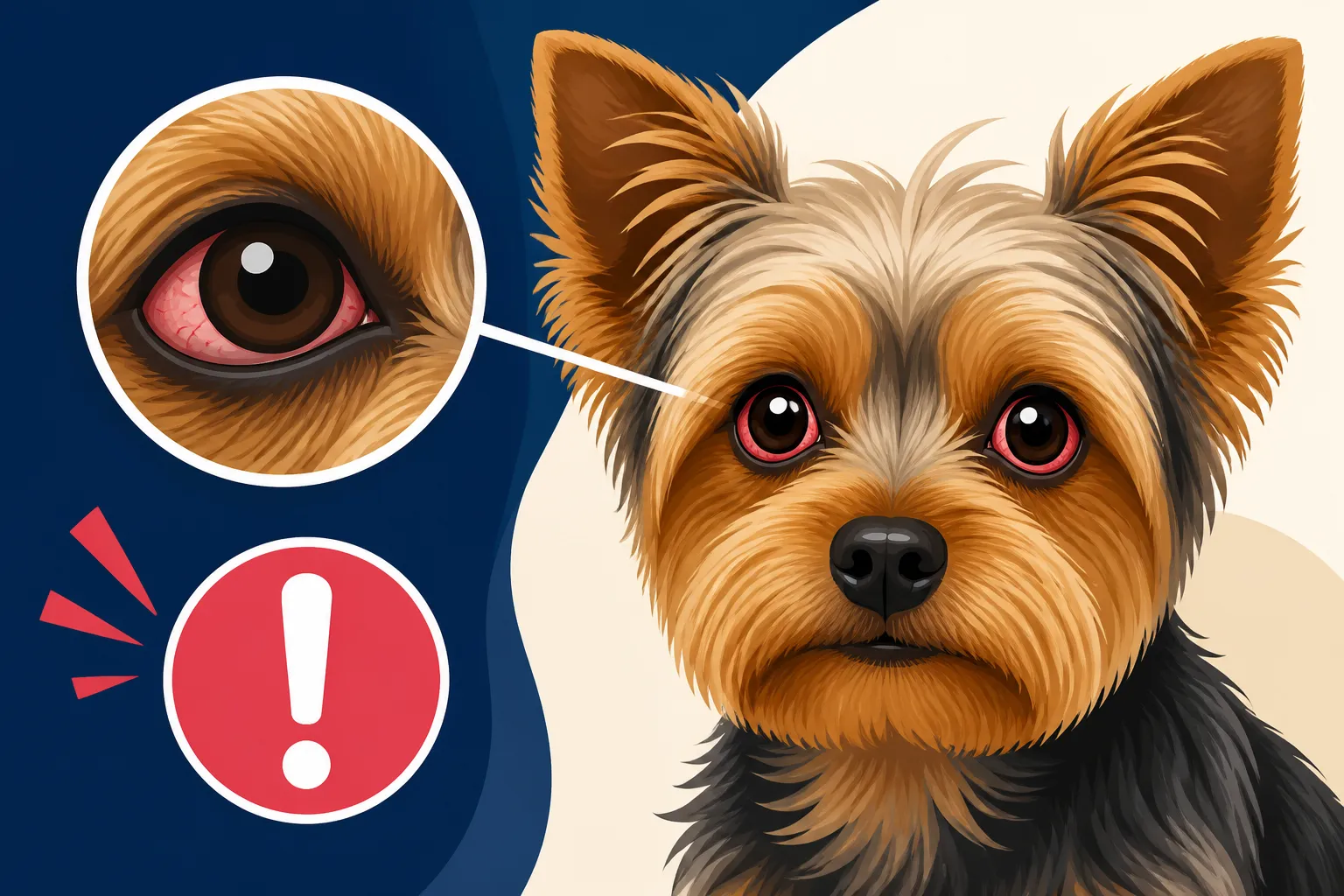
Seeing your precious Yorkshire Terrier's eyes suddenly turn red can be incredibly alarming. One moment they're looking up at you with those sweet, expressive dark eyes, and the next, you notice a distinct redness, perhaps accompanied by squinting, discharge, or incessant pawing at their face. It’s a common worry among Yorkie parents, and it instantly makes you wonder: is it just an irritant, or is something more serious going on? This comprehensive guide will walk you through the various reasons your Yorkie might have red eyes, help you understand when it’s time to head to the vet, and empower you with knowledge about prevention and care.
Understanding Why Your Yorkie's Eyes Might Be Red
Yorkies, despite their small size, are quite robust, but their delicate eyes can be prone to various issues. Redness is often the first visual cue that something is amiss. It’s important to remember that the eye is a complex organ, and redness is a non-specific symptom, meaning it can indicate a wide range of underlying problems, from the very minor to the profoundly serious. Don't panic, but do observe carefully.
Common Environmental Irritants and Allergies
Just like us, our little Yorkies can react to things in their environment. A slight redness might be nothing more than a temporary irritation from something harmless, but persistent redness could point to an allergy.
Imagine a breezy day at the dog park, or even just a particularly dusty corner of your living room. A tiny speck of dust, a stray hair, a bit of pollen, or even a gust of wind can easily irritate a Yorkie's eye, leading to a temporary flush of red. Their eyes are close to the ground, making them more susceptible to picking up debris. You might notice them rubbing their face on the carpet or pawing at their eye. This often resolves on its own once the irritant is gone. However, if the redness doesn't subside within a few hours, or if your Yorkie seems uncomfortable, it warrants closer inspection.
Allergies are another common culprit. Yorkies can be prone to environmental allergies, much like their human companions. If your Yorkie's eyes are frequently red, especially during certain seasons, or if the redness is accompanied by other symptoms like excessive scratching, sneezing, or skin irritation, allergies could be the issue. They might be reacting to pollen, certain cleaning products used in your home, dust mites, or even components in their food. Pinpointing the exact allergen can be tricky and often requires a vet's help, but understanding the pattern can give you clues. For more insights into how these little dogs are affected, you can read about Yorkshire Terrier Health Problems to Know
Minor Injuries and Foreign Objects
Given their curious nature and proximity to the ground, minor eye injuries are unfortunately not uncommon for Yorkies. A playful romp through the bushes, a clumsy bump against furniture, or a rough-and-tumble play session with another pet can all lead to eye trauma.
Think about your Yorkie excitedly sniffing around the garden. A sharp twig, a thorny rose bush, or even just a blade of grass can scratch the delicate surface of the cornea. Sometimes, a tiny foreign object, like a piece of grit, a small seed, or even one of their own eyelashes, can get lodged in the eye, causing severe irritation and redness. If you suspect a foreign object, you might see your Yorkie squinting, tearing excessively, or trying to rub their eye constantly. The eye might appear cloudy, or you might even be able to spot the object if it's large enough. It’s vital to resist the urge to remove it yourself, as you could cause more damage. This is a situation where prompt veterinary attention is crucial, as even a minor scratch can become infected if not treated properly.
Breed-Specific Predispositions
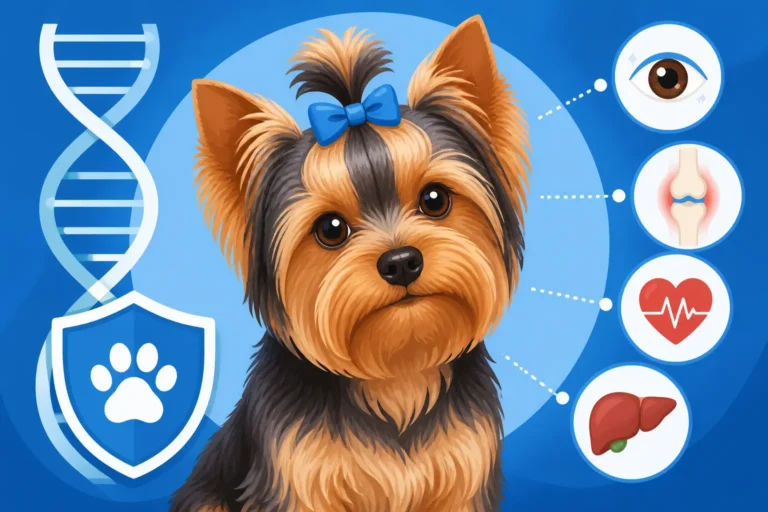
Yorkshire Terriers, like many purebred dogs, have certain genetic predispositions that can affect their eyes. Their adorable, often long facial hair, while characteristic, can sometimes contribute to eye problems if not properly managed.
One common issue is distichiasis or ectopic cilia, where eyelashes grow in abnormal locations, irritating the eye's surface. Another is trichiasis, where normally growing eyelashes or facial hairs turn inward and rub against the cornea. Both can cause chronic irritation, redness, and excessive tearing. Additionally, conditions like Yorkie Dry Eye Management are prevalent. This occurs when the tear glands don't produce enough tears to keep the eye lubricated, leading to chronic irritation, redness, and a thick, often yellowish discharge. It's a frustrating condition because it causes discomfort and can lead to more serious complications if left untreated. Understanding these breed-specific tendencies helps you be more vigilant and aware of what to look out for.
When Red Eyes Signal a Serious Problem
While some red eye causes are minor, others are signs of serious underlying health issues that require immediate veterinary intervention. Ignoring these symptoms can lead to permanent damage, vision loss, or even systemic health problems. Knowing the difference can literally save your Yorkie’s eyesight.
Identifying Accompanying Symptoms
Red eyes rarely occur in isolation when a serious problem is brewing. It’s often a cluster of symptoms that paints a clearer picture of the severity of the situation. Your observational skills are your first line of defense.
Look closely at your Yorkie's overall demeanor and any changes in their eye itself. Is there any discharge? What color is it – clear, white, yellow, or greenish? Is it thick or watery? Clear, watery discharge might suggest allergies or a mild irritant, while thick, colored discharge often points to an infection. Is your Yorkie squinting, blinking excessively, or holding one eye shut? This indicates pain or discomfort. Do they seem sensitive to light? This is known as photophobia and is a classic sign of severe eye pain. Is the eye cloudy, or do you notice any changes in the pupil size or shape? Are they rubbing their face on furniture or pawing at their eye more than usual? Beyond the eye itself, consider if your Yorkie is showing any other signs of illness, such as lethargy, loss of appetite, fever, or changes in their drinking or urination habits. If you notice any of these accompanying symptoms, especially if they appear suddenly or are severe, it's a strong indication that you need to contact your vet immediately. Checking for other indicators is crucial, as highlighted in "Signs Your Yorkshire Terrier Is Sick".
Conditions Requiring Immediate Veterinary Attention
Some eye conditions in Yorkies are emergencies that cannot wait. Acting quickly can prevent irreversible damage.
One of the most concerning conditions is corneal ulceration, which is an open sore on the surface of the eye. This can result from trauma, a foreign body, or even severe dry eye. Symptoms include intense redness, severe pain (squinting, pawing), excessive tearing, and often a cloudy appearance to the eye. Untreated, ulcers can deepen, become infected, and even lead to eye rupture. Another serious issue is glaucoma, a condition where pressure builds up inside the eye, causing pain and rapid vision loss. The eye might appear red, cloudy, dilated, and feel hard to the touch. Glaucoma is extremely painful and can lead to permanent blindness within hours if not treated.
Less common but still critical are conditions like uveitis, inflammation inside the eye, which can cause redness, pain, and a constricted pupil. In some cases, systemic illnesses, such as certain viral or bacterial infections, or even autoimmune diseases, can manifest with red eyes as one of their symptoms. If your Yorkie’s eye is bulging, this could be a proptosis, a traumatic emergency, especially in brachycephalic (short-nosed) breeds, though less common in Yorkies. When in doubt, it’s always better to err on the side of caution and consult with your veterinarian. This guidance aligns with "When to Take Your Yorkie to the Vet".
The Importance of Timely Diagnosis
When it comes to eye health, time is often of the essence. Delaying a veterinary visit for a serious eye condition can have profound and lasting consequences.
Unlike some other ailments, many eye problems can progress very rapidly. What starts as a minor irritation can quickly escalate to a severe infection or a deep ulcer if not addressed. For conditions like glaucoma, every hour without treatment can mean irreversible vision loss. A veterinarian has the specialized tools and expertise to perform a thorough eye examination. They can use a fluorescein stain to check for corneal ulcers, measure eye pressure for glaucoma, and examine the internal structures of the eye with an ophthalmoscope. Without this professional assessment, you're essentially guessing, and that’s a gamble you simply cannot afford to take with your beloved Yorkie's eyesight. Early diagnosis allows for prompt, targeted treatment, which significantly improves the chances of a full recovery and preserves your Yorkie's vision.
| Symptom | Possible Cause (Minor) | Possible Cause (Serious) | When to See Vet |
|---|---|---|---|
| Redness Only | Dust, minor irritation, mild allergy | Early conjunctivitis, dry eye | If persistent >12-24 hrs, or worsens |
| Redness + Discharge (Clear/Watery) | Allergies, mild irritant, foreign body | Early infection, dry eye, corneal scratch | If persistent, thickens, or pain present |
| Redness + Discharge (Thick/Colored) | — | Bacterial/viral infection, severe dry eye | Immediately |
| Redness + Squinting/Paw-rubbing | Foreign object, severe irritation | Corneal ulcer, glaucoma, uveitis | Immediately |
| Redness + Cloudiness | Mild irritation, minor scratch | Corneal ulcer, glaucoma, severe infection | Immediately |
| Redness + Swelling | Bug bite, allergic reaction | Orbital cellulitis, trauma | Urgently (same day) |
| Redness + Vision Change | — | Glaucoma, retinal detachment, cataract | Immediately |
| Redness + Bulging Eye | — | Trauma (proptosis), tumor | Emergency (ER Vet) |
At-Home Care and Prevention Strategies
While serious red eye conditions need a vet, there are many things you can do at home to prevent minor irritations and support overall eye health. A proactive approach is always the best defense for your Yorkie.
Gentle Cleaning and Eye Hygiene
Regular, gentle eye cleaning is fundamental to preventing many common irritations. Yorkies, with their long facial hair, are particularly prone to tear staining and collecting debris around their eyes.
Make it a daily ritual to gently clean around your Yorkie's eyes. You can use a soft, damp cloth, a cotton ball, or a specialized canine eye wipe. Always wipe away from the eye, from the inner corner outwards, using a fresh part of the cloth or a new cotton ball for each eye to prevent cross-contamination. This helps remove tear stains, crusts, and any loose debris that could potentially get into the eye and cause irritation. For particularly stubborn tear stains, there are safe, vet-approved Best Eye Cleaner for Yorkies available. Be incredibly gentle; the eye area is very sensitive. If you notice persistent discharge even after cleaning, or if the eye looks irritated, it's a sign to schedule a vet visit. Regular grooming, including trimming the hair around their eyes, is also crucial to prevent hair from poking or irritating the delicate eye surface. This proactive approach is a huge part of How to Keep a Yorkshire Terrier Healthy.
Environmental Modifications to Reduce Irritants
Creating a safe and clean environment for your Yorkie can go a long way in preventing eye problems. Think about what your Yorkie encounters on a daily basis and how you can minimize potential irritants.
Consider the products you use in your home. Harsh chemical cleaners, strong air fresheners, or even certain scented candles can release airborne particles that might irritate your Yorkie's sensitive eyes. Opt for pet-safe cleaning products and ensure good ventilation when cleaning. Dust and dander are also common irritants and allergens; regular vacuuming and dusting, especially in areas where your Yorkie spends a lot of time, can make a big difference. If your Yorkie sleeps on your bed or furniture, make sure their bedding is washed regularly. When you're out and about, be mindful of environments with high winds, dust, or tall grasses. For car rides, avoid letting your Yorkie hang their head out the window, as debris and wind can cause serious eye injuries. Some Yorkie parents even opt for doggie goggles in such situations! Minimizing exposure to known allergens, if your Yorkie has them, will also contribute significantly to reducing red eyes and other symptoms, as covered in Yorkie Allergies: Signs and Relief.
Regular Veterinary Check-ups
Even if your Yorkie seems perfectly healthy, routine veterinary check-ups are an indispensable part of preventative care for their eyes and overall well-being. These visits are not just for when something goes wrong.
During annual wellness exams, your veterinarian will perform a general eye assessment. They might check for basic eye reflexes, look for any signs of abnormalities, and discuss any concerns you might have noticed. These routine check-ups are an opportunity for your vet to catch subtle changes or early signs of problems that might not be obvious to you. For example, they might spot early indications of dry eye or suggest a specific grooming regimen to prevent eye irritation from facial hair. Discussing your Yorkie's diet, exercise, and any behavioral changes with your vet during these visits can also shed light on potential health issues, including those that might affect their eyes. Establishing a good relationship with your vet and having them regularly monitor your Yorkie’s health, including their eyes, is paramount to ensuring a long and happy life for your furry friend. When unexpected vet visits come up, it's also smart to be prepared, as explored in Pet Insurance for Yorkshire Terriers.
Navigating Veterinary Treatment Options
If your Yorkie's red eyes turn out to be more than a minor irritation, your veterinarian will guide you through the necessary diagnostic steps and treatment plans. It’s a journey that can sometimes involve a bit of detective work and specialized care.
Diagnostic Tests Your Vet Might Perform
When you bring your Yorkie in with red eyes, your vet will start with a thorough physical examination, which includes a detailed look at the eyes. They won't just glance; they'll use specific tools and tests to pinpoint the problem.
One of the first tests is often a fluorescein stain test. A harmless orange dye is applied to the eye, and under a special blue light, any corneal abrasions or ulcers will glow bright green. This test is quick, painless, and crucial for diagnosing one of the most common serious causes of red eyes. Next, your vet might perform a Schirmer Tear Test to measure tear production, especially if dry eye is suspected. A small strip of paper is placed under the eyelid for a minute, and the amount of moisture it absorbs indicates how many tears your Yorkie is producing. To check for glaucoma, an intraocular pressure (IOP) measurement will be done using a tonometer. This device gently touches the surface of the eye to measure the pressure within. If infection is suspected, your vet might take a swab of the eye discharge for cytology (examining cells under a microscope) or culture (growing bacteria to identify them and determine sensitivity to antibiotics). In some complex cases, they might refer you to a veterinary ophthalmologist for more advanced imaging or diagnostic procedures, especially if they suspect conditions like Yorkshire Terrier Cataracts: Signs and Treatment.
Medical and Surgical Interventions
Once a diagnosis is made, your vet will discuss the appropriate treatment options. These can range from simple topical medications to more complex surgical procedures, depending on the severity and nature of the condition.
For bacterial infections, topical antibiotic eye drops or ointments are commonly prescribed. If the redness is due to allergies, anti-inflammatory drops or oral antihistamines might be used. Dry eye often requires lifelong treatment with tear-stimulating medications like cyclosporine or tacrolimus, along with artificial tears to keep the eyes moist. Corneal ulcers are typically treated with antibiotic drops to prevent infection, pain medication, and sometimes serum eye drops made from your dog's own blood to promote healing. In severe cases of deep ulcers or those not responding to medical therapy, surgery might be necessary to repair the cornea. Glaucoma is treated with a combination of eye drops to reduce pressure, and in severe or unresponsive cases, surgical options like laser treatment or even eye removal might be considered to alleviate pain. While these treatments can sound intimidating, remember that they are aimed at preserving your Yorkie's vision and comfort.
Post-Treatment Care and Monitoring
The treatment doesn't stop when you leave the vet's office. Proper post-treatment care at home is just as vital to ensure a successful recovery and prevent recurrence.
Your vet will give you detailed instructions on how to administer medications – how often, how much, and for how long. It’s absolutely crucial to follow these instructions precisely, even if your Yorkie’s eyes seem to be improving. Stopping medication too early, particularly antibiotics, can lead to a relapse or antibiotic resistance. You might also need to keep a close eye on your Yorkie, monitoring for any changes, improvements, or worsening of symptoms. They might need to wear an Elizabethan collar (e-collar or "cone") to prevent them from rubbing or scratching their eyes, which could dislodge stitches or worsen an injury. You’ll likely have follow-up appointments so your vet can reassess the eye, ensure healing is progressing, and adjust medications if necessary. For chronic conditions like dry eye, treatment will be ongoing, meaning you’ll need to consistently administer drops and monitor your Yorkie’s comfort. It’s an investment of time and effort, but seeing your Yorkie comfortable and clear-eyed again is always worth it. Understanding the financial aspect of managing conditions is also helpful, as discussed in Yorkshire Terrier Vet Costs and Health Budget.
Disclaimer
The information provided in this article is for general informational purposes only and is not intended to be a substitute for professional veterinary advice, diagnosis, or treatment. Always seek the advice of your veterinarian or other qualified health provider with any questions you may have regarding a medical condition for your Yorkshire Terrier. Never disregard professional veterinary advice or delay in seeking it because of something you have read in this article.