Yorkie Excessive Licking: When to Worry
It can be incredibly unsettling when you notice your beloved Yorkshire Terrier engaging in constant, obsessive licking. You find yourself wondering, is this just a quirky habit, or is something deeper going on? This guide is here to help you understand the nuances of Yorkie licking behavior, distinguishing between normal self-grooming and the red flags that warrant a trip to the vet, offering you peace of mind and actionable steps.
Understanding Normal Yorkie Licking Behaviors
Let's start by normalizing some of the licking behaviors you might observe in your Yorkie. These little dogs, full of personality, communicate and interact with their world in various ways, and licking is definitely one of them. It's often harmless, a natural part of being a dog.
Self-Grooming and Exploration
Just like us, dogs have personal hygiene routines, and for Yorkies, with their flowing, silky coats, this often involves a fair bit of licking. They'll tidy up their paws after a walk, smooth down their fur, or even lick their lips after a particularly tasty treat. This is entirely normal. Beyond grooming, licking is also a primary way dogs explore their environment. Their sense of taste and smell is far more developed than ours, and a quick lick can tell them a lot about an object, a new scent on the carpet, or even the residue from a dropped crumb under the sofa.
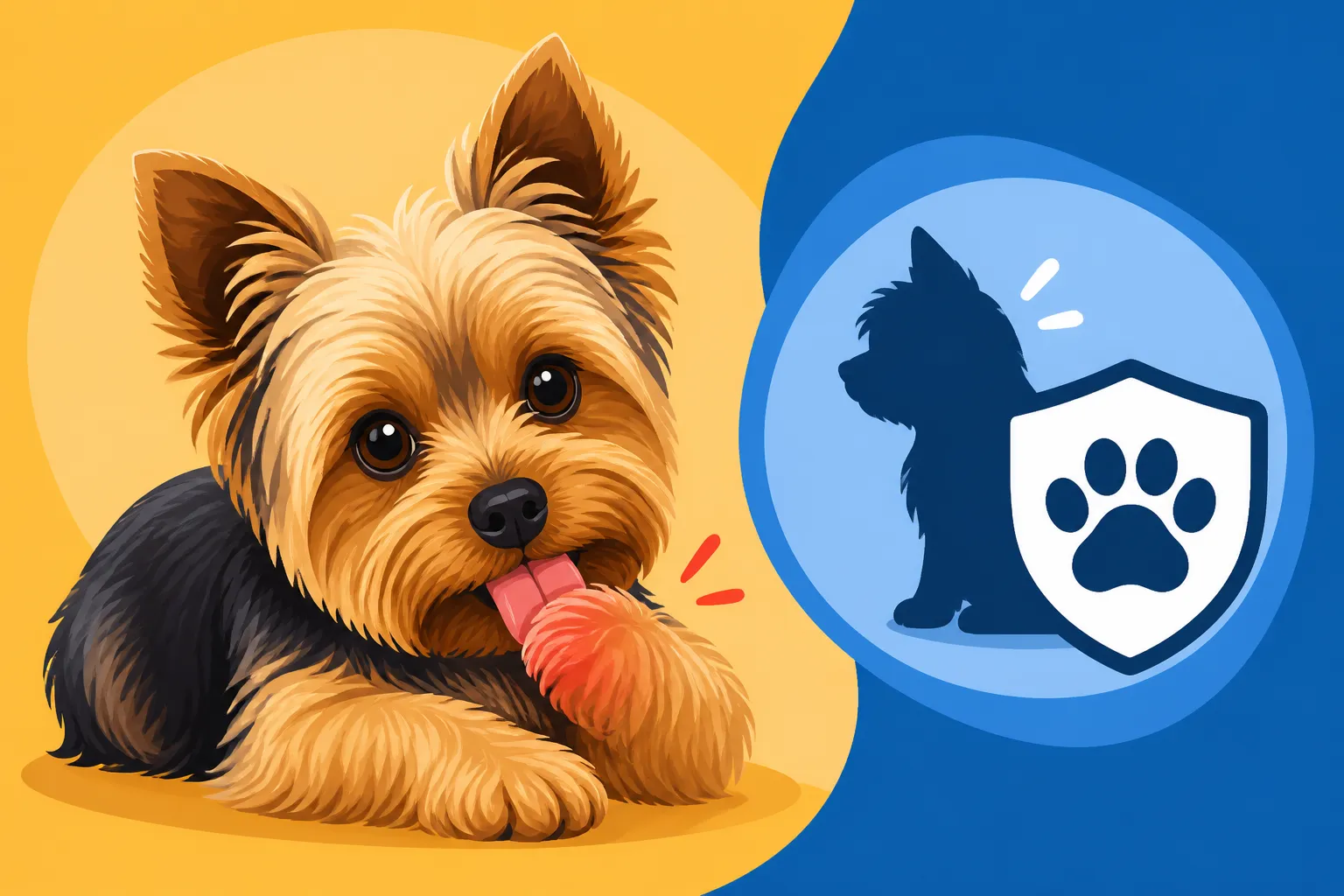
For example, after a romp in the backyard, it’s common to see your Yorkie meticulously licking their paws to remove any grass, dirt, or tiny bits of debris that might have gotten stuck between their paw pads. Or, if they encounter a new blanket or a piece of furniture, they might give it a tentative lick to get a "taste" of its texture and scent. This isn't usually a cause for concern unless the licking becomes prolonged, focused on one spot, or leads to irritation. They're just being dogs, experiencing their world through their mouths and tongues.
Affection and Communication
Yorkies are renowned for being affectionate companions, and they often express this love through licking. A little lick on your hand, face, or arm is often referred to as a "doggy kiss" and is a clear sign that they care about you and see you as part of their pack. This is a bonding behavior, a way for them to show warmth and solicit attention from their favorite humans.
Beyond showing affection to their owners, Yorkies also use licking as a form of social communication with other dogs. A submissive lick to a more dominant dog, or a friendly greeting lick to a playmate, helps establish their place in the hierarchy and maintain social harmony. If your Yorkie gives you a quick lick when you walk through the door, or nudges their head into your hand for a lick when they want a pat, consider it a compliment. It's a sweet, natural interaction that most pet parents cherish. These types of licking are usually short-lived, responsive to interaction, and don't cause any physical harm.
Stress or Anxiety Relief
Sometimes, licking can be a coping mechanism for stress or mild anxiety. When a Yorkie feels a bit overwhelmed, under-stimulated, or even slightly bored, repetitive licking can be a self-soothing action. It’s their way of trying to calm themselves down, much like a person might bite their nails or twirl their hair when feeling antsy. This isn't necessarily a sign of a serious underlying problem if it's intermittent and doesn't lead to self-harm.
For instance, you might notice your Yorkie licking their paws or a nearby blanket during a thunderstorm, or when there’s a lot of commotion in the house. This kind of licking is a way for them to channel their nervous energy and find a bit of comfort. It's important to distinguish this from true separation anxiety, where the licking is incessant, and often accompanied by other destructive behaviors, whining, or pacing. If it's a mild, temporary reaction to a stressful situation, providing a safe, quiet space or a comforting presence can often alleviate the need for this self-soothing behavior.
When Excessive Licking Becomes a Red Flag
While some licking is perfectly normal, there's a definite line where it crosses into "excessive" territory and signals that something might be amiss. This is when your intuition as a pet parent kicks in, and you start to feel that gnawing worry that this isn't just a quirky habit anymore. It's crucial to pay attention to the intensity, frequency, and location of the licking, as these can provide vital clues to an underlying issue.
Physical Causes and Pain
A significant portion of excessive licking stems from physical discomfort or pain. Your Yorkie can't tell you in words that their paw hurts or their stomach is upset, so they resort to licking the affected area, or licking generally due to nausea.
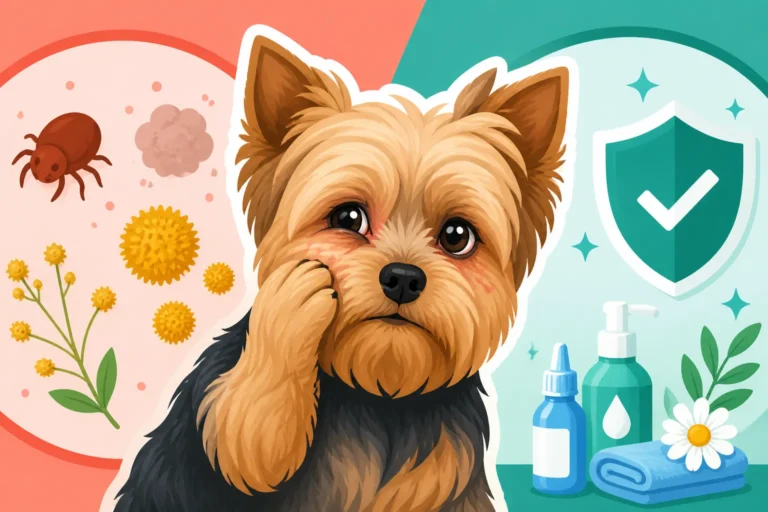
One of the most common culprits is allergies. Just like people, Yorkies can suffer from environmental allergies (pollen, dust mites) or food allergies (often to proteins like chicken, beef, or dairy). These allergies manifest as intense itchiness, leading to persistent licking of paws, flanks, or ears. If you notice your Yorkie constantly scratching and licking, especially their feet, it could be a sign of Yorkshire Terrier Allergies: Signs and Relief. Another frequent issue is skin problems, such as dermatitis, hot spots (raw, irritated skin patches that develop rapidly from licking), dry skin, or fungal and bacterial infections. These conditions create immense discomfort, driving your Yorkie to lick incessantly, often creating a vicious cycle where licking worsens the irritation. If you're seeing redness, rashes, or hair loss along with the licking, it's definitely time to explore Yorkie Skin Problems and Solutions.
Dental pain is another sneaky cause. A painful tooth, gum inflammation, or severe Yorkshire Terrier Dental Disease: Signs and Care can make your Yorkie lick around their mouth, drool, or rub their face. If you also notice bad breath, or they're reluctant to eat hard kibble, you might be dealing with a painful oral issue. Make sure to check out our guide on Yorkshire Terrier Dental Care Guide. Beyond that, joint pain or injury, such as from arthritis or Yorkshire Terrier Patellar Luxation: Signs and Care, can lead to localized licking of a specific joint or limb. If your Yorkie is limping or favoring a leg while also licking that area, pain is highly likely. Even gastrointestinal upset, like nausea, can cause a Yorkie to lick the air, surfaces, or themselves excessively, sometimes accompanied by gulping or repeated swallowing. This can sometimes precede Why Is My Yorkie Vomiting. Don't forget anal gland issues; if these tiny glands become impacted or infected, your Yorkie will often lick or scoot their rear end excessively. And finally, parasites like fleas or mites, or even a urinary tract infection (UTI), can cause intense itching or discomfort leading to focused licking of the affected areas.
Behavioral and Psychological Factors
Sometimes, the cause of excessive licking isn't physical but rather rooted in your Yorkie's mental or emotional state. These issues can be just as distressing for both you and your furry friend.
Obsessive-Compulsive Disorder (OCD) in dogs, while not identical to human OCD, involves repetitive, ritualistic behaviors that are difficult to interrupt. Excessive licking is a common manifestation, often focused on a specific body part, like a paw or flank, even to the point of causing skin lesions or hair loss. This isn't just a casual lick; it's an intense, driven behavior that seems to consume them. It's heartbreaking to witness, and definitely requires professional intervention to help manage.
Severe separation anxiety is another significant behavioral contributor. Yorkies are very attached to their people, and when left alone, some can develop intense anxiety. Licking, often of their paws or a blanket, becomes a constant self-soothing mechanism to cope with the stress of being separated. This kind of licking typically occurs when you're away and might be noticed through cameras or by the condition of their paws when you return. Our article on Yorkshire Terrier Separation Anxiety Solutions offers more insights into managing this challenging condition. Lastly, plain old boredom or lack of mental and physical stimulation can drive a Yorkie to lick excessively. If they don't have enough to do, whether it's walks, playtime, or puzzle toys, they might resort to licking as a way to pass the time. It can also be a learned attention-seeking behavior. If your Yorkie licks, and you immediately respond, even by saying "no" or pushing them away, they might learn that licking gets your attention, reinforcing the behavior.
Investigating the Licking: What You Can Do at Home
When you first notice your Yorkie's excessive licking, a little detective work at home can provide invaluable information for your vet and sometimes even help resolve minor issues. Don't underestimate your power of observation; you know your dog best.
Observe and Document
This step is absolutely critical. Before you even think about calling the vet, start a small journal or a note on your phone to track the licking. Ask yourself:
- When does the licking happen? Is it only at night, after meals, when you leave the house, or constantly throughout the day?
- How long does each episode last? A few minutes, or hours?
- Where is the licking focused? Is it a specific paw, their belly, around their mouth, or more generalized?
- Are there any other accompanying symptoms? Look for redness, swelling, limping, whining, changes in appetite, thirst, bathroom habits, or even changes in their mood.
- What was happening right before the licking started? Did they just eat a new food? Go outside? Did a loud noise occur?
For example, if you notice your Yorkie only licks their paws intensely after a walk in the park, it might point to environmental allergies or something picked up from the ground. If they lick their lips and swallow frequently right before mealtime, it could signal nausea. This detailed information will be incredibly helpful for your veterinarian when they're trying to diagnose the root cause, and remember that pet insurance providers like Healthy Paws appreciate detailed records should a claim arise for diagnostics and treatment.
Basic Home Checks
With your observations in mind, you can perform some gentle at-home checks. Always approach your Yorkie calmly and stop if they show any signs of discomfort or aggression.
- Paws: Carefully examine their paws, one by one. Spread their toes apart and look for any foreign objects (like a tiny thorn or a piece of glass), cuts, redness, swelling, blisters, or unusual growths. Also, check for overgrown nails that might be causing discomfort.
- Skin and Coat: Gently part their fur all over their body. Look for fleas (flea dirt looks like tiny black specks that turn reddish-brown when wet), ticks, rashes, red spots, dry or flaky skin, scabs, or areas where hair loss is occurring. Pay close attention to areas your Yorkie frequently licks. Our guide on Yorkie Skin Problems and Solutions has more insights.
- Ears: Lift their ear flaps and sniff. Is there any redness, swelling, discharge (black, brown, yellow), or a foul odor? This could indicate an ear infection. For more information, read Yorkie Ear Infections: Prevention.
- Mouth: If your Yorkie allows, gently lift their lips and examine their gums (they should be pink, not red or pale), teeth (look for tartar buildup, broken teeth, or missing teeth), and tongue. Any signs of bad breath are worth noting; our article on Yorkie Bad Breath: Causes and Fixes can help you identify concerning smells.
- Anal Area: Observe if there's any swelling, redness, or discharge around their anus. Excessive licking of this area, combined with "scooting" (dragging their bottom on the floor), can indicate anal gland issues.
Environmental Adjustments
For mild cases of licking linked to boredom or mild anxiety, a few environmental tweaks might make a difference.
First, ensure your Yorkie is getting adequate exercise and mental stimulation. Even though they are small, Yorkies need daily walks and playtime. Puzzle toys, interactive feeders, and short training sessions can engage their minds and tire them out in a healthy way. Refer to Yorkshire Terrier Exercise Needs for suitable activities. Second, if you suspect food allergies based on your observations, you might consider switching to a limited ingredient diet or a hypoallergenic food under veterinary guidance. Our guide on Best Dog Food for Yorkshire Terriers offers advice on choosing appropriate nutrition, especially for sensitive stomachs.
Finally, try to reduce stress factors. If your Yorkie is prone to anxiety during thunderstorms, create a cozy, quiet den for them. If the licking seems to be an attention-seeking behavior, try to ignore the licking itself (as long as it's not causing harm) and reward them with attention when they are calm and not licking. Consistency is key here.
When to Call the Vet: Don't Delay Professional Help
It's easy to dismiss a little extra licking, especially with small dogs like Yorkies who have such endearing personalities. However, knowing when to escalate your concerns to a professional can make all the difference in catching and treating potential health issues early. Don't ever feel like you're overreacting when it comes to your pet's well-being.
Urgent Signs for a Vet Visit
While some licking might resolve with simple home care, there are definite red flags that signal an immediate need for veterinary attention. If you observe any of the following, pick up the phone and schedule an appointment without delay:
- Sudden onset of intense licking: If your Yorkie suddenly starts licking obsessively without any prior history, especially if it's localized and persistent.
- Licking causing skin irritation, sores, or hair loss: This is a clear sign that the licking has become self-mutilating and is causing physical harm, indicating a serious underlying issue or a secondary infection.
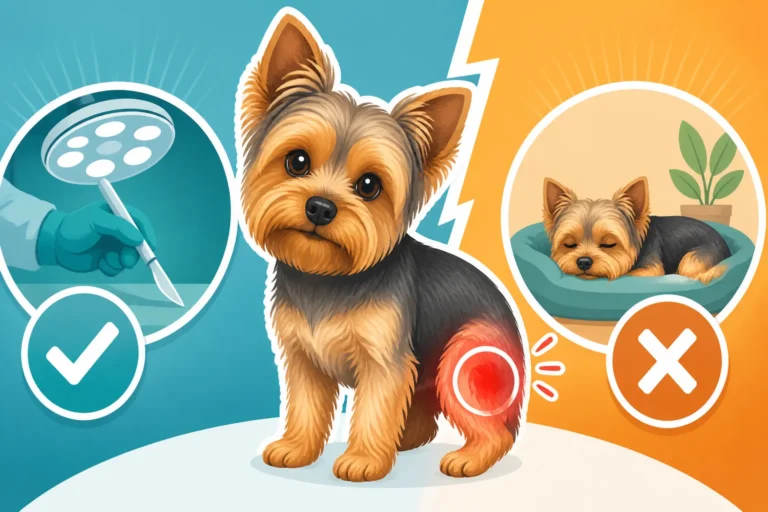
- Limping, whining, or obvious signs of pain: If the licking is focused on a limb or joint, and your Yorkie is also showing signs of discomfort or favoring that area, it's very likely they are in pain. Knowing How to Tell If a Yorkie Is in Pain is vital for any pet owner.
- Changes in appetite, thirst, or bathroom habits accompanying licking: These systemic signs suggest a more widespread problem, potentially affecting internal organs. For instance, increased thirst and frequent urination with genital licking could point to a severe UTI.
- Licking disrupts sleep or daily activities: If your Yorkie is so consumed by licking that it interferes with their ability to rest, eat, play, or interact normally, the behavior has become pathological.
- Any signs listed in Yorkie Emergency Symptoms to Never Ignore: This comprehensive guide covers many critical symptoms that should never be overlooked, and excessive licking, especially when coupled with other distress signals, definitely falls into this category.
The Veterinary Examination and Diagnosis
Once you bring your Yorkie to the vet, they'll perform a thorough examination. This isn't just a quick once-over; it's a systematic approach to pinpointing the cause of the excessive licking. The vet will start with a comprehensive physical exam, looking closely at the areas you've observed, and potentially others you might not have considered. They'll check for redness, swelling, lesions, parasites, and any signs of pain upon palpation.
Depending on their initial findings, they might recommend various diagnostic tests. These could include blood tests to check for systemic illnesses or inflammation, skin scrapings or fungal cultures to identify mites or yeast/bacterial infections, and allergy tests (either blood tests or intradermal skin tests) to uncover environmental or food sensitivities. If joint pain is suspected, X-rays might be necessary. For suspected UTIs, a urinalysis will be performed. If your Yorkie is licking surfaces or showing signs of nausea, the vet might explore gastrointestinal issues with imaging or further blood work. Remember, these diagnostic steps are crucial for getting an accurate diagnosis and an effective treatment plan. The costs associated with these investigations can add up, which is why many Yorkie parents find pet insurance, like a plan from Healthy Paws, to be a lifesaver when unexpected health issues arise. It can help cover eligible vet costs for everything from diagnostics to medications, providing peace of mind during stressful times. Understanding Yorkshire Terrier Vet Costs and Health Budget can also help you prepare for these possibilities.
Treatment Approaches
Once a diagnosis is made, your vet will tailor a treatment plan specifically for your Yorkie's condition. Treatment for excessive licking is as varied as its causes:
- Medication for pain, allergies, or infections: This could range from anti-inflammatory drugs for joint pain, antihistamines or corticosteroids for allergies, antibiotics for bacterial infections, or antifungals for yeast.
- Dietary changes for food allergies: If a food allergy is diagnosed, a strict elimination diet or a switch to a prescription hypoallergenic diet will be necessary to identify and remove the offending ingredient.
- Behavioral modification for anxiety or OCD: For psychological causes, the vet might recommend working with a veterinary behaviorist. This often involves a combination of environmental enrichment, counter-conditioning, desensitization techniques, and sometimes, anti-anxiety medication to help your Yorkie cope.
- Topical treatments for skin issues: Medicated shampoos, creams, or sprays can help soothe irritated skin, kill parasites, or treat localized infections. Elizabethan collars (e-collars, or "cones of shame") are often used temporarily to prevent further licking and allow the skin to heal.
- Environmental enrichment: Increasing physical exercise and mental stimulation can significantly reduce boredom and anxiety-driven licking. This might involve longer walks, more playtime, puzzle toys, and consistent training.
Early intervention is truly the key. Ignoring persistent licking can lead to chronic skin infections, deeper psychological issues, or the worsening of an underlying medical condition. Your vet is your best partner in ensuring your Yorkie lives a comfortable, happy, and healthy life.
| Licking Location | Common Causes | Serious/Worrying Causes | When to See the Vet (Red Flags) |
|---|---|---|---|
| Paws | Grooming, mild itch, exploration | Allergies, injury, infection, foreign object, joint pain | Constant, chewing, redness, swelling, limping, open sores |
| Flanks/Belly | Allergies, grooming | Skin infection, fleas/mites, internal pain (e.g., GI issue) | Redness, rash, hair loss, sores, accompanying lethargy |
| Genital Area | Routine cleaning | UTI, vaginal infection, bladder stones, anal gland issues | Frequent, intense, difficulty urinating, strong odor, swelling |
| Rear End | Routine cleaning | Anal gland impaction/infection, parasites, diarrhea irritation | Scooting, strong odor, swelling, pain when touched, pus |
| Air/Surfaces/Lips | Nausea, anxiety, attention-seeking | GI upset, dental pain, partial seizures, liver issues | Persistent, drooling, restlessness, vomiting, decreased appetite |
| Specific Joint/Limb | Minor itch, temporary discomfort | Arthritis, luxating patella, fracture, soft tissue injury | Limping, swelling, reluctance to move, whining, favoring limb |
Disclaimer
The information provided in this guide is for general informational purposes only and does not constitute veterinary advice. Always consult with a qualified veterinarian for any health concerns or before making any decisions about your pet's health or treatment plan.