How to Prevent Cataracts in Yorkies
The thought of our precious Yorkshire Terriers losing their sight is a heartbreaking one, and cataracts are a common culprit that can steal their bright vision. It’s a frustrating reality that some health issues feel out of our hands, but when it comes to cataracts, there are tangible steps we can take. This guide is dedicated to empowering you with practical, actionable strategies to understand, reduce the risk, and potentially delay the onset of cataracts in your beloved Yorkie.
Understanding Yorkie Cataracts and Why Prevention is Key
It’s easy to dismiss a slight cloudiness in your Yorkie’s eyes as just a sign of aging, but understanding what a cataract truly is and why it forms is the first step in effective prevention. Yorkies, being a breed known for several specific health predispositions, require our careful attention, especially when it comes to their vision.
What Exactly Are Cataracts in Yorkies?
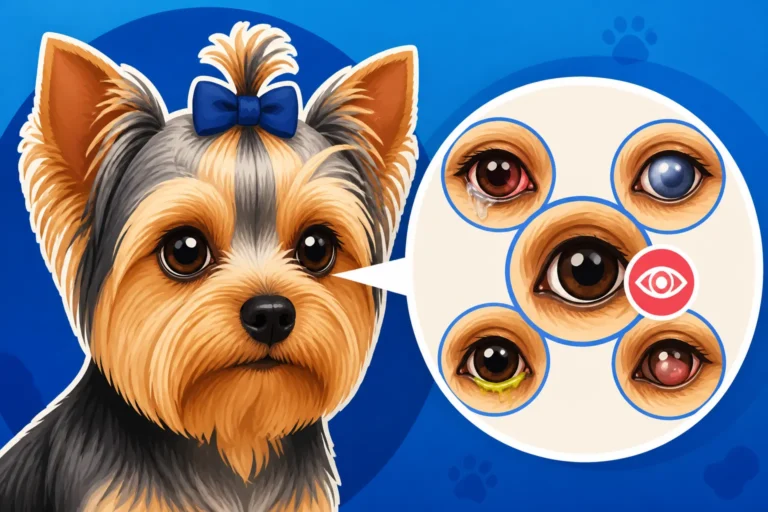
A cataract is, quite simply, a clouding of the eye's natural lens. Think of your dog's eye lens like a tiny, clear window that focuses light onto the retina, allowing them to see clearly. When a cataract forms, proteins within the lens clump together, turning this clear window opaque or cloudy. This cloudiness can range from a tiny, almost unnoticeable spot to a dense, milky white or bluish mass that covers the entire lens.
As the cataract progresses, it blocks more and more light, making vision blurry, hazy, and eventually leading to significant vision impairment or even complete blindness. It’s not just an aesthetic change; it profoundly impacts your Yorkie's ability to navigate their world, recognize you, and enjoy their favorite activities. It's important to distinguish cataracts from nuclear sclerosis, which is a bluish haze that often develops in the eyes of older dogs (typically over six years old). While nuclear sclerosis can slightly diminish vision, it usually doesn't cause significant problems like cataracts do. Your vet can easily tell the difference during an eye exam.
Primary Causes and Risk Factors for Yorkie Cataracts
While we often associate cataracts with old age, there's a lot more to the story, especially for breeds like the Yorkshire Terrier. One of the most significant factors is genetics. Yorkies have a known predisposition to inherited cataracts, meaning they can develop them at a younger age even if no other underlying health issues are present. If you're considering a puppy, it’s crucial to inquire about the eye health history of the parents and grandparents.
Beyond genetics, several other factors can increase the risk:
- Diabetes Mellitus: This is perhaps the most common cause of cataracts that isn't directly inherited. Dogs with diabetes often develop cataracts rapidly, sometimes within weeks or months of diagnosis. The high blood sugar levels associated with diabetes cause changes in the eye's lens, leading to clouding. Managing your Yorkie's blood sugar if they are diabetic is paramount. You can learn more about specific breed health concerns, including diabetic tendencies, by looking into common Yorkshire Terrier Health Problems to Know
- Age: "Senile cataracts" are those that develop simply due to the natural aging process. While some vision changes are inevitable as our pups grow older, proper preventative care can sometimes delay the onset or slow the progression. Our Yorkshire Terrier Senior Care Guide details how to best care for your senior companion.
- Trauma or Inflammation: A direct injury to the eye, or chronic inflammation within the eye (uveitis), can also lead to cataract formation. This is less common as a primary cause but is a risk factor to be aware of.
- Nutritional Deficiencies: While rare as a sole cause in dogs fed a balanced diet, severe nutritional imbalances or lack of crucial antioxidants can theoretically contribute to lens degradation.
Understanding these risk factors allows us to take a multi-pronged approach to prevention, focusing on what we can control and mitigate.
Nutritional Approaches to Bolster Eye Health
Just like with us humans, what goes into our Yorkies' bodies has a direct impact on their overall health, including the health of their eyes. While diet alone might not prevent genetically programmed cataracts, a well-balanced, nutrient-rich diet can certainly support eye health and potentially reduce the risk or severity of age-related or secondary cataracts.
Essential Nutrients for Vision Support
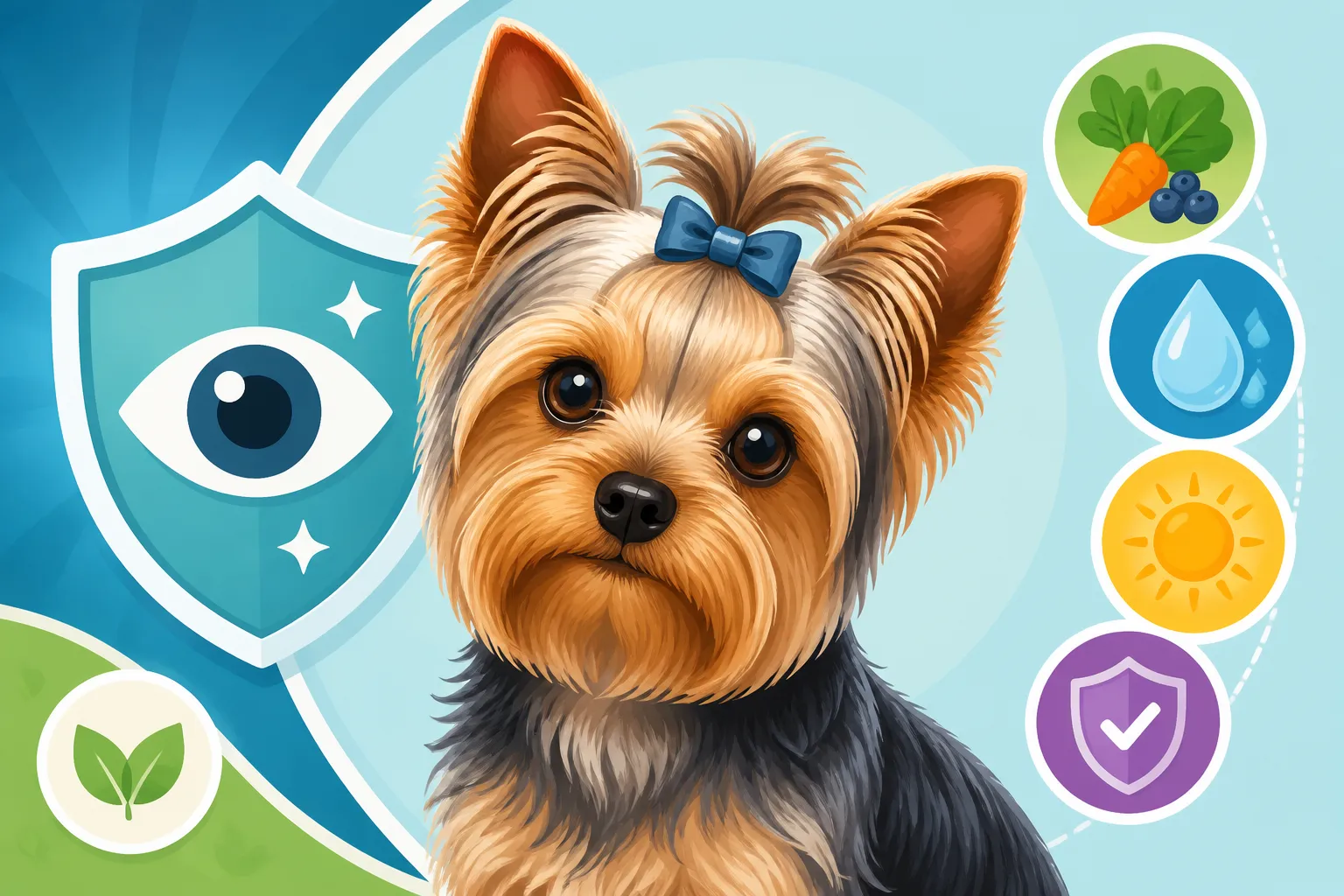
When we talk about eye health, a few key nutrients stand out as superstars. These are the elements that help protect the delicate structures of the eye from oxidative stress, which is essentially cellular damage caused by unstable molecules.
- Antioxidants (Vitamins C and E): These powerful vitamins act like tiny bodyguards, neutralizing free radicals that can damage eye cells, including those in the lens. Vitamin C is crucial for connective tissue health, while Vitamin E works to protect cell membranes.
- Beta-Carotene (Vitamin A precursor): Found abundantly in carrots and other orange vegetables, beta-carotene is converted into Vitamin A in the body, which is vital for good vision, particularly in low light.
- Lutein and Zeaxanthin: These are carotenoids specifically concentrated in the retina and lens of the eye. They act as natural "sunglasses," filtering out harmful blue light and reducing oxidative damage. Think of them as internal protectors.
- Omega-3 Fatty Acids (EPA and DHA): Often found in fish oil, these healthy fats are critical for overall cellular health, including the health of retinal cells. They also have anti-inflammatory properties, which can indirectly benefit eye health by reducing inflammation.
Feeding your Yorkie foods rich in these nutrients provides a strong foundation for healthy eyes.
Choosing the Right Diet and Supplements
The cornerstone of preventative eye care through diet is selecting a high-quality, balanced dog food appropriate for your Yorkie's age and activity level. Look for brands that list real meat as the first ingredient and contain a good mix of fruits, vegetables, and whole grains. Many premium dog foods formulate their recipes with optimal levels of essential vitamins and minerals, including those beneficial for eye health. You can find more comprehensive advice in our guide on the Best Dog Food for Yorkshire Terriers and also how to calculate the right amounts in Portion Sizes for a Yorkie by Weight.
Here’s a helpful table summarizing key eye-supporting nutrients and where to find them:
| Nutrient Category | Key Nutrients | Dietary Sources for Dogs (Vet-Approved) | Benefits for Eye Health |
|---|---|---|---|
| Antioxidants | Vitamin C, Vitamin E | Blueberries, broccoli, spinach, sweet potatoes, eggs, nuts (in moderation) | Combat oxidative stress, protect lens cells from damage by free radicals, support overall cellular integrity. |
| Carotenoids | Beta-Carotene, Lutein, Zeaxanthin | Carrots, kale, spinach, pumpkin, sweet potatoes, egg yolks | Filter harmful blue light, provide additional antioxidant protection, crucial for retinal and lens health. |
| Omega-3 Fatty Acids | EPA, DHA | Salmon oil, flaxseed oil, fish (sardines, salmon), some specialized dog foods | Reduce inflammation, support retinal function, maintain healthy cell membranes throughout the eye. |
| Minerals | Zinc, Selenium | Beef, chicken, lamb, oats, brown rice, lentils | Essential co-factors for antioxidant enzymes, protect against oxidative damage, support retinal metabolism. |
While a complete and balanced diet is usually sufficient, there might be instances where your vet recommends specific supplements. This is especially true for senior Yorkies or those with a history of eye issues. Never start supplementation without consulting your veterinarian, as excessive amounts of certain vitamins can be harmful. Brands like Healthy Paws, while an insurance provider, can indirectly support these dietary choices by helping cover the costs of veterinary consultations that might lead to specialized dietary recommendations or tests to rule out nutrient deficiencies if eye problems emerge.
Environmental Management and Lifestyle Choices for Cataract Prevention
Beyond genetics and diet, the daily environment your Yorkie inhabits and the lifestyle they lead can play a significant role in their eye health. Taking simple, proactive steps can protect their delicate eyes from harm and reduce the overall strain on their vision system.
Protecting Your Yorkie's Eyes from Damage
Our homes and outdoor adventures, while full of joy, also present potential hazards for our little Yorkies' eyes. They are low to the ground, making them more susceptible to irritants and trauma.
- UV Protection: Just like human eyes, dog eyes can be damaged by prolonged exposure to ultraviolet (UV) rays. While your Yorkie probably isn’t sunbathing for hours, consider doggy goggles (like those from Doggles) if they spend extended periods outdoors, especially during bright summer days or at high altitudes. This might seem a bit silly, but for long walks or adventures, it offers genuine protection.
- Avoiding Eye Trauma: Yorkies are active and inquisitive, but their eyes are vulnerable. Be mindful during play, especially with other dogs or children, to prevent accidental pokes or scratches. When grooming, be extremely careful around their eyes. Keep their facial hair trimmed neatly to prevent stray hairs from irritating the cornea. When using brushes, ensure the bristles are soft and don't come close to the eye itself. Even something as simple as a low-hanging branch in your yard can cause a serious scratch.
- Reducing Exposure to Irritants: Dust, smoke (from cigarettes, fireplaces, or even cooking fumes), harsh cleaning chemicals, and even strong perfumes can irritate your Yorkie's eyes. Try to keep their living environment clean and well-ventilated. When cleaning, keep your Yorkie in another room until the air has cleared. Never spray aerosols near their face. These irritants can lead to inflammation, which, over time, can contribute to eye problems, including cataracts.
The Role of Regular Exercise and Weight Management
It might not seem directly related, but your Yorkie's overall health and fitness have a profound impact on their eye health. A healthy body supports healthy eyes.
- Preventing Diabetes: As mentioned earlier, diabetes is a leading cause of cataracts in dogs. Regular, appropriate exercise and maintaining a healthy weight are key strategies in preventing canine diabetes. An overweight or obese Yorkie is at a much higher risk for developing this metabolic disorder. Even small dogs like Yorkies need daily activity, whether it's brisk walks around the neighborhood or energetic play sessions indoors. If your Yorkie is prone to shaking or trembling, which can sometimes be a sign of underlying health issues like low blood sugar, it’s even more vital to ensure a healthy lifestyle. Check out our detailed article on Why Do Yorkies Shake and Tremble for more information.
- Maintaining Overall Health: Consistent exercise improves circulation, boosts the immune system, and contributes to better overall bodily function, including the health of all organ systems. A dog in peak physical condition is generally more resilient to disease, and this includes diseases that can indirectly impact the eyes. Ensuring your Yorkie gets the right amount of physical activity and maintains a lean body condition is a holistic approach to preventing a multitude of health issues, thereby also safeguarding their vision. Our comprehensive guide, How to Keep a Yorkshire Terrier Healthy, delves deeper into these aspects.
Proactive Veterinary Care and Monitoring
Even with the best at-home care, regular veterinary oversight is indispensable in the fight against cataracts. Your vet is your most important partner in monitoring your Yorkie’s eye health and catching any issues before they become severe.
The Importance of Routine Eye Examinations
Annual or bi-annual veterinary check-ups are not just for vaccinations; they are crucial for a thorough physical examination, which includes a careful inspection of your Yorkie's eyes. For breeds like Yorkies, who are prone to a variety of eye conditions, these exams become even more critical, especially as they get older.
During a routine check-up, your veterinarian will use an ophthalmoscope to look closely at the structures of your Yorkie’s eyes, including the lens. They can spot subtle changes that you might miss, such as early signs of cataract formation or other underlying eye problems like Progressive Retinal Atrophy. Catching these changes early means you can discuss options to manage or slow progression. For a comprehensive overview of when to seek veterinary advice, refer to When to Take Your Yorkie to the Vet. Establishing a good relationship with your vet and sticking to a regular schedule for these exams is one of the most proactive things you can do.
Discussing Genetic Screening and Family History
If you're bringing a Yorkshire Terrier puppy into your home, this aspect of prevention is paramount. A responsible breeder will have performed health clearances on their breeding dogs, including genetic screening for common inherited conditions. While a specific genetic test for all forms of inherited cataracts might not be widely available, ethical breeders will screen for other eye conditions like Progressive Retinal Atrophy and ensure their breeding pairs have clear eye certifications from a veterinary ophthalmologist.
Don’t be shy about asking your breeder about the eye health history of the puppy's parents, grandparents, and any previous litters. A breeder who can provide this information and discuss it openly demonstrates their commitment to producing healthy puppies. This due diligence on your part can significantly reduce the risk of your Yorkie developing early-onset hereditary cataracts. Understanding Common Yorkshire Terrier Genetic Conditions can give you a better grasp of conditions with a genetic component.
Recognizing Early Signs and When to Seek Help
Even with the best preventative measures, cataracts can still develop. Knowing what to look for can help you seek timely veterinary attention, which can impact the course of the condition.
Keep an eye out for these subtle indicators:
- Cloudiness or Whiteness in the Pupil: This is the most obvious sign. It might start as a tiny speck and gradually grow. It might appear bluish at first, similar to nuclear sclerosis, but your vet can differentiate.
- Changes in Behavior: If your Yorkie is bumping into furniture, hesitating before jumping, becoming more tentative in unfamiliar environments, or struggling with depth perception (e.g., misjudging steps), it could indicate impaired vision.
- Reluctance to Play or Move: Dogs adapt incredibly well to vision loss, but a significant decline in vision can reduce their confidence and desire to engage in activities they once loved.
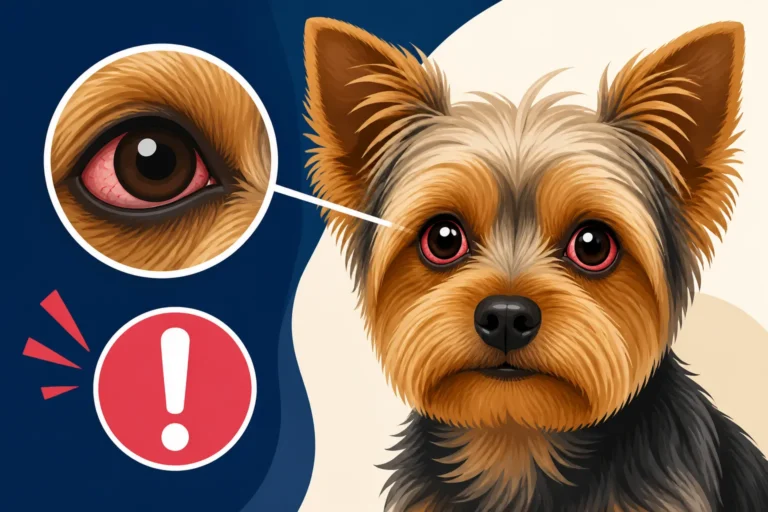
- Inflammation or Redness: While not a direct sign of cataracts, any redness, discharge, squinting, or pawing at the eyes warrants immediate vet attention, as these could be signs of underlying issues that contribute to cataracts.
If you notice any of these signs, don't delay in contacting your veterinarian. Early diagnosis and intervention can sometimes help manage the condition, and in some cases, surgical removal of cataracts can restore sight. While no one wants to think about the financial aspect during a health crisis, having pet insurance from providers like Healthy Paws can be a lifesaver, covering a significant portion of the costs for diagnosis and treatment of conditions like cataracts, making the decision to pursue advanced care much less stressful. You can learn more about managing these costs in our guide on Yorkshire Terrier Vet Costs and Health Budget.
Disclaimer
This article is intended for informational purposes only and does not constitute medical advice. Always consult with a qualified veterinarian for any health concerns or before making any decisions about your pet's health or treatment plan.