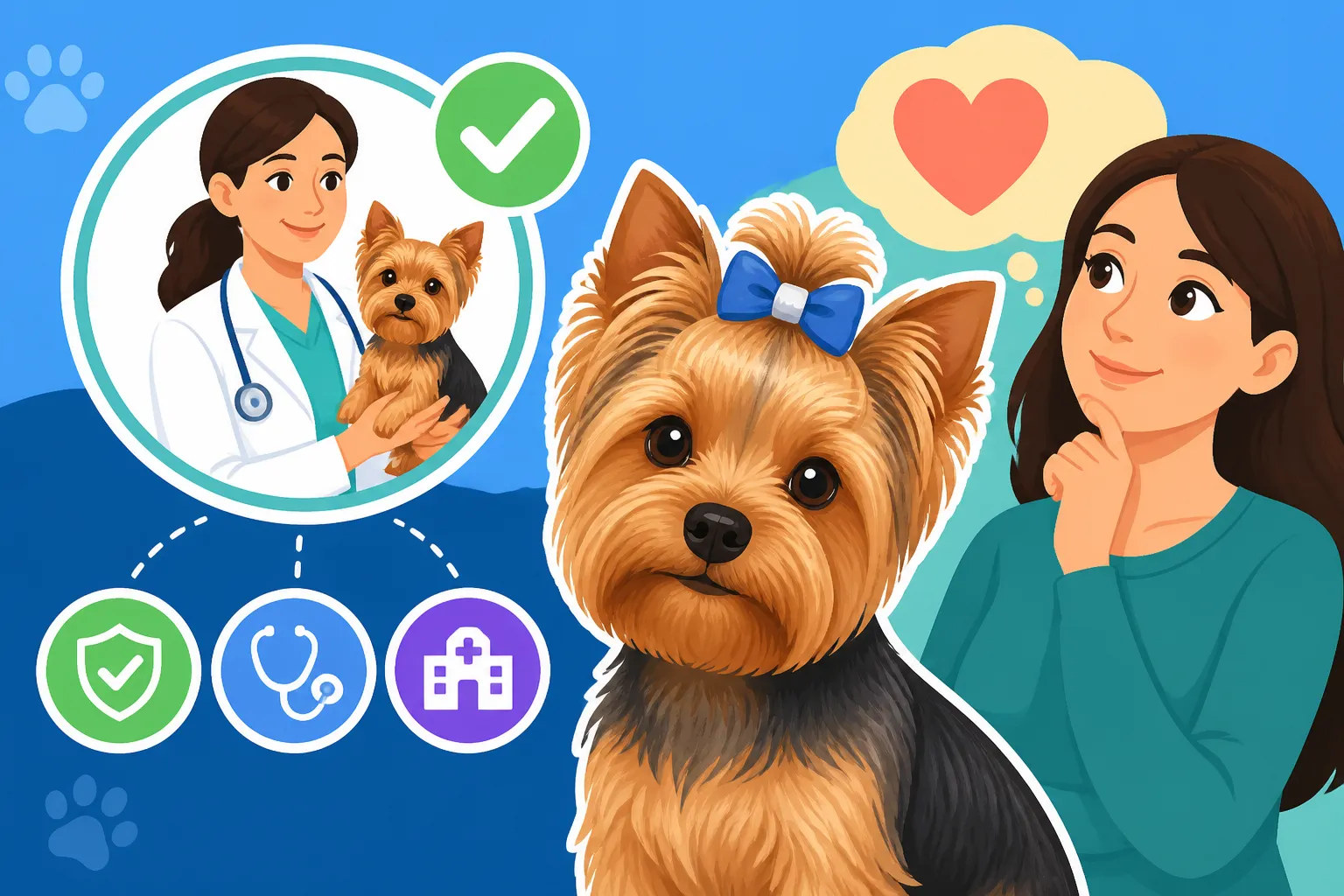
How to Choose a Vet for a Yorkie
Finding the right veterinarian for your beloved Yorkshire Terrier can often feel like searching for a needle in a haystack. Given their unique predispositions and small, delicate stature, you need a healthcare partner who truly understands these tiny titans. This comprehensive guide will walk you through everything you need to know, helping you discern critical qualities in a vet and offering practical steps for choosing a healthcare professional who will cherish your Yorkie as much as you do.
Why Choosing the Right Vet is Crucial for Your Yorkie
Your Yorkshire Terrier isn't just a dog; they're a tiny, vibrant personality packed into a small frame, and their health needs are just as unique as their spirit. The relationship you build with your vet will be one of the most important partnerships in your Yorkie's life, influencing their well-being from puppyhood through their golden years. This isn't a decision to take lightly; it's about finding someone who can navigate the specific health landscape of your cherished companion.
Understanding Yorkie-Specific Health Needs
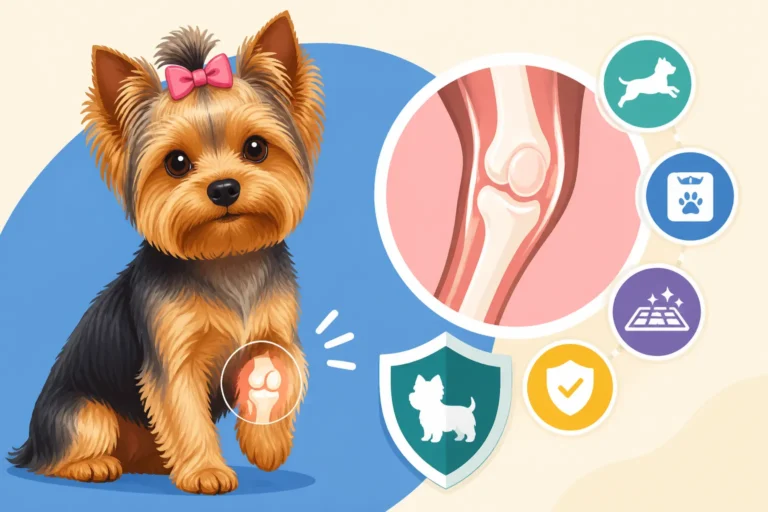
Yorkshire Terriers, while generally robust, do have a genetic predisposition to certain health conditions that require a knowledgeable and experienced veterinary eye. It’s not enough for a vet to simply be good with dogs; they need to be well-versed in the nuances of toy breeds. Conditions like patellar luxation, a common knee issue where the kneecap slips out of place, or tracheal collapse, a respiratory condition affecting their windpipe, are frequently seen in Yorkies. A vet familiar with these particular challenges will be quicker to diagnose, recommend appropriate treatments, and offer preventative advice. They'll understand that a cough might not just be a cough, but a potential sign of something more serious, requiring a more tailored approach than with a larger breed.
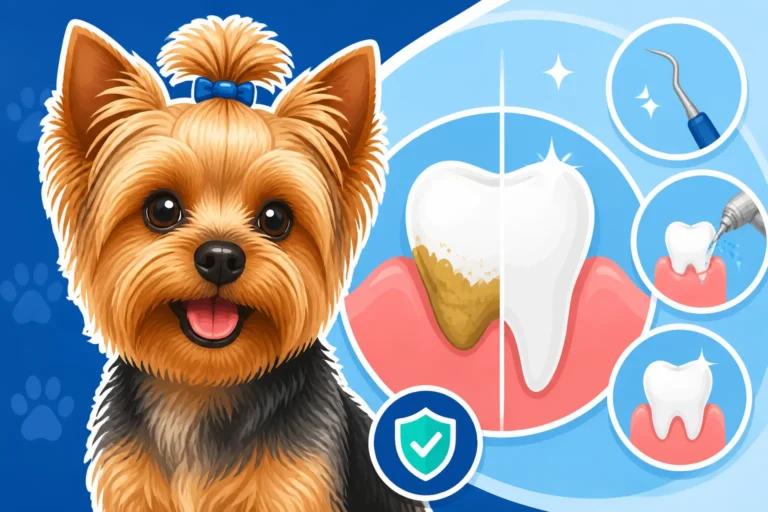
Beyond these common ailments, Yorkies can also be prone to dental disease due to their small mouths, which means regular, proactive dental care is paramount. Your chosen vet should not only emphasize this but have the facilities and expertise to perform routine cleanings safely on such a small dog. A vet who has a deep understanding of these specific concerns can provide targeted care that genuinely enhances your Yorkie’s quality of life and potentially extends their healthy years. You can learn more about these concerns in our guide on Yorkshire Terrier Health Problems to Know.
Preventative Care and Early Detection
For a breed as small as a Yorkshire Terrier, preventative care isn't just good practice; it's absolutely vital. Their small size can sometimes mean that health issues can escalate more quickly than in larger dogs. A proactive veterinarian will partner with you to establish a robust preventative care schedule, including appropriate vaccinations, parasite control, and regular wellness exams. These routine check-ups are invaluable opportunities for your vet to detect subtle changes that could indicate emerging health issues before they become severe.
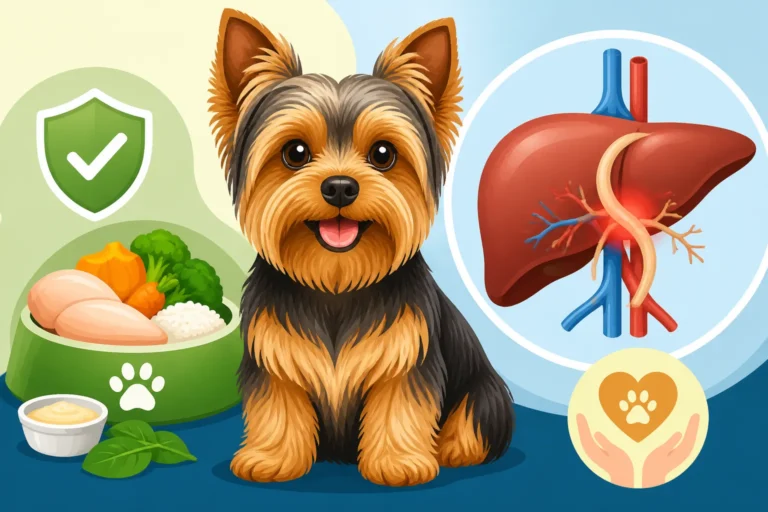
Early detection of conditions like hypoglycemia, which Yorkie puppies are particularly susceptible to, or early signs of liver shunts, can make all the difference in successful treatment outcomes. A good vet will educate you on what signs to look for at home, empowering you to be an active participant in your Yorkie's health journey. They will stress the importance of understanding normal behavior and recognizing any deviations, which can be critical for tiny breeds where symptoms might be less obvious. Regular screenings and discussions about nutrition, exercise, and behavior all fall under this preventative umbrella, ensuring your Yorkie stays as healthy as possible. Our article on How to Keep a Yorkshire Terrier Healthy offers more details on these practices.
Key Qualities to Look for in a Yorkshire Terrier Veterinarian
When you're entrusting the health of your tiny Yorkie to a veterinary professional, you want more than just a doctor; you want a true partner. This means looking beyond basic qualifications to find someone who possesses specific qualities that align with the unique needs and delicate nature of Yorkshire Terriers.
Experience with Small Breeds and Toy Dogs
One of the most critical factors is a veterinarian's demonstrable experience with small breeds, particularly toy dogs like Yorkies. These tiny companions are not just miniature versions of larger dogs; they have distinct physiological differences, unique drug sensitivities, and different anesthetic considerations. A vet who regularly treats large breeds might not be as attuned to the subtle signs of illness in a tiny Yorkie, or they might not have the specialized equipment, such as smaller cuffs for blood pressure or specialized dental tools, that are crucial for safe and effective care.
An experienced small breed vet will understand the nuances of a Yorkie’s metabolism, their propensity for conditions like hypoglycemia or patellar luxation, and the importance of precise dosing for medications. They’ll also be familiar with handling techniques that keep tiny patients comfortable and minimize stress during examinations and procedures. When speaking with potential clinics, don't hesitate to ask about their specific experience with Yorkshire Terriers or other toy breeds. You want to ensure your vet is not learning on the job when it comes to your precious little one. This expertise is vital for issues like Yorkie Knee Problems Explained or understanding the delicate respiratory system for Yorkie Breathing Problems Explained.
Communication Style and Empathy
Beyond medical expertise, a vet's communication style and empathy are paramount. You need a veterinarian who can explain complex medical information in an understandable way, answer all your questions patiently, and make you feel heard and respected. For many Yorkie parents, their dog is a cherished family member, and you deserve a vet who treats them with the same level of care and compassion. This includes acknowledging the emotional bond you share and approaching sensitive topics with kindness.
A great vet will take the time to listen to your concerns, observe your Yorkie's behavior carefully, and involve you in decision-making regarding treatment plans. They should be able to offer clear options, explain the pros and cons, and respect your choices. You want someone who communicates openly about your Yorkie's prognosis, treatment costs, and what to expect during recovery. Empathy also extends to their staff; the entire team should be welcoming, gentle, and understanding when handling your small, sometimes anxious, companion. A strong, empathetic communicator can alleviate a lot of the stress that comes with veterinary visits, especially when your little one isn't feeling well.
Facility and Equipment Standards
The physical environment and the equipment available at the veterinary clinic are also crucial considerations, especially for a Yorkie. Given their small size, certain specialized equipment is often beneficial, if not essential. Look for a clean, well-maintained facility that appears organized and calm. A separate waiting area for small dogs or a clinic that makes efforts to reduce stress for tiny patients can be a huge bonus.
Consider the surgical facilities – do they have modern anesthesia monitoring equipment specifically calibrated for small animals? Are their dental units appropriate for tiny mouths? Do they have an in-house lab for quick diagnostic tests, which can be vital in urgent situations for such a small breed? These details contribute to a higher standard of care. Furthermore, inquire about their emergency capabilities, or at the very least, their protocols for referring to a specialized emergency clinic that is equally well-equipped. Knowing that your vet has the right tools and a clean, safe environment can provide immense peace of mind.
Practical Steps for Finding and Vetting Potential Clinics
Finding the right veterinary clinic isn't just about picking the first name in a search result. It requires a bit of detective work and careful consideration. This process ensures you find a place where both you and your Yorkie feel comfortable and confident in the care provided.
Gathering Recommendations and Online Research
The best place to start your search is often by asking for recommendations from other Yorkie owners you trust. Fellow enthusiasts in your local area, whether through breed-specific online forums, local dog parks, or even trusted friends and family, can provide invaluable firsthand insights into their experiences with local vets. They might share details about a vet’s demeanor, their experience with specific Yorkie health issues, or the overall clinic atmosphere.
Once you have a few names, dive into online research. Look up clinic websites, paying attention to the services they offer, the veterinarians' bios, and their mission statements. Read online reviews on platforms like Google, Yelp, or breed-specific review sites. Pay close attention to comments regarding staff friendliness, wait times, how emergencies are handled, and specific feedback related to small dog care. While one or two negative reviews shouldn't immediately disqualify a clinic, a pattern of recurring complaints about issues like poor communication, excessive wait times, or rough handling of small pets should certainly raise a red flag. This initial research helps you create a shortlist of clinics that seem promising.
The Initial Phone Call and Clinic Tour
After your online research, pick up the phone. A quick call to your shortlisted clinics can tell you a lot. Pay attention to how the phone is answered, the clarity of information provided, and the general helpfulness of the staff. Ask about their new patient process, average wait times for appointments, and their emergency procedures. This is also the perfect opportunity to schedule a non-medical "meet and greet" or a clinic tour, if offered.
During the tour, observe the clinic firsthand. Is it clean and well-organized? Does it smell fresh, or are there overpowering odors? Do the staff seem friendly and gentle with animals? Do they have separate waiting areas for cats and dogs, or even better, a quiet corner for smaller, potentially anxious dogs like Yorkies? This visit isn't about getting medical advice yet, but about assessing the general environment and the professionalism of the team. See if your Yorkie reacts positively or negatively to the sounds and smells of the clinic, as their comfort is paramount.
Questions to Ask Potential Vets
When you have narrowed down your choices and are ready for a consultation, come prepared with a list of questions. This interview process is crucial for making an informed decision. Here’s a table outlining some key questions to ask:
Category Key Questions to Ask Why It Matters for a Yorkie to a Yorkshire Terrier Puppy Health Guide. The initial check-up for a puppy is usually focused on ensuring they're hitting their developmental milestones and are free from common congenital issues. The veterinarian will review their vaccination records, advise on a schedule for future immunizations, and discuss parasite prevention.
For adult Yorkies, routine visits typically involve a full physical exam, dental assessment, weight check, and a discussion about their diet and exercise. Your vet might also recommend age-appropriate screenings or blood work, especially for senior Yorkies. These visits are the perfect time to ask any questions you have, no matter how small they seem. For instance, if you've noticed your Yorkie shaking more often, it could be harmless excitement or a sign of something more concerning like Yorkie Hypoglycemia: Emergency Signs, and your vet can help differentiate.
Ongoing Care and Emergency Protocols
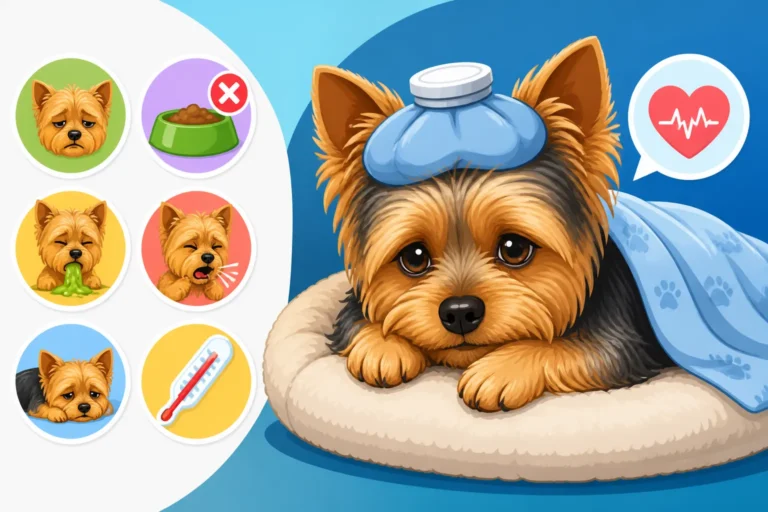
A good veterinary clinic is not just there for scheduled appointments; they're also an invaluable resource for ongoing questions and, crucially, for emergencies. Understand their policy for after-hours care. Do they have an emergency line? Do they partner with a nearby 24-hour emergency veterinary hospital? Knowing these protocols before an emergency strikes can save precious time and reduce panic during a stressful situation. For conditions that might need immediate attention, such as a sudden onset of Signs Your Yorkshire Terrier Is Sick, quick access to guidance is paramount.
For general ongoing care, a supportive vet and team will be available to answer questions about things like diet changes, behavioral quirks, or minor concerns that don't warrant an immediate visit. Some clinics offer telemedicine consultations for quick questions, which can be very convenient. Establish how they communicate lab results or follow-up instructions – via phone, email, or a patient portal. A strong system for ongoing support builds trust and ensures continuity of care throughout your Yorkie's life, from their Yorkshire Terrier Puppy Health Guide through their Yorkshire Terrier Senior Care Guide.
Financial Considerations and Pet Insurance
Veterinary care, especially for a breed prone to certain genetic conditions, can be a significant financial commitment. Being prepared and understanding the costs involved is a vital part of responsible Yorkie ownership.
Understanding Vet Costs
The cost of veterinary care can vary widely depending on your location, the specific clinic, and the types of services your Yorkie needs. Routine wellness exams, vaccinations, and parasite prevention are usually predictable annual expenses. However, unexpected illnesses or injuries can lead to substantial bills. For example, if your Yorkie needs surgery for patellar luxation or requires ongoing medication for a chronic condition, the costs can quickly add up. Procedures like a professional dental cleaning, which is often crucial for Yorkies, can also be a significant expense.
Always ask for an estimate for any recommended procedures or treatments. A transparent vet clinic will be upfront about their pricing and willing to discuss payment options, which might include payment plans or third-party financing solutions like CareCredit. Understanding the average Yorkshire Terrier Vet Costs and Health Budget beforehand allows you to plan accordingly and avoid sticker shock during an already stressful time. Never be afraid to ask for clarity on pricing – a good clinic will appreciate your proactive approach.
The Role of Pet Insurance
Pet insurance has become an increasingly popular way for pet parents to manage the potentially high costs of veterinary care, especially for breeds like Yorkies that can have hereditary conditions. It offers a financial safety net, helping you make healthcare decisions based on what’s best for your Yorkie, rather than solely on your budget. When choosing a plan, look for comprehensive coverage that includes accidents, illnesses, emergency care, and potentially even wellness add-ons for routine care.
Many Yorkie parents find peace of mind with pet insurance providers like Healthy Paws. Healthy Paws offers unlimited lifetime coverage and a simple reimbursement process, which can be incredibly helpful when faced with unexpected health issues. Some plans may cover common Yorkie health problems like patellar luxation or collapsing trachea, but it’s crucial to read the fine print regarding waiting periods, deductibles, reimbursement percentages, and pre-existing conditions. Research different providers like Healthy Paws, compare plans, and choose one that offers the best balance of coverage and affordability for your individual needs. Investing in a good pet insurance policy can be one of the smartest decisions you make for your Yorkie's long-term health and your financial well-being.
Building a Long-Term Relationship with Your Yorkie's Vet
A strong, enduring relationship with your veterinarian is foundational to your Yorkie's ongoing health and happiness. It’s a partnership that evolves over time, built on trust, open communication, and shared dedication to your little companion.
Maintaining Open Communication
Just like any healthy relationship, the one with your vet thrives on open and honest communication. Don't hesitate to share any observations, concerns, or changes in your Yorkie's behavior, no matter how minor they seem. You know your Yorkie best, and your insights are invaluable to your vet. Whether it's a subtle shift in appetite, a new habit, or something that just feels "off," these details can provide critical clues for diagnosis and treatment.
Similarly, be an active listener during your appointments. Ask clarifying questions if you don't understand a diagnosis, a treatment plan, or medication instructions. Repeat back what you've heard to ensure accuracy. If you're unsure about the timing of a medication or how to administer it, ask for a demonstration. A good vet-client relationship is a two-way street, where both parties feel comfortable sharing information and asking questions. This continuous dialogue ensures that your Yorkie receives the most personalized and effective care possible.
Advocating for Your Yorkie's Health
As your Yorkie's primary caregiver, you are their strongest advocate. This means being proactive, informed, and confident in seeking the best care. If you have concerns about a diagnosis or a recommended treatment, it's perfectly acceptable to ask for a second opinion or to research further yourself (while always deferring to professional medical advice). Your vet should be open to these discussions and never make you feel dismissed or invalidated.
Advocating also involves staying on top of their preventative care schedule, such as adhering to the recommended Yorkie Vaccination Schedule and maintaining consistent dental hygiene routines, as outlined in the Yorkshire Terrier Dental Care Guide. Be diligent about giving medications as prescribed and following dietary or exercise recommendations. If your Yorkie is showing concerning symptoms, like those mentioned in When to Take Your Yorkie to the Vet, don't delay in seeking professional advice. A strong advocate ensures their Yorkie’s needs are always prioritized, fostering a longer, healthier, and happier life.
Disclaimer
The information provided in this guide is for general educational purposes only and should not be considered a substitute for professional veterinary advice. Always consult with a qualified veterinarian regarding any health concerns or before making any decisions about your Yorkshire Terrier's medical care.