Yorkshire Terrier Myths Debunked
Many folks have a lot of preconceived notions about Yorkshire Terriers, and honestly, it can be a little frustrating for us Yorkie parents who know just how unique and wonderful these little bundles of personality truly are. You hear all sorts of things – that they're just fancy accessories, that they're impossibly yappy, or that they’re always a struggle to train. This guide is here to set the record straight, peeling back the layers of common misconceptions to reveal the real Yorkie beneath the stereotypes.
Myth 1: Yorkshire Terriers Are Fragile "Purse Dogs" Exclusively
One of the most pervasive myths about Yorkshire Terriers is that they are delicate, fragile creatures whose sole purpose in life is to be carried around in a designer purse. It’s a visual that’s been perpetuated in pop culture for decades, leading many to believe that Yorkies are incapable of being real, robust dogs. While it's true they are small and undeniably adorable, reducing them to mere accessories does a huge disservice to their true nature.
The Perception of Fragility and Pampering
The image of a tiny Yorkie peeking out of a handbag, often adorned with bows, has certainly contributed to this "purse dog" stereotype. Their small stature naturally evokes a sense of protection in many owners, and it's easy to fall into the trap of over-pampering them. When a dog is always carried and rarely allowed to walk on its own four paws, or is shielded from every potential hazard, it can indeed appear fragile or even become timid due to a lack of exposure to the world. This over-protection, while well-intentioned, can prevent a Yorkie from developing confidence, proper social skills, and the physical stamina that even a small dog needs to thrive. It's a self-fulfilling prophecy where perceived fragility can lead to behaviors that reinforce the myth.
Moreover, their luxurious, silky coats often make them seem more ornamental than practical. People assume that such a delicate appearance must mean a delicate constitution, but this couldn't be further from the truth. They might look like porcelain dolls, but underneath that beautiful hair lies a sturdy little terrier with a surprising amount of grit. We often hear stories of Yorkies who've never touched the ground, and while they might be safe, they're certainly not experiencing life as a dog should.
The Reality of Their Terrier Spirit
Let's get one thing straight: the Yorkshire Terrier is, first and foremost, a terrier. And anyone who knows terriers knows they are anything but fragile. This breed was originally developed in the 19th century in Yorkshire, England, to catch rats and other small vermin in textile mills and coal mines. Does that sound like a job for a delicate lap dog? Absolutely not! These dogs needed to be brave, tenacious, intelligent, and surprisingly robust for their size to tackle their jobs effectively. They had to navigate tight spaces, possess keen senses, and have the sheer determination to pursue prey.
Today’s Yorkshire Terrier still carries that plucky, fearless spirit in their DNA. They are full of vim and vigor, eager to explore, and often possess a surprisingly loud bark for their size. While they absolutely need appropriate care due to their small frame – things like not letting them jump from high furniture, and always using a harness instead of a collar to protect their delicate trachea – they also thrive on activity and mental stimulation. They love walks, playtime, and even excel at dog sports like agility. Don't be surprised when your Yorkie enthusiastically chases squirrels or boldly tries to "herd" much larger dogs at the park. They are little dogs with big dog personalities. For a deeper understanding of their core traits, check out our guide on Yorkshire Terrier Temperament and Personality.
Myth 2: Yorkies Are Impossible to Potty Train and Stubborn
This is another myth that can cause a lot of headaches for new Yorkie parents. The idea that Yorkshire Terriers are notoriously difficult, if not impossible, to housebreak often leads to frustration and can even deter potential owners. While it’s true that small breeds can present unique challenges in potty training, labeling them as "impossible" is unfair and inaccurate.
The Struggle with Housebreaking Small Breeds
It’s easy to get frustrated when your tiny pup seems to have endless "accidents" around the house. The truth is, there are a few reasons why small dogs, including Yorkies, can be perceived as harder to potty train. First, they have tiny bladders. This means they need to go much more frequently than a larger dog, especially as puppies. If you're not taking them out every hour or two, especially after waking, eating, or playing, accidents are almost guaranteed. Second, their messes are smaller and less noticeable. A puddle from a Golden Retriever is hard to miss, but a tiny spot from a Yorkie puppy can easily go undetected, making it harder to clean up thoroughly and remove the scent that attracts them back to the same spot.
Third, owner inconsistency is a huge factor. Because they are so small and cute, some owners don't take their training as seriously as they might with a larger, more imposing breed. It's easy to dismiss a small puddle, but consistency is key for any dog, big or small. If you're not diligently following a schedule, rewarding successes, and preventing failures, the training process will inevitably drag on. We've all been there, wondering if our little fluffball will ever get it right. For detailed strategies, our Yorkshire Terrier Potty Training Guide offers some really practical advice.
Effective Training Strategies for Yorkies
The good news is that Yorkies are intelligent dogs, and with the right approach, they are absolutely trainable. The key is consistency, patience, and positive reinforcement. Instead of thinking they're stubborn, consider that their natural instincts might be working against your training, or that your methods might need adjusting.
Here’s what works:
- Frequent Potty Breaks: Especially for puppies, this is non-negotiable. Take them out every 1-2 hours, after every meal, after waking up, and before bedtime. Even adult Yorkies might need more frequent breaks than larger breeds.
- Designated Potty Spot: Choose a specific spot outside or use a potty pad in a consistent location. Always take them to this same spot. Chewy, for instance, offers a fantastic range of potty pads and outdoor training aids that can really help establish a routine.
- Positive Reinforcement: When they go in the right spot, praise them enthusiastically and give them a high-value treat immediately. Make it the best thing that’s ever happened! This helps them associate going in the right place with positive rewards.
- Crate Training: A crate can be an invaluable tool. Dogs naturally don't want to soil their sleeping area. A properly sized crate for a Yorkie can help them learn to hold it for short periods and build bladder control. Just make sure it's not too big, or they'll just use one end as a bathroom.
- Clean Up Thoroughly: If accidents happen, clean them immediately with an enzymatic cleaner to eliminate odors that attract them back.
- Patience is Key: Some Yorkies might take longer than others, but persistence pays off. Don't give up! For an even deeper dive into this, check out How to Potty Train a Yorkie Puppy.
Myth 3: Yorkshire Terriers Are Always Yappy and Aggressive
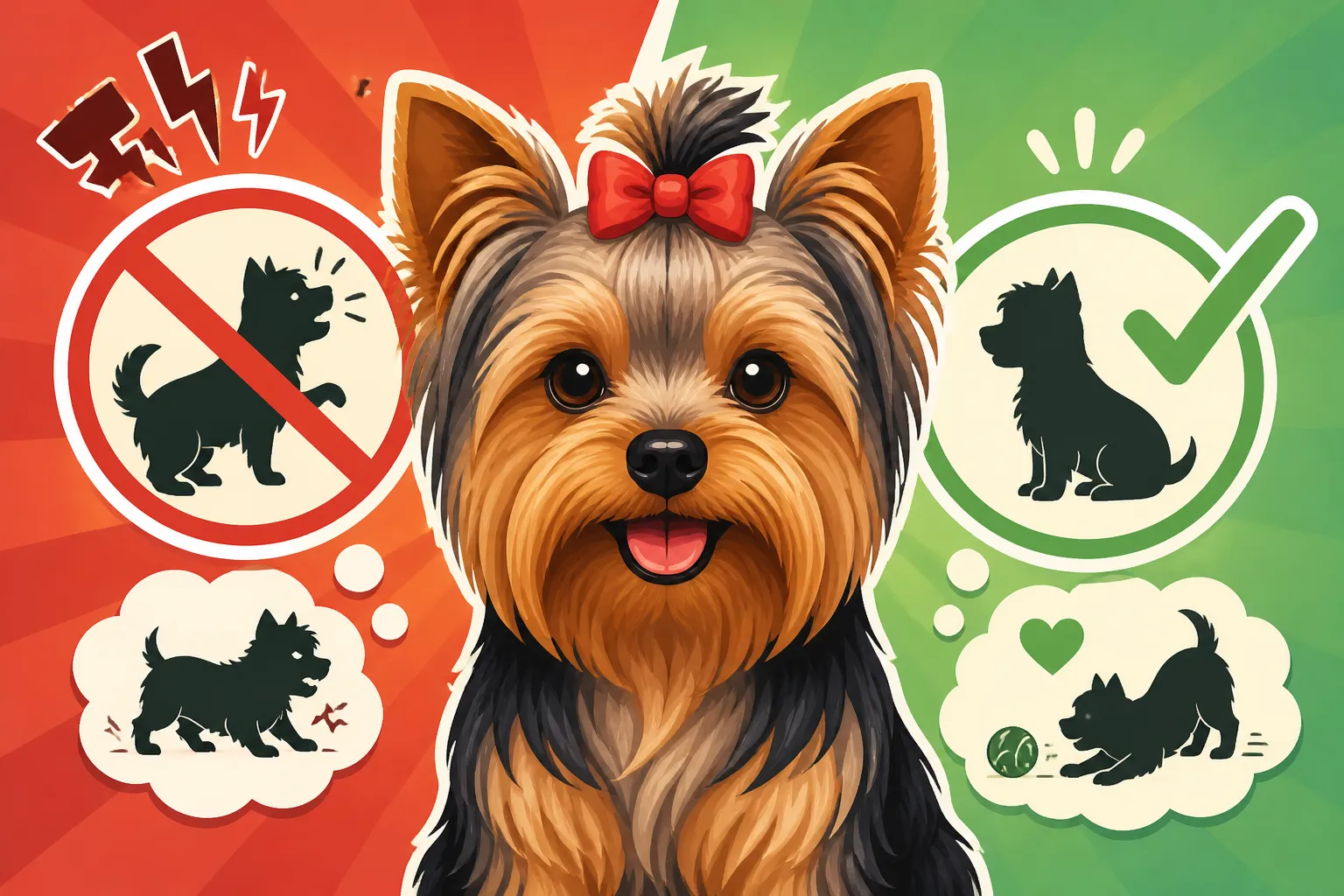
"Oh, those yappy little dogs!" This is another common refrain you'll hear about Yorkies. And while some Yorkies certainly can be vocal, and a small percentage might display aggression, it's far from a universal truth and is often a symptom of underlying issues rather than an inherent breed trait.
Understanding Yorkie Barking Habits
Let's be honest, Yorkies can be barkers. They are terriers, after all, and their history as ratters meant they needed to be alert and quick to signal a discovery. This inherent alertness translates into their modern-day lives, often leading them to bark at doorbells, strangers, other dogs, or anything they perceive as out of place. Their small size can also make them feel more vulnerable, prompting them to use their voice as a defense mechanism or to assert themselves. It’s their way of saying, "I see you!" or "Hey, pay attention to me!"
However, it's crucial to differentiate between natural canine communication and excessive, nuisance barking. While a little bit of barking is normal, constant yapping is usually a sign of boredom, anxiety, lack of training, or insufficient mental and physical stimulation. A Yorkie left alone for long periods without toys or activities is more likely to bark out of frustration or loneliness. Similarly, a Yorkie who has never been taught appropriate responses to stimuli will default to barking. The good news is that this behavior is highly manageable with consistent training and addressing the root cause. If you're struggling, our guide on How to Stop a Yorkie from Barking provides actionable steps.
Debunking the Aggression Stereotype
The stereotype of an aggressive, snarling small dog, often dubbed "small dog syndrome," is something many Yorkie owners encounter. It paints these dogs as snappy and prone to biting. In reality, true aggression is not inherent to the Yorkshire Terrier breed. When a Yorkie displays aggressive behaviors – growling, nipping, biting – it's almost always rooted in fear, insecurity, lack of socialization, or an attempt to protect themselves due to feeling threatened. These behaviors are often exacerbated by owners who either enable them (thinking it's "cute" when a tiny dog acts tough) or don't properly socialize or train their pup.
Think about it: a small dog in a big world can feel overwhelmed. If they aren't properly introduced to various people, places, sounds, and other dogs from a young age, they can become fearful. This fear, when pushed too far, can manifest as aggression because they feel they have no other choice but to defend themselves. Early and consistent socialization is paramount. This means positive exposure to diverse environments and individuals while they are puppies. A well-socialized Yorkie is typically confident, friendly, and curious. They can be wonderful companions with other pets and children when properly introduced and managed. For guidance on this, see How to Socialize a Yorkie Puppy. Instead of assuming your Yorkie is just "mean," look at their environment and training for the real answers. Addressing Yorkshire Terrier Behavior Problems and Solutions is all about understanding the "why" behind their actions.
Myth 4: Yorkies are Completely Hypoallergenic and Don't Shed
This myth is a double-edged sword. On one hand, it's often why people with allergies are drawn to Yorkshire Terriers. On the other hand, it can lead to disappointment if expectations aren't managed correctly. While Yorkies are indeed a better choice for many allergy sufferers, the term "hypoallergenic" is frequently misunderstood.
The Reality of "Hypoallergenic" Dogs
Let’s be crystal clear: no dog breed is 100% hypoallergenic. The term "hypoallergenic" simply means "less allergenic," not "non-allergenic." The primary culprit for pet allergies in humans isn't typically the dog's hair itself, but rather the dander (microscopic flakes of skin), saliva, and urine. These allergens cling to hair, furniture, and circulate in the air. Yorkshire Terriers, like other breeds often labeled hypoallergenic (such as Poodles or Bichon Frise), produce less dander and shed significantly less loose hair compared to double-coated breeds. Their coat is more akin to human hair, growing continuously rather than shedding in cycles.
Because their hair doesn't shed in clumps or fall out constantly, less dander is dispersed into the environment. This is why many people with mild to moderate dog allergies can comfortably live with a Yorkie. However, it's still possible for someone with severe allergies to react to a Yorkie. Every dog produces some dander and saliva, and individual sensitivities vary. If you’re considering a Yorkie because of allergies, it’s always wise to spend time with a Yorkie before committing to ensure you don’t have an adverse reaction. For more information, our article Are Yorkshire Terriers Hypoallergenic delves into this topic in detail.
Managing Yorkie Coat Care and Allergens
Even though Yorkies shed minimally, their long, silky coats require diligent grooming to keep them healthy and to further minimize allergen exposure. Regular grooming is essential, whether you opt for a short, easy-care puppy cut or maintain their signature long coat.
Here’s why coat care matters:
- Brushing: Daily brushing, even for shorter cuts, helps remove any loose hair, dander, and dirt before it can spread around your home. It also prevents matting, which can trap more allergens and become painful for your dog. Tools like a quality pin brush and a steel comb (available at places like Chewy) are indispensable for keeping their hair tangle-free. Our How to Brush a Yorkie's Coat guide provides excellent tips.
- Bathing: Regular baths (every 2-4 weeks, or as needed) wash away accumulated dander and allergens from their coat. Using a gentle, moisturizing shampoo designed for dogs will keep their skin healthy and reduce dryness, which can contribute to dander.
- Professional Grooming: Many owners opt for professional grooming every 4-6 weeks to maintain a neat cut and ensure thorough cleaning. This not only keeps your Yorkie looking their best but also helps manage their dander levels effectively. Our comprehensive Yorkshire Terrier Grooming Guide offers a full overview of their grooming needs.
- Environmental Control: Beyond grooming your Yorkie, regular cleaning of your home, using HEPA air filters, and washing pet bedding frequently will further reduce allergen buildup, making your home a more comfortable environment for allergy sufferers.
Here’s a quick overview of some common Yorkie myths and the reality:
| Myth | Reality | Implications for Owners |
|---|---|---|
| Fragile "Purse Dogs" | Brave, robust terriers with a history as ratters; need exercise and mental stimulation. | Treat them as real dogs! Encourage walks, playtime, and exploration. Protect them from falls, but don't over-coddle. |
| Impossible to Potty Train | Highly trainable with consistency, patience, and positive reinforcement. Small bladders require frequent breaks. | Implement a strict potty schedule, reward successes, use enzymatic cleaners for accidents, and consider crate training. Patience is key! |
| Always Yappy and Aggressive | Can be vocal due to alertness; aggression is usually fear-based or due to lack of socialization/training. | Address barking causes (boredom, anxiety). Prioritize early socialization and consistent training to build confidence and good behavior. |
| Completely Hypoallergenic / No Shedding | Produce less dander and shed minimally, but no dog is 100% hypoallergenic. Still produce allergens. | Requires consistent grooming (brushing, bathing) to manage dander. Test allergies before committing. Regular home cleaning helps. |
| Low Energy / Don't Need Exercise | Despite their size, they are active and intelligent; need daily walks and playtime for physical and mental health. | Plan for daily walks and interactive play sessions. Mental stimulation with puzzles and training is also crucial. See Yorkshire Terrier Exercise Needs. |
| Only Good as Lap Dogs | Love to cuddle but also enjoy learning tricks, playing games, and being involved in family activities. | Engage them in various activities. Don't limit their potential to just being a companion on the couch. |
The True Yorkshire Terrier: A Blend of Personality and Needs
By debunking these common myths, we can start to appreciate the Yorkshire Terrier for who they truly are: intelligent, spirited, affectionate, and surprisingly resilient little dogs. They are not just pretty faces; they are active companions who thrive on interaction, proper training, and consistent care. Understanding their true nature means you can provide them with the best possible life, fostering their confidence and bringing out their best qualities. They are a joy to share your life with, full of boundless love and a charming tenacity that will win your heart over and over again. To ensure your little one lives a long, happy life, it's always good to stay informed about How to Keep a Yorkshire Terrier Healthy.
Disclaimer
The information provided in this article is for general informational purposes only and is not a substitute for professional veterinary advice. Always consult with a qualified veterinarian for any health concerns or before making any decisions about your pet's health or treatment.