Yorkshire Terrier Life Expectancy Factors
It's heartbreaking to think about our beloved Yorkshire Terriers not being with us forever. We pour so much love and care into these tiny bundles of joy, and naturally, we want them to live long, happy, and healthy lives. But the truth is, a Yorkie's lifespan isn't just a matter of luck; it's influenced by a whole host of factors, some within our control and some not. This comprehensive guide will delve into these critical elements, helping you understand what truly impacts how long your cherished Yorkie can live and how you can maximize their time with you.
The Foundation of Longevity: Genetics and Responsible Breeding
When you bring a Yorkshire Terrier into your home, you're not just getting a cute puppy; you're inheriting a genetic blueprint. This blueprint plays a monumental role in their overall health and, by extension, their life expectancy. Understanding the genetic predispositions and the importance of responsible breeding is the first crucial step in promoting a long life for your furry friend.
Inherited Health Conditions in Yorkies
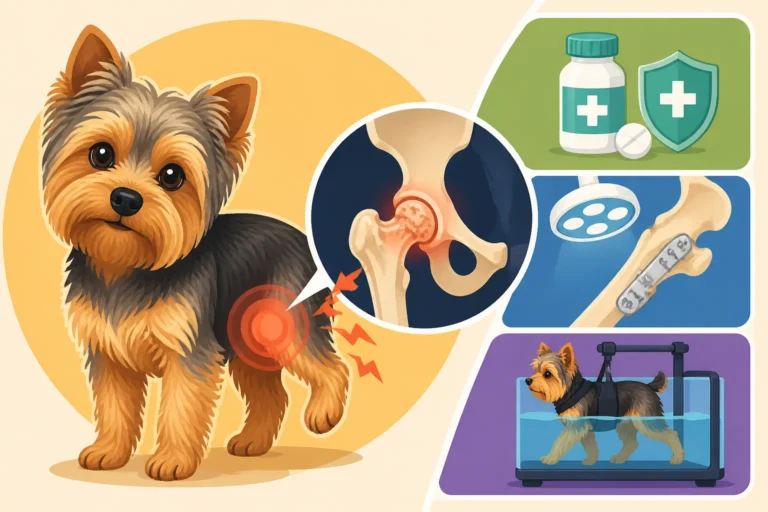
Yorkshire Terriers, like many purebred dogs, are predisposed to certain genetic conditions that can significantly impact their health and longevity. These aren't always immediately apparent in a puppy, which is why understanding their lineage is so important. Conditions such as patellar luxation, where the kneecap slips out of place, can lead to chronic pain and mobility issues if left unaddressed. While not immediately life-threatening, it can reduce their quality of life and put strain on other joints.
Even more serious are conditions like portosystemic shunt (liver shunt), where blood bypasses the liver, preventing toxins from being filtered out. This can cause severe health complications and, in some cases, can be fatal if not surgically corrected. Another common concern is tracheal collapse, particularly prevalent in small breeds like Yorkies, where the trachea weakens and flattens, causing breathing difficulties and chronic coughing. These conditions, if inherited, will require ongoing management and veterinary care, which can be costly and stressful for both you and your pet. You can learn more about specific ailments in our guide on Common Yorkshire Terrier Genetic Conditions.
The Crucial Role of Reputable Breeders
The choices made by breeders profoundly influence the health outcomes of their puppies. Responsible breeders prioritize the health and temperament of their breeding dogs, conducting thorough genetic testing to screen for common inherited conditions like those mentioned above. They'll be transparent about their dogs' health history, offer health guarantees, and be able to provide pedigrees that show healthy, long-lived ancestors. This isn't just about avoiding costly vet bills down the line; it's about giving your Yorkie the best possible start in life, free from the burden of preventable genetic diseases.
In contrast, unethical breeders or puppy mills often neglect genetic testing, leading to puppies with a higher likelihood of inheriting health problems. They may prioritize profit over health, leading to continuous breeding of dogs with known genetic flaws. Always ask to see the parents, tour the facility, and request health clearances. A good breeder will also provide a Yorkshire Terrier Puppy Health Guide and be a valuable resource for advice long after you've taken your puppy home.
"Teacup" Yorkies and Their Unique Challenges
The allure of an extra tiny "teacup" Yorkie is undeniable for some, but it often comes with significant health compromises that can drastically shorten their life expectancy. These dogs are typically bred down to an unnaturally small size, sometimes by breeding runts or prematurely born puppies, leading to a host of fragility issues. Their tiny bodies often struggle with underdeveloped organs, fragile bones, and difficulty regulating blood sugar (hypoglycemia).
Many "teacup" Yorkies are prone to more severe and frequent health problems, including severe dental issues due to overcrowding of teeth in a tiny jaw, higher risks of heart conditions, and increased susceptibility to injury. While a standard Yorkie might weigh between 4 to 7 pounds, a "teacup" might be less than 3 pounds, which can make them incredibly delicate. It’s important to research thoroughly and understand the potential health challenges. For more information, read our dedicated article: How Long Do Teacup Yorkies Live.
Nurturing Longevity: Nutrition and Diet
What you feed your Yorkshire Terrier is far more than just filling their belly; it's providing the building blocks for every cell in their body, directly impacting their immune system, energy levels, coat health, and overall ability to fight off disease. A well-balanced, high-quality diet is paramount for a long and vibrant life.
Choosing the Right Food for Your Yorkie's Life Stage
Just like people, a Yorkie's nutritional needs change throughout their life. A growing puppy requires a diet rich in protein and calories to support rapid development, while an adult Yorkie needs a balanced diet for maintenance. Senior Yorkies, on the other hand, often benefit from foods lower in calories but higher in specific nutrients to support aging joints and organs. Choosing a reputable dog food brand that clearly labels its ingredients and formulates diets for small breeds and specific life stages is crucial. Look for real meat as the first ingredient, and avoid excessive fillers, artificial colors, and by-products.
Transitioning between food types or brands should always be done gradually over several days to avoid upsetting their sensitive digestive systems. If your Yorkie has specific health concerns, such as allergies or a sensitive stomach, your veterinarian might recommend specialized diets. Investing in high-quality food, though sometimes more expensive upfront, can prevent a myriad of health issues down the line, ultimately saving you money and heartache. Consider options from trusted brands like Royal Canin Yorkshire Terrier Adult Dry Dog Food or Hill's Science Diet Small Paws, which are often formulated with the specific needs of small breeds in mind.
The Dangers of Overfeeding and Harmful Foods
One of the easiest ways to shorten a Yorkie's life is through overfeeding, leading to obesity. Those puppy-dog eyes can be hard to resist, but excess weight puts immense strain on their tiny joints, exacerbates conditions like patellar luxation, and increases the risk of serious health problems such as diabetes, heart disease, and liver issues. Always follow the feeding guidelines on the dog food package, adjusting for your dog's activity level, and measure portions precisely. Remember that even small amounts of extra food can quickly add up for such a tiny dog.
Beyond portion control, it's vital to be vigilant about what your Yorkie eats outside of their regular meals. Many human foods are toxic to dogs, including chocolate, grapes, raisins, onions, garlic, and xylitol (an artificial sweetener often found in sugar-free gum and some peanut butters). Even seemingly harmless fatty foods can lead to pancreatitis, a painful and potentially life-threatening inflammation of the pancreas. Always keep these items out of reach and educate all family members about safe and unsafe foods.
Consistent Access to Clean, Fresh Water
Hydration is often overlooked but is absolutely fundamental to a Yorkie's health and longevity. Water is essential for every bodily function, from digestion and nutrient absorption to temperature regulation and organ function. Ensure your Yorkie always has access to a bowl of clean, fresh water. Change the water daily, and clean the bowl regularly to prevent bacterial growth.
If your Yorkie isn't drinking enough, or if they're drinking excessively, it could be a sign of an underlying health issue. Dehydration can quickly become serious for small dogs. Consider a ceramic or stainless steel bowl, as plastic can sometimes harbor bacteria or cause skin irritation. For those worried about water intake, a pet fountain might encourage more drinking due to the flowing water.
Proactive Healthcare and Veterinary Vigilance
No matter how well you care for your Yorkie at home, professional veterinary care is an indispensable part of ensuring their long-term health. Regular check-ups, preventative measures, and prompt attention to any health changes can literally add years to their life.
The Importance of Regular Vet Check-ups and Vaccinations
Think of your Yorkie's annual vet visit as their version of a physical. These routine check-ups are crucial for detecting potential health issues early, often before they become serious or display noticeable symptoms. Your veterinarian will perform a thorough physical examination, check their weight, listen to their heart and lungs, and palpate their abdomen. They'll also update necessary vaccinations, which protect against common and dangerous diseases like distemper, parvovirus, and rabies.
Beyond vaccinations, annual visits are an opportunity to discuss any behavioral changes, diet concerns, or subtle signs you've noticed that might indicate a problem. Many chronic conditions, from dental disease to kidney issues, can be managed much more effectively if caught in their initial stages. It’s also a great time to talk about preventative medications for fleas, ticks, and heartworms, which are vital for protecting your Yorkie from parasites that can cause severe illness. Planning for these regular check-ups and any potential emergencies is where pet insurance can be a lifesaver. Providers like Healthy Paws offer comprehensive coverage that can alleviate the financial stress of unexpected veterinary care, allowing you to prioritize your Yorkie's health without compromise. If you're looking for a vet, our guide on How to Choose a Vet for a Yorkie can help.
The Impact of Dental Health on Overall Lifespan
It might surprise you how much your Yorkie's oral hygiene affects their entire body, but dental disease is one of the most prevalent and often overlooked health problems in small breeds. Due to their compact jaws, Yorkies are highly susceptible to plaque and tartar buildup, which can quickly lead to gingivitis and periodontal disease. The problem isn't just bad breath; bacteria from infected gums can enter the bloodstream and travel to vital organs like the heart, kidneys, and liver, causing serious systemic infections and organ damage.
Regular professional dental cleanings under anesthesia are often necessary to maintain optimal oral health, especially as your Yorkie ages. Between these cleanings, daily brushing at home with a dog-specific toothbrush and toothpaste is ideal. Incorporating dental chews or water additives, such as those from brands like Virbac CET or TropiClean Fresh Breath, can also help reduce plaque, but they are not a substitute for brushing or professional care. Neglecting dental health is a direct pathway to reduced quality of life and potentially a shorter lifespan for your Yorkie. For more in-depth advice, check out our Yorkshire Terrier Dental Care Guide.
Prompt Treatment of Illnesses and Injuries
Yorkies are tiny and can be quite fragile, making them prone to injuries from falls, jumps, or even rough play with larger dogs. Their small size also means that illnesses can progress rapidly and become critical more quickly than in larger breeds. This makes prompt veterinary attention absolutely essential when you notice any signs of illness or injury. Don't adopt a "wait and see" approach if your Yorkie is showing concerning symptoms like persistent vomiting, diarrhea, lethargy, limping, loss of appetite, or difficulty breathing.
Being proactive and seeking immediate veterinary care can be the difference between a minor issue and a life-threatening emergency. Having a relationship with an emergency veterinary clinic or knowing their location and contact information beforehand is wise. This immediate response is crucial for conditions like hypoglycemia (low blood sugar), which can affect Yorkies, especially puppies, and requires urgent intervention. Knowing When to Take Your Yorkie to the Vet and recognizing Yorkie Emergency Symptoms to Never Ignore can be vital.
A Safe and Stimulating World: Lifestyle and Environment
Beyond genetics and medical care, your Yorkie's daily life and surroundings significantly influence their well-being and longevity. A nurturing, safe, and stimulating environment helps them thrive both physically and mentally.
Creating a Safe Living Environment
Yorkies are not outdoor dogs, nor should they be left unsupervised outside. Their small size makes them vulnerable to predators, harsh weather, and accidental injuries. A secure indoor environment is paramount. This means "Yorkie-proofing" your home: securing loose electrical cords, blocking access to toxic plants (like lilies or sago palms), ensuring cleaning supplies and medications are out of reach, and keeping small, swallowable objects off the floor. Even a short fall from a couch or bed can cause serious injury to their delicate bones and joints.
Consider using ramps or steps for access to furniture if your Yorkie likes to join you on the sofa, especially as they get older, to protect their knees and back. Also, be mindful of doors and gates to prevent accidental escapes. A secure yard, if available, should always be supervised, as even a small gap in a fence can be an invitation for adventure or danger. Providing a safe haven for your Yorkie reduces stress and the risk of preventable accidents that could shorten their life.
Mental Stimulation and Stress Reduction
A long life isn't just about physical health; mental well-being plays a huge role too. Yorkies are intelligent and sensitive dogs who thrive on interaction and mental challenges. Without adequate stimulation, they can become bored, destructive, anxious, or even depressed, all of which can impact their physical health over time. Puzzle toys, interactive feeders, and short, engaging training sessions can keep their minds sharp and happy.
Stress, whether from loneliness, loud noises, or an unstable routine, can take a toll on a dog's immune system. Yorkies can be prone to separation anxiety, which can manifest as excessive barking, destructive chewing, or inappropriate urination when left alone. Establishing a consistent routine, providing comforting items (like a favorite blanket or a worn t-shirt with your scent), and gradually increasing the time they spend alone can help. Some owners even use calming diffusers, like Adaptil, to create a more serene environment. A calm, stimulated Yorkie is generally a healthier Yorkie.
The Importance of Socialization and Companionship
Yorkies are companion animals at heart and truly flourish with consistent social interaction. Early and ongoing socialization is key, exposing them to a variety of people, sounds, sights, and other friendly dogs in a controlled, positive manner. This helps them develop into well-adjusted, confident adults rather than fearful or aggressive ones. A well-socialized Yorkie is less likely to suffer from stress-related behaviors and is generally more resilient.
Isolation and loneliness can lead to chronic stress, anxiety, and even physical ailments. Yorkies thrive on being part of the family, and providing them with companionship, whether from humans or other pets they get along with, is vital. If you work long hours, consider a dog walker or reputable doggy daycare to break up their day. A strong bond with their human family not only enriches their life but provides the emotional support that contributes to overall health and longevity.
Maintaining Balance: Exercise and Weight Management
One of the most profound ways you can influence your Yorkie's lifespan is through consistent, appropriate exercise and diligent weight management. These two elements work hand-in-hand to prevent a multitude of health problems.
Appropriate Exercise Levels for Yorkies
Despite their small stature, Yorkies are lively and energetic little dogs who need regular exercise to stay healthy and happy. However, "exercise" for a Yorkie looks different than it would for a large breed. They don't need miles of running; instead, short, brisk walks (15-20 minutes, once or twice a day) and indoor play sessions are usually sufficient. The key is consistency and avoiding over-exertion, especially in extreme weather conditions. Because of their delicate tracheas, it's generally recommended to use a harness instead of a collar to prevent pressure on their throat. Our article Why Harnesses Are Better Than Collars for Yorkies can offer more insight.
Over-exercising a Yorkie, particularly a puppy, can be detrimental to their developing joints and bones. Similarly, too little exercise can lead to boredom, destructive behaviors, and weight gain. Interactive toys that encourage chasing and mental engagement are great for indoor activity. Remember, physical activity also provides mental stimulation, helping to keep their minds sharp and prevent boredom-induced stress. As they age, you'll need to adapt their exercise routine to match their changing energy levels and any developing joint issues.
Maintaining a Healthy Weight Throughout Life
As mentioned earlier, obesity is a silent killer for dogs, especially small breeds like Yorkies. Even a pound or two of extra weight on a Yorkie is equivalent to a human carrying an extra 20-30 pounds. This added burden puts significant strain on their joints, exacerbating conditions like luxating patellas and leading to arthritis. It also increases their risk for diabetes, heart disease, respiratory problems, and even certain types of cancer.
Regularly monitoring your Yorkie's weight is essential. You should be able to feel their ribs easily without pressing hard, and they should have a discernible waist when viewed from above. If you're unsure if your Yorkie is at a healthy weight, consult your vet. They can help you determine the ideal weight range and provide guidance on diet and exercise adjustments. Portion control, limiting treats, and ensuring adequate exercise are the pillars of weight management. If you're worried about your furry friend's waistline, explore our guide on Is My Yorkie Overweight.
Adapting Exercise for Senior Yorkies
As Yorkies enter their golden years (typically around 7-8 years old), their exercise needs will naturally change. They might slow down, have less stamina, or develop age-related conditions like arthritis or vision impairment. It's crucial to adapt their exercise routine to accommodate these changes rather than stopping activity altogether. Gentle, shorter walks, indoor play, and perhaps even swimming (if they enjoy it and it's safe) can help keep their muscles strong and joints mobile without causing discomfort.
Keeping senior Yorkies active helps maintain muscle mass, prevents stiffness, and provides mental stimulation. Consider softer surfaces for walks and be extra mindful of extreme temperatures. Supplements like glucosamine and chondroitin can support joint health, but always discuss these with your vet before introducing them. The goal is to keep them comfortable, engaged, and moving as much as safely possible to support their overall health and quality of life in their later years. Learn more about how to care for them in our Yorkshire Terrier Senior Care Guide.
Empowering Measures: Preventative Care and Early Detection
Being proactive rather than reactive is a cornerstone of extending your Yorkie's life. Understanding the subtle cues they give us and having strategies in place for potential issues can make all the difference.
Recognizing Early Signs of Health Issues
Your Yorkie communicates with you constantly, even without words. Learning to "read" their normal behaviors and quickly identifying deviations can be critical for early detection of health problems. Changes in appetite or thirst, unexplained weight loss or gain, lethargy, coughing, sneezing, changes in urine or stool, limping, excessive scratching, or unusual lumps and bumps should never be ignored. Small changes might seem insignificant, but for a tiny Yorkie, they can escalate quickly.
Keeping a watchful eye during daily interactions, grooming sessions, and playtimes allows you to spot these subtle shifts. For instance, a persistent cough could indicate a Yorkshire Terrier Collapsing Trachea: Signs and Care, while excessive licking of a paw could mean an injury or allergy. Don't hesitate to contact your veterinarian if something seems "off" – trust your gut instinct as a pet parent. Early detection often means simpler, less invasive, and more effective treatment options. When in doubt, consulting with your vet is always the best course of action. Our resource on Signs Your Yorkshire Terrier Is Sick can further assist you.
The Role of Supplements and Proactive Measures
While a balanced diet is fundamental, certain supplements can play a supportive role in preventative care for your Yorkie, especially as they age or if they have specific predispositions. Joint supplements containing glucosamine and chondroitin can help maintain cartilage health and ease discomfort for breeds prone to patellar luxation or arthritis. Omega-3 fatty acids, found in fish oil, support skin and coat health, reduce inflammation, and can contribute to cognitive function. Probiotics can aid digestion and boost the immune system.
However, it's crucial to approach supplements with caution and always consult your veterinarian before adding anything new to your Yorkie's regimen. Not all supplements are created equal, and some can interact with medications or have adverse effects if given inappropriately. Your vet can recommend high-quality, vet-approved supplements tailored to your Yorkie's individual needs. Beyond supplements, proactive measures include regular grooming to prevent matting and skin issues, and consistent dental hygiene. These small, daily efforts contribute significantly to their long-term health.
The Value of Pet Insurance
Let's face it, veterinary care can be expensive, especially when emergencies or chronic conditions arise. This financial burden can sometimes lead to agonizing decisions for pet owners, where the cost of treatment might seem prohibitive. This is where pet insurance, like plans offered by Healthy Paws, steps in as an invaluable preventative measure against financial stress, allowing you to focus solely on your Yorkie's health.
Pet insurance doesn't prevent illnesses, but it provides a safety net that ensures you can afford the best possible care if your Yorkie gets sick or injured. From emergency surgeries for a sudden injury to ongoing treatments for chronic conditions like diabetes or allergies, insurance can cover a significant portion of the costs, making advanced diagnostics and specialized care accessible. Investing in a good pet insurance policy when your Yorkie is young and healthy is highly recommended, as pre-existing conditions are typically not covered. It's a proactive step that protects both your wallet and your beloved pet's future. For an in-depth look at options, read our guide on Pet Insurance for Yorkshire Terriers.
Here's a quick overview of key factors influencing your Yorkie's life expectancy:
| Factor | Positive Impact on Lifespan | Negative Impact on Lifespan |
|---|---|---|
| Genetics | Responsible breeding, health-tested parents | Puppy mills, unknown lineage, inherited conditions |
| Nutrition | High-quality, age-appropriate food, proper portion control | Poor-quality food, overfeeding/obesity, toxic human foods |
| Healthcare | Regular vet check-ups, vaccinations, prompt treatment, dental care | Neglected vet care, untreated illnesses, poor dental hygiene |
| Environment | Safe, secure indoor home, mental stimulation, companionship | Outdoor living, hazards, isolation, chronic stress |
| Exercise & Weight | Appropriate daily exercise, healthy weight | Sedentary lifestyle, obesity, over-exertion |
| Preventative Care | Early symptom recognition, vet-approved supplements, pet insurance | Ignoring symptoms, self-treatment, no emergency fund |
Conclusion: A Partnership for a Long and Happy Life
Ultimately, your Yorkshire Terrier's life expectancy is a tapestry woven from many threads – their genetic inheritance, the nourishment you provide, the medical care they receive, and the loving, safe environment you create. While some factors, like their inherent genetic makeup, are largely out of your control once you bring them home, your active participation in their health and well-being holds immense power. By prioritizing responsible breeding, feeding them a high-quality diet, ensuring regular veterinary check-ups and preventative care, and creating a safe and stimulating home, you're not just caring for a pet; you're building a foundation for a long, joyful, and healthy life together.
Disclaimer
This article is intended for informational purposes only and does not constitute veterinary advice. Always consult with a qualified veterinarian for any health concerns or before making any decisions about your pet's care.