How to Add Toppers to a Yorkie’s Food
It’s a tale as old as time for many Yorkshire Terrier parents: you meticulously choose a high-quality kibble, only to watch your tiny furball sniff it disdainfully before turning their nose up, leaving you wondering if you’re raising a dog or a gourmet food critic. Dealing with a picky eater or simply wanting to give your beloved Yorkie an extra boost of nutrition and excitement at mealtime can be a real head-scratcher. This comprehensive guide is here to walk you through the wonderful world of food toppers, helping you understand how to safely and effectively add delicious, beneficial ingredients to your Yorkie's diet, transforming mealtime from a chore into a joy.
Why Consider Food Toppers for Your Yorkshire Terrier?
When you’re a Yorkie parent, you quickly learn that these little dogs come with big personalities, and sometimes, even bigger opinions about their food. Toppers aren't just a fancy extra; they can be a genuinely helpful tool in ensuring your dog is happy and healthy.
Addressing Picky Eaters
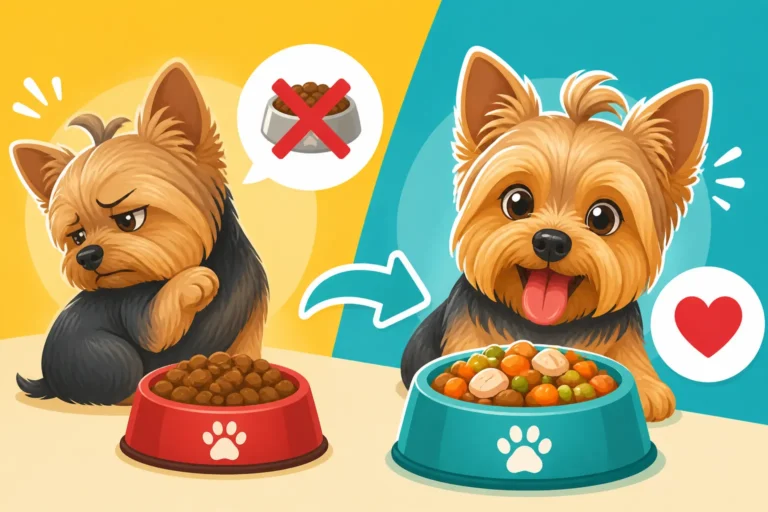
Let's face it, many Yorkies can be notoriously picky. You buy a bag of what you think is the best dog food for Yorkshire Terriers, only to find it sits untouched. It’s frustrating when you’re worried about their nutritional intake, especially with such a small breed where every calorie counts. A bland kibble, even if perfectly balanced, might just not cut it for their refined palates.
Food toppers can be a game-changer for these selective eaters. By adding a small amount of something incredibly palatable and aromatic, you can pique your Yorkie’s interest and make their regular food irresistible. Think of it as adding a sprinkle of magic that transforms a boring bowl into an exciting culinary experience, encouraging them to eat more consistently and reducing mealtime stress for both of you.
This isn't about spoiling them; it's about finding a practical way to ensure they get the nutrients they need. Sometimes, a little enticement is all it takes to get those tiny teeth chewing. A dash of something special can turn mealtime into a positive event, preventing them from going too long without eating, which is particularly important for small breeds prone to issues like Yorkie Low Blood Sugar: What to Do.
Boosting Nutrition and Hydration
Even if your Yorkie isn't particularly picky, food toppers offer an excellent way to elevate their nutritional intake and provide much-needed hydration. Many dry kibbles, while complete, can lack the moisture content that dogs naturally get from fresh food. Adding certain toppers can significantly increase their water intake, which is vital for kidney health and overall bodily functions.
Beyond hydration, toppers allow you to target specific health benefits. For instance, a little pumpkin can aid digestion, while a drizzle of fish oil can do wonders for their skin and the silky texture of their coat, which is a hallmark of the breed. These small additions can fill in potential gaps or simply enhance the benefits already provided by their base diet, contributing to a vibrant and healthy life.
Consider the long-term health benefits. A diet rich in variety, even with small additions, can provide a broader spectrum of antioxidants, vitamins, and minerals that might not be as potent in processed kibble. It’s a proactive step in keeping your Yorkie robust and resilient against common Yorkshire Terrier Health Problems to Know.
Managing Dietary Sensitivities
For Yorkies with sensitive stomachs or specific allergies, introducing new elements can be a tightrope walk. However, carefully selected food toppers can actually help manage these sensitivities. Instead of changing their entire base diet, which can be disruptive, you can use toppers to add variety and specific nutrients that might be missing or to which their main food is reacting.
For example, if your Yorkie has a sensitive stomach, adding a spoonful of plain, unsweetened pumpkin puree (not pie filling!) can be incredibly soothing and aid digestion. If they have allergies to certain proteins, you can opt for novel protein toppers like kangaroo or venison (if your vet approves), or stick to easily digestible vegetables and fruits. The key is to introduce one new ingredient at a time and monitor their reaction closely, as discussed in our guide on Yorkshire Terrier Food For Sensitive Stomach.
This allows you to customize their meals without completely overhahauling their established diet. It provides a controlled way to enrich their food experience and deliver beneficial ingredients without triggering adverse reactions, making mealtime less stressful for dogs with delicate digestive systems.
Types of Food Toppers Safe and Beneficial for Yorkies
Knowing what to add is just as important as knowing why. Not all human foods are good for dogs, and even safe ones need proper preparation.
Wholesome Cooked Meats
Lean cooked meats are often a huge hit with Yorkies and can be a fantastic protein boost. They’re highly palatable and can make any meal more appealing.
-
Plain Cooked Chicken: This is probably the most popular choice. Boil or bake boneless, skinless chicken breast until fully cooked. Make sure there are no bones, as cooked bones splinter easily and are dangerous for dogs. Shred or chop it into tiny, Yorkie-appropriate pieces. It's a great source of lean protein and can be particularly helpful for dogs recovering from upset stomachs.
-
Lean Turkey: Similar to chicken, plain cooked turkey (without skin or bones) is another excellent option. It's often used in sensitive stomach diets due to its digestibility. Again, avoid any seasonings, gravies, or rich fats.
-
Ground Beef (Lean): If you choose ground beef, opt for a very lean variety (90% or higher). Cook it thoroughly and drain off any excess fat before adding it to their food. Beef provides iron and other essential minerals. Always ensure it's unseasoned.
-
Cooked Salmon: A fantastic source of Omega-3 fatty acids, which are excellent for a Yorkie's coat, skin, and joint health. Cook salmon plain, without any oils, butter, or seasonings. Ensure all bones are removed, as even small pin bones can be a choking hazard. A small flake of cooked salmon can be a luxurious and healthy addition.
When preparing any meat, remember that plain is best. Avoid onions, garlic, excessive salt, or any spices, as these can be toxic or harmful to your Yorkie. The goal is pure, unadulterated protein.
Nutrient-Rich Vegetables and Fruits
Vegetables and fruits offer vitamins, fiber, and antioxidants that can round out your Yorkie's diet. Small portions are key due to their tiny size.
-
Plain Pumpkin Puree: Not pumpkin pie filling, which contains sugar and spices! Canned 100% pumpkin puree is a miracle worker for digestive health, whether your Yorkie has an upset stomach, constipation, or diarrhea. It’s packed with fiber and vitamins. A tiny spoonful can go a long way.
-
Cooked Sweet Potato: Boiled or steamed and mashed, sweet potato is a good source of vitamins A and C, as well as fiber. It's naturally sweet and highly palatable for many dogs. Again, ensure it's plain, without any added butter or sugars.
-
Green Beans: Fresh or frozen (thawed), steamed, or boiled green beans are a low-calorie, high-fiber snack. They can be a great way to add volume to a meal for a Yorkie on a Yorkshire Terrier Food For Weight Loss plan, without adding many calories. Chop them into small pieces.
-
Carrots: Raw or lightly steamed carrots are excellent for dental health (the crunch helps scrape teeth) and are full of Vitamin A. Chop them into small, chewable pieces to prevent choking.
-
Blueberries: A tiny handful of blueberries (fresh or frozen) offers a burst of antioxidants and vitamins. They are small and generally well-loved by dogs.
-
Apple Slices: Apples, without the core or seeds (apple seeds contain cyanide and are toxic!), are a good source of fiber and vitamins. Always remove the core and cut into tiny, manageable pieces.
Always ensure fruits and vegetables are thoroughly washed, peeled if necessary (like sweet potato), and cooked appropriately to soften for easier digestion. Remember that Human Foods Safe for Yorkies can still be dangerous if not prepared correctly.
Healthy Dairy and Eggs
In moderation, some dairy and eggs can offer additional benefits.
-
Plain, Unsweetened Yogurt: A small dollop of plain yogurt (Greek yogurt is great due to its higher protein and lower lactose content) can provide beneficial probiotics for gut health. Make sure it contains live and active cultures and has no artificial sweeteners, especially xylitol, which is highly toxic to dogs.
-
Cottage Cheese: Small amounts of low-fat, plain cottage cheese can be a good source of calcium and protein. It's generally well-tolerated, but like all dairy, introduce it slowly to ensure your Yorkie doesn't have lactose intolerance.
-
Cooked Eggs: Scrambled or boiled, plain cooked eggs are a powerhouse of protein and essential amino acids. Chop them finely and add a small sprinkle to their food. Never feed raw egg whites, as they can interfere with biotin absorption.
These items should be given sparingly, especially dairy, as some Yorkies might be lactose intolerant. Always start with a very small amount to see how your dog reacts.
Commercial Food Toppers
For those looking for convenience or specific formulations, the market is rich with commercial food toppers designed specifically for pets.
-
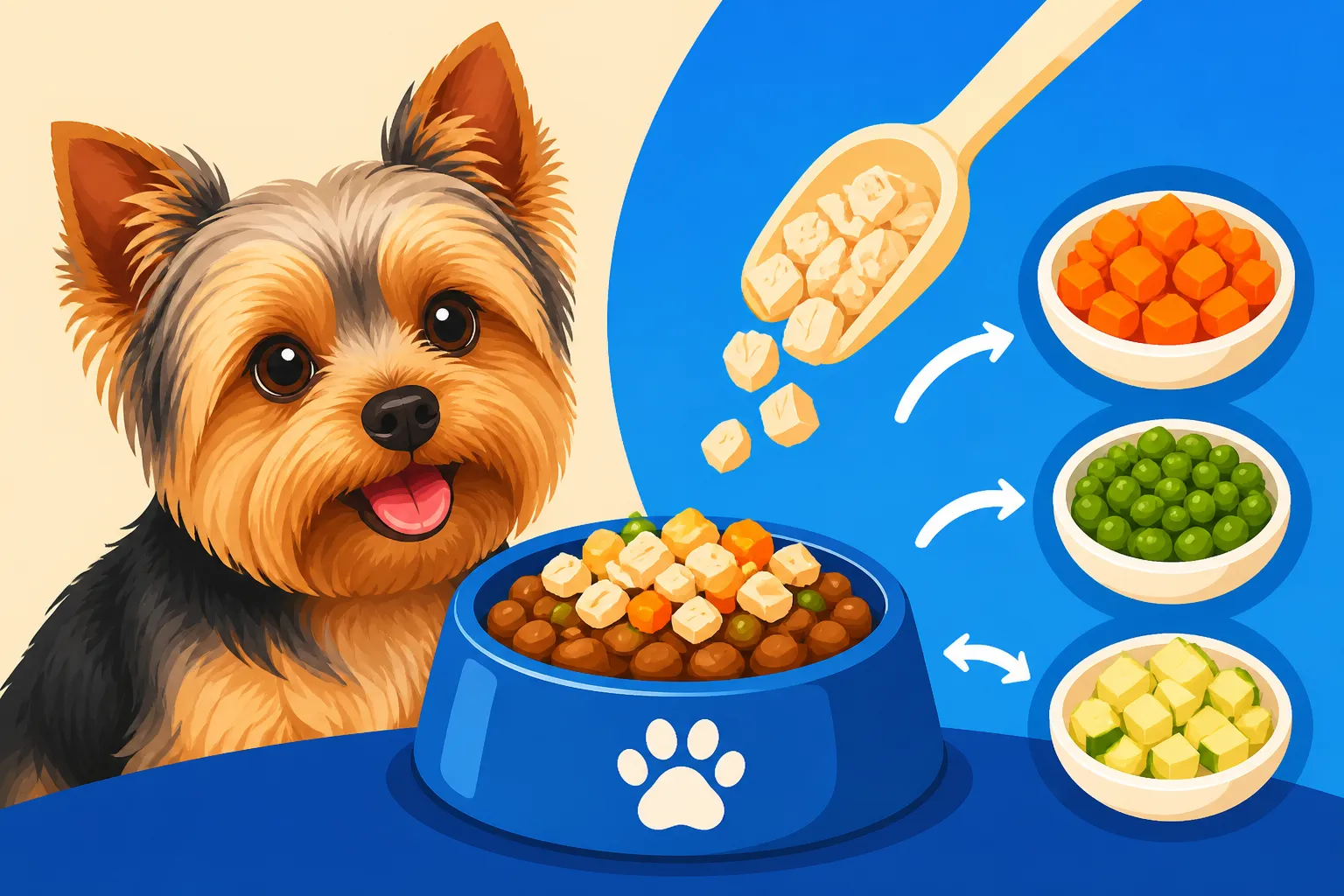
Freeze-Dried or Air-Dried Raw Toppers: Brands like Stella & Chewy's or Primal offer freeze-dried raw bites or crumbles that can be rehydrated or sprinkled dry over kibble. These are often made from high-quality meats, organs, and sometimes fruits and vegetables, retaining much of their nutritional value. They are incredibly palatable and provide a strong scent that can entice picky eaters. You can find a wide variety of these on online retailers like Chewy or Amazon.
-
Bone Broth or Goat Milk: Specialized pet-safe bone broths (ensure they are low sodium and free of onions/garlic) or goat milk can be poured over kibble to add moisture, flavor, and nutrients. They are excellent for hydration and can be very gentle on sensitive stomachs. Brands like Honest Kitchen or The Only Natural Pet offer good options.
-
Fresh Food Toppers: Companies like Ollie (though primarily a fresh dog food subscription service) sometimes offer specific fresh meat or vegetable blends that can be used as toppers, or their main meals can simply be added in small portions to kibble. These provide human-grade ingredients and high moisture content, often making kibble much more appealing.
Commercial toppers offer the benefit of being formulated for pets, so they are generally safe and balanced for dogs. However, always read the ingredient list to avoid any fillers, artificial additives, or ingredients that might trigger your Yorkie's specific sensitivities.
How to Introduce and Serve Toppers Safely
Introducing new foods, even healthy ones, requires a thoughtful approach, especially with a small and sometimes delicate breed like the Yorkshire Terrier.
Starting Small and Observing Reactions
The golden rule when adding anything new to your Yorkie's diet is to start small. We're talking about a tiny pinch or a quarter of a teaspoon, especially for their first time trying a particular ingredient. You wouldn't want to overwhelm their delicate digestive system. Imagine if you suddenly ate a huge amount of an unfamiliar food – you might get a stomach ache!
Introduce only one new topper ingredient at a time. This way, if your Yorkie has an adverse reaction (like diarrhea, vomiting, excessive gas, or scratching, which could indicate allergies or sensitivity), you’ll know exactly what caused it. Monitor them for at least 24-48 hours after introducing a new item. Once you confirm they tolerate an ingredient well, you can gradually increase the quantity over several days or weeks. This method is crucial, especially for breeds known for sensitive digestion. For more on dietary transitions, check out our guide on How to Switch a Yorkie's Food.
Remember, your Yorkie's comfort and health are paramount. Patience in this process will save you potential vet visits and your furry friend unnecessary discomfort. Keep an eye on their stool consistency, energy levels, and overall behavior after each introduction.
Proper Portioning and Frequency
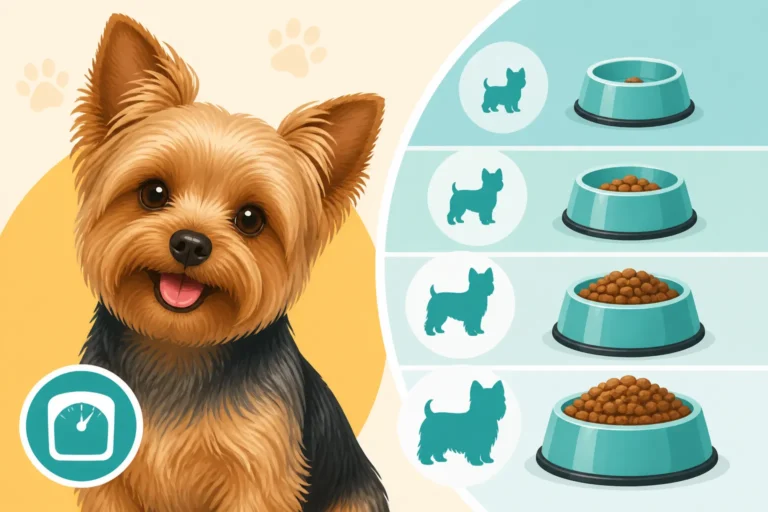
Toppers are meant to supplement your Yorkie's diet, not replace their balanced dog food. For a tiny breed like a Yorkshire Terrier, even a small amount of topper can significantly impact their caloric intake. Overfeeding can quickly lead to weight gain, and an overweight Yorkie can face numerous Yorkie Weight: Healthy Range by Age related health problems.
Generally, toppers should make up no more than 10% of your dog's daily caloric intake. For a Yorkie, this often means just a teaspoon or two per meal, depending on the calorie density of the topper. If you're using a higher-calorie topper (like certain meats), you might need to slightly reduce the amount of their regular kibble to maintain a healthy weight. Always refer to the guidelines on your chosen commercial dog food and topper, or consult your veterinarian for precise caloric needs.
As for frequency, you can add toppers daily if your Yorkie tolerates them well and you're careful with portion control. Some owners use them for every meal, while others reserve them for special occasions or when their Yorkie is being particularly finicky. The key is consistency in monitoring their weight and overall health. If you're unsure if Is My Yorkie Overweight, consulting with your vet is always a good idea.
Preparation and Storage Tips
Safety and freshness are vital when preparing and storing food toppers, especially homemade ones.
- Thorough Cooking: Any raw meats or eggs should be cooked thoroughly to eliminate harmful bacteria like Salmonella. Boil, steam, or bake until fully cooked, with no pink remaining.
- Plain and Unseasoned: Absolutely no salt, pepper, onions, garlic, chives, nutmeg, or other spices. These common human food seasonings can be toxic or harmful to dogs.
- Small Pieces: For Yorkies, choking is a real concern due to their small size. Always chop, shred, or mash toppers into tiny, easily digestible pieces. Remove any bones, pits, or hard seeds.
- Proper Cooling: Allow cooked toppers to cool completely before serving or storing.
- Refrigeration: Store homemade toppers in airtight containers in the refrigerator for no more than 2-3 days.
- Freezing: For longer storage, cooked and prepared toppers can be frozen in individual portions (e.g., in ice cube trays) and thawed as needed. This is a great way to batch-prepare and always have a healthy option on hand.
- Commercial Toppers: Follow the manufacturer's storage instructions carefully. For opened wet or fresh toppers, refrigeration is usually required, and they should be used within a few days.
By paying attention to these details, you ensure that the toppers you provide are not only delicious but also safe and beneficial for your little companion.
Common Mistakes to Avoid When Using Food Toppers
While food toppers can be a fantastic addition to your Yorkie's diet, there are pitfalls that every pet parent should be aware of to ensure their dog's health and well-being. Avoiding these common mistakes will ensure that your efforts to enhance their meals truly benefit them.
Overfeeding and Unbalanced Diets
One of the most common mistakes is inadvertently leading to overfeeding or an unbalanced diet. Yorkies are tiny, and their caloric needs are relatively low. Adding too many high-calorie toppers can quickly result in weight gain, leading to obesity, which can exacerbate Yorkie Knee Problems Explained like patellar luxation or contribute to other health issues. Remember, your commercial dog food is formulated to be nutritionally complete and balanced. When you add toppers, you're essentially adding extra calories and nutrients that might throw off that balance if not done carefully.
It's tempting to keep adding delicious morsels when your Yorkie enthusiastically eats them, but moderation is key. Toppers should be a small percentage of their daily food intake, typically no more than 10%. If you're consistently adding a substantial amount of toppers, you might need to slightly reduce their main kibble portion to prevent excessive caloric intake. Always keep an eye on their waistline and consult with your vet about their ideal weight and appropriate portion sizes for their activity level.
Beyond calories, excessive toppers can dilute the nutritional completeness of their primary diet. If the toppers become too large a part of their meal, they might not be getting enough of the essential vitamins and minerals carefully balanced in their dog food. This is why it’s always advised to treat toppers as a supplement, not a replacement for their primary, balanced meal.
Using Harmful Ingredients
This might seem obvious, but many common human foods are toxic or dangerous for dogs, and they can accidentally make their way into toppers. It's crucial to be absolutely vigilant about what you offer your Yorkie. A small amount of a toxic ingredient, especially for a tiny breed, can have severe consequences, requiring emergency veterinary care and significantly adding to your Yorkshire Terrier Vet Costs and Health Budget.
Here’s a non-exhaustive list of foods to always avoid:
- Onions, Garlic, Chives, Leeks: These alliums can cause red blood cell damage, leading to anemia.
- Grapes and Raisins: Highly toxic, even in small amounts, and can cause kidney failure.
- Xylitol: An artificial sweetener found in many sugar-free products (gum, candies, some peanut butters) that causes a rapid release of insulin, leading to dangerously low blood sugar (hypoglycemia) and liver failure. Always check peanut butter labels if you use it as a rare treat.
- Chocolate: Contains theobromine, which is toxic to dogs. Dark chocolate and baking chocolate are the most dangerous.
- Avocado: Contains persin, which can be toxic to dogs in large amounts, especially the pit and skin.
- Cooked Bones: Cooked bones splinter easily and can cause choking or internal damage.
- Alcohol: Extremely toxic, even in tiny amounts.
- Caffeine: Found in coffee, tea, and energy drinks, it can be dangerous.
- Macadamia Nuts: Can cause weakness, vomiting, tremors, and hyperthermia.
- High-Fat Foods: Greasy foods, fatty trimmings, and excessive oils can lead to pancreatitis in dogs, a serious and painful inflammation of the pancreas.
- Mushrooms: Some wild mushrooms are highly toxic; it's best to avoid all mushrooms unless you are absolutely certain they are safe (like store-bought button mushrooms, in very small cooked amounts).
Always double-check any ingredient you plan to add to your Yorkie’s food, and when in doubt, it’s always safer to skip it. Our guide on Toxic Foods for Yorkies to Avoid provides more detailed information on this critical topic.
Ignoring Your Yorkie's Unique Needs
Every Yorkie is an individual, with their own personality, health history, and dietary needs. What works wonders for one Yorkie might not be suitable for another. For instance, a Yorkie with a history of pancreatitis should steer clear of any fatty toppers, even if other dogs tolerate them well. A Yorkie with severe food allergies will require very specific, hypoallergenic toppers.
It’s easy to get caught up in the latest trend or what another pet parent is doing, but your Yorkie’s specific health profile should always guide your choices. If your Yorkie has any underlying health conditions, known allergies, or is on a prescription diet, it is absolutely essential to consult your veterinarian before introducing any new food toppers. They can provide personalized advice on appropriate ingredients, portion sizes, and potential interactions with any medications or existing conditions.
Thinking about a holistic approach to your Yorkie’s nutrition means considering their age, activity level, health status, and even their individual preferences. Some Yorkies might adore carrots, while others turn their nose up at anything but chicken. Tailor your topper choices to what truly benefits and delights your particular Yorkie. This individualized approach is the best way to ensure that food toppers enhance, rather than detract from, their overall health and happiness.
Comparing Popular Food Topper Options
To help you decide, here's a quick comparison of some common and beneficial food toppers for your Yorkie.
| Topper Type | Pros | Cons | Best For |
|---|---|---|---|
| Plain Cooked Chicken | High protein, highly palatable, easily digestible | Can be high in calories if not lean, requires preparation | Picky eaters, adding lean protein, dogs with sensitive stomachs |
| 100% Pumpkin Puree | Excellent for digestive health, rich in fiber, low calorie | Must be 100% pumpkin, not pie filling | Digestive issues (constipation/diarrhea), adding fiber |
| Cooked Sweet Potato | Good source of vitamins & fiber, palatable, natural sweetness | Requires cooking & mashing, higher in carbs | Adding healthy carbs & vitamins, picky eaters |
| Plain Unsweetened Yogurt | Probiotics for gut health, source of calcium | Some Yorkies may be lactose intolerant, must be unsweetened | Boosting gut health, occasional treat (small amounts) |
| Cooked Salmon | Rich in Omega-3s for skin & coat, highly palatable | Can be fatty if not lean, requires careful preparation (no bones) | Improving coat health, adding healthy fats |
| Freeze-Dried Meats | Very palatable, convenient, nutrient-dense | Can be expensive, high in calories, watch for added ingredients | Picky eaters, adding concentrated nutrition, convenience |
| Bone Broth (Pet-Safe) | Excellent for hydration, gut health, appealing aroma | Must be low sodium, no onions/garlic, can be pricey | Hydration boost, joint support, digestive aid, picky eaters |
Adding toppers to your Yorkie’s food can be a truly rewarding experience, transforming mundane meals into eagerly anticipated culinary events. Whether you're dealing with a finicky eater, looking to boost nutrition, or simply want to spoil your tiny companion a little, the right toppers, used thoughtfully, can make a huge difference. Always prioritize safety, portion control, and your individual Yorkie’s health needs. When in doubt, a quick chat with your veterinarian is always the best course of action to ensure your furry friend stays happy, healthy, and well-fed.
Disclaimer
The information provided in this article is for general informational purposes only and is not intended as a substitute for professional veterinary advice, diagnosis, or treatment. Always seek the advice of your veterinarian or other qualified health provider with any questions you may have regarding a medical condition or diet for your Yorkshire Terrier. Never disregard professional veterinary advice or delay in seeking it because of something you have read in this article.