How to Care for a Teacup Yorkie
Bringing home a tiny Teacup Yorkie can be an incredibly exciting time, but let's be honest, it also comes with a unique set of worries. These adorable, pint-sized pups, while overflowing with personality, are incredibly delicate and require a level of care that goes far beyond what a standard Yorkshire Terrier needs. This comprehensive guide is here to walk you through every aspect of caring for your precious little companion, addressing the specific challenges and offering practical, realistic advice to ensure your Teacup Yorkie thrives.
Understanding the Unique Needs of a Teacup Yorkie
Before we dive into the nitty-gritty of daily care, it's crucial to understand what makes a "Teacup Yorkie" so different from their standard-sized counterparts. This isn't just about aesthetics; their miniature stature profoundly impacts every aspect of their health and well-being.
What Defines a Teacup Yorkie
The term "Teacup Yorkie" itself can be a bit misleading because it's not an official breed recognized by organizations like the American Kennel Club (AKC). Instead, it's a popular marketing term used by breeders to describe Yorkshire Terriers that are significantly smaller than the breed standard. A typical Yorkshire Terrier weighs between 4 to 7 pounds, whereas a Teacup Yorkie often weighs less than 4 pounds, sometimes as little as 2 or 3 pounds when fully grown. These tiny dimensions are usually the result of breeding the smallest dogs in a litter, which can sometimes lead to an increased risk of health issues.
It’s easy to be charmed by their minuscule size and adorable appearance, and many reputable breeders will caution against intentionally breeding for these extremely small sizes due to the potential health compromises. When you choose a Teacup Yorkie, you're essentially choosing a dog whose entire physiology is scaled down, from their bones to their internal organs, making them inherently more fragile and prone to certain conditions. Their petite frame means everything from their metabolism to their bone structure requires extra consideration.
The Fragility Factor
The most significant difference when caring for a Teacup Yorkie is their inherent fragility. Imagine a creature so small that a casual step could cause injury, or a fall from a sofa could be life-threatening. This isn't an exaggeration; it's the daily reality for owners of these tiny dogs. Their bones are thinner and more delicate, making them highly susceptible to fractures from even minor accidents. I've heard countless stories of Teacup Yorkies breaking a leg just by jumping off a low chair or being accidentally stepped on. This extreme fragility means you have to be constantly vigilant, almost as if caring for a newborn baby.
Beyond bone structure, their internal organs are also proportionally small, leading to vulnerabilities that standard Yorkies might not face to the same extent. For instance, their tiny stomachs mean they can’t hold much food, which directly impacts their blood sugar regulation. Their breathing passages are also incredibly narrow, making them more prone to respiratory issues. Understanding this underlying fragility is the first step in providing the specialized care your Teacup Yorkie truly needs. It's not about being overly paranoid, but about being realistically prepared for the delicate nature of these precious pups.
Essential Daily Care for Your Tiny Companion
Caring for a Teacup Yorkie isn't just a scaled-down version of caring for a standard Yorkie; it requires tailored routines and keen observation. Their small size amplifies many typical dog care needs.
Tailoring Nutrition to Their Tiny Metabolism
One of the most critical aspects of Teacup Yorkie care is managing their diet to prevent hypoglycemia, or dangerously low blood sugar. Because of their tiny size, they have very little fat reserve to convert into glucose, and their miniature livers may not be as efficient at glucose production. This means they need to eat small, frequent meals throughout the day – often 4-6 times, or even more for very young puppies. Skipping a meal or even a few hours without food can lead to a hypoglycemic crash, which can manifest as lethargy, wobbliness, confusion, and, if untreated, seizures or coma. It's a scary thought, but one that many Teacup Yorkie owners are constantly aware of. For more information on what to do if this happens, you can read our guide on Yorkie Low Blood Sugar: What to Do.
When it comes to the food itself, you need high-quality, calorie-dense small-breed puppy or adult dog food, depending on your dog's age. Look for brands that focus on real meat ingredients and avoid excessive fillers. Companies like Chewy offer a wide selection of premium small-breed formulas, and some even provide fresh or gently cooked options that can be easier for tiny mouths and sensitive stomachs. Always discuss your Teacup Yorkie's specific dietary needs with your veterinarian, as they can recommend brands and feeding schedules tailored to your individual dog's health and activity level. Keeping a close eye on their weight is also essential, as both being underweight (increasing hypoglycemia risk) and overweight (stressing their tiny joints and organs) can be detrimental.
Grooming for Delicate Coats and Skin
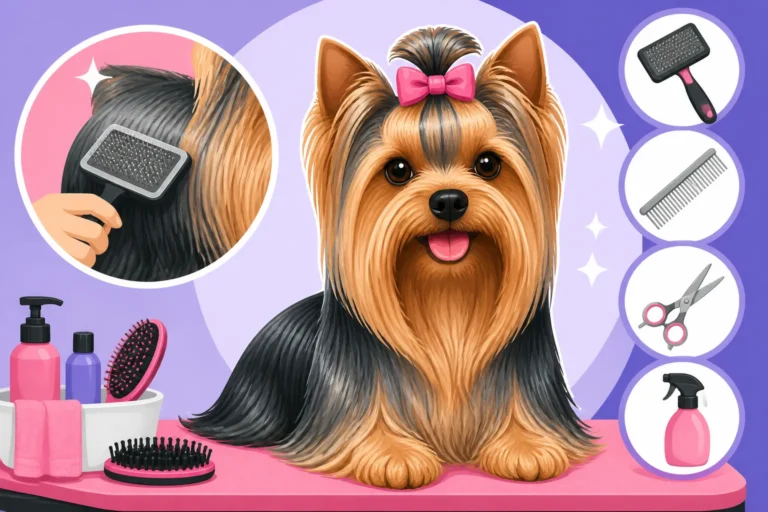
Yorkshire Terriers are renowned for their long, silky coats, and Teacup Yorkies are no exception. However, their smaller size means every strand feels even more delicate. Regular grooming is paramount to prevent matting, which can be painful, pull on their thin skin, and even lead to skin infections. You'll want to brush your Teacup Yorkie daily with a soft-bristle brush or a pin brush specifically designed for fine hair. Many owners opt for a "puppy cut" to keep their Teacup Yorkie's coat shorter and more manageable, reducing the risk of tangles. Our detailed guide on Yorkshire Terrier Grooming Guide offers great insights into coat care.
Bathing should be done every 2-4 weeks, or as needed, using a gentle, tearless shampoo formulated for puppies or dogs with sensitive skin. Be incredibly careful to keep water out of their ears and eyes. After bathing, gently towel dry and then use a low-heat hairdryer, keeping it moving to avoid burning their delicate skin. Their tiny nails also need regular trimming, typically every 2-3 weeks, as overgrown nails can cause discomfort and affect their gait. This can be tricky with such tiny paws, so consider using small pet nail clippers or a dremel. Most importantly, don't overlook dental hygiene. Teacup Yorkies are highly prone to dental disease due to their small mouths being overcrowded. Daily brushing with a dog-specific toothbrush and toothpaste is ideal. For a step-by-step guide, check out How to Brush a Yorkie's Teeth and our comprehensive Yorkshire Terrier Dental Care Guide. Regular professional dental cleanings under anesthesia may also be recommended by your vet to maintain their oral health.
Exercise and Playtime for Small Paws
While Teacup Yorkies have lively personalities, their exercise needs are modest compared to larger breeds. Short, supervised play sessions and brief walks are usually sufficient. The key is to avoid overexertion, especially for puppies, as their tiny bodies can tire quickly and be susceptible to injury. Think short bursts of energy rather than long, strenuous activities. A few 10-15 minute walks a day, or even just running around in a safe, enclosed area indoors, is often plenty.
Indoor playtime is often the safest option for Teacup Yorkies. Use soft toys, puzzle feeders, or engage in gentle games of fetch to provide mental and physical stimulation without putting them at risk. Their joints and tiny legs are simply not built for rough play or jumping from heights. Always supervise playtime, especially if they are interacting with children or other pets, to prevent accidental injury. Remember, for a Teacup Yorkie, just exploring a new room or sniffing around the garden can be an adventure, so focus on quality enrichment over quantity of physical exertion.
Prioritizing Health and Safety for Teacup Yorkies
The health and safety of a Teacup Yorkie require constant vigilance. Their small stature, while endearing, unfortunately makes them more susceptible to certain health issues and environmental hazards.
Common Health Concerns and Early Detection
Teacup Yorkies are prone to many of the same Common Yorkshire Terrier Genetic Conditions as their standard-sized counterparts, but the severity or frequency can be amplified due to their breeding for extreme smallness.
- Hypoglycemia: As mentioned, low blood sugar is a primary concern. Always have a glucose source like Karo syrup or Nutri-Cal gel on hand.
- Patellar Luxation: This is a common orthopedic issue where the kneecap slips out of place. It can be particularly debilitating for tiny dogs. Keep an eye out for limping or a "skip" in their step. Our article on Yorkie Knee Problems Explained provides more detail.
- Tracheal Collapse: Their tiny windpipes are fragile and prone to collapse, causing a distinctive honking cough. This can be exacerbated by pulling on a collar, so always use a harness. Learn more about Yorkie Breathing Problems Explained.
- Dental Disease: Overcrowded mouths lead to rapid plaque and tartar buildup, making them highly susceptible to gum disease and tooth loss.
- Portosystemic Shunt (Liver Shunt): This congenital condition affects blood flow to the liver, impacting its ability to detoxify the blood. Symptoms can include stunted growth, neurological issues, and lethargy.
- Hydrocephalus: Sometimes seen in very tiny dogs, this is a buildup of fluid in the brain, causing pressure and neurological symptoms.
- Open Fontanelle: Puppies typically have a soft spot on their head that closes with age. In Teacup Yorkies, this "open fontanelle" may remain, leaving their brain unprotected.
Early detection is key to managing these conditions. Regular veterinary check-ups are non-negotiable. If you notice any changes in your Teacup Yorkie's behavior, appetite, energy levels, or gait, don't hesitate to contact your vet. For serious signs, knowing Yorkie Emergency Symptoms to Never Ignore can save their life.
Creating a Safe Home Environment
When you have a Teacup Yorkie, your home needs to be viewed through a new lens—a miniature one. Standard puppy-proofing isn't enough; you need to "Teacup-proof" your home.
- Prevent Falls: Block access to stairs with baby gates. Don't let your Teacup Yorkie jump off furniture. Consider providing doggie ramps or steps for access to sofas or beds if they insist on being up there with you. A fall from even a low coffee table can cause serious injury.
- Beware of Foot Traffic: Be incredibly mindful of where your Teacup Yorkie is walking. Their small size makes them easy to miss, so accidental stepping on them is a real danger. Consider bell collars so you can hear them, or a designated "safe zone" when you're busy.
- Small Objects are Hazards: Anything small enough to fit in their mouth can be a choking hazard or cause an intestinal blockage. Keep medications, small toys (children's toys especially), coins, rubber bands, and even certain foods out of reach.
- Temperature Sensitivity: Teacup Yorkies, with their minimal body fat, struggle to regulate their body temperature. They can get cold easily in winter and overheat quickly in summer. Keep your home at a comfortable temperature, and provide sweaters or coats for outdoor excursions in cooler weather.
- Supervision: Never leave a Teacup Yorkie unsupervised around young children or larger, more boisterous pets, no matter how well-behaved they are. Accidents can happen in an instant. Use crates or playpens, especially when you can't give them your full attention. Amazon offers a vast selection of small dog crates and playpens that can create a safe sanctuary for your tiny friend.
The Importance of a Specialized Vet
Finding the right veterinarian is paramount when you own a Teacup Yorkie. Ideally, you want a vet who has experience with toy breeds and understands their unique physiological quirks. These vets are often more familiar with the specific health challenges, appropriate medication dosages (which are much smaller and more precise for tiny dogs), and the delicate nature of anesthesia for miniature patients. Don't hesitate to interview potential vets and ask about their experience with very small dogs. A great resource for choosing the best care provider is our guide on How to Choose a Vet for a Yorkie.
Regular preventative care is crucial. This includes annual wellness exams, appropriate vaccinations, and regular deworming and flea/tick prevention. Your vet can also help you develop a tailored nutritional plan, recommend joint supplements if needed, and advise on managing any emerging health issues. Building a strong relationship with a trusted vet team is your best defense against the specific health vulnerabilities that come with owning a Teacup Yorkie.
Training and Socialization for a Well-Adjusted Teacup
Just because they're tiny doesn't mean they don't need training and socialization. In fact, it's arguably even more important for Teacup Yorkies to ensure they are well-behaved, confident, and safe in the world.
Gentle Training Methods
Teacup Yorkies are smart and eager to please, but they also have short attention spans and can be easily overwhelmed. Positive reinforcement methods work best – using small, high-value treats (cut into tiny pieces!) and plenty of verbal praise. Keep training sessions short, fun, and frequent. Aim for 5-10 minutes, several times a day, rather than one long session.
Potty training can sometimes be a challenge with Teacup Yorkies, as their bladders are tiny, requiring very frequent trips outside or to a potty pad. Consistency is the absolute key here. Take them out every hour or two, especially after waking up, eating, and playing. Many Teacup Yorkie owners find success with pee pads, especially if they live in an apartment or in areas with harsh weather. However, if you prefer outdoor training, be prepared for more frequent trips. For comprehensive guidance, refer to our Yorkshire Terrier Potty Training Guide. Crate training is also beneficial, providing a safe den and aiding in housebreaking, just ensure the crate is appropriately sized – snug but with enough room to stand and turn around. Our general guide on How to Train a Yorkshire Terrier can provide a great foundation.
Safe Socialization
Socialization is vital for Teacup Yorkies to grow into confident, well-adjusted adults, rather than fearful or yappy little dogs. However, due to their fragility, socialization needs to be done carefully and thoughtfully.
- Controlled Environments: Focus on controlled, positive interactions. Avoid dog parks where larger, more boisterous dogs could accidentally injure them. Instead, arrange playdates with other small, gentle dogs you know are vaccinated and well-behaved.
- Gradual Introductions: Introduce your Teacup Yorkie to new people and environments gradually. Hold them initially in new situations to provide security, and let people approach them calmly and gently, getting down to their level.
- Exposure to Sounds and Sights: Slowly expose them to different sounds (traffic, household noises), sights, and textures from a young age, always ensuring it's a positive experience.
- Handling: Get them used to being gently handled, picked up, and examined (especially their paws and ears) from a young age. This makes grooming and vet visits much less stressful for both of you.
Remember, the goal is to build positive associations, not to overwhelm them. A well-socialized Teacup Yorkie will be more confident and less prone to anxiety and fear-based behaviors, making them a joy to live with.
Quick Reference Guide: Teacup vs. Standard Yorkie Care
Here's a handy table to highlight some of the key differences and special considerations when caring for a Teacup Yorkie compared to a standard-sized Yorkshire Terrier.
| Care Aspect | Standard Yorkshire Terrier | Teacup Yorkshire Terrier (Under 4 lbs) |
|---|---|---|
| Weight Range | 4-7 lbs | Typically under 4 lbs (often 2-3 lbs) |
| Fragility | Delicate, but generally more robust | Extremely fragile, high risk of fractures/injuries |
| Feeding Frequency | 2-3 meals per day | 4-6+ small meals per day (critical for blood sugar) |
| Hypoglycemia Risk | Lower, but still possible in puppies | High, constant vigilance required |
| Exercise Needs | Moderate, daily walks and playtime | Low to moderate, short, gentle play, indoor focus |
| Dental Care | Very important, daily brushing, professional cleanings | Critically important, high risk of dental disease, daily care crucial |
| Home Safety | Puppy-proofing, mindful of hazards | Extreme "Teacup-proofing," constant supervision, fall prevention |
| Vet Specialization | General vet care usually sufficient | Vet with toy breed experience highly recommended |
| Temperature Mgmt. | Can regulate body temp fairly well | Very sensitive to temperature extremes, needs assistance |
| Anesthesia Risk | Standard considerations | Higher risk due to small size, requires specialized protocols |
Disclaimer
The information provided in this article is for general informational purposes only and does not constitute veterinary advice. Always consult with a qualified veterinarian regarding your Teacup Yorkie's specific health, diet, and care needs. Individual dogs may have unique requirements based on age, health status, and other factors.