How to Keep a Yorkie’s Face Clean
One of the most common frustrations for Yorkshire Terrier parents is the battle against the perpetually messy face. Between those adorable long whiskers and the delicate fur around their eyes, it feels like a never-ending cycle of tear stains, food debris, and general grime that just clings on. This comprehensive guide is here to walk you through exactly how to keep a Yorkie's face clean, fresh, and healthy, addressing common issues and providing actionable steps for a sparkling-clean furry friend.
Understanding Why Yorkies Get Messy Faces
It’s not just you! Yorkies are particularly prone to messy faces for several breed-specific reasons. Their delicate facial structure, long silky hair, and even their eating habits all contribute to what can sometimes feel like a losing battle against dirt and stains. Understanding these underlying factors is the first step toward effective prevention and cleaning.
The Low-Down on Tear Stains and Epiphora
Tear stains are arguably the most noticeable and persistent facial mess on a Yorkie. That reddish-brown discoloration under their eyes, often crusty and unsightly, is caused by a condition called epiphora, or excessive tear production. These tears contain porphyrins, iron-containing molecules that turn reddish-brown when exposed to light and air. It’s not just a cosmetic issue; persistent dampness can lead to skin irritation, bacterial or yeast infections, and an unpleasant odor.
There are many reasons why a Yorkie might have excessive tearing. Sometimes it’s genetic, a natural predisposition of the breed to have shallow eye sockets or blocked tear ducts, which prevents tears from draining properly. Other times, it can be a symptom of allergies to food or environmental irritants, or even tiny hairs irritating the eye. Regularly inspecting your Yorkie's eyes for redness, discharge, or irritation is crucial, as some causes of epiphora, such as corneal ulcers or entropion (inverted eyelids), might require veterinary attention. For more information on health, you might want to check out our guide on Yorkshire Terrier Eye Problems Explained.
Food and Water Woes: Eating Habits and Facial Hygiene
Those long, flowing beard and mustache hairs that give Yorkies so much character also act as magnets for food and water. Every meal can turn into a messy affair, with kibble crumbs, wet food residue, and even water dripping from their beard, creating a prime breeding ground for bacteria and yeast. This isn't just unsightly; it can lead to skin irritation, matted fur, and a distinct "dog food" smell around their face.
Imagine your Yorkie enthusiastically diving into their breakfast, then shaking their head. Bits of food fly, water splashes, and it all settles right into that beautiful, silky fur. This residue, if not promptly cleaned, hardens and becomes incredibly difficult to remove, often leading to uncomfortable mats that pull on their delicate skin. Beyond hygiene, some food ingredients can even exacerbate tear staining, making dietary choices an important part of facial care. Our article on Best Dog Food for Yorkshire Terriers offers great insights.
The Fine Art of Facial Hair: Trapping Grime and Moisture
The Yorkshire Terrier's long, fine, human-like hair is one of their most distinguishing features, but it's also a double-edged sword when it comes to facial cleanliness. The delicate strands around their eyes, muzzle, and chin can easily trap moisture, dirt, dust, and allergens. This creates a damp, dirty environment that can lead to skin issues and worsen tear stains.
Consider how easily human hair gets greasy or picks up environmental pollutants; your Yorkie’s facial hair is no different, perhaps even more prone due to its proximity to food and drink. Matting is a huge concern, especially around the eyes and under the chin. These mats can be painful, pulling at the skin and creating hidden pockets where dirt and moisture can fester, potentially leading to infections. Regular brushing and strategic trimming are key to managing this unique coat characteristic. To learn more about maintaining their gorgeous locks, see our Yorkshire Terrier Grooming Guide.
Essential Tools and Products for Facial Hygiene
Having the right arsenal of tools and products is crucial for effectively keeping your Yorkie's face clean. You wouldn't tackle a delicate task with the wrong instruments, and the same goes for your furry friend's sensitive facial areas. Investing in quality, gentle products will make the process easier for both you and your Yorkie.
Gentle Cleansers and Tear Stain Removers
When it comes to cleaning your Yorkie's face, especially around their eyes, gentleness is paramount. You need products specifically designed for pets, free from harsh chemicals, perfumes, or dyes that could irritate their eyes or skin. For tear stains, there are several types of removers available. Some are topical wipes or liquids that work by breaking down the porphyrins and lifting the stain. Others are oral supplements that aim to reduce porphyrin production from within.
Always read labels carefully and opt for brands known for their safety and efficacy. Brands like Angel Eyes or Eye Envy are popular choices among Yorkie owners for their tear stain removal capabilities. When selecting a topical cleaner, look for ingredients like boric acid or witch hazel, known for their mild antiseptic and astringent properties. If you’re considering oral supplements, consult your vet first, as some contain antibiotics that aren't suitable for long-term use. You can find a wide variety of these products, including gentle shampoos, on online retailers like Chewy or Amazon.
The Right Brushes and Combs for Delicate Areas
A tiny face with long, fine hair requires specific grooming tools. Regular dog brushes might be too large or too harsh for the delicate areas around a Yorkie's eyes, nose, and mouth. You'll need a combination of a fine-toothed comb and a small, soft-bristle brush, sometimes referred to as a "face brush" or "flea comb."
The fine-toothed metal comb is indispensable for gently teasing out small mats and removing crusty debris, especially around the eyes and beard. Choose one with rounded teeth to avoid scratching their skin. A small, soft-bristle brush is perfect for general tidying, distributing natural oils, and removing loose hairs and minor food particles without pulling. It's also excellent for stimulating blood flow to the skin, promoting healthy hair growth. Always remember to be extremely gentle; a Yorkie's facial skin is very thin and sensitive. For more detail on grooming tools, explore our article on Best Brush for a Yorkshire Terrier.
Eye Wipes and Cotton Pads: Your Daily Arsenal
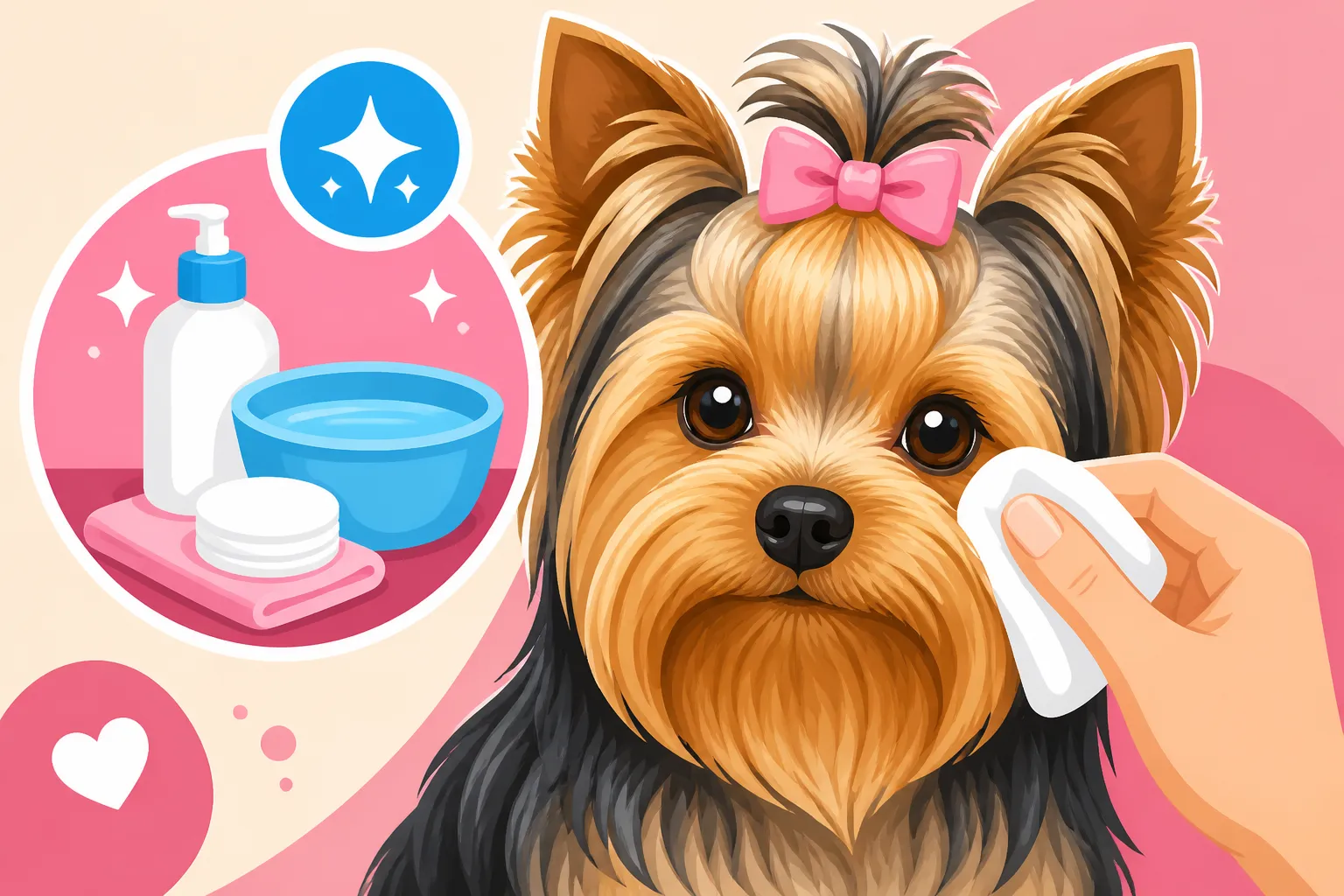
For quick clean-ups and daily maintenance, pet-specific eye wipes and plain cotton pads are your best friends. These are essential for immediately tackling fresh tear residue, eye boogers, and minor food spills before they have a chance to set and stain. Keeping a container of these readily available in several spots around your home, like next to their food bowl or by the couch where you cuddle, makes consistent cleaning much easier.
Pet eye wipes are pre-moistened with gentle, non-irritating solutions designed to be safe for use around the eyes. They often contain ingredients like aloe vera or witch hazel to soothe and cleanse. Alternatively, plain cotton pads moistened with warm water or a veterinarian-approved saline solution work just as well. Avoid using human baby wipes, which often contain chemicals that can be harmful to pets. These simple tools are vital for maintaining daily facial hygiene and can prevent the buildup that leads to more stubborn stains. Learn more about How to Prevent Yorkie Eye Boogers for comprehensive eye care.
Step-by-Step Guide to a Sparkling Yorkie Face
Now that you understand the challenges and have your tools ready, let's dive into the practical steps for keeping your Yorkie's face immaculately clean. Consistency is key, and making these steps part of your daily routine will yield the best results.
Daily Cleaning Rituals for Prevention
Preventing buildup is far easier than removing stubborn stains and mats. A consistent daily cleaning ritual, ideally done once in the morning and once in the evening, will make a world of difference. Start by gently wiping around their eyes with a pet-specific eye wipe or a damp cotton pad to remove any fresh tear residue or sleep crust. Always wipe away from the eye, towards the nose, and use a fresh part of the wipe or a new cotton pad for each eye to prevent transferring any potential infections.
Next, address their beard and muzzle. After meals, use a damp cloth or a pet facial wipe to gently clean away any food particles. For their whiskers, a quick brush with a small, soft-bristle brush can help dislodge any dry food crumbs. Pay close attention to the area under their chin, where moisture and food can accumulate. Make this a positive experience with praise and small treats, so your Yorkie associates facial cleaning with something pleasant. This proactive approach is fundamental to How to Keep a Yorkshire Terrier Healthy.
Tackling Stubborn Stains and Mats
Even with daily preventative measures, stubborn tear stains or small mats can occasionally form. When this happens, a more targeted approach is needed. For existing tear stains, apply a pet-safe tear stain remover solution (as discussed earlier) according to the product's instructions. Usually, this involves applying it to a cotton pad and gently dabbing the stained area. Be patient; these stains often require several days or even weeks of consistent treatment to lighten significantly.
For mats in the facial hair, never pull or yank. This is painful for your Yorkie and can cause skin irritation. Instead, use your fine-toothed comb and work slowly. Hold the hair at the base of the mat with your fingers to prevent pulling on the skin. Start at the very tip of the mat and gently pick at it, working your way down towards the skin. If a mat is too tight or large, it’s safer to carefully trim it out with blunt-nosed scissors, always pointing the scissors away from the skin. If you're unsure or uncomfortable, a professional groomer can handle these tricky spots.
Post-Meal and Post-Walk Quick Cleans
Beyond daily rituals, consider quick clean-ups after specific activities. Immediately after your Yorkie finishes eating, take a moment to wipe their face, especially their beard and around their mouth. This prevents food from drying and hardening, which is a major contributor to stubborn grime and mats. If your Yorkie enjoys wet food, this step becomes even more critical.
Similarly, after outdoor walks, especially in dusty, muddy, or rainy conditions, give their face a once-over. Dust, pollen, and environmental allergens can cling to their facial hair and potentially irritate their eyes and skin. A quick wipe with a damp cloth can remove these irritants, keeping their face fresh and minimizing potential allergic reactions. This extra step helps keep your Yorkie comfortable and prevents the accumulation of outdoor grime.
Here's a quick comparison of common facial cleaning products:
| Product Type | Primary Use | Application Method | Pros | Cons |
|---|---|---|---|---|
| Pet Eye Wipes | Daily tear stain prevention, general eye cleaning | Wipes directly on fur around eyes | Convenient, pre-moistened, gentle | May not remove old, stubborn stains; can be costly over time |
| Liquid Tear Stain Removers | Stubborn stain treatment, deep cleaning | Apply to cotton pad, dab onto stains | Effective for existing stains, targets porphyrins | Requires careful application, some may contain bleaching agents |
| Soft-Bristle Face Brush | Removing loose hair, minor debris, stimulating skin | Gentle brushing | Non-irritating, good for daily maintenance | Not effective for mats or heavy staining |
| Fine-Toothed Comb | Detangling small mats, removing crusts | Gently comb through affected areas | Excellent for precision mat removal | Can pull hair if not used carefully, not for general brushing |
| Water/Saline Solution & Cotton Pads | Gentle daily cleaning, sensitive skin | Moisten pad, wipe gently | Hypoallergenic, inexpensive, easily accessible | Less effective on deep stains, requires separate pads |
Preventive Measures and Long-Term Strategies
Keeping your Yorkie's face clean isn't just about daily wiping; it's about implementing a holistic approach that includes diet, regular grooming, and attention to their environment. These long-term strategies can significantly reduce the occurrence of messy faces and tear stains.
Diet and Hydration: Impact on Tear Stains
What goes into your Yorkie can directly impact what comes out – including their tears. A high-quality, balanced diet plays a significant role in reducing tear staining. Many owners report a reduction in staining when their Yorkie is on a diet free from artificial colors, fillers, and certain common allergens like corn or wheat. These ingredients can sometimes trigger allergic reactions, leading to excessive tearing.
Consider options like fresh food diets or limited ingredient formulas. Brands like Ollie offer fresh, human-grade food that can be beneficial for sensitive dogs. Ensuring your Yorkie has access to fresh, filtered water can also make a difference. Some believe that minerals in tap water can contribute to tear staining. Using ceramic or stainless steel bowls instead of plastic can also help, as plastic can harbor bacteria that may irritate your Yorkie's face and contribute to staining. If you suspect food allergies, discuss this with your vet; they can guide you through an elimination diet. Learn more about Yorkie Liver Shunt: Diet and Care for another example of how diet impacts health.
Regular Grooming and Professional Trims
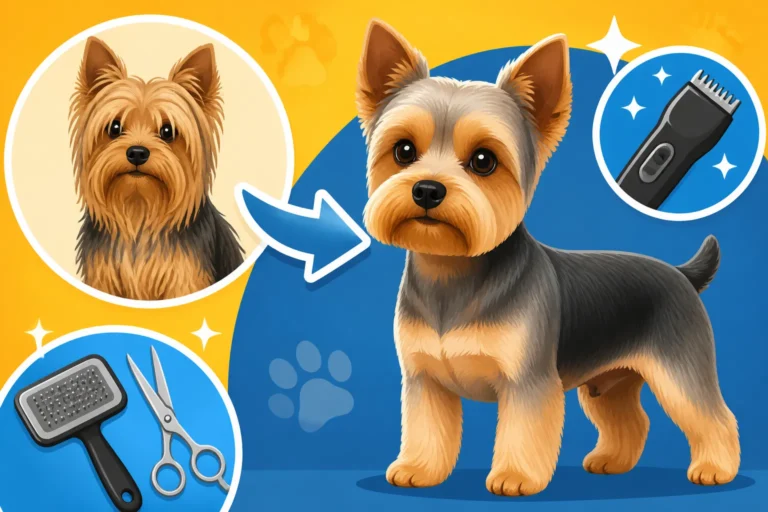
Beyond daily at-home cleaning, regular professional grooming is an invaluable part of maintaining your Yorkie's facial hygiene. A professional groomer can perform precise trims around the eyes, muzzle, and beard that are difficult to do safely at home. Trimming the hair very short in these areas, often called a "puppy cut" or a "kennel cut," can drastically reduce the surface area for food, water, and tears to cling to, thus preventing stains and mats.
Many groomers also offer "face trim" services between full grooms to keep these areas neat. Discuss with your groomer the best style for your Yorkie to keep their face clean and comfortable. A good trim around the eyes can prevent hair from irritating the cornea, which can also contribute to excessive tearing. Regular grooming also includes brushing, bathing, and general coat care, all of which contribute to overall cleanliness. For insights into different styles, check out Yorkie Puppy Cut: What to Know.
Environmental Factors and Allergy Management
Your Yorkie's environment can play a significant role in their facial cleanliness, particularly regarding tear stains and skin irritation. Dust, pollen, household cleaners, and even scented candles can act as irritants, causing watery eyes or allergic reactions. Keep their living areas clean and free of excessive dust. Consider using an air purifier, especially if your Yorkie seems sensitive to airborne allergens.
If you notice your Yorkie constantly scratching their face, rubbing their eyes, or developing redness, allergies might be at play. Common allergens include certain pollens, dust mites, and even ingredients in their shampoo. Your veterinarian can help identify potential allergens through testing and recommend appropriate allergy management strategies, which might include antihistamines, prescription diets, or environmental controls. Addressing underlying allergies is a proactive step in minimizing facial irritation and staining. Our guide on Yorkie Allergies: Signs and Relief can offer more assistance.
Keeping your Yorkie's face clean requires dedication and consistency, but it's a labor of love that contributes significantly to their health, comfort, and overall well-being. By understanding the causes, using the right tools, and implementing both daily and long-term strategies, you can ensure your beloved Yorkie sports a perpetually fresh and sparkling face.
Disclaimer
The information provided in this article is for general informational purposes only and is not a substitute for professional veterinary advice. Always consult with a qualified veterinarian for any health concerns or before making any decisions related to your pet's health and treatment.