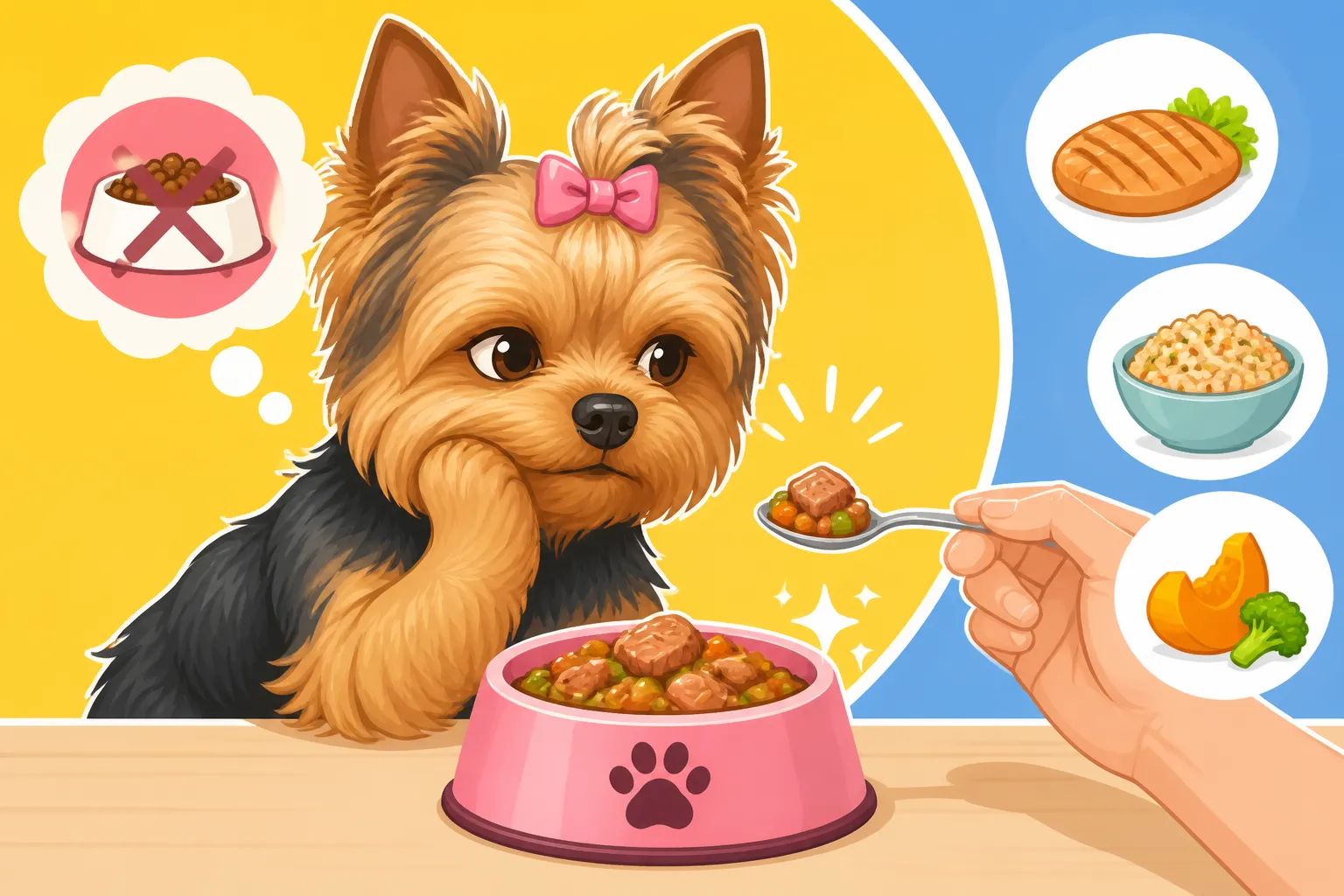
How to Feed a Picky Yorkie
It can be incredibly disheartening, and frankly, quite frustrating, when your tiny Yorkshire Terrier turns up their nose at mealtime. You've spent time and money trying to find the "perfect" food, only to watch them sniff it, walk away, and give you that look that says, "Is that all there is?" If you're wrestling with a picky Yorkie, you're not alone. These little dogs, with their big personalities, can be notorious for their discerning palates. This guide is here to help you navigate the tricky world of feeding a fussy Yorkie, offering practical tips and strategies to encourage them to eat a healthy, balanced diet.
Understanding Why Your Yorkie is a Picky Eater
Before we dive into solutions, it's really helpful to understand why your Yorkie might be turning into a mealtime snob. Sometimes it's not just "being picky"; there could be genuine underlying reasons for their lack of appetite. Recognizing these can be the first step to finding the right approach.
Medical Reasons Behind Fussy Eating
First and foremost, if your Yorkie suddenly becomes a picky eater or completely refuses food, a trip to the vet should be your absolute first step. It's easy to dismiss it as typical Yorkie behavior, but a sudden change in appetite can be a red flag for a health issue.
Imagine little Bella, who used to gobble down her breakfast, now just stares at it. It might not be the food; she could have a toothache. Yorkies are notoriously prone to dental issues, and painful gums or loose teeth can make eating incredibly uncomfortable. For more information on common health concerns, you might want to read about Yorkshire Terrier Health Problems to Know. Similarly, a sensitive stomach, undetected pancreatitis, or even issues like Yorkie Eye Problems Explained might make them feel unwell enough to lose their appetite. Even subtle pain can make a dog hesitant to eat.
Another common culprit can be gastrointestinal upset, anything from a mild tummy ache to more serious conditions. Yorkies have delicate digestive systems, and even slight changes in diet or stress can throw them off. If your Yorkie is showing other symptoms like vomiting, diarrhea, lethargy, or changes in thirst, don't hesitate to consult your veterinarian. Early diagnosis can make a world of difference.
Behavioral Factors Influencing Mealtime Habits
Once you've ruled out medical issues, it's time to consider behavior. Let's be honest, sometimes we, as loving pet parents, inadvertently teach our Yorkies to be picky.
Think about little Oscar, who learned that if he turned his nose up at his kibble, his owner would immediately offer a piece of chicken. Who wouldn't hold out for the good stuff? This is a classic case of positive reinforcement for picky eating. Our desire to ensure they eat something can lead to a cycle where they learn that refusing food leads to better, tastier options. They're smart, these tiny dogs! Additionally, some Yorkies might be stressed or anxious, especially if there's been a recent change in their environment, a new family member, or even just a noisy household during mealtime. Their sensitive nature means they can easily be put off. For tips on managing anxiety, you might find guidance in Yorkshire Terrier Separation Anxiety Solutions.
Another common scenario is a Yorkie that gets too many treats or table scraps throughout the day. If they're filling up on calorie-dense, highly palatable snacks, they won't be hungry for their regular meals. It's like a child who spoils their dinner with too many cookies; the main meal just isn't as appealing. Being mindful of when and what they're snacking on can make a huge difference in their mealtime enthusiasm.
Food-Related Considerations
Sometimes, it really is the food, or at least how it's presented. Yorkies can be particular about everything from texture to temperature.
Have you ever considered that your Yorkie might just not like the texture of their kibble? Some prefer crunch, others prefer soft, and some only eat wet food. The quality and ingredients of the food also play a huge role. Cheap fillers and artificial ingredients won't tempt a sophisticated palate, and they might not provide the best nutrition anyway. Many owners find success with higher-quality brands that use real meat and fewer artificial additives. Temperature is another overlooked factor; some dogs prefer their food slightly warmed, especially wet food or fresh options, as it releases more aroma. Stale kibble or food left out too long can also lose its appeal.
Furthermore, a Yorkie might have simply grown tired of the same old meal day in and day out. Just like us, variety can be the spice of life for them, too. Or perhaps they had a negative experience with a particular food, leading to an aversion. Maybe it gave them an upset stomach, or they just plain didn't like the taste. Observing their reaction to different types of food can offer valuable clues.
Strategies for Encouraging a Picky Yorkie to Eat
Once you've got a handle on the "why," it's time to implement some strategies. The goal here isn't to trick your Yorkie, but to make mealtime an appealing and consistent experience.
Enhancing the Food Itself
Sometimes, a little flair can go a long way in tempting a reluctant eater. You don't have to turn into a gourmet chef, but a few simple tweaks can make a big difference.
One of the easiest ways to entice a picky Yorkie is to make their food more aromatic and palatable. Many dogs, including Yorkies, find warmed food far more appealing. If you're feeding wet food or a fresh food diet, gently warming it in the microwave (check for hot spots!) or mixing it with a bit of warm water or low-sodium chicken broth can release those delicious smells that get their tails wagging. For dry kibble, adding a splash of warm water or unsalted bone broth can soften it slightly and make it more inviting. Be cautious not to add too much, as you don't want it to become soup and lose its texture entirely. You might also consider food toppers specifically designed for picky eaters – these often come in palatable powders or gravies.
Consider the presentation, too. Some Yorkies might prefer to eat from a shallow bowl rather than a deep one, especially if they have a flat face or delicate whiskers. Brands like Chewy offer a vast selection of different food types and toppers, giving you plenty of options to experiment with. You could try mixing a small amount of high-quality wet food with their kibble, or even incorporating some fresh, cooked, plain chicken or scrambled egg. Just be sure that any additions are dog-safe and in moderation to avoid upsetting their stomach or unbalancing their diet.
Establishing a Routine and Environment
Consistency and a peaceful mealtime environment are crucial for a picky eater. Chaos or unpredictable feeding times can add to their stress and disinterest.
Establishing a strict feeding schedule is one of the most effective tools in combating pickiness. Instead of free-feeding, where food is left out all day, offer meals at specific times – say, twice a day, morning and evening. Give your Yorkie 15-20 minutes to eat, and then pick up the food, even if they haven't touched it. This teaches them that food is available at certain times and won't always be there. It helps create a sense of routine and can tap into their natural instinct to eat when food is present. This method can feel tough at first, but it often works wonders. For more guidance on feeding times, explore Yorkshire Terrier Feeding Guide by Age.
The feeding environment also matters. Choose a quiet, low-traffic area where your Yorkie can eat undisturbed. This means away from busy hallways, other pets, or loud noises. Some Yorkies, being small, can feel vulnerable when eating, so a calm space is really important. Ensure their bowl is clean and comfortable. If you have multiple pets, feed them separately to prevent any competition or anxiety that might arise. This consistent, calm approach helps your Yorkie associate mealtime with a positive, predictable experience.
Addressing Behavioral Habits
This is where tough love, mixed with smart strategies, comes into play. You need to gently, but firmly, retrain your Yorkie's expectations around food.
The biggest hurdle for many owners is resisting the urge to offer alternatives the moment their Yorkie walks away from their bowl. Remember, if they learn that refusing food leads to something better, they'll keep doing it. Stick to the scheduled mealtime plan. If they don't eat within the allotted 15-20 minutes, remove the food and don't offer anything else until the next scheduled meal. This includes no treats or table scraps between meals. It sounds harsh, but a healthy dog will not starve themselves. They will learn to eat when the food is offered. This method also helps to prevent issues like Yorkie Hypoglycemia: Emergency Signs by ensuring they get consistent nutrition.
Make mealtime a positive experience without becoming a short-order cook. Instead of begging your Yorkie to eat, simply place the food down, walk away, and let them be. If they eat, great! Praise them afterwards. If not, don't make a fuss. This reduces the attention they get for not eating, which can be a form of reinforcement. Consider using puzzle feeders or slow feeder bowls if your Yorkie tends to gulp food or finds mealtime boring. These can make eating more engaging and mentally stimulating.
When to Consider a Food Change or Consult a Vet
Sometimes, despite all your efforts, the current food just isn't cutting it, or you suspect something more serious might be at play. Knowing when to escalate your approach is key.
Evaluating Current Food Options
If behavioral strategies aren't yielding results, it might genuinely be time to reassess your Yorkie's food. Not all dog foods are created equal, and what works for one dog might not work for another, especially a finicky Yorkie.
When evaluating new food, look for high-quality protein sources as the first ingredient. Yorkies thrive on good quality meat. Avoid foods with excessive fillers, by-products, or artificial colors and flavors, as these often contribute to digestive upset or simply aren't appealing. Consider formulations specifically designed for small breeds, as these often have appropriate kibble size and nutrient balance. There are countless options out there, from traditional kibble to wet food, freeze-dried raw, or fresh-cooked diets. Websites like Amazon provide a huge range of brands and reviews to help you make an informed choice. It's often beneficial to look for brands that focus on natural ingredients and minimal processing. If your Yorkie has a sensitive stomach, you might also look into novel protein sources or limited ingredient diets.
Remember, though, that jumping from one food to another too quickly can actually cause pickiness or digestive upset. If you're switching foods, do it gradually over 7-10 days, mixing increasing amounts of the new food with decreasing amounts of the old. This helps their digestive system adjust and prevents them from getting sick, which could reinforce their aversion to new foods. For a deep dive into options, check out Best Dog Food for Yorkshire Terriers.
Red Flags and Veterinary Consultation
While many picky eating habits are behavioral, there are definite signs that warrant an immediate call to your vet. Don't delay if you notice any of these.
Any sudden and complete refusal of food, especially if it lasts for more than 24 hours, is a serious concern for a small breed like a Yorkie, who can be prone to conditions like hypoglycemia. If your Yorkie is also exhibiting other symptoms such as lethargy, vomiting, diarrhea, unexplained weight loss, increased thirst, or changes in urination, it's crucial to seek veterinary attention right away. These can be indicators of serious underlying health conditions that require medical intervention. For comprehensive advice on urgent situations, refer to When to Take Your Yorkie to the Vet.
Your vet can perform a thorough examination, including blood work or other diagnostics, to rule out any medical causes for their lack of appetite. They can also offer tailored dietary advice or recommend appetite stimulants if necessary. Sometimes, simply knowing there's no medical issue can give you peace of mind and help you focus on behavioral adjustments. Don't underestimate the expertise of a professional, especially with a breed known for its specific health needs.
DIY and Fresh Food Options for Fussy Eaters
For some truly stubborn picky eaters, moving beyond commercial kibble or traditional wet food might be the ultimate solution. Fresh food options, whether homemade or commercially prepared, can be incredibly tempting.
Homemade Meal Preparation
Preparing homemade meals for your Yorkie can be a wonderful way to control ingredients and provide fresh, palatable food, but it requires careful planning to ensure nutritional completeness.
If you decide to go the homemade route, it's paramount to work with your veterinarian or a canine nutritionist to formulate a balanced diet. Simply feeding cooked chicken and rice, while appealing, won't provide all the necessary vitamins, minerals, and other nutrients your Yorkie needs long-term. They can guide you on appropriate protein sources (like lean chicken, turkey, or beef), healthy carbohydrates (such as sweet potato, pumpkin, or brown rice), and essential fats and vegetables. Ingredients like steamed green beans, carrots, or blueberries can add flavor and nutrients. For specific guidance, you might find Yorkshire Terrier Homemade Food helpful. It's a commitment, but many owners find the effort pays off in their Yorkie's improved health and enthusiasm for meals.
Always be aware of foods toxic to dogs, such as onions, garlic, grapes, and xylitol. Cooking methods should be simple, typically boiling or steaming, and avoid heavy seasonings, salt, or excessive oils. Storage is also a consideration; homemade food typically needs to be prepared in batches and refrigerated or frozen.
Fresh Food Services
If the idea of cooking for your Yorkie daily feels overwhelming, but you still want the benefits of fresh ingredients, commercial fresh food delivery services are a fantastic middle-ground.
Companies like Ollie offer human-grade, fresh-cooked meals delivered right to your door. These services typically create recipes formulated by veterinary nutritionists, ensuring they are nutritionally complete and balanced for dogs. They often allow for customization based on your dog's age, weight, and any allergies or sensitivities, making them an excellent choice for picky eaters. The appeal of fresh, real food, often with visible ingredients, can be irresistible to even the fussiest Yorkie. Many owners report a significant improvement in appetite, coat health, and energy levels after switching to fresh food diets.
While they can be more expensive than traditional kibble, the convenience and potential health benefits are often worth the investment for owners struggling with a picky eater. You simply scoop and serve, eliminating the need for ingredient sourcing and cooking. It provides the best of both worlds: fresh, wholesome food without the daily kitchen commitment.
Combining Approaches for Best Results
You don't have to commit to one single feeding style. Often, a hybrid approach works best, especially for a truly picky Yorkie.
Many owners find success by combining dry kibble with fresh food toppers or mixing in a bit of homemade goodness. For example, you could feed a high-quality dry kibble for their main meal, but add a spoonful of plain cooked chicken, some unsweetened pumpkin puree, or a small portion of a fresh food service like Ollie to entice them. This can make the kibble more appealing without completely transitioning away from it, which can be a cost-effective and convenient solution. It also adds variety, which many picky Yorkies appreciate.
Another strategy is to use a high-quality kibble, perhaps purchased from a reputable retailer like Chewy, as the base and then alternate different types of wet food or fresh additions to keep things interesting. The key is to find what truly motivates your individual Yorkie while ensuring they still receive all the necessary nutrients. Patience and persistence are your best friends in this journey.
Picky Eating Problem & Solution Guide
| Problem | Why it Happens (Common Causes) | Quick Solution | Long-Term Strategy | When to See a Vet |
|---|---|---|---|---|
| Walks away from food | Boredom, holding out for better options, full from treats | Offer food for 15-20 min, then remove. No treats. | Establish strict meal schedule. Limit/eliminate treats. Consider food toppers or slight variety. | If no food for 24+ hours, lethargy, or other symptoms. |
| Sniffs, then ignores | Stale food, dislikes texture/smell, medical discomfort | Warm food slightly, add a splash of bone broth. | Experiment with different textures (wet, fresh) or high-quality brands. Check for dental issues with a vet. | If accompanied by pawing at mouth, pain, or bad breath (dental). |
| Eats only "human" food/scraps | Learned behavior (reinforced by owner), high palatability | Stop all table scraps immediately. | Stick to dog food only. Be firm: what's in the bowl is what's for dinner. | If extreme weight loss due to refusal of all dog food. |
| Eats slowly, leaves food | Not very hungry, too many distractions, stomach upset | Feed in a quiet spot. Reduce meal portion slightly. | Stick to consistent meal times in a calm environment. Consider smaller, more frequent meals. | If slow eating is new and accompanied by other illness signs. |
| Sudden refusal to eat anything | Medical issue (dental pain, GI upset, illness), stress | Check for obvious injury. Offer highly palatable dog-safe snack (e.g., plain chicken). | IMMEDIATE VET VISIT is critical, especially for small Yorkies prone to hypoglycemia. | IMMEDIATELY. This is a red flag, especially for Yorkies. |
| Doesn't like new food after switch | Too fast a transition, genuine dislike of new food, sensitivity | Revert to old food (if possible), or try another new food. | Gradual transition (7-10 days). If still no interest, the food may not be a good fit. Look for novel proteins or different ingredient profiles. | If vomiting, diarrhea, or allergic reactions to new food. |
Ultimately, feeding a picky Yorkie requires a blend of patience, observation, and consistency. While it can be frustrating, remember that your little companion relies on you to make good dietary choices for them. By understanding the root causes of their pickiness, implementing smart feeding strategies, and knowing when to seek professional help, you can help your Yorkie develop healthier eating habits and enjoy their mealtime.
Disclaimer
This article is intended for informational purposes only and is not a substitute for professional veterinary advice. Always consult with a qualified veterinarian for any health concerns or before making significant changes to your pet's diet or care routine.