How to Prevent Yorkie Eye Boogers
Few things are as instantly recognizable to a Yorkie parent as those pesky eye boogers, turning our otherwise pristine pups into little crusty-eyed bandits. It’s a common complaint, leaving many of us wondering if it’s normal, a sign of something more serious, or just an unavoidable part of owning these adorable dogs. This guide will walk you through understanding why Yorkies get eye discharge, how to prevent excessive buildup, and when it’s time to consult your vet.
Understanding Yorkie Eye Discharge
It's easy to dismiss a little gunk in your Yorkie's eyes as just "sleep," but understanding the difference between normal and concerning discharge is crucial for their long-term eye health. Our furry friends can't tell us when something's bothering them, so it's up to us to be diligent observers.
What is Normal Eye Discharge versus When to Worry
Just like humans, dogs produce a small amount of mucus to keep their eyes lubricated and to flush out irritants. This normal discharge is typically clear or a very light brownish-red, dries to a small, crusty accumulation, and usually appears in the corners of their eyes after a long nap or first thing in the morning. It should be easy to wipe away without irritation. If you see this occasionally and it doesn't cause your Yorkie any discomfort, it's generally nothing to fret about. Think of it as their equivalent of our morning eye crusties.
However, if the discharge becomes excessive, changes color to green, yellow, or a thick white, or is accompanied by other symptoms, it’s a red flag. Watch out for signs like redness in the whites of the eyes, swelling around the eyelids, excessive tearing, squinting, pawing at the face, sensitivity to light, or if the discharge smells foul. These are all indicators that something more serious might be at play, from infections to underlying health conditions, and warrant a professional opinion. Ignoring these signs can lead to worsening conditions or chronic discomfort for your beloved Yorkie.
Common Causes of Eye Boogers in Yorkies
Yorkies are particularly prone to eye issues, partly due to their delicate facial structure and long, flowing hair. One of the most common culprits is simply hair irritation. Their facial hair can easily wick tears into the surrounding fur, creating a moist environment ripe for bacterial growth and stain accumulation, or even poke directly into the eye, causing irritation and increased discharge. This is why many Yorkie parents opt for top knots or regular trims around the eyes.
Beyond hair, environmental factors play a huge role. Dust, pollen, household cleaners, smoke, or even strong perfumes can act as irritants, causing your Yorkie's eyes to produce more tears and discharge to flush them out. Allergies, whether environmental or food-related, can also manifest as itchy, watery, and boogery eyes. Imagine how uncomfortable it must be for them to constantly have something irritating their eyes! Additionally, certain health conditions like dry eye (keratoconjunctivitis sicca), where the eyes don't produce enough lubricating tears, can lead to thick, mucoid discharge as the eye tries to compensate. Issues with tear ducts, such as blockages, can also cause overflow and staining. For more in-depth information on potential health concerns, you might want to read our article on Yorkie Eye Problems Explained.
Daily Prevention and Care Strategies
Preventing excessive eye boogers often comes down to a consistent daily routine. It's not just about aesthetics; it's about keeping your Yorkie comfortable and healthy. A little effort each day can make a world of difference.
Regular Grooming and Hair Management
The battle against eye boogers starts with meticulous grooming, especially around your Yorkie's face. Their long, fine hair, a hallmark of the breed, can be a double-edged sword. While beautiful, it can easily get into their eyes, causing constant irritation and tear production. Regular trims around the eyes are absolutely essential. If you're comfortable, you can carefully use blunt-nosed scissors to trim the hair very short around the eye area, making sure not to poke them. For many, taking their Yorkie to a professional groomer every 4-6 weeks for a "puppy cut" or a "teddy bear cut" that includes facial trimming is the safest and most effective option.
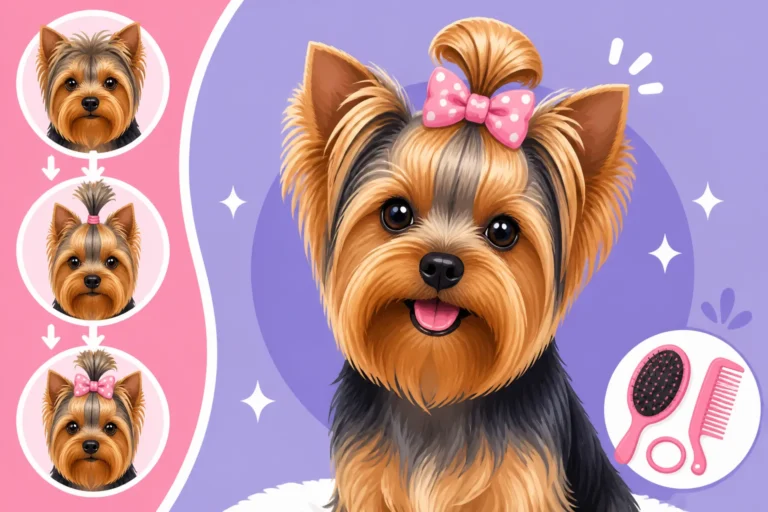
For those with longer-haired Yorkies, keeping their top knot tied up is not just a fashion statement; it's a practical necessity. Using small, soft hair ties or clips to keep the hair out of their eyes significantly reduces irritation. Make sure the ties aren't too tight, which could cause discomfort or even lead to hair loss. Brushing their facial hair daily with a fine-toothed comb, like a flea comb, can also help prevent tangles and remove any loose hairs before they become eye irritants. You can find excellent grooming tools, including specialized small combs and blunt-nosed scissors, on platforms like Chewy or Amazon. Consistent grooming is paramount for maintaining overall hygiene, as detailed in our comprehensive Yorkshire Terrier Grooming Guide.
Keeping Eyes Clean and Hydrated
Beyond managing hair, a daily eye cleaning routine is vital. Start by gently wiping away any existing discharge with a soft, damp cloth or a specialized dog eye wipe. Never use harsh chemicals or human eye drops unless directed by a vet. For persistent tear stains and crust, a veterinarian-approved saline eye wash or a gentle, pH-balanced eye cleanser can be very effective. Simply apply a few drops to a clean cotton ball and gently wipe from the inner corner of the eye outwards. Be sure to use a fresh cotton ball for each eye to prevent cross-contamination.
Maintaining proper hydration for your Yorkie is also beneficial for overall eye health. Ensure they always have access to fresh, clean water. Sometimes, filtered water can even help reduce mineral deposits that might contribute to tear staining, though this varies from dog to dog and isn't a guaranteed fix for everyone. If you notice their eyes seem dry, or if the discharge is consistently thick and sticky, it might indicate a condition like dry eye. In such cases, your vet might recommend specific lubricating eye drops to keep their eyes comfortable and functioning properly. For detailed steps on cleaning, refer to our guide on How to Groom a Yorkie's Eyes.
Environmental Considerations
Your Yorkie's environment plays a much larger role in eye health than you might realize. Just like people, dogs can react to irritants in their surroundings. Dust is a huge culprit; if your home tends to be dusty, increased vacuuming and dusting can make a difference. Consider using an air purifier, especially in rooms where your Yorkie spends a lot of time, to reduce airborne allergens and irritants. These small particles can easily get into their eyes, triggering excess tear production and subsequent boogers.
Drafts from open windows, air conditioning units, or even car vents blowing directly into your Yorkie's face can dry out their eyes or introduce irritants, leading to increased discharge. When traveling or when air is circulating, try to shield their eyes. Furthermore, strong chemical fumes from cleaning products, cigarette smoke, or even heavily scented candles and diffusers can irritate their sensitive eyes and respiratory systems. Opt for pet-safe, unscented cleaning products and ensure good ventilation when using any household chemicals. Creating a clean, calm, and well-ventilated living space is a simple yet effective way to protect your Yorkie's eyes.
Dietary and Lifestyle Influences
What your Yorkie eats and how they live can have a surprising impact on their eye health. A holistic approach that considers diet and overall well-being can contribute significantly to reducing eye boogers.
The Role of Diet in Eye Health
Believe it or not, your Yorkie's diet can directly influence the amount and type of eye discharge they produce. Food allergies or sensitivities are a common, yet often overlooked, cause of chronic eye issues, including excessive tearing and crusty eyes. If your Yorkie is reacting to an ingredient in their food, their body might manifest this with skin issues, digestive upset, and eye irritation. Common allergens include certain proteins (like chicken or beef), grains (like corn or wheat), and artificial additives.
Consider switching to a high-quality, limited-ingredient dog food or a novel protein diet if you suspect food allergies. Brands like Ollie offer fresh, human-grade meal options that can be excellent for dogs with sensitivities, as they often contain fewer common allergens and no artificial preservatives. Similarly, many reputable brands available on Chewy or Amazon offer sensitive stomach or limited ingredient formulas specifically designed to minimize allergic reactions. Pay attention to how your Yorkie reacts to different foods; if a change in diet correlates with a reduction in eye discharge, you might have found your answer. Choosing the Best Dog Food for Yorkshire Terriers is a key part of their overall health.
Hydration and Overall Health
Adequate hydration is fundamental for every aspect of your Yorkie's health, including their eyes. When a dog is even mildly dehydrated, their body's systems, including tear production, can be affected. Good hydration ensures that tears are produced in sufficient quantity and quality to properly lubricate the eyes and flush out irritants. Encourage your Yorkie to drink plenty of fresh water throughout the day. If they're not keen on drinking, try adding a splash of low-sodium broth to their water bowl, or offer wet food to increase their fluid intake.
Beyond hydration, a strong immune system and overall good health contribute to preventing eye issues. Regular veterinary check-ups are essential to catch any underlying health problems early. Ensuring your Yorkie is up-to-date on vaccinations and parasite prevention also plays a role in their general wellness, which in turn supports healthy eyes. A healthy Yorkie is better equipped to fight off minor infections and manage environmental irritants without excessive eye discharge.
Supplements for Eye Health
While not a magic bullet, certain nutritional supplements can support overall eye health and potentially reduce inflammation or improve tear quality, indirectly helping with eye boogers. Omega-3 fatty acids, commonly found in fish oil supplements, are well-known for their anti-inflammatory properties. These can be beneficial for dogs suffering from allergies or dry eye, as they help reduce inflammation in the body, including around the eyes. Always choose a high-quality, vet-approved fish oil supplement and follow dosage instructions carefully.
Antioxidants like Vitamins C and E, lutein, and zeaxanthin are also recognized for their protective roles in eye health, particularly against oxidative stress which can contribute to various eye conditions. Some dog foods are fortified with these, or they can be given as separate supplements. Before introducing any new supplement to your Yorkie's diet, it's always best to consult your veterinarian. They can advise on the appropriate type and dosage based on your dog's specific health needs and any existing conditions, ensuring it complements their current diet and medication.
When to Seek Veterinary Advice
As attentive as we try to be as pet parents, there are times when DIY solutions simply aren't enough. Knowing when to escalate a situation to a professional is key to preventing minor issues from becoming major problems for your Yorkie.
Signs That Warrant a Vet Visit
While a small amount of clear morning discharge is usually normal, there are definite warning signs that indicate a vet visit is necessary. If your Yorkie's eye discharge suddenly increases dramatically, changes color to yellow, green, or thick white, or develops a foul odor, don't delay. These are strong indicators of an infection, which often requires prescription medication to resolve. Any redness, swelling, or persistent squinting around the eyes, suggesting pain or discomfort, also warrants immediate attention.
Other red flags include your Yorkie pawing at their face excessively, rubbing their eyes on furniture, or showing unusual sensitivity to light. If their third eyelid is visible or if the eye itself appears cloudy, dull, or has a film over it, these could be symptoms of more serious conditions ranging from corneal ulcers to glaucoma. Even if you're just unsure, it's always better to err on the side of caution. Many eye conditions can progress rapidly and lead to vision impairment if not treated promptly. For critical symptoms, refer to Yorkie Emergency Symptoms to Never Ignore.
Common Eye Conditions in Yorkies
Yorkies are unfortunately predisposed to several eye conditions that can cause chronic discharge and discomfort. One of the most common is keratoconjunctivitis sicca, or "dry eye," where the tear glands don't produce enough tears, leading to thick, stringy discharge. Another frequent issue is conjunctivitis, an inflammation of the conjunctiva (the lining of the eyelids and part of the eyeball), often caused by allergies, irritants, or bacterial/viral infections.
Tear duct blockages or abnormalities can prevent tears from draining properly, leading to overflow and excessive staining. Eyelid abnormalities, such as entropion (inward rolling eyelids) or ectropion (outward rolling eyelids), can also cause chronic irritation. Less common but more serious conditions include corneal ulcers, which are painful open sores on the eye's surface, and even early-onset cataracts or progressive retinal atrophy, which can affect vision. Understanding these possibilities is why consulting a vet is so important when symptoms persist or worsen. Our guide on Yorkshire Terrier Health Problems to Know provides a broader overview.
Diagnostic and Treatment Options
When you bring your Yorkie to the vet for eye issues, they'll typically start with a thorough ocular examination. This might involve using an ophthalmoscope to look into the eye, and possibly a Schirmer tear test to measure tear production, especially if dry eye is suspected. They may also use fluorescein stain to check for corneal ulcers, which highlights any abrasions or damage on the eye's surface. If an infection is suspected, a bacterial culture might be taken.
Treatment will vary greatly depending on the diagnosis. For simple irritations, a vet might prescribe anti-inflammatory eye drops or an antibiotic ointment. Dry eye often requires lifelong treatment with lubricating drops and medications to stimulate tear production, such as Optimmune or Tacrolimus eye drops. Allergic reactions might be managed with antihistamines or allergy-specific eye drops. In cases of tear duct blockages or eyelid abnormalities, surgical correction might be recommended. It's crucial to follow your veterinarian's instructions precisely and administer all medications as prescribed to ensure the best possible outcome for your Yorkie's precious eyes. Knowing When to Take Your Yorkie to the Vet is the first step towards their recovery.
| Symptom Category | Normal Eye Discharge | Concerning Eye Discharge | What to Do |
|---|---|---|---|
| Appearance | Clear, light brown, small crusts | Yellow, green, thick white, excessive, watery | Consult Vet |
| Consistency | Thin, easily wiped | Thick, sticky, stringy, pus-like | Consult Vet |
| Frequency | Morning, after naps | Constant, throughout the day | Consult Vet |
| Associated Signs | None | Redness, swelling, squinting, pawing, sensitivity to light, bad odor | Consult Vet Immediately |
| Behavior | No discomfort | Pain, irritation, rubbing eyes | Consult Vet |
Disclaimer
The information provided in this article is for general informational purposes only and is not a substitute for professional veterinary advice. Always consult with a qualified veterinarian for any health concerns or before making any decisions related to your pet's health and treatment.