How Often Yorkies Need Grooming
One of the most common worries for new Yorkshire Terrier parents, and even seasoned ones, is figuring out how often their little companion actually needs to be groomed. It’s easy to feel overwhelmed by the sheer amount of hair and the seemingly endless list of tasks, leading to confusion and sometimes, neglected coats. This comprehensive guide is here to walk you through every aspect of Yorkie grooming frequency, helping you establish a routine that keeps your furry friend looking their best and feeling comfortable, without the stress.
Understanding the Unique Yorkie Coat
Before we dive into the nitty-gritty of grooming schedules, it's crucial to understand what makes a Yorkshire Terrier's coat so distinctive. This isn't just any dog hair; it's a silken, flowing marvel that requires specific attention to maintain its beauty and health. Many people think all dog hair is the same, but with a Yorkie, that couldn't be further from the truth.
The Silky, Single Layer
Unlike many dog breeds that boast a double coat with a dense undercoat for insulation, Yorkshire Terriers are famous for their single-layer, fine, silky hair. This hair is often described as similar to human hair, both in its texture and its continuous growth cycle. This means it doesn't shed in large clumps like many other breeds; instead, individual hairs are shed continuously, much like our own hair. This characteristic is why Yorkies are often considered a good choice for people with allergies, though no dog is truly 100% hypoallergenic.
However, this "human-like" quality comes with its own set of responsibilities. Because the hair grows continuously and is so fine, it's incredibly prone to tangles, knots, and mats. These aren't just cosmetic issues; severe matting can pull on your Yorkie's skin, causing pain, irritation, and even skin infections. Imagine having your own long hair perpetually tangled and knotted against your scalp – it wouldn't be comfortable at all. This unique coat type dictates a more frequent and dedicated grooming routine than many other breeds.
Growth Patterns and Texture Variations
A Yorkie's coat isn't just uniform in its silkiness; it also has specific growth patterns and can show slight variations in texture. The hair grows quite long, particularly on their heads, ears, and tails, and can reach floor-length if left untrimmed. This long growth, while beautiful, is a magnet for dirt, debris, and tangles. The iconic "top knot" isn't just a style choice; it's often a practical necessity to keep the hair out of their eyes, preventing irritation and potential vision problems.
You might also notice some texture differences in your Yorkie's coat. Some Yorkies have a slightly coarser texture, while others boast that signature ultra-fine, super-silky feel. These variations can influence how quickly their coat mats and how easily it can be brushed through. For instance, a coarser coat might tangle less, but might also be more prone to collecting burrs if your Yorkie loves adventuring outdoors. A super-fine coat might feel luxurious but can mat almost instantly with static or friction. Understanding your individual Yorkie's coat type will help you tailor their grooming needs and prevent common issues like Yorkie Hair Loss: When to Worry.
Essential Grooming Tasks and Their Frequency
Grooming a Yorkshire Terrier isn't just about a fancy haircut; it's a comprehensive process involving several key tasks that need to be performed regularly to ensure their overall health and well-being. Skipping any of these can lead to discomfort, health problems, and a much more difficult time when you eventually get around to it.
Brushing: The Daily Must-Do
If there’s one grooming task that you absolutely cannot skimp on with a Yorkie, it’s brushing. Their long, silky coat is an invitation for tangles and mats, and if left unattended for even a day or two, these can quickly become serious problems. Think of it like brushing a toddler's fine hair after a day of play – if you wait too long, it's a nightmare. For a Yorkie, it's even more critical.
Frequency: Ideally, your Yorkie should be brushed daily. Yes, daily! This isn't just about looking good; it's about comfort and preventing painful mats. A quick 10-15 minute session each day can prevent hours of painstaking detangling later on. If your Yorkie has a shorter "puppy cut" or a very active lifestyle, you might get away with every other day, but daily is truly the gold standard. Tools like a pin brush and a steel comb, readily available on platforms like Amazon or Chewy, are absolute essentials for keeping their coat pristine. For detailed tips, check out our guide on How to Brush a Yorkie's Coat.
Bathing: Finding the Right Balance
Bathing your Yorkie is essential for keeping their coat clean, free of odors, and to help prevent skin irritations. However, too much bathing can strip their skin and hair of natural oils, leading to dryness and irritation. It's a delicate balance to strike, especially given their fine hair.
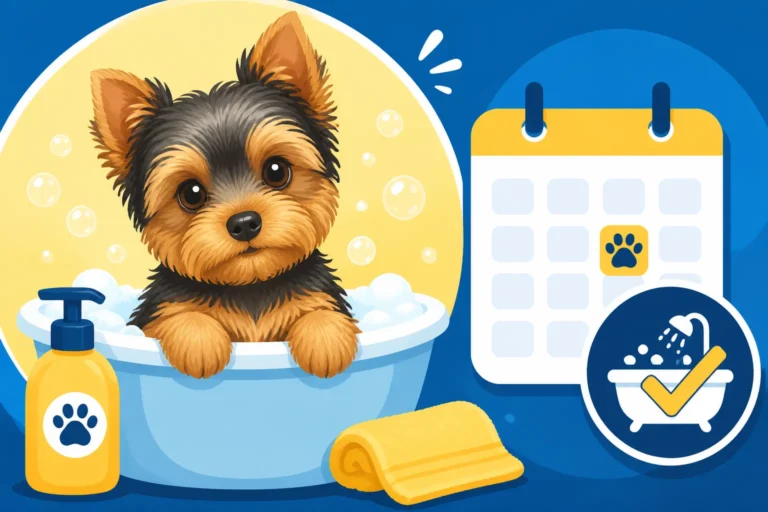
Frequency: Generally, a Yorkie should be bathed every 2-4 weeks. This frequency helps maintain cleanliness without over-drying their skin. If your Yorkie gets particularly dirty from outdoor adventures or has a skin condition that requires medicated shampoo, you might need to adjust this. Always use a high-quality shampoo and conditioner specifically formulated for dogs, preferably one that is moisturizing and helps with detangling. Brands like Earthbath or TropiClean offer excellent options for sensitive skin and silky coats. Our article, How Often to Bathe a Yorkshire Terrier, provides even more specific advice.
Nail Trimming: Keeping Paws Healthy
Overgrown nails aren't just unattractive; they can cause significant discomfort and even lead to serious health issues for your Yorkie. Long nails can affect their gait, leading to joint problems, pain, and difficulty walking. They can also snag and tear, which is incredibly painful and often requires a vet visit.
Frequency: Yorkie nails typically need to be trimmed every 2-4 weeks. You'll know it's time when you can hear their nails clicking on hard floors. If you're nervous about trimming their nails yourself (which is totally normal!), don't hesitate to ask your vet or a professional groomer to show you how, or to simply do it for you. There are various nail clippers and grinders available, and finding one that you and your Yorkie are comfortable with is key. It’s also a good idea to desensitize them to nail trims from a young age, so they associate it with positive experiences. For a detailed walkthrough, refer to How to Trim a Yorkie's Nails.
Ear Cleaning: Preventing Infections
Yorkies, with their sometimes floppy or semi-erect ears and long hair around them, can be prone to ear infections if their ears aren't kept clean and dry. Hair can grow inside the ear canal, trapping moisture and debris, creating a perfect breeding ground for bacteria and yeast.
Frequency: Check your Yorkie's ears weekly. If you notice any redness, unusual odor, excessive scratching, or discharge, it’s time for a cleaning or a vet visit. Otherwise, a gentle cleaning with a vet-approved ear cleaning solution every 2-4 weeks is usually sufficient. Make sure to only clean the parts of the ear you can see and never insert anything deep into the ear canal. Regular checks can also help you spot signs of issues early, helping prevent more serious problems like Yorkie Ear Infections: Prevention.
Eye Area Maintenance: Tackling Tear Stains
Many Yorkies are susceptible to tear staining, which manifests as reddish-brown discoloration under their eyes. While often harmless, it can look unsightly and, if severe, can lead to skin irritation underneath the matted hair. This is especially true for Yorkies with lighter colored coats.
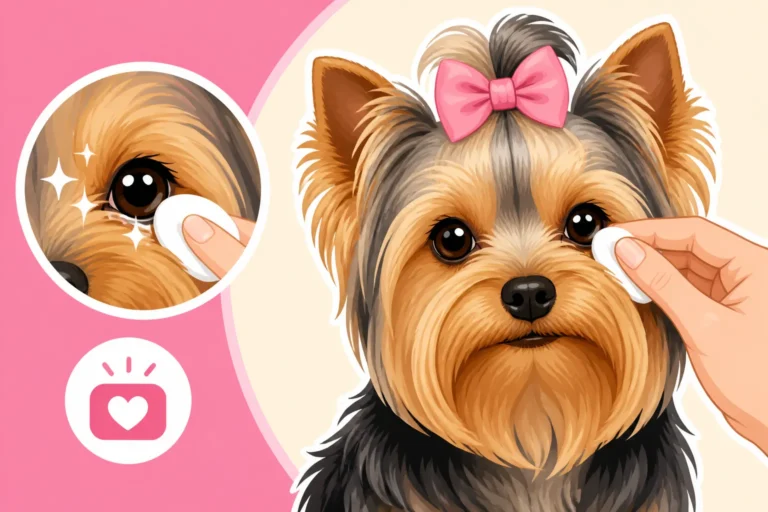
Frequency: The area around your Yorkie's eyes should be cleaned daily or every other day, especially if they are prone to tear stains. Use a soft, damp cloth or a specialized eye wipe to gently clean away any discharge or crust. Keeping the hair around their eyes trimmed short or tied up in a top knot helps immensely. Products specifically designed to reduce tear stains can also be effective, but consistent cleaning is your best defense. Our guide on How to Clean Yorkie Tear Stains offers more tips and tricks.
Haircuts and Professional Grooming Schedules
While daily home grooming is the foundation, most Yorkies will benefit significantly from regular haircuts, whether done by you or a professional. The type of haircut your Yorkie has directly impacts how frequently they'll need touch-ups.
Popular Yorkie Haircuts and Their Maintenance
Yorkies can sport a variety of adorable haircuts, each with its own maintenance demands. Choosing a style often comes down to personal preference, your Yorkie's lifestyle, and how much time you're willing to dedicate to at-home care.
-
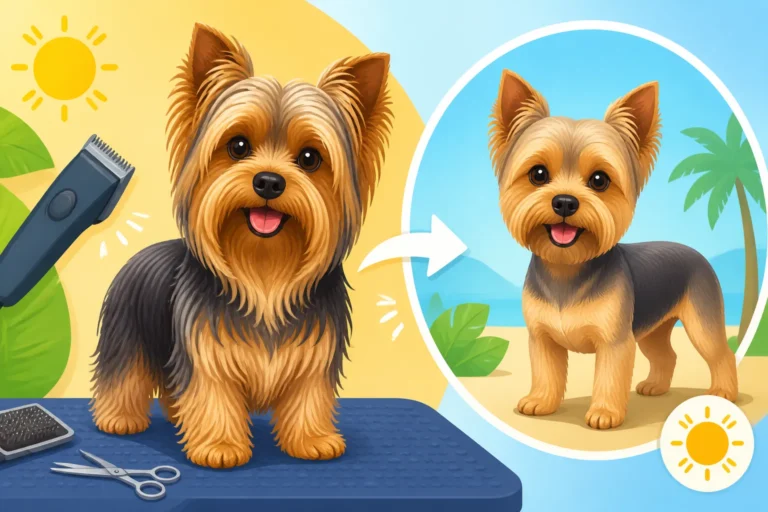
The Puppy Cut: This is by far the most popular and low-maintenance style. The hair is cut short all over, usually to about half an inch to an inch in length. This significantly reduces matting and makes daily brushing much quicker and easier. If your Yorkie has a puppy cut, they'll typically need a trim every 6-8 weeks to maintain the length and shape. It’s a fantastic option for active Yorkies or owners who prefer less intensive grooming. To learn more about this adorable style, check out Yorkie Puppy Cut: What to Know.
-
The Teddy Bear Cut: Similar to the puppy cut but often leaving the hair slightly longer, particularly on the face, to create a rounded, teddy bear-like appearance. This style offers a good balance between the classic long coat and the practicality of a short cut. Maintenance is similar to the puppy cut, requiring trims every 6-8 weeks, but with a bit more attention to the facial hair to keep it neat.
-
The Show Cut (Long Coat): This is the traditional, floor-length coat that you see in dog shows. It's undeniably stunning but requires an immense amount of dedication. The hair is kept long, often wrapped in special papers to protect it, and requires daily, extensive brushing, conditioning, and meticulous care to prevent any tangles or mats. For pet Yorkies, this style is incredibly high-maintenance and not practical for most households, as it easily collects debris and requires constant attention. If you opt for a show cut (or something close to it), your Yorkie might still need minor trims every 4-6 weeks to tidy up the ends and maintain health.
When to Schedule Professional Grooming
Even if you're diligent with at-home grooming, professional grooming offers a level of expertise and equipment that can make a real difference. A professional groomer can tackle stubborn mats, perform intricate trims, and ensure your Yorkie looks and feels their absolute best.
Frequency: For most Yorkies with a puppy or teddy bear cut, professional grooming appointments are recommended every 4-8 weeks. This allows the groomer to give a full bath, blow-dry, haircut, nail trim, ear cleaning, and sanitary trim. If your Yorkie has a longer coat, or if you're struggling with matting, you might need to schedule appointments closer to the 4-week mark. Establishing a consistent schedule with a trusted groomer not only keeps your Yorkie looking great but also helps prevent serious coat issues from developing. Many groomers offer subscription-based services, making it easier to stick to a routine.
Factors Influencing Grooming Frequency
While general guidelines are helpful, every Yorkie is an individual, and their grooming needs can vary. Several factors play a significant role in determining how often your specific Yorkie will need grooming. It’s not a one-size-fits-all situation, and understanding these nuances will help you fine-tune your approach.
Lifestyle and Activity Level
Your Yorkie's daily life has a huge impact on how quickly their coat gets dirty and tangled. A couch potato Yorkie will generally need less frequent intensive grooming than an adventurous outdoor explorer.
-
Outdoor Enthusiasts: If your Yorkie loves to run through fields, play in the park, or even just roll around in the backyard, they're going to pick up more dirt, leaves, burrs, and other debris. This means more frequent brushing, especially after outdoor excursions, and potentially more frequent baths. Their longer hair will act like a magnet for everything outside, so a shorter cut might be a practical consideration for these active pups.
-
Indoor Companions: Yorkies who spend most of their time indoors, especially in a clean environment, will naturally stay cleaner. Their coats might not accumulate as much external grime, allowing for slightly longer intervals between baths. However, daily brushing is still non-negotiable, as indoor living doesn't prevent matting from friction or natural shedding.
-
Puppies vs. Adults vs. Seniors:
- Puppies often have softer, fluffier coats that can mat easily. They also tend to get into more mischief, requiring more clean-ups. Early and frequent grooming also helps them get accustomed to the process. Our Yorkshire Terrier Puppy Health Guide emphasizes the importance of early grooming.
- Adult Yorkies usually have a fully developed silky coat, which can be managed with a consistent routine.
- Senior Yorkies might have thinner or drier skin and coats, requiring gentler grooming products and perhaps more frequent brushing to stimulate circulation. They might also be less tolerant of long grooming sessions due to joint pain, making shorter, more frequent sessions ideal.
Coat Length and Style
As discussed, the length of your Yorkie's hair directly correlates with the amount of grooming required. This is perhaps the most significant factor you can control.
-
Longer Coats: If you adore the elegant, flowing long coat, be prepared for a significant time commitment. Daily, meticulous brushing is absolutely essential, along with regular conditioning treatments to keep the hair healthy and prevent breakage. Any debris caught in the long hair will quickly lead to mats. Professional grooming might focus more on bathing, conditioning, and minor trims to keep the ends healthy.
-
Shorter Cuts (Puppy, Teddy Bear): These styles are a lifesaver for busy owners. With the hair trimmed to a manageable length, matting is drastically reduced. While daily brushing is still recommended to keep the coat smooth and shiny, it takes far less time. Baths can be slightly less frequent (though not by much), and professional grooming appointments will primarily be for maintaining the chosen cut. This option significantly simplifies the overall grooming burden.
Health Concerns and Allergies
Your Yorkie's health can also dictate special grooming needs. Certain conditions might require specific products or more frequent attention to particular areas.
-
Skin Allergies: Yorkies are prone to allergies, which can manifest as itchy, flaky, or inflamed skin. For dogs with allergies, special hypoallergenic or medicated shampoos, often recommended by your vet, might be necessary. This might also mean more frequent soothing baths to manage symptoms, or specific dietary changes (perhaps even trying brands like Ollie) that can improve skin and coat health from within. Always consult your vet if you suspect allergies.
-
Ear or Eye Infections: If your Yorkie is prone to ear infections, you'll need to clean their ears more frequently and keep the hair around them meticulously trimmed to promote airflow. Similarly, chronic eye discharge or infections will necessitate more frequent eye cleaning and potentially medicated drops, as discussed in Yorkie Eye Problems Explained.
-
Dental Health: While not directly coat grooming, dental care is a crucial part of overall Yorkie health. Many Yorkies are prone to dental disease, so regular tooth brushing should be part of your daily routine. This, along with professional dental cleanings, is vital. You can find specialized toothbrushes and dog-friendly toothpaste on Chewy or Amazon.
Creating a Personalized Grooming Schedule for Your Yorkie
Now that we’ve covered the general guidelines and influencing factors, let’s put it all together to help you design a tailored grooming schedule that works for you and your beloved Yorkie. Remember, consistency is far more important than intensity when it comes to Yorkie grooming.
Puppy Grooming Considerations
Bringing home a Yorkie puppy is an exciting time, and establishing good grooming habits early on is paramount. Their early experiences will shape their attitude towards grooming for life.
-
Early Acclimation: Start gentle brushing, paw handling, and ear touching from day one, even if they don't need a full groom yet. Use lots of positive reinforcement with treats and praise. Short, frequent sessions are better than long, overwhelming ones. This helps them associate grooming with pleasant experiences, making future sessions much easier. Think of it as a crucial part of their Yorkshire Terrier Puppy Training Schedule.
-
First Haircut: Many puppies get their first professional trim around 3-4 months old, often a "puppy trim" to tidy up the face and sanitary areas. This helps introduce them to the grooming salon environment without being too overwhelming.
-
Hypoglycemia Risk: Yorkie puppies, especially tiny ones, are susceptible to hypoglycemia (low blood sugar), which can be exacerbated by stress or lack of food during long grooming sessions. Ensure they eat before grooming and take breaks. Our guide on How to Prevent Hypoglycemia in Yorkie Puppies has more information.
Adult and Senior Yorkie Grooming Needs
As your Yorkie matures, their coat and body change, requiring slight adjustments to their grooming routine.
-
Maintaining Consistency: For adult Yorkies, stick to the established daily brushing routine and regular professional grooming appointments (every 4-8 weeks depending on coat style). This consistency is what keeps their coat healthy and prevents major issues. If you notice any changes in their coat texture or skin, consult your vet.
-
Addressing Senior Sensitivities: Older Yorkies may have more sensitive skin, joint pain, or reduced tolerance for standing for long periods.
- Gentle Handling: Be extra gentle when brushing and bathing, supporting their joints.
- Softer Brushes: You might need to switch to a softer brush or a wider-tooth comb if their skin seems more delicate.
- Warm Water: Ensure bath water is comfortably warm.
- Shorter Sessions: Break grooming sessions into shorter, more frequent intervals to prevent fatigue.
- Ramps/Steps: If your senior Yorkie has trouble getting onto grooming tables, consider using ramps or doing some grooming on the floor.
- Our Yorkshire Terrier Senior Care Guide offers broader advice for aging Yorkies.
Here’s a helpful table summarizing typical grooming frequencies:
| Grooming Task | Recommended Frequency (General) | Notes |
|---|---|---|
| Brushing | Daily | Essential for preventing mats, especially with long coats. Shorter coats may be every other day. |
| Bathing | Every 2-4 weeks | Use dog-specific shampoo and conditioner. Adjust for dirty activities or skin conditions. |
| Nail Trimming | Every 2-4 weeks | Trim when nails click on hard floors. Prevents pain and gait issues. |
| Ear Cleaning | Every 2-4 weeks | Check weekly. Clean only if needed with veterinary-approved solution. |
| Eye Area Cleaning | Daily | Crucial for preventing tear stains and eye irritation, especially for light-colored Yorkies. |
| Haircuts | Every 6-8 weeks | For puppy/teddy bear cuts. Long coats might need minor trims every 4-6 weeks for neatness. |
| Professional Groom | Every 4-8 weeks | Includes bathing, drying, full haircut, nail trim, ear cleaning, sanitary trim. |
| Teeth Brushing | Daily | Helps prevent dental disease. Use dog-specific toothpaste and brush. |
Essential Grooming Tools and Products
Having the right tools makes all the difference in making grooming an enjoyable experience for both you and your Yorkie. Investing in quality products will save you time and frustration in the long run. Many of these essential items can be found conveniently on Chewy or Amazon.
Brushes, Combs, and Detanglers
These are your primary weapons against mats and tangles. Don't skimp on quality here; cheap tools can pull hair and cause discomfort.
- Pin Brush: This is your everyday workhorse for general brushing and detangling. Look for one with rounded pins to prevent scratching your Yorkie's delicate skin. A good quality pin brush, often available on Amazon, will glide through their silky coat.
- Steel Comb: Essential for getting through deeper tangles and checking for any mats the pin brush might have missed. A comb with both wide and fine teeth is versatile. Use the wide teeth first, then the fine teeth, especially around sensitive areas like the face, ears, and under the legs.
- Slicker Brush: While not for daily use on a long coat (it can pull and damage the fine hair), a slicker brush can be useful for quickly fluffing up a shorter cut or for working out minor tangles in a very carefully controlled manner.
- Detangling Spray: A good detangling spray can be a game-changer. Spritz it on before brushing to help loosen knots and reduce static, making the comb glide through more easily. These are available from various brands on Chewy.
- Mat Splitter/Dematter: For those stubborn mats that refuse to budge. Use with extreme caution and always with a detangling spray. If a mat is too tight, it’s best left to a professional groomer to avoid injuring your Yorkie.
Shampoos, Conditioners, and Eye Wipes
Choosing the right cleansing and conditioning products is vital for maintaining skin and coat health.
- Dog-Specific Shampoo: Never use human shampoo on your Yorkie, as it can be too harsh and disrupt their skin's pH balance. Opt for a gentle, moisturizing dog shampoo, preferably one formulated for sensitive skin or long, silky coats. Brands like Burt's Bees for Pets or Earthbath often get good reviews for being gentle and natural.
- Conditioner: A leave-in or rinse-out conditioner is a must for Yorkies. It helps to hydrate their hair, makes it softer, and significantly reduces tangles and static, making brushing much easier. Look for conditioners with ingredients like oatmeal or aloe vera.
- Eye Wipes/Stain Remover: For addressing tear stains, specialized eye wipes or gentle tear stain removers can be very effective. Always choose products that are safe for use around the eyes.
- Ear Cleaning Solution: A vet-approved ear cleaning solution is crucial for keeping their ears clean and preventing infections. Always ensure it's specifically for dogs.
- Nail Clippers/Grinder: Decide whether you prefer clippers (scissor-style or guillotine-style) or a nail grinder. Both have pros and cons, and it often comes down to personal preference and what your Yorkie tolerates best. You can find a wide selection on Amazon.
Remember, grooming is not just about aesthetics; it's a vital part of your Yorkie's overall health and comfort. By understanding their unique coat, establishing a consistent routine, and using the right tools, you can ensure your tiny companion stays happy, healthy, and looking fabulous.
Disclaimer
This guide offers general information and recommendations. Always consult with your veterinarian for specific advice regarding your Yorkshire Terrier's health, diet, and grooming needs, especially if they have pre-existing conditions or allergies.