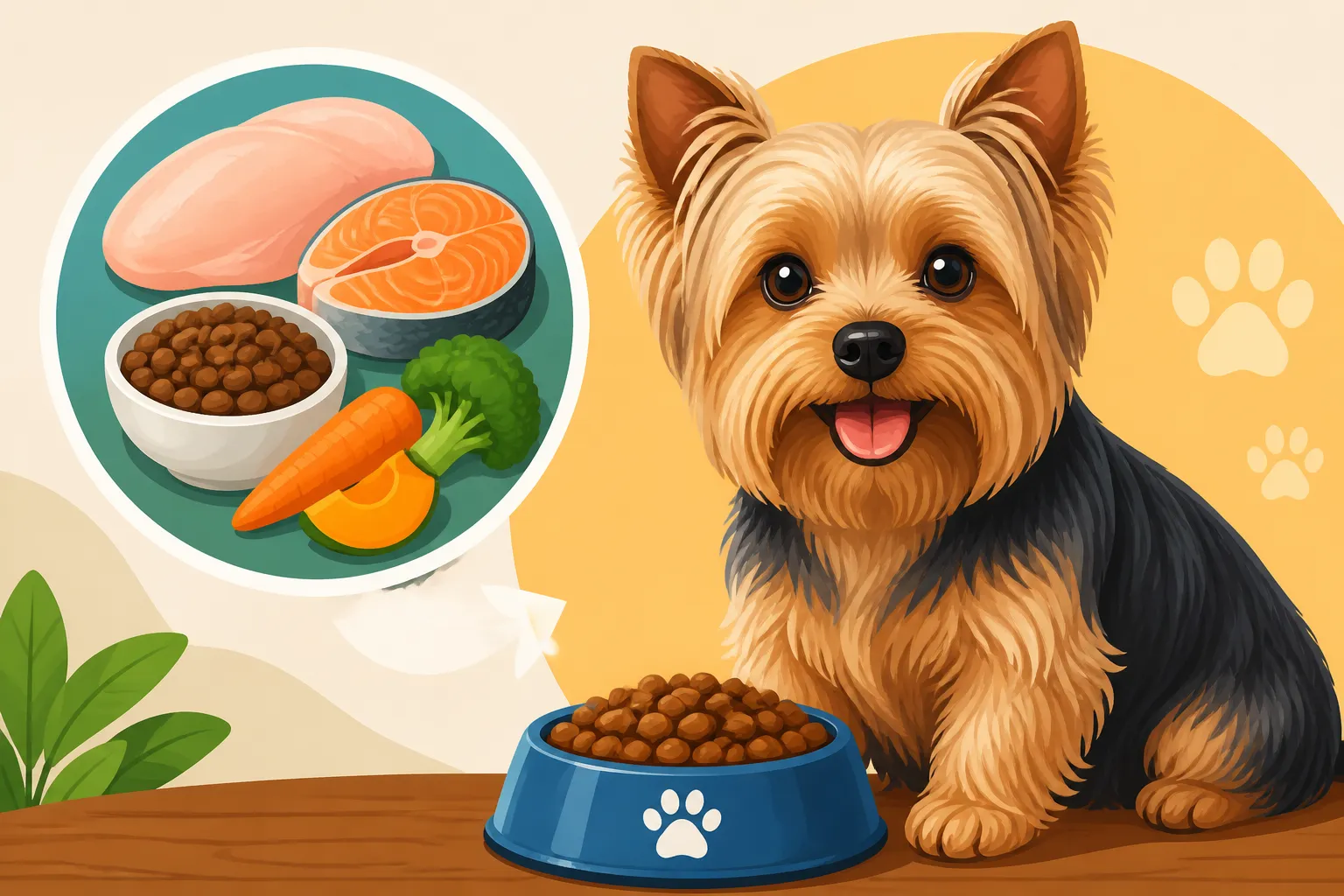
How to Feed an Adult Yorkie
Figuring out the perfect diet for your adult Yorkshire Terrier can feel like navigating a minefield of conflicting advice, endless kibble options, and those soulful puppy-dog eyes begging for just a little bit of your dinner. It’s tough because our little Yorkies have unique needs, and what works for a Labrador certainly won't work for them. This guide is here to cut through the confusion and provide a comprehensive roadmap to ensure your adult Yorkie is well-nourished, happy, and thriving, from selecting the right food to mastering portion control.
Understanding Your Adult Yorkie's Unique Nutritional Blueprint
Yorkshire Terriers might be small in stature, but their nutritional needs are mighty and specific. They're not just scaled-down versions of larger dogs; their metabolism, activity levels, and propensity for certain health issues all influence what and how they should eat. As they transition from their rambunctious puppy phase to adulthood, typically around 10-12 months old, their dietary requirements shift significantly.
The Metabolism of a Small Breed Dog
One of the biggest factors that sets a Yorkie apart is their high metabolism. Think of them as tiny, energetic furnaces. They burn through calories much faster than a larger dog, which means they need calorie-dense food. However, this high metabolism also means they can easily become hypoglycemic if they don't eat regularly or if their diet lacks proper nutrients. This is especially true for the smaller "teacup" varieties or those with extremely active lifestyles. You'll often notice if your Yorkie skips a meal or goes too long without food; they might become lethargic, shaky, or just generally "off." It's not just pickiness; it's their body telling you they need fuel.
Their small mouths and delicate digestive systems also play a role. They need kibble that's appropriately sized to prevent choking and to make it easier to chew and digest. Larger kibble might seem like a small issue, but it can lead to dental problems or even disinterest in eating if it's too difficult for them to manage. Moreover, their digestive tracts can be quite sensitive, making them prone to issues like upset stomachs, diarrhea, or constipation if their food isn't suitable. This is why many Yorkie owners often find themselves searching for foods specifically formulated for small breeds with sensitive stomachs.
Essential Nutrient Requirements for Adult Yorkies
When you're scrutinizing those dog food labels – and trust me, you should be scrutinizing them – you're looking for a balance of proteins, fats, carbohydrates, vitamins, and minerals. It's like building a strong foundation for a house; every component needs to be just right.
First up, protein. Your adult Yorkie needs a good amount of high-quality protein to maintain their lean muscle mass. Look for real meat sources as the first ingredient, such as chicken, lamb, turkey, or salmon. These aren't just filler; they're crucial for tissue repair, enzyme production, and a strong immune system. Generally, adult dogs need around 18-25% crude protein in their diet.
Next, fats. Healthy fats are a concentrated source of energy for your active Yorkie and are vital for a healthy coat and skin. Think omega-3 and omega-6 fatty acids, often found in fish oil, flaxseed, or chicken fat. These contribute to that silky, flowing Yorkshire Terrier coat that we all adore and help keep their skin moisturized and itch-free. A fat content of 10-15% is usually a good target for adult Yorkies.
Carbohydrates provide readily available energy. Complex carbohydrates like sweet potatoes, brown rice, and oats are preferable over simple sugars or excessive fillers like corn and soy, which can be harder for some Yorkies to digest and may contribute to allergies. Fiber, a type of carbohydrate, is also crucial for digestive health, helping to regulate bowel movements and prevent constipation.
Finally, a proper blend of vitamins and minerals supports everything from bone health to vision and immune function. A reputable dog food formulated for small breeds or all life stages will typically have these balanced. Avoid foods with artificial colors, flavors, or preservatives, as these can sometimes trigger allergies or sensitivities in small dogs. For more on ensuring your pup stays in tip-top shape, check out our guide on how to keep a Yorkshire Terrier healthy.
Choosing the Best Food for Your Adult Yorkie
Selecting the right dog food can feel overwhelming with the sheer number of options on the market. From kibble to fresh food, grain-free to limited ingredient diets, it's a lot to sift through. But for your adult Yorkie, the key is to find something that is not only nutritious but also palatable and easily digestible.
Dry Kibble Advantages and Considerations
Dry kibble is the most common and often the most convenient choice for many Yorkie owners. Its primary benefits include promoting dental health by scraping away plaque as your dog chews, and its long shelf life. When choosing a kibble, pay close attention to the ingredient list. The first few ingredients should be identifiable protein sources like deboned chicken, salmon meal, or lamb. Avoid foods that list "meat by-products" or "animal digest" as primary proteins, as these can be less digestible and of lower quality.
The kibble size is paramount for a Yorkie. Their tiny jaws and teeth mean they need small, easily chewable pieces. Many brands, like Royal Canin, specifically formulate kibble shapes and sizes for toy breeds, making it easier for them to pick up and chew. You'll find a wide selection of these specialized kibbles on platforms like Chewy, making it easy to compare and select based on your Yorkie's preferences and needs.
While kibble is great, some Yorkies can be picky eaters or may struggle with the dryness of kibble, especially as they get older or if they have dental issues. In these cases, you might consider mixing a little wet food in with their kibble to make it more appealing or adding a bit of warm water to soften it. You might also want to look into Yorkshire Terrier Wet Vs Dry Food options for a deeper dive into which might be best for your specific pup.
Wet and Fresh Food Options
Wet food can be a fantastic option, either as a standalone diet or mixed with kibble. It's often more palatable, has higher moisture content (great for hydration), and can be easier for Yorkies with sensitive teeth or a history of dental problems to eat. However, it can also be more expensive and typically doesn't offer the same dental benefits as crunchy kibble.
"Fresh food" diets have gained popularity, and for good reason. Brands like Ollie prepare human-grade, gently cooked meals that are customized to your dog's specific caloric needs based on their age, weight, and activity level. These diets can be incredibly beneficial for Yorkies with allergies or sensitive stomachs, as they often contain fewer processed ingredients and more easily digestible whole foods. If your Yorkie has been struggling with digestive upset, exploring fresh food might be a game-changer. Just remember that fresh food generally requires refrigeration and has a shorter shelf life once opened.
Regardless of whether you choose dry, wet, or fresh, the key is quality. Look for complete and balanced nutrition statements from the Association of American Feed Control Officials (AAFCO) on the label, which indicates the food meets specific nutritional standards for your adult Yorkie.
Specialized Diets for Specific Needs
Some adult Yorkies come with their own unique dietary challenges, and that's totally normal! It’s not uncommon for them to develop food allergies, sensitive stomachs, or require weight management.
- Sensitive Stomachs: If your Yorkie frequently experiences vomiting, diarrhea, or gas, they might have a sensitive stomach. Look for limited ingredient diets (LIDs) that have fewer components, making it easier to identify and avoid potential allergens. Novel protein sources like duck or venison can also be helpful. Many veterinarians recommend brands like Hill's Science Diet or Purina Pro Plan for gastrointestinal issues. For more targeted advice, our article on Yorkshire Terrier Food For Sensitive Stomach can offer additional insights.
- Allergies: Food allergies in Yorkies often manifest as skin irritation, itching, ear infections, or digestive upset. Identifying the allergen usually involves an elimination diet under veterinary supervision. Once identified, a specialized diet free from that ingredient is crucial. Grain-free options are often explored, but it's important to discuss this with your vet, as some grain-free foods have been linked to potential heart issues in some breeds.
- Weight Management: It's surprisingly easy for a tiny Yorkie to become overweight, especially if they're not getting enough exercise or are overfed. An overweight Yorkie is at higher risk for joint problems like
Yorkshire Terrier Patellar Luxationand other health issues. For these pups, a diet formulated for weight loss, typically lower in calories and fat but still high in protein and fiber, is essential. These foods help your Yorkie feel full without consuming excess calories. You might find our article on Yorkshire Terrier Food For Weight Loss particularly useful if you're navigating this issue. - Dental Health: As Yorkies are prone to dental disease, some kibbles are specifically designed to help clean teeth as they chew. Dental chews and water additives can also supplement their routine. However, nothing replaces regular veterinary dental check-ups and brushing your Yorkie's teeth.
No matter the issue, always consult with your veterinarian before making significant changes to your Yorkie's diet, especially if they have health concerns. Your vet can provide tailored recommendations and help you choose the best plan.
Establishing a Feeding Schedule and Portion Control
Once you've chosen the perfect food, the next crucial step is nailing down a consistent feeding schedule and accurate portion control. This is where many well-meaning Yorkie owners inadvertently go astray, leading to issues like picky eating or weight gain.
How Often to Feed an Adult Yorkie
For most adult Yorkshire Terriers, feeding them twice a day is ideal. This usually means a meal in the morning and another in the evening, roughly 8-12 hours apart. This schedule helps regulate their blood sugar levels, which is particularly important for small breeds prone to hypoglycemia. It also helps manage their appetite, preventing them from feeling overly hungry and gulping down their food too quickly, which can lead to digestive upset.
Some Yorkies, especially those who are highly active or very small, might benefit from three smaller meals a day. This can be discussed with your vet based on your dog's individual needs and activity level. Consistency is key, regardless of how many meals you choose. Dogs thrive on routine, and a predictable feeding schedule helps their digestive system function optimally.
Free-feeding, where food is left out all day, is generally not recommended for adult Yorkies. While it might seem convenient, it makes portion control impossible, can lead to overeating and obesity, attracts pests, and makes it harder to monitor your dog's appetite (a sudden disinterest in food can be an early sign of illness). Scheduled meals also make potty training easier, as you can predict when your Yorkie will need to go outside after eating. Our article Yorkshire Terrier Feeding Guide by Age provides more detailed insights into transitions across different life stages.
Determining the Right Portion Size
This is perhaps the most critical part of feeding your adult Yorkie. Overfeeding, even by a small amount, can quickly lead to weight gain in such a tiny dog. The general guideline is to follow the feeding instructions on your dog food packaging, which usually provides a daily amount based on your dog's weight. However, these are just starting points.
Here's a breakdown of how to fine-tune portion sizes:
- Read the Label: Most quality dog foods will have a feeding chart. For example, a food might recommend 1/4 to 1/2 cup for a dog weighing 5-10 pounds. Measure this daily amount accurately with a dedicated pet food scoop or kitchen scale, then divide it into your morning and evening meals.
- Consider Activity Level: Is your Yorkie a couch potato or an active adventurer? Highly active dogs will need more calories than sedentary ones. Adjust the recommended amount up or down by about 10-15% initially, observing their weight.
- Monitor Body Condition: This is your best tool. You should be able to feel your Yorkie's ribs easily without seeing them protruding. They should have a visible waist when viewed from above and a tucked-up abdomen from the side. If you can't feel their ribs, they're likely overweight. If their ribs are very prominent, they might be underweight.
- Factor in Treats: Treats contribute to daily calorie intake! Be mindful of how many treats you're giving and adjust their main meal portion accordingly. Treats should ideally make up no more than 10% of their daily calories.
- Consult Your Vet: When in doubt, your veterinarian is your best resource. They can assess your Yorkie's ideal weight and provide specific calorie recommendations. For more specific guidance on measuring, refer to our article How Many Cups of Food Does a Yorkie Need.
Here’s a general guideline for calorie intake, keeping in mind individual needs vary wildly:
| Yorkie Weight (lbs) | Estimated Daily Calories (kcal) | Typical Kibble (cups/day) * |
|---|---|---|
| 3-5 | 150-200 | 1/3 – 1/2 |
| 6-8 | 220-280 | 1/2 – 2/3 |
| 9-12 | 300-380 | 2/3 – 3/4 |
| *Based on a kibble with approx. 350-400 kcal/cup. Always check your specific food's label. |
Remember, consistency and observation are your best friends in ensuring your Yorkie gets the right amount of food to maintain a healthy weight and energy level.
The Role of Water Intake
Often overlooked, fresh, clean water is just as important as food. Yorkies, like all dogs, need constant access to water to stay hydrated, aid digestion, and support overall organ function. Dehydration can quickly become serious for small dogs.
Always keep a bowl of fresh water available. If your Yorkie isn't drinking much, consider getting a stainless steel bowl (some dogs don't like plastic) or a pet water fountain, which can entice them to drink more. During hot weather or after exercise, they'll need even more. If you notice your Yorkie drinking excessively or not at all, it's worth a call to your vet, as these can be signs of underlying health issues.
Addressing Common Feeding Challenges with Adult Yorkies
Even with the best intentions and the perfect food, feeding an adult Yorkie can sometimes present challenges. These little divas can be particular, and understanding their quirks can help you navigate common hurdles.
Dealing with Picky Eaters
Ah, the infamous picky Yorkie! Many owners commiserate over a Yorkie who turns up their nose at mealtime. It's frustrating when you've invested in quality food, only for it to sit untouched.
Here are some strategies to coax your picky eater:
- Rule out Health Issues: First and foremost, if your Yorkie suddenly becomes a picky eater or stops eating entirely, a vet visit is crucial. Dental pain, an upset stomach, or other illnesses can easily put them off their food. This is particularly important for smaller breeds like Yorkies who can quickly go downhill if they aren't eating.
- Stick to a Schedule: Free-feeding often contributes to pickiness. When food is always available, there's no urgency. Offer food for 15-20 minutes, then pick it up, even if they haven't eaten. Don't offer anything else until the next scheduled meal. They'll learn to eat when food is presented. It sounds harsh, but it often works wonders.
- Enhance Palatability:
- Warm Water/Broth: Adding a little warm, low-sodium chicken or beef broth (ensure it's onion/garlic free) can make kibble more appealing.
- Wet Food Topper: A spoonful of high-quality wet food mixed in can be irresistible.
- Safe Human Food: A tiny bit of plain, cooked chicken breast or boiled egg can sometimes jumpstart their appetite. Only use these sparingly as toppers, not as the main component of their diet.
- Rotate Foods (Carefully): While it’s generally good to stick to one food for consistency, if your Yorkie is truly bored, a slow transition to a different flavor or brand within the same quality standard might help. However, do this gradually over 7-10 days to avoid stomach upset.
- Limit Treats: If your Yorkie is filling up on treats between meals, they won't be hungry for their actual food.
- Minimize Distractions: Feed your Yorkie in a quiet, calm area away from commotion.
Patience is key here. It can take time, but a consistent approach will often teach your Yorkie that mealtime is non-negotiable. If your Yorkie is a real challenge, you might find more specialized tips in our guide on How to Help a Picky Yorkie Eat.
Managing Food-Related Sensitivities and Allergies
As mentioned earlier, Yorkies can be prone to digestive upset and allergies. Recognizing the signs is the first step to finding a solution.
Signs of Food Sensitivity or Allergy:
- Digestive Issues: Chronic diarrhea, vomiting, excessive gas, loose stools.
- Skin Problems: Itching, scratching, red skin, hot spots, recurrent ear infections, hair loss (especially around the ears and tail).
- Respiratory Issues: Though less common with food allergies, some dogs might develop coughing or wheezing.
If you suspect a food sensitivity or allergy, the best course of action is to work with your veterinarian. They will likely recommend an elimination diet, which involves feeding a novel protein (one your dog has never eaten before, like venison or duck) and a novel carbohydrate for several weeks to see if symptoms resolve. After this, ingredients are slowly reintroduced to pinpoint the culprit.
Once the allergen is identified, you'll need to commit to a strict diet free of that ingredient. This often means choosing limited ingredient diets (LID) or prescription diets specifically formulated for sensitive dogs. Brands available on platforms like Amazon often carry various LID options, but always double-check the ingredient list meticulously. Remember, even tiny amounts of an allergen can trigger a reaction.
Maintaining a Healthy Weight
Obesity in Yorkies is a silent epidemic that can lead to a host of health problems, including diabetes, heart disease, respiratory issues, and increased strain on their delicate joints, exacerbating conditions like Yorkie Knee Problems Explained. Because they are so small, even an extra pound or two can significantly impact their health.
Tips for Weight Management:
- Accurate Portions: Reiterate the importance of precise measuring. Use a kitchen scale for ultimate accuracy.
- Calorie-Controlled Treats: Choose low-calorie training treats or use tiny pieces of healthy options like carrots, green beans, or blueberries as rewards.
- Increased Exercise: Even though they're small, Yorkies need daily exercise. Short, brisk walks twice a day, indoor play sessions, and interactive toys can help burn calories. Our article Yorkshire Terrier Exercise Needs has some great ideas.
- Regular Vet Check-ups: Your vet can help you monitor your Yorkie's weight and adjust their diet as needed. They can also rule out any medical conditions contributing to weight gain.
- Be Mindful of Table Scraps: Resist those adorable begging eyes! Human food can be too rich, fatty, or even toxic for Yorkies. Even small amounts can quickly add up to excess calories.
Maintaining a healthy weight is one of the most loving things you can do for your adult Yorkie, significantly contributing to their longevity and quality of life. Regularly assess their body condition and adjust their intake accordingly.
Final Thoughts on Feeding Your Adult Yorkie
Feeding your adult Yorkshire Terrier isn't just about pouring kibble into a bowl; it's a critical component of their overall health, happiness, and lifespan. By understanding their unique metabolic needs, choosing high-quality, appropriate food, establishing a consistent schedule, and diligently controlling portions, you're setting them up for success.
Don't be afraid to consult your veterinarian if you're facing persistent challenges or have concerns about your Yorkie's diet. They are your best partner in ensuring your furry companion receives optimal nutrition. With a little care and attention, your adult Yorkie will thrive, full of the vibrant energy and charming personality we all adore.
Disclaimer
The information provided in this article is for general informational purposes only and is not a substitute for professional veterinary advice. Always consult with a qualified veterinarian for any health concerns or before making any changes to your dog's diet or healthcare routine.