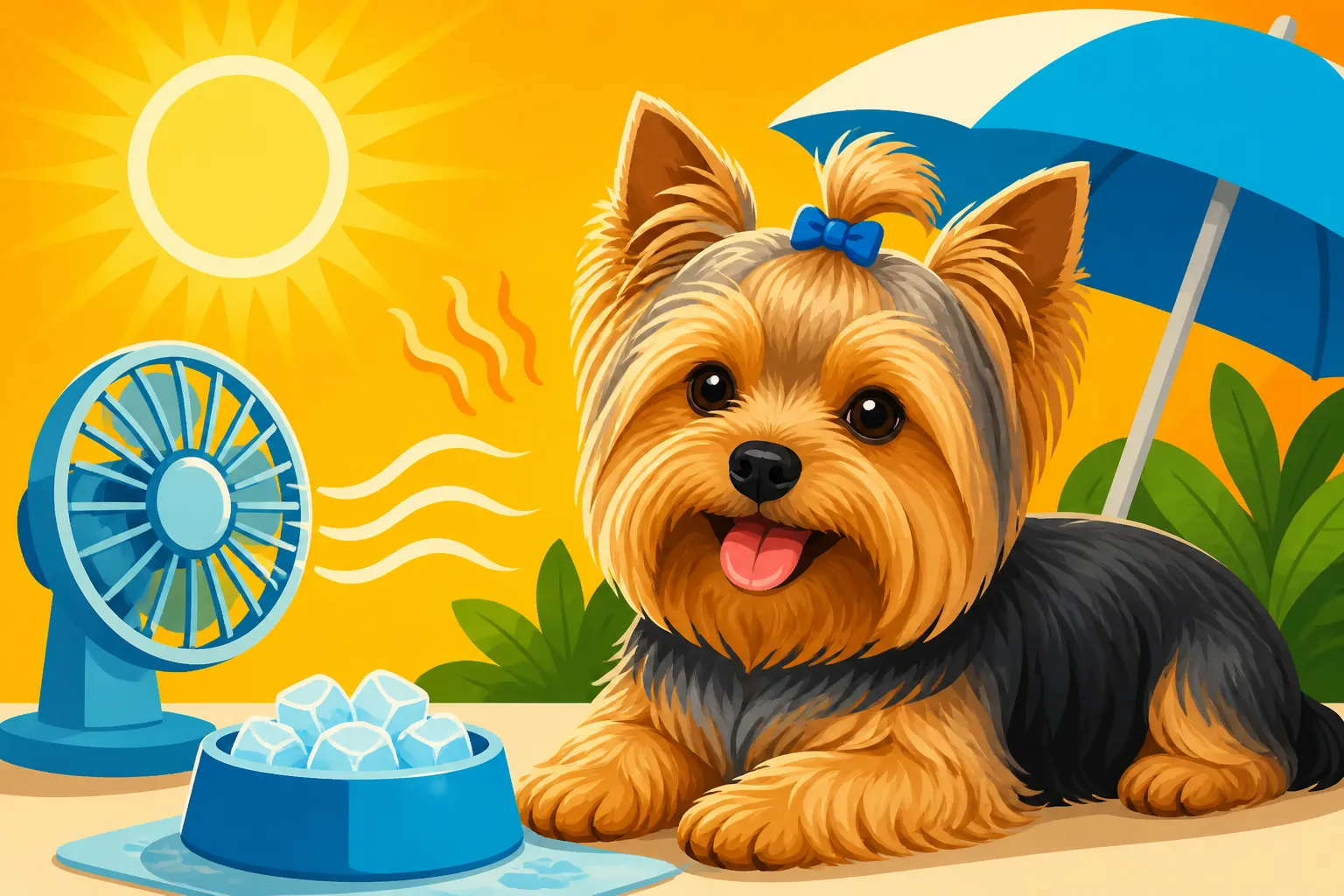
How Yorkies Handle Hot Weather
Those sweltering summer days, or even unexpectedly warm spring and autumn afternoons, can be a real worry for us Yorkie parents. Our tiny companions aren't built to handle extreme heat the way some larger, more robust breeds might be, and it’s heart-wrenching to see them struggle. This comprehensive guide will walk you through everything you need to know about how Yorkshire Terriers handle hot weather, from understanding their vulnerabilities to implementing preventative measures and knowing exactly what to do in an emergency.
Understanding Your Yorkie's Vulnerability to Heat
It’s easy to assume that because Yorkies have hair, not fur, they might be better equipped for heat. But that's a common misconception that can put them at serious risk. Their small size and unique physiology mean they are often more susceptible to overheating than many other dog breeds.
Why Small Breeds Struggle in Heat
Yorkshire Terriers, like many small breeds, have a higher surface area to volume ratio compared to larger dogs. This might sound counterintuitive, but it means they can sometimes absorb heat faster relative to their body mass. More importantly, their tiny bodies have less capacity to cool down effectively. They don’t sweat through their skin like humans do; instead, they primarily regulate their body temperature through panting. When the air itself is hot and humid, panting becomes a less efficient cooling mechanism because there's less temperature difference between their body and the surrounding air. Imagine trying to cool yourself with a fan in a hot, humid bathroom – it just circulates warm air.
Furthermore, while Yorkies typically don't have the extremely short, "brachycephalic" snouts of breeds like Pugs or Bulldogs, their respiratory systems are still delicate and small. Any pre-existing respiratory issues, even minor ones, can be exacerbated by heat, making their breathing labored and compromising their ability to cool off. A long, silky coat, while beautiful, can also trap heat if not properly maintained, acting like an insulating blanket. This makes understanding proper Yorkshire Terrier Grooming Guide essential year-round.
Recognizing Signs of Heat Stress and Heatstroke
Knowing the difference between normal panting after a short burst of play and panting that indicates serious heat stress is crucial. Early intervention can literally be life-saving for your Yorkie.
-
Mild Heat Stress: This often presents as excessive panting – more rapid and deeper than usual. Your Yorkie might seem restless, seeking out cool spots, or appear slightly lethargic. Their gums might be a little redder than normal, and they might drool a bit more. They may also appear dizzy or disoriented. These are warning signs that you need to act on immediately to prevent progression. For a broader overview of concerns, it's always good to refresh your knowledge on Yorkshire Terrier Health Problems to Know.
-
Severe Heatstroke: This is an emergency. Symptoms will escalate rapidly. Your Yorkie’s panting will become extremely heavy and noisy, almost like gasping. Their gums might turn bright red, bluish, or even pale, indicating a lack of oxygen. They may start vomiting or have diarrhea, which can sometimes be bloody. Muscle tremors, staggering, collapsing, or even seizures are dire signs. Their body temperature will be dangerously high (over 104°F or 40°C), and they might lose consciousness. If you see these severe signs, this falls under Yorkie Emergency Symptoms to Never Ignore, and immediate veterinary care is non-negotiable.
Here’s a quick comparison of the symptoms:
| Symptom | Mild Heat Stress | Severe Heatstroke |
|---|---|---|
| Panting | Excessive, rapid, deep | Extremely heavy, noisy, gasping, struggling |
| Energy Level | Restless, lethargic, seeking cool spots | Staggering, collapsing, unable to stand, unconscious |
| Gums | Brighter red than normal | Bright red, bluish, or pale |
| Saliva/Drooling | Increased drooling | Thick, sticky saliva, excessive drooling |
| Other Physical | Dizziness, disorientation, seeking shade | Vomiting, diarrhea (possibly bloody), muscle tremors |
| Body Temperature | Slightly elevated (102.5°F – 104°F) | Dangerously high (over 104°F) |
| Urgency | Immediate action required to cool | Emergency veterinary care needed IMMEDIATELY |
Proactive Measures for Keeping Your Yorkie Cool
Prevention is always better than cure, especially when it comes to heat exposure for our furry friends. A few simple adjustments to your routine and home environment can make all the difference in keeping your Yorkie safe and comfortable when the mercury rises.
Hydration Strategies
Keeping your Yorkie properly hydrated is probably the most straightforward and vital thing you can do. Just like us, water helps regulate their body temperature and replaces fluids lost through panting.
Always ensure your Yorkie has constant access to fresh, cool water. This means multiple water bowls strategically placed around the house, especially in their favorite resting spots. On really hot days, dropping a few ice cubes into their water bowl can encourage them to drink more and also help cool the water down. For outdoor adventures or even just short walks, a portable water bottle and collapsible bowl are absolute must-haves. You can find a fantastic selection of durable and easy-to-use options at pet supply retailers like Chewy, ensuring you're never caught without a way to give your pup a drink. Remember, consistency is key; always offer water, even if they don't seem thirsty. For more detailed information on their water intake, refer to our guide on How Much Water Should a Yorkie Drink.
Adjusting Exercise Routines
Exercise is vital for your Yorkie’s health and happiness, but the timing of those walks becomes critical in hot weather. The general rule of thumb is to avoid the hottest parts of the day, which are typically between 10 AM and 4 PM.
Instead, schedule walks for early mornings, when the air is still cool and refreshing, or late evenings, after the sun has set and the pavement has had a chance to cool down. Speaking of pavement, it’s a silent killer. Asphalt and concrete can absorb and retain heat, reaching temperatures that can easily burn your Yorkie’s delicate paw pads. A good test is to place the back of your hand on the pavement for five to ten seconds; if it’s too hot for your hand, it’s too hot for their paws. During peak heat in places like Phoenix, Arizona, or even on humid summer days in Orlando, Florida, pavement temperatures can exceed 120°F (49°C), causing second-degree burns in just minutes. If outdoor walks during safe hours aren't possible, consider indoor alternatives like playing fetch in an air-conditioned room or using puzzle toys to provide mental stimulation. For more ideas, check out Yorkshire Terrier Exercise Needs.
Grooming and Coat Management
It's a common misconception that shaving your Yorkie down to the skin will keep them cooler. In fact, this can be detrimental. A Yorkie's coat, especially its characteristic long, silky hair, offers a natural layer of insulation against both cold and heat. It protects their delicate skin from sunburn, which can lead to discomfort, skin issues, and even skin cancer.
Instead of shaving, focus on regular and thorough grooming. Daily brushing helps remove loose undercoat and dead hair, allowing for better air circulation close to their skin. Keeping their hair free of mats is crucial, as mats can trap heat and moisture, creating hot spots and skin infections. A "puppy cut" or a shorter, manageable trim can be beneficial, as long as it leaves enough hair (at least an inch) to protect their skin from the sun. Think of it as a well-ventilated shade, not stripping away their natural sunblock. For those who enjoy at-home grooming, knowing How to Groom a Yorkshire Terrier at Home can be incredibly helpful for managing their coat in all seasons.
Creating a Cool Environment at Home
Your Yorkie needs a sanctuary from the heat. If you have air conditioning, keep your home at a comfortable, cool temperature. If not, fans can help circulate air, but remember they mostly move hot air around and aren't a substitute for actual cooling.
Designate a specific cool spot for your Yorkie, perhaps an area with tile or hardwood flooring rather than carpet, or near a fan. Cooling mats are an excellent investment; these pressure-activated mats provide a cool surface for your dog to lie on, drawing heat away from their body. Many options are available from reputable pet retailers like Chewy, offering various sizes and cooling technologies. If your Yorkie spends any time outdoors, ensure they have constant access to deep shade and plenty of fresh water. Never leave them in a car, even with windows cracked, as temperatures inside a vehicle can rise to dangerous levels incredibly fast, even on moderately warm days.
Essential Hot Weather Gear and Products
Having the right gear can significantly boost your Yorkie's comfort and safety during warmer weather. It's not about making them fashionable; it's about providing practical protection against the elements.
Cooling Vests and Bandanas
Cooling vests and bandanas are brilliant inventions for small dogs like Yorkies, especially if you live in a climate where avoiding the heat entirely isn't always feasible, or if your pup needs to be out and about during slightly warmer periods. These items typically work on the principle of evaporative cooling. You soak the vest or bandana in cool water, wring out the excess, and then put it on your dog. As the water evaporates, it draws heat away from your Yorkie's body, helping to lower their core temperature.
When choosing a cooling vest, look for one that is lightweight, breathable, and fits your Yorkie comfortably without restricting their movement or breathing. Brands like Ruffwear or Kurgo offer excellent options designed for durability and effectiveness, which you can often find readily available on platforms like Chewy. Make sure it covers enough of their torso to be effective but isn't overly bulky for their small frame. Cooling bandanas are a good alternative for less intense heat or for dogs who might not tolerate a full vest, offering targeted cooling around the neck where major blood vessels are close to the surface.
Portable Water and Travel Gear
We've touched on this, but it bears repeating: portable water access is non-negotiable. A dedicated dog water bottle, often with an attached bowl that flips out, is far more convenient and hygienic than trying to offer water from your hand or a communal bowl. These are compact and easily fit into a small bag or even clip onto a leash.
For car travel, even short trips, having a well-ventilated carrier or a car seat that keeps your Yorkie secure and comfortable is important. Ensure there's good airflow, and never rely solely on cracked windows if you step away from the car, even for a moment. Modern pet car seats often have breathable fabrics and even reflective materials to minimize heat absorption. Always bring extra water for the journey, and consider a small battery-operated fan for additional air circulation within the carrier if necessary. It's also wise to pack a small towel that you can dampen with cool water if your Yorkie starts to feel warm.
Paw Protection
The ground temperature can be shockingly hot, even when the air feels bearable. Concrete, asphalt, and even sand can reach searing temperatures that cause painful burns and blisters on your Yorkie's delicate paw pads. These burns are not only agonizing but can take weeks to heal, impacting your dog's mobility and overall well-being. Keeping their paws healthy is part of good Yorkshire Terrier Daily Care Routine.
-
Paw Waxes: Products like Musher's Secret or similar paw waxes create a protective barrier on your Yorkie’s pads. They aren't specifically for cooling, but they can help insulate against hot surfaces for very short durations and prevent friction. They also keep paws moisturized, preventing cracking which can make them more susceptible to injury.
-
Dog Booties: For longer walks on hot pavement, booties are the best line of defense. It might take some time for your Yorkie to get used to wearing them, so start with short sessions indoors. Look for booties with breathable mesh uppers and sturdy, heat-resistant soles. Ensure they fit snugly enough not to fall off but aren't too tight to restrict circulation. A good fit is crucial to prevent rubbing and discomfort, which is often why some dogs dislike them initially. Always check the booties for debris after each use.
Emergency Protocols for Heat-Related Illnesses
Even with the best preventative measures, sometimes accidents happen, or the heat becomes too overwhelming. Knowing what to do in a heat-related emergency can mean the difference between life and death for your beloved Yorkie.
Immediate First Aid Steps
If you suspect your Yorkie is suffering from heat stress or heatstroke, every second counts. Your immediate goal is to lower their body temperature safely and quickly, without causing shock.
- Move to a Cool Area: First and foremost, get your Yorkie out of the sun and into the coolest environment you can find – an air-conditioned room, under a shady tree, or even inside your car with the AC blasting.
- Apply Cool Water: Use cool (not ice-cold) water to wet their body. Focus on areas with less fur and good blood flow, like their belly, paw pads, and inner thighs. You can use a hose on a gentle setting, wet towels, or even sponge them down. Never use ice-cold water or ice packs directly on their skin, as this can constrict blood vessels and actually hinder cooling, or even induce shock.
- Use a Fan: If available, direct a fan towards their wet body. The evaporative effect will help draw heat away more quickly.
- Offer Small Sips of Water: Once they are a bit calmer, offer small amounts of cool water. Do not force them to drink, especially if they are disoriented or unconscious, as they could aspirate it. If they can’t or won’t drink, don’t panic, focus on external cooling.
- Monitor Temperature (If Possible): If you have a rectal thermometer, carefully take their temperature. Your aim is to get it below 103°F (39.4°C). Once it drops to this level, stop the cooling measures to prevent hypothermia.
While performing these steps, remember the absolute most important next action: getting them to a vet.
When to Seek Veterinary Attention
As soon as you notice severe signs of heatstroke, or if your Yorkie isn't rapidly improving with first aid, you need to head to the nearest veterinary clinic immediately. Call ahead if possible to let them know you’re coming and explain the situation so they can prepare for your arrival. Time is critical.
Don't assume that once your Yorkie seems a little better, they are out of the woods. Heatstroke can cause internal organ damage that isn't immediately apparent. The vet will be able to assess the extent of any internal injury, such as kidney damage, liver problems, or neurological issues, which can be a severe consequence of prolonged overheating. They might administer intravenous fluids to combat dehydration and maintain organ function, use oxygen therapy if breathing is compromised, and closely monitor their temperature and vital signs. They might also perform blood tests to check for organ damage. The sooner a professional diagnosis and treatment plan can begin, the better the prognosis for your Yorkie. Understanding potential Yorkshire Terrier Vet Costs and Health Budget for such emergencies is also a good idea.
Knowing these steps and having an action plan can alleviate a lot of the panic in a stressful situation. Stay calm, act quickly, and prioritize your Yorkie's safety above all else.
Disclaimer
This article is intended for informational purposes only and is not a substitute for professional veterinary advice. Always consult with a qualified veterinarian regarding your Yorkshire Terrier's health and any medical conditions.