How Yorkies Handle Cold Weather
One of the biggest concerns for Yorkshire Terrier parents, especially those new to the breed, is how these tiny bundles of joy cope when the temperatures drop. Unlike their larger, more robust canine cousins, Yorkies aren't built for frosty weather, and keeping them safe and comfortable when it's chilly outside can feel like a constant battle. This comprehensive guide will walk you through exactly why your Yorkie feels the cold, how to spot if they're struggling, and provide practical, empathetic advice for ensuring your furry friend stays warm and happy all winter long.
Why Yorkies Struggle in Cold Weather
It’s easy to look at a Yorkie’s beautiful, flowing coat and assume they’re perfectly equipped to handle cooler temperatures. But the truth is, their small stature and unique coat type make them particularly vulnerable to the cold. Understanding these inherent characteristics is the first step in providing them with the best care.
Small Size, Big Impact on Body Temperature
Think about it: a larger dog has more body mass relative to its surface area. This means they retain heat much more efficiently. Your adorable little Yorkshire Terrier, however, is a miniature breed, typically weighing between 4 to 7 pounds. Their compact size means they have a high surface area-to-volume ratio, which causes them to lose body heat much faster than larger dogs. Imagine a tiny teacup full of hot cocoa; it cools down much quicker than a large mug, right? It's a similar principle with our tiny Yorkies. Their small frame simply doesn't have the bulk to generate and hold onto warmth when the mercury dips. This is why you often see them shivering even when you feel perfectly comfortable, or why they'll seek out the warmest spots in the house.
Single Coat Versus Double Coat Protection
Many dog breeds, especially those originating from colder climates, boast a dense double coat. This consists of a soft, insulating undercoat and a coarser, water-repellent outer coat. This natural layering acts like a built-in winter jacket, trapping warm air close to their skin. The Yorkshire Terrier, on the other hand, possesses a fine, silky single coat that's more akin to human hair than a traditional dog coat. While it's absolutely gorgeous and relatively hypoallergenic, it offers very little insulation against cold winds or low temperatures. It doesn't have that insulating undercoat layer to protect them. This means that even a long, flowing Yorkie coat, while beautiful, isn't going to keep them warm like a husky's or a golden retriever's would. In fact, many Yorkie parents opt for a "Yorkie puppy cut" or "Yorkie teddy bear cut" for ease of maintenance, which further reduces any natural protection their coat might offer in cold weather.
Metabolic Rate and Energy Expenditure
Yorkies are known for their lively, energetic personalities. They're often zipping around, playing, and generally being busy little dogs. This high metabolism is great for keeping them active, but it also means they burn through energy faster to maintain their body heat, especially in cold environments. When a Yorkie is cold, their body has to work even harder to shiver and generate warmth, which expends more calories and energy. This can quickly deplete their reserves, especially if they aren't eating enough or if they are particularly small or elderly. Ensuring your Yorkie has a consistent and appropriate "Yorkshire Terrier feeding guide by age" is crucial, as is understanding "How Much to Feed a Yorkshire Terrier" to support their energy needs, especially during colder months when their caloric demands might subtly increase to keep them warm.
Recognizing the Signs of Cold Stress in Your Yorkie
It’s heartbreaking to think our little companions might be uncomfortable, and sometimes, their subtle cues can be hard to interpret. Being able to quickly recognize when your Yorkie is feeling the chill or is even experiencing more serious cold stress is absolutely vital. Ignoring these signs can lead to serious health issues, so let's get familiar with what to look for.
Behavioral Indicators of Being Too Cold
Your Yorkie might not be able to tell you directly that they're cold, but their actions will speak volumes. One of the most common and obvious signs is shivering or trembling. This isn't always a sign of fear or excitement; often, it’s simply their body's involuntary response to try and generate heat. You might also notice them hunching their back, tucking their tail tightly between their legs, or lifting their paws off the cold ground, almost as if they're dancing. They’ll likely seek out warm spots, burrowing under blankets, trying to get under your clothing, or curling up tightly into a ball. If your normally playful Yorkie seems lethargic or reluctant to go outside for their usual walk, especially if there's a brisk wind, it's a strong indication they're feeling the cold acutely. They might also whine or bark more than usual, signaling their discomfort.
Physical Symptoms Requiring Immediate Attention
While behavioral cues are a good first alert, certain physical symptoms indicate a more serious level of cold exposure. If you notice your Yorkie’s gums or tongue appear pale, bluish, or grayish, this is a red flag for poor circulation due to cold. Their skin, especially on their ears and paw pads, might feel unusually cold to the touch. Their breathing might become shallow, and their movements could appear stiff or uncoordinated. In extreme cases, they might seem confused or disoriented. These are not minor issues; these are signs that your Yorkie is moving beyond simple discomfort into the dangerous territory of hypothermia. If you observe any of these symptoms, you must act quickly. Get them to a warm place, wrap them in blankets, and contact your veterinarian immediately. It’s important to know the "Yorkie Emergency Symptoms to Never Ignore", and severe cold exposure certainly falls into that category.
Understanding Hypothermia Risks
Hypothermia is a medical emergency that occurs when a dog's body temperature drops dangerously low. For a small breed like a Yorkshire Terrier, this can happen surprisingly fast, even in temperatures that might not seem extreme to us. The normal body temperature for a dog is between 101 to 102.5 degrees Fahrenheit. Mild hypothermia can begin when their temperature drops below 99 degrees F, progressing to moderate and severe as it falls further. Risks are heightened for puppies, senior Yorkies (who may have compromised immune systems or other health issues, as detailed in our "Yorkshire Terrier Senior Care Guide"), or those with underlying health conditions. Prolonged exposure to cold can lead to frostbite, especially on their ears, tail, and paw pads, which can cause tissue damage. It can also suppress their immune system, making them more susceptible to illness. Early recognition and swift action are paramount to preventing these severe consequences.
Essential Strategies for Keeping Your Yorkie Warm Outdoors
Even though Yorkies aren't built for blizzards, they still need their regular potty breaks and some fresh air. It’s all about being smart and proactive when you take them outside. With a few thoughtful preparations, you can ensure their outdoor excursions are safe and comfortable, even on crisp days.
Dressing Your Yorkie for Winter Walks
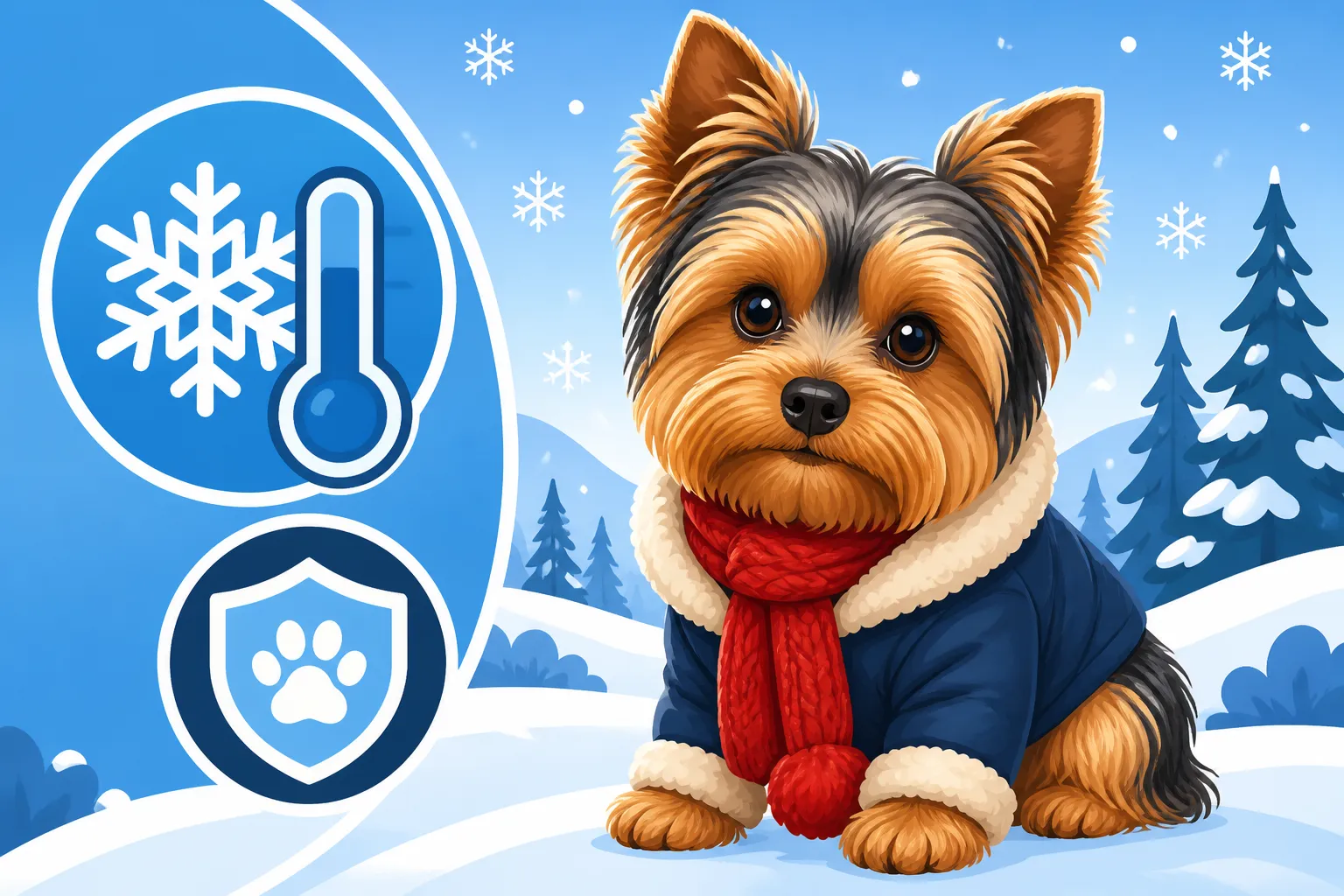
This isn't just about fashion; it's about function! A well-fitting sweater or coat is an absolute game-changer for a Yorkie in cold weather. Look for options made from warm materials like fleece or wool, ideally with a waterproof or water-resistant outer layer to protect against snow or sleet. Brands like Chewy offer a fantastic selection of dog sweaters and coats specifically designed for smaller breeds, ensuring a snug fit that covers their core. Pay attention to coverage: a good winter garment should cover their back from neck to tail, and ideally extend down over their belly. Some even come with built-in harness holes, making it easy to attach a leash without compromising warmth. Always ensure the clothing allows for full range of motion and doesn't rub or irritate their delicate skin. When considering "Best Clothes for a Yorkshire Terrier", prioritize warmth and comfort over pure aesthetics.
Protecting Paws from Ice and Salt
Your Yorkie's paw pads are sensitive, and the ground in winter can be brutal. Ice, snow, road salt, and even de-icing chemicals can cause irritation, dryness, cracking, and chemical burns. Dog booties are an excellent solution, providing a protective barrier. It might take a little patience and positive reinforcement to get your Yorkie used to wearing them, but the benefits are well worth it. Look for booties with good traction to prevent slips and secure straps to keep them on. If booties aren't an option, or as an added layer of defense, consider applying a paw balm or wax before and after walks. Products like Musher's Secret create a breathable barrier against harsh elements. After every outdoor adventure, make it a routine to gently wipe down your Yorkie's paws with a warm, damp cloth. This removes any lingering salt or chemicals and allows you to check for any signs of irritation or injury.
Limiting Exposure and Supervision
Common sense is your best friend when it comes to outdoor time in winter. On very cold, windy, or snowy days, keep outdoor potty breaks brief and to the point. This isn't the time for a leisurely stroll around the block. If the wind chill is significant or it's actively snowing or raining, consider using an indoor potty area or pee pads for quick relief. Always stay with your Yorkie when they are outside. Never leave them unsupervised, even for a moment, as cold stress can set in rapidly. Pay close attention to their body language. The moment you see them shivering, hunching, or lifting their paws, it's time to head back inside. Even short bursts of fresh air are beneficial, but the duration should always be dictated by the weather conditions and your Yorkie's tolerance. For tips on managing their overall activity, consider exploring their "Yorkshire Terrier Exercise Needs" to balance outdoor activity with indoor alternatives during winter.
Creating a Cozy Indoor Environment for Your Yorkie
Once you're back inside from the cold, the work isn't over! Ensuring your Yorkie has a warm, inviting indoor space is just as important as their outdoor protection. A comfortable home environment can significantly reduce their overall stress and keep them toasty.
Choosing the Right Winter Bedding and Sleeping Spots
Your Yorkie needs a warm, draft-free spot to sleep and relax. Elevated beds can be a great option, as they keep your dog off cold floors. For maximum coziness, consider an orthopedic bed with plenty of cushioning, or even a self-warming bed that reflects their body heat back to them. Many popular pet retailers, including Chewy, offer a wide range of these types of beds. Layering is key: add soft, plush blankets that your Yorkie can burrow into. You might notice them "nesting" by digging and circling before settling down, which is a natural instinct to create a warm den. Ensure their bed is located away from drafty windows or doors, and if possible, in a spot where they can enjoy natural sunlight during the day. For more ideas, check out our guide on the "Best Bed for a Yorkshire Terrier".
Maintaining Optimal Indoor Temperatures
While we might love to open windows for fresh air or keep the thermostat a bit lower to save on energy bills, remember that your Yorkie has different needs. Keeping your home at a consistent, comfortable temperature is important. Generally, between 68-72 degrees Fahrenheit is considered a good range for most small dogs, but observe your Yorkie for their personal comfort level. If you have colder areas in your home, consider using a space heater safely, ensuring it's out of reach of curious paws and tails. Never leave a space heater unsupervised. If you have tiled or hardwood floors, consider adding rugs or mats, especially in areas where your Yorkie frequently lies down, as these can provide an insulating barrier against the cold floor.
Hydration and Nutrition Considerations
Even though it's cold, hydration remains incredibly important. Dry indoor air from heating systems can contribute to dehydration. Always ensure your Yorkie has access to fresh, clean water. Some Yorkies may prefer slightly warmer water during colder months. Monitor their water intake, and if you notice a significant decrease, consult your vet.
In terms of nutrition, a high-quality diet is fundamental for overall health and to support their metabolism in cold weather. While it's usually not necessary to drastically increase their food intake unless advised by your vet, ensuring they are getting adequate nutrients is crucial. Some owners might consider adding a bit of plain, cooked chicken broth to their food to increase moisture and palatability. Always introduce any dietary changes gradually. For Yorkies that are a bit on the lean side, or those with higher energy needs, a vet might recommend a slight increase in calories to help maintain their body temperature. Always discuss any significant changes to your Yorkie’s diet with your veterinarian. You can also explore options like "Best Dog Food for Yorkshire Terriers" available from trusted sources like Chewy to ensure they get optimal nutrition year-round.
Winter Accessories and Gear for Yorkies
Having the right tools and accessories on hand can make all the difference in keeping your Yorkie warm and safe during the colder months. These aren't just luxuries; they're often necessities for these delicate little dogs.
Cozy Clothing and Outerwear
| Item Type | Purpose | Key Features | When to Use |
|---|---|---|---|
| Sweaters | Core warmth, light insulation for indoor/mild cold | Soft, breathable fabrics (fleece, wool blends), pull-over design | Cool indoor drafts, mild outdoor temps (above 40°F) |
| Coats/Jackets | Enhanced warmth, wind/water resistance for outdoors | Thicker insulation, waterproof/resistant outer layer, often with harness holes | Cold outdoor temps (below 40°F), snow, rain, wind |
| Booties | Paw protection from ice, salt, chemicals, sharp objects | Durable soles with good traction, adjustable straps for secure fit | Icy pavements, salted roads, snow, extreme cold |
| Paw Balm/Wax | Barrier for paw pads, prevents cracking | Natural ingredients (beeswax, shea butter), non-toxic, easily absorbed | Before and after walks in cold, dry conditions |
Remember, the goal is to keep their core body temperature stable. When selecting clothing from places like Chewy, always measure your Yorkie carefully to ensure a comfortable, snug fit that doesn't restrict movement or cause chafing. Look for items that are easy to put on and take off, which will make the experience better for both you and your pet.
Travel Safety in Winter
If you're traveling with your Yorkie during winter, safety is paramount. A secure "Best Car Seat for a Yorkshire Terrier" or carrier isn't just for crash protection; it also provides a contained, warmer space within the vehicle. Consider placing a warm blanket in their carrier. If your car takes a while to warm up, pre-warm it if possible before placing your Yorkie inside. Never leave your Yorkie alone in a cold car, even for a few minutes, as temperatures can drop quickly and dangerously. Always ensure they have a sweater or coat on when transitioning from a warm car to a cold outdoor environment, and vice versa.
Indoor Warmth Solutions
Beyond just a warm bed, consider other ways to boost indoor warmth. Snuggle sacks or covered beds offer a cave-like environment that many Yorkies adore, providing extra insulation and a sense of security. Small heating pads designed specifically for pets can be placed under their bed (never directly on top) on a low setting, but always ensure proper safety precautions and supervision to prevent overheating or burns. Even a simple, extra soft blanket draped over their crate can make a big difference in retaining warmth, especially at night. Rotating out toys to keep them mentally stimulated indoors can also help burn off some energy without needing prolonged outdoor exposure.
Final Thoughts on Yorkie Winter Care
Caring for a Yorkshire Terrier in cold weather definitely requires a bit more vigilance and preparation than with some other breeds. But it’s a small price to pay for the endless joy and companionship these tiny titans bring into our lives. By understanding their unique vulnerabilities, recognizing the signs of cold stress, and equipping yourself with the right strategies and gear, you can ensure your beloved Yorkie stays warm, safe, and happy throughout the chilliest months. Prioritizing their comfort means you both can enjoy the season without worry. For a deeper dive into their overall well-being, take a look at our comprehensive guide on "How to Keep a Yorkshire Terrier Healthy" year-round.
Disclaimer
This article is intended for informational purposes only and does not constitute veterinary advice. Always consult with a qualified veterinarian for any health concerns or before making any decisions about your pet's health or treatment.