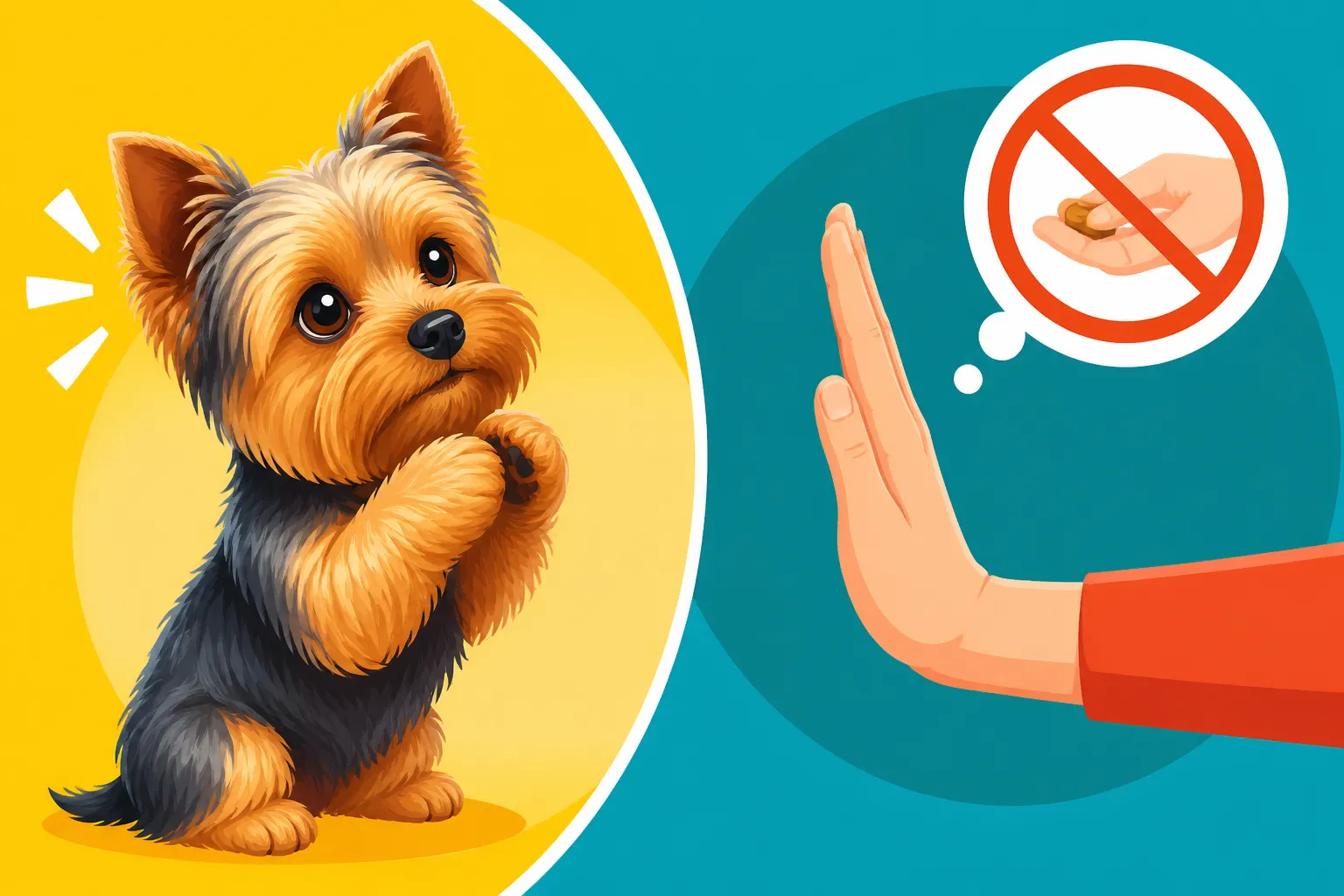
How to Stop a Yorkie from Begging
It's incredibly frustrating when you're trying to enjoy a meal, and your adorable Yorkshire Terrier suddenly transforms into a tiny, persistent beggar, complete with puppy-dog eyes and insistent pawing. This common behavior can be disruptive and even unhealthy for your little companion, often leaving owners wondering if there's any way to reclaim their dining peace. This guide is here to help you understand why your Yorkie begs and, more importantly, equip you with actionable strategies to gently but firmly put an end to this habit, ensuring a more harmonious household for everyone.
Understanding Why Your Yorkie Begs
Before we can tackle the begging, it's crucial to understand the root causes behind this behavior. It’s rarely out of malice; instead, it often stems from a combination of learned behaviors, natural instincts, and sometimes even underlying needs. Recognizing these factors is the first step toward effective training.
Learned Behavior and Positive Reinforcement
Let’s be honest, we’ve all been there. You’re eating a delicious snack, and your Yorkie looks up at you with those irresistible, pleading eyes. Just once, you drop a tiny piece of cheese or a morsel of chicken. In that moment, you’ve inadvertently taught your Yorkie a powerful lesson: begging works. This is classic positive reinforcement. Every time your Yorkie gets even a tiny reward for begging—whether it's food, attention, or even just a glance—you're reinforcing the behavior. They quickly learn to associate your mealtime with potential treats, and like any smart little dog, they’ll keep trying.
Consider a scenario where you're watching TV and munching on popcorn. Your Yorkie trots over, sits, and stares. You absentmindedly toss a piece. Now, every time you sit down with popcorn, your Yorkie will be right there, eagerly awaiting their share. They're not doing it to annoy you; they're simply repeating a behavior that has historically yielded a positive outcome. Over time, this becomes deeply ingrained, making it feel impossible to break the cycle. This is why consistency is absolutely key; even one slip-up can set your training back significantly.
Instinctual Drives and Curiosity
Yorkshire Terriers, despite their small stature, carry the strong instincts of their terrier ancestors. They are intelligent, curious, and often food-motivated. In a pack environment (which your household essentially is), dogs often scavenge for food. Your meal, with its enticing aromas, triggers these natural foraging instincts. They smell what you're eating, and their innate curiosity drives them to investigate and try to partake. It's a primal drive to seek out high-value resources.
Think about the rich, complex smells emanating from your dinner plate—roast chicken, savory sauces, fresh vegetables. To your Yorkie, these aren't just scents; they're a banquet of information. Their powerful sense of smell, far superior to ours, allows them to dissect every ingredient. This intense olfactory experience, coupled with their natural inclination to be near their human companions, makes the dinner table a highly stimulating and desirable place to be. It's less about them being "naughty" and more about their canine nature compelling them to seek out tasty treasures.
Medical Reasons and Nutritional Gaps
While less common, sometimes excessive begging can be linked to an underlying medical issue or a nutritional deficiency. If your Yorkie is constantly ravenous, losing weight despite eating, or exhibiting other concerning symptoms alongside begging, it’s always wise to consult your veterinarian. Conditions like parasites, malabsorption issues, or even certain metabolic diseases can lead to increased hunger. Additionally, if your Yorkie isn't getting adequate nutrition from their regular diet, they might be genuinely hungry.
It's important to remember that Yorkies have specific dietary needs, and understanding How Much to Feed a Yorkshire Terrier and providing them with high-quality Best Dog Food for Yorkshire Terriers is essential for their overall health. If their food isn't nutritionally dense or if their portions are too small for their activity level, they might feel hungry more often. However, this is distinct from begging out of habit. A vet visit can rule out any health concerns and confirm that their diet is appropriate for their age and activity level, aligning with a proper Yorkshire Terrier Feeding Guide by Age. If a medical issue is found, addressing it will be the primary solution, and the begging might naturally subside.
Essential Strategies to Curb Begging Behavior
Once you understand why your Yorkie begs, you can start implementing effective strategies to discourage the behavior. The key here is consistency, patience, and a united front from everyone in the household.
Establishing Clear Boundaries and Consistency
This is, without a doubt, the most critical step. If you sometimes give in and sometimes don't, your Yorkie will learn that persistence pays off. They'll just try harder and longer, convinced that eventually, you'll crack. The boundary must be absolute: no human food from the table, ever. This includes tiny crumbs, fallen pieces, or "just one lick."
Consider your dining area a "no-go zone" for begging during mealtimes. This might mean designating a specific spot for your Yorkie, like their bed or crate, before you sit down to eat. Use a clear, consistent command like "place" or "bed." If they approach the table, calmly guide them back to their designated spot. If they refuse, do not engage in a battle of wills; simply ignore them until they settle. Consistency across all family members is vital. If Grandma sneaks them a bite under the table, all your hard work can be undone in an instant. Have a family meeting and ensure everyone understands and commits to the new rules. This includes guests too! Politely ask them not to feed your dog.
Redirection and Alternative Activities
Instead of scolding your Yorkie for begging (which they might interpret as attention, thus reinforcing the behavior), redirect their focus to something more appropriate. This strategy works by giving them an acceptable alternative to occupy their time and energy, especially during your mealtimes.
Before you sit down to eat, prepare a distraction for your Yorkie. This could be a puzzle toy filled with a small portion of their regular kibble, a dental chew like those found on Amazon, or a long-lasting treat. The goal is to give them something engaging that takes time to consume and keeps their mind occupied away from your plate. For example, a Kong toy stuffed with peanut butter (xylitol-free, please!) and frozen can keep a Yorkie busy for a good 20-30 minutes. This proactive approach helps satisfy their natural chewing and foraging instincts in a constructive way. You're not just saying "no" to begging; you're saying "yes" to a more appropriate activity. This is also a fantastic way to reinforce positive behavior, as they get a reward (their treat or toy) for being calm and occupied during your meal.
Proper Feeding Routines and Diet Management
A well-fed Yorkie is less likely to feel compelled to beg out of genuine hunger. Establishing a consistent feeding schedule and ensuring they receive a balanced diet are fundamental. Feeding your Yorkie their own meal at the same time you eat can also be a game-changer. This makes them less likely to associate your mealtime with their own hunger pangs and redirects their focus to their own food.
Make sure you're following a consistent Yorkie Feeding Schedule by Age and providing a high-quality diet. If you suspect your Yorkie is truly hungry or if their diet is lacking, consult your vet. They can help you evaluate your Yorkie's current food and recommend alternatives or supplements if needed. Brands like Royal Canin and Hill's Science Diet offer breed-specific or small-breed formulas that can address the unique nutritional needs of Yorkies. Avoid feeding too many treats throughout the day, as this can spoil their appetite for their regular meals and inadvertently encourage begging. It’s also crucial to know what Human Foods Safe for Yorkies are and, more importantly, the Toxic Foods for Yorkies to Avoid to prevent any accidental harm.
Here's a quick comparison of strategies:
| Strategy | Description | Effectiveness | Notes |
|---|---|---|---|
| Ignoring Begging | Absolutely no eye contact, talking, or touching when begging occurs. | High | Requires immense patience and consistency from everyone. |
| "Go to Your Place" | Teach a command for your Yorkie to go to a designated spot during meals. | High | Requires prior training. Reinforce with a special chew or toy, not human food. |
| Redirection | Provide a puzzle toy or long-lasting chew before you start eating. | High | Proactive solution. Helps satisfy their natural instincts. |
| Consistent Feeding | Feed your Yorkie their meal at the same time you eat, in their own space. | Moderate | Reduces genuine hunger during your meal, but doesn't address learned behavior alone. |
| Scolding/Punishing | Raising your voice, swatting, or spraying water. | Low | Can create fear or anxiety, may worsen behavior, and doesn't teach an alternative. |
| Giving Table Scraps | Offering any human food from the table. | Very Low | Directly reinforces begging, making it harder to stop. Even small amounts teach them to persist. |
| Pushing Away | Physically pushing your Yorkie away from the table. | Low | Can be interpreted as attention (good or bad) and doesn't establish a clear boundary or teach alternative behavior. |
Practical Steps for Training Your Yorkie Not to Beg
Now that you have the foundational strategies, let's break down the practical steps you can implement to train your Yorkie effectively. Remember, How to Train a Yorkshire Terrier involves consistency, positive reinforcement for desired behaviors, and patience.
"Go to Your Place" Command
This command is a lifesaver for managing mealtime begging. The idea is to teach your Yorkie that when you're eating, their special spot is where good things happen, but not at the table.
Start by choosing a comfortable "place" for your Yorkie—a dog bed, a crate, or a mat—that is away from the dining area but still within view. With your Yorkie on a leash initially (this helps guide them without physical force), lead them to their spot. Say "Go to your place" and gently encourage them onto it. As soon as all four paws are on the mat, mark the behavior with a verbal cue like "yes!" or a clicker, and immediately reward them with a high-value treat they don't get anywhere else. This could be a small piece of cooked chicken or a special dog treat. Practice this several times a day outside of meal times. Once they reliably go to their place, gradually increase the duration they stay there before getting a reward.
When they’ve mastered staying in their place, introduce this during your meal prep. As you start cooking, tell them "Go to your place." If they stay, reward them periodically while you're cooking, or give them a puzzle toy when you sit down to eat. If they leave their spot to come to the table, calmly lead them back without fuss, re-issue the command, and wait for them to settle before rewarding. The goal is for them to associate "your place" with calm, quiet rewards, away from the table. If you're struggling with getting them to respond to commands, you might consider an online training program like BAXTER & Bella, which offers structured lessons that can be helpful for establishing foundational obedience.
Ignoring the Behavior Completely
This is often the hardest part for us humans, but it’s incredibly effective. The moment your Yorkie starts to beg—whether it's staring, whining, pawing, or barking—you must completely ignore them. This means no eye contact, no talking to them, no pushing them away, and absolutely no giving in.
Imagine this scenario: you're eating dinner, and your Yorkie is sitting by your feet, whining and nudging your leg. Your natural instinct might be to tell them "No!" or push them away. Resist! Instead, continue your meal as if they aren't even there. Don't look down. Don't speak to them. Keep your body language relaxed and continue your conversation or activity. The moment they stop begging—even for a second—and settle down, that's when you can offer a quiet, calm "good dog" or even toss a small, approved dog treat into their "place" if they are there. This teaches them that calm, non-begging behavior gets attention or rewards, while begging gets them nothing. This takes immense self-control, especially if your Yorkie is particularly persistent, but it's crucial for breaking the association between begging and positive outcomes. This is a common challenge that many owners face, and it's one of the Yorkshire Terrier Behavior Problems and Solutions that truly test our patience.
Managing Mealtime Scenarios
Successfully stopping begging requires a multi-faceted approach to your own mealtimes. This isn't just about training your Yorkie; it's about changing your routine and environment too.
Firstly, if possible, feed your Yorkie their own meal or a substantial, long-lasting chew in their designated spot before or at the same time you sit down to eat. This ensures their tummy is full and their attention is on their own food, reducing the immediate incentive to beg. Secondly, consider crating your Yorkie during your mealtimes if the begging is severe and you're struggling with consistency. Crating isn't a punishment; it's a safe, familiar space where they can relax without the temptation of the table. Provide them with a comfortable bed and a favorite chew toy. Once your meal is over, release them. This helps them understand that human mealtime is a separate event for them. Finally, be vigilant about crumbs! Yorkshire Terriers are tiny vacuum cleaners. Immediately clean up any dropped food to prevent them from "scavenging" and accidentally reinforcing the idea that food comes from the table. By controlling the environment, you make it easier for your Yorkie to succeed and reduce the opportunities for them to practice the unwanted behavior.
Long-Term Management and Preventing Relapses
Stopping begging isn't a one-time fix; it requires ongoing vigilance and reinforcement. Like any training, there's always a risk of relapse, especially if old habits creep back in. Consistent long-term management is key to maintaining a peaceful dining experience.
Educating Family and Guests
You might be doing everything right, but if others in your household or visitors aren't on board, your efforts can quickly unravel. It’s essential to educate everyone who interacts with your Yorkie about the "no table scraps" rule.
Have an open conversation with family members, explaining why it's important not to feed the Yorkie from the table. Emphasize that giving in, even occasionally, confuses the dog and makes training much harder. Explain that it’s not just about etiquette; it can also lead to digestive upset (Yorkies have sensitive stomachs!) and unhealthy weight gain. For guests, a polite but firm request is usually sufficient: "Please don't feed [Yorkie's Name] from the table. We're working on his training, and human food can upset his tummy." You can even have a bowl of approved dog treats readily available and suggest they give a treat to your Yorkie away from the table if they want to interact with them, reinforcing the idea that treats come from people, not plates. Remember, a unified approach prevents mixed signals and reinforces your Yorkie's understanding of the rules. For more general guidance on establishing good habits, check out our guide on Yorkie Training Mistakes to Avoid.
Reinforcing Good Habits Beyond the Table
Training your Yorkie not to beg shouldn't just be confined to mealtimes. Reinforce calm and polite behavior in all contexts. For instance, if your Yorkie is quietly resting in their bed while you're in the kitchen, offer a praise or a small, healthy dog treat. This teaches them that being calm and independent earns rewards.
Continue to practice commands like "sit," "stay," and "How to Teach a Yorkie to Come" outside of meal times. A well-trained Yorkie who understands boundaries in general is more likely to respect them at the table. Regular exercise and mental stimulation can also help. A tired Yorkie is a well-behaved Yorkie! Ensure they are getting enough physical activity for their size and age. Puzzle toys, short walks, and indoor games can help expend their energy and satisfy their natural curiosity, making them less likely to fixate on your food. Finally, consider a consistent Yorkie Puppy Training Schedule if you have a young dog, as early intervention can prevent begging from becoming ingrained. Don't forget their dental health, either. Regular chews and dental care, as discussed in Yorkie Dental Disease Prevention, can keep their mouths healthy while providing a positive distraction.
Disclaimer
The information provided in this article is for general informational purposes only and is not a substitute for professional veterinary advice. Always consult with a qualified veterinarian for any health concerns or before making any decisions about your pet's health or treatment.