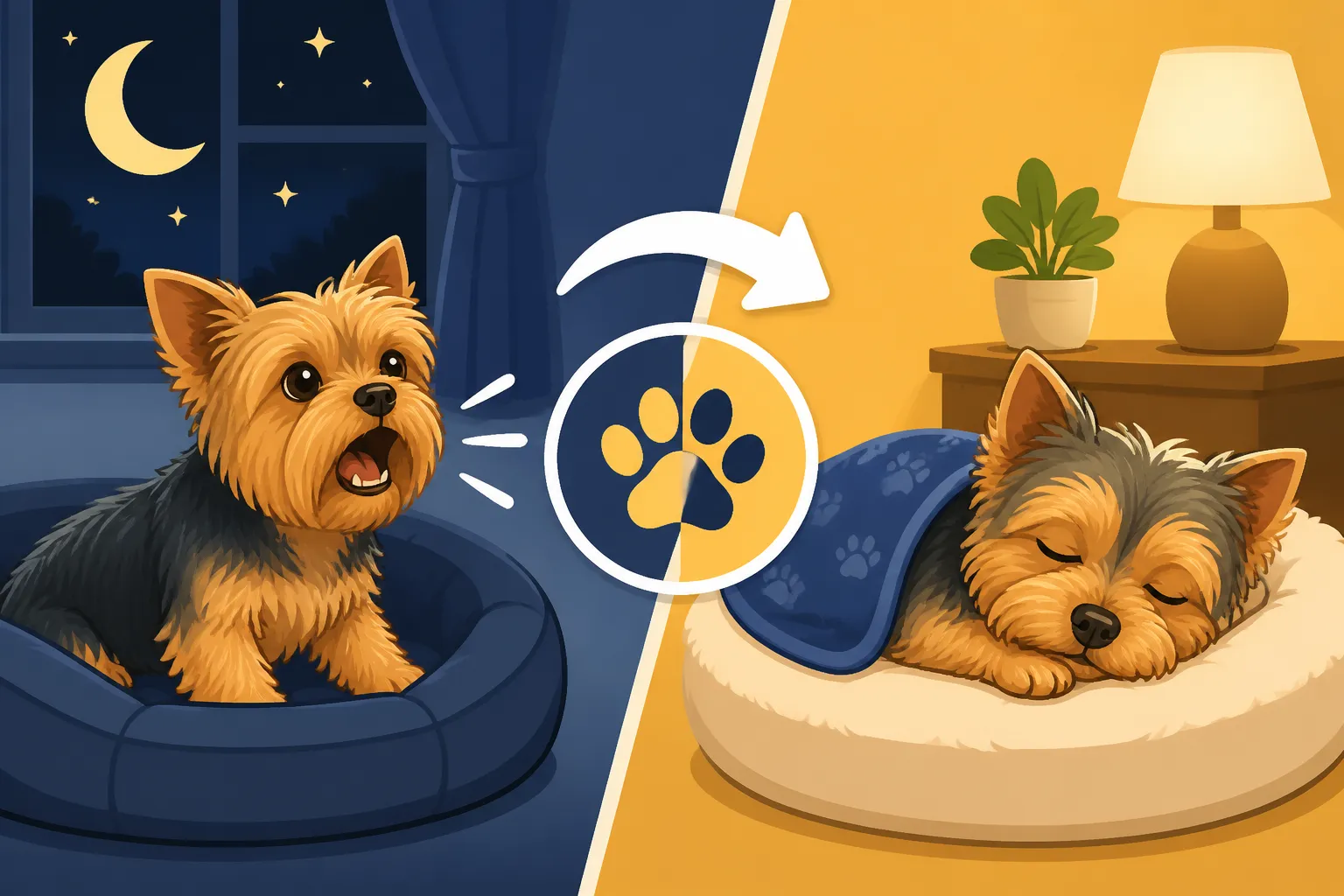
How to Stop a Yorkie Whining at Night
Few things are as disruptive to a good night's sleep as the persistent, often piercing, whine of your beloved Yorkshire Terrier. You're trying to rest, they're clearly distressed, and the cycle of frustration and concern can be utterly exhausting for both of you. It leaves you wondering what on earth they could possibly want, and more importantly, how you can bring some peace back to your home. This comprehensive guide is designed to help you understand the common reasons behind your Yorkie's nighttime vocalizations and provide you with actionable, empathetic strategies to quiet the whining and ensure everyone gets a much-needed night of restful sleep.
Decoding Your Yorkie's Nighttime Whines
Before you can address the whining, you need to play detective. Yorkies are small dogs with big personalities, and their vocalizations are their primary way of communicating their needs, anxieties, or even just their desire for attention. Understanding the 'why' is the crucial first step.
Ruling Out Medical Concerns and Physical Discomfort
First and foremost, when your Yorkie starts whining at night, especially if it's a new behavior or accompanied by other signs, your mind should immediately jump to their physical well-being. Our furry friends can't tell us in words that they're in pain or feeling unwell, so whining often becomes their distress signal.
It could be something as simple as an upset tummy that needs to be relieved, leading to urgent potty signals. Or, it might be something more serious like joint pain, a urinary tract infection, or even a sudden onset of a more significant health issue. Yorkies, unfortunately, are prone to certain conditions. For instance, issues like patellar luxation or even a mild injury could cause discomfort when they lie down or shift positions. If your Yorkie is whining and also showing signs of restlessness, difficulty settling, panting, or has a change in appetite or bathroom habits, it's essential to consider a trip to the vet. Don't hesitate to consult your veterinarian, especially if this behavior is new or severe. You might find our article on Yorkshire Terrier Health Problems to Know helpful in identifying potential underlying conditions, and it's always wise to be aware of Yorkie Emergency Symptoms to Never Ignore.
Addressing Separation Anxiety and Feelings of Loneliness
Yorkshire Terriers are renowned for their affectionate nature and their strong bond with their human companions. They are, quite frankly, little shadows. This deeply loving trait, while wonderful during the day, can sometimes manifest as significant separation anxiety, especially at night when they might feel suddenly alone. For many Yorkies, being separated from their person, even if it's just in another room or a crate across the bed, can trigger profound distress. They might feel abandoned or unsafe, leading to persistent whining, barking, or even destructive behaviors.
This isn't them being "naughty" or "manipulative"; it's a genuine expression of fear and anxiety. Imagine being a tiny creature in a big, dark, silent house, suddenly without your protector. It’s scary! This fear can be particularly acute in puppies or newly adopted rescue Yorkies who are still adjusting to their new environment. Understanding the signs of Yorkshire Terrier Separation Anxiety Solutions is vital here, as the whining is often just one symptom of a deeper emotional issue.
Unmet Physical Needs and Under-Stimulation
Sometimes, the answer to "Why is my Yorkie whining at night?" is far less complex: they just have an unmet need. It's the equivalent of a human needing to get up for a drink of water or a quick bathroom run.
Perhaps your Yorkie didn't get their last potty break close enough to bedtime, or they drank a lot of water right before settling in. Young puppies, in particular, have tiny bladders and cannot hold it for long periods. Hunger could also be a factor, especially if their dinner was too early, or they're going through a growth spurt. Beyond these basic needs, consider their energy levels. Yorkies, despite their small size, are terriers—they have energy! If they haven't had enough mental and physical exercise during the day, they might be restless and bored at night, using whining as a way to burn off steam or get your attention. A stimulating playtime before bed can make a world of difference. You might want to review their daily activity levels by reading our guide on Yorkshire Terrier Exercise Needs.
Learned Behavior and Attention Seeking
Here’s where we, as pet parents, can sometimes inadvertently create the problem. Yorkies are incredibly smart and quick to learn. If you've responded to their nighttime whining in the past by coming to their side, letting them out, or giving them attention (even negative attention), they've learned that whining is an effective way to get what they want. It’s not malice; it’s just canine logic: "I whine, human comes. Therefore, I whine."
This learned behavior can be incredibly frustrating to break because your Yorkie knows it works. The whining becomes a habit, a default action whenever they're alone or bored. This is especially true if their other needs (potty, food, comfort) have already been met. They might just be testing the boundaries, hoping you'll cave and provide them with some late-night company. It's a tough habit to break, as it often means enduring some initial whining to teach them a new, more appropriate behavior.
Effective Strategies to Stop Nighttime Whining
Once you have a better idea of why your Yorkie might be whining, you can start to implement targeted strategies. Remember, consistency is your most powerful tool.
Establishing a Solid Bedtime Routine
Dogs thrive on routine and predictability, and Yorkies are no exception. A consistent bedtime routine signals to your Yorkie that it’s time to wind down, settle in, and sleep. This helps manage their expectations and reduces anxiety.
Start by setting a firm dinner time, ideally a few hours before bed, to allow for digestion and a final potty break. About an hour before bedtime, engage in a relaxing activity – maybe some gentle cuddling on the couch, a quiet chew toy, or a short, calm walk around the yard if they still have energy. Avoid high-energy play right before bed, as this can stimulate them rather than tire them out. Ensure their last potty break is as close to bedtime as possible, literally right before you put them in their sleeping area. Keep this interaction calm, quiet, and business-like. Once they're in their bed or crate, it's lights out, and no more interaction until morning. This predictable sequence of events will help them mentally prepare for sleep and understand what's expected of them.
Optimizing Their Sleeping Environment
Where and how your Yorkie sleeps can make a huge difference in their nighttime behavior. Their sleeping area should be a safe, comfortable, and inviting sanctuary, not a place of punishment or isolation.
A crate can be an excellent tool if introduced correctly. Many Yorkies feel secure and den-like in a properly sized crate. Ensure the crate is large enough for them to stand, turn around, and lie down comfortably, but not so big that they can relieve themselves in one corner and sleep in another. You can find many suitable options on Amazon. Line it with a soft, cozy bed or blankets. Some Yorkies benefit from a familiar item, like a t-shirt with your scent, to help with feelings of loneliness. Consider the location of the crate; initially, placing it in your bedroom might help alleviate separation anxiety. As they adjust, you can gradually move it further away. Our Yorkshire Terrier Crate Training Guide offers in-depth advice on making the crate a positive space, and for specific product recommendations, check out a Best Crate for a Yorkshire Terrier article.
The Art of Ignoring and Gradual Desensitization
This is often the hardest part for loving pet parents, but it's crucial for breaking attention-seeking whining. If you've ruled out all urgent needs (potty, hunger, pain), and your Yorkie is still whining, the best course of action is often to ignore it. This means no eye contact, no talking, no going to their crate, and no letting them out. Responding, even with a frustrated "Quiet!", reinforces the behavior.
It takes incredible patience, and yes, there will likely be an extinction burst where the whining gets worse before it gets better. They’re testing you, trying harder because their usual tactic isn't working. However, if you remain consistent, they will eventually learn that nighttime whining does not yield attention. For dogs suffering from genuine separation anxiety, simply ignoring can be counterproductive and increase distress. For these cases, gradual desensitization during the day is more effective. This involves slowly increasing the time your Yorkie spends alone, starting with just a few minutes, rewarding calm behavior, and building up to longer periods. Training programs like BAXTER & Bella offer excellent resources for building confidence and teaching independent calm behavior, which can significantly reduce nighttime anxiety. Our article on How to Leave a Yorkie Home Alone provides more detailed steps for this process.
Advanced Training and Long-Term Prevention
To truly stop nighttime whining for good, you need to implement long-term strategies that address the root causes and reinforce desirable behavior.
Implementing Daytime Training and Mental Stimulation
A tired Yorkie is a quiet Yorkie. Many nighttime issues stem from insufficient mental and physical stimulation during the day. Yorkies are intelligent and need outlets for their energy and minds.
Incorporate daily walks (even short ones add up!), interactive playtime, and training sessions into their routine. Teaching new tricks or practicing obedience commands can be mentally exhausting in a good way. Puzzle toys, snuffle mats, or a KONG filled with frozen peanut butter can keep them occupied and mentally stimulated for periods during the day. The goal is to ensure they are genuinely tired, both physically and mentally, by bedtime. If they're restless and bored when you put them down, they're much more likely to whine. Consider a solid Yorkshire Terrier Puppy Training Schedule if you have a young one, as early training instills good habits. Engaging them with positive reinforcement is key.
Addressing True Separation Anxiety
If you suspect separation anxiety is the primary driver of the nighttime whining, a multi-faceted approach is needed. This isn't just about ignoring; it's about systematically building your Yorkie's confidence and comfort with being alone.
Start with short absences during the day. Leave the room for a few seconds, then return before they start to whine. Gradually increase the duration. Provide a high-value chew toy or a puzzle feeder as you leave to create a positive association with your departure. Avoid making a big fuss when you leave or return. The goal is to make your departures and arrivals as uneventful as possible. For more severe cases, consider consulting a certified professional dog trainer or a veterinary behaviorist. Online programs like BAXTER & Bella can also provide structured guidance for tackling separation anxiety, offering step-by-step exercises to help your Yorkie cope with being alone. These programs often focus on building a strong foundation of obedience and confidence, which naturally helps reduce anxiety.
Considering Calming Aids and Products
For some Yorkies, particularly those with anxiety, a little extra help can make a big difference. There's a range of products available that can promote calmness and reduce stress.
- Pheromone Diffusers and Sprays: Products like Adaptil release synthetic dog appeasing pheromones, which mimic the calming pheromones a mother dog produces. These can create a more soothing environment in their sleeping area. You can often find these readily available on Amazon.
- Calming Chews and Supplements: Many brands offer treats or supplements containing ingredients like L-theanine, chamomile, or CBD, which can have a mild calming effect. Always consult your vet before introducing new supplements to ensure they are safe and appropriate for your Yorkie.
- Weighted Blankets or Thundershirts: These can provide a sense of security and gentle pressure, similar to swaddling a baby, which can be very comforting for anxious dogs.
- White Noise Machines: A white noise machine or a fan can help block out startling nighttime noises that might trigger whining and create a more consistent sound environment.
These aids are not magic bullets but can be valuable tools when used in conjunction with consistent training and routine adjustments.
Summary of Whining Causes and Solutions
To help you quickly reference common issues, here's a table outlining potential reasons for nighttime whining and corresponding actions.
| Common Whining Cause | Immediate Action (Short-term) | Long-Term Strategy (Prevention) |
|---|---|---|
| Potty Need | Quiet, brief potty break with minimal interaction. | Consistent potty schedule, last break right before bed. |
| Hunger/Thirst | Small, scheduled snack or fresh water. | Consistent meal times, fresh water always accessible during day. |
| Loneliness/Anxiety | Brief, calm reassurance if new; otherwise, ignore if learned. | Crate training as a den, gradual desensitization for alone time. |
| Attention Seeking | Ignore completely (no eye contact, no speaking, no touching). | Consistent routine, ample daytime stimulation, reward quiet behavior. |
| Discomfort/Pain | Check for physical signs of distress; contact vet if suspected. | Regular vet check-ups, monitoring health, comfortable sleeping area. |
| Boredom/Excess Energy | N/A (Address during the day). | Increase daily exercise, mental stimulation, puzzle toys. |
When to Seek Professional Help
While many cases of nighttime whining can be resolved with consistency and the strategies outlined above, there are times when professional guidance is necessary. If your Yorkie's whining is severe, persistent, or accompanied by other concerning behaviors like destructive chewing, excessive panting, drooling, or self-harm when left alone, it's time to bring in the pros.
A certified professional dog trainer specializing in positive reinforcement can help you develop a tailored training plan to address specific behavioral issues. For cases rooted in severe anxiety or if medical causes are suspected and persistent, a veterinary behaviorist might be recommended. These specialists are veterinarians with advanced training in animal behavior and can prescribe medication if necessary, alongside behavior modification plans. Don't feel like a failure if you need to seek help; it shows you're a responsible pet parent committed to your Yorkie's well-being.
Final Thoughts on Peaceful Nights
Getting your Yorkie to stop whining at night takes patience, consistency, and a deep understanding of their needs. It's rarely an overnight fix, but with a structured approach, you can help your little companion feel secure, comfortable, and content through the night. Remember to celebrate small victories, stay consistent with your routine, and always approach the situation with empathy and love. Soon enough, those restless nights will be a thing of the past, replaced by peaceful slumber for both you and your furry best friend.
Disclaimer
The information provided in this article is for general informational purposes only and is not a substitute for professional veterinary advice. Always consult with a qualified veterinarian for any health concerns or before making any decisions about your pet's health or treatment plan.