How to Fix a Yorkie Barking In The Crate
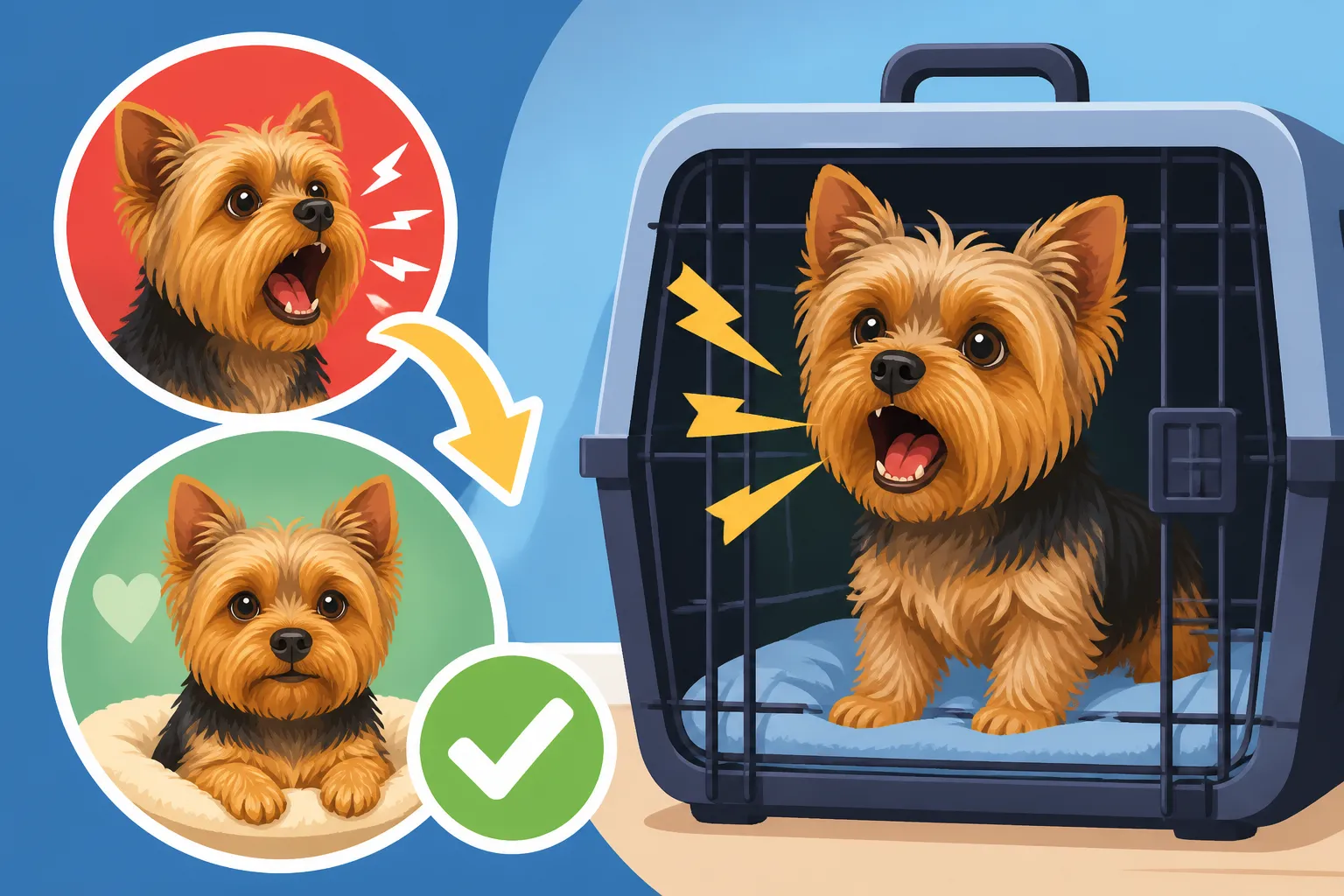
It's incredibly frustrating, and let's be honest, often utterly exhausting, when your sweet Yorkshire Terrier transforms into a barking machine the moment they're placed in their crate. You want the crate to be a safe, secure den for them, but instead, it feels like a torture chamber for both of you, filled with incessant yaps and cries. This guide is here to help you understand why your Yorkie might be barking in their crate and, more importantly, to provide actionable, empathetic strategies to bring peace back to your home and comfort to your little companion.
Understanding Why Your Yorkie Barks in Their Crate: Deciphering the Dialogue
Before we can even begin to "fix" crate barking, we have to play detective and figure out why your Yorkie is doing it. It's rarely just to annoy you, even if it feels that way at 3 AM. Their barking is communication, and for a small dog like a Yorkie, it can be their primary way to express distress, needs, or even just plain boredom. Ignoring the underlying cause means you'll just be treating a symptom, and the barking will likely persist.
Is it Potty Related or Attention Seeking?
One of the most common reasons a Yorkie, especially a young one, barks in their crate is because they need to relieve themselves. Their tiny bladders can't hold it for long, and they instinctually don't want to soil their sleeping area. If your Yorkie starts barking after a few hours of quiet, particularly overnight or after a long nap, the first thing to consider is a potty break.
Another frequent culprit is attention-seeking. Yorkies are incredibly clever and quick to learn. If barking consistently leads to you coming over, opening the crate, or giving them attention (even negative attention like scolding), they've learned that barking is an effective way to get what they want. This can be a tough habit to break because it requires you to not reward the barking, which feels counterintuitive when you just want the noise to stop. They might want to play, or just be near you, feeling lonely in their enclosure.
Fear, Anxiety, or Discomfort?
For many Yorkies, the crate can trigger feelings of fear or anxiety. This is especially true if they weren't introduced to it properly or had a negative experience. They might feel trapped, isolated, or simply scared of being alone. This manifests as whining, crying, and barking that often escalates. This isn't just a mild discomfort; it can be genuine panic, and it’s important to address it with patience and understanding. A great resource to delve deeper into these feelings is our article on Yorkie Separation Anxiety: Signs and Fixes.
Discomfort is another straightforward reason. Is the crate too small? Too big? Is their bedding comfortable? Is it too hot or too cold? Is there a draft? Sometimes, the simplest solutions lie in ensuring their physical environment is just right. Imagine being stuck in a small, uncomfortable space; you'd probably complain too!
Here’s a quick table to help you distinguish common barking types:
| Barking Pattern/Sound | Likely Cause (for Yorkies) | Initial Action to Consider |
|---|---|---|
| Sharp, insistent barks | Potty urgency, immediate need | Take out for a potty break immediately. |
| Whining, then barking | Separation anxiety, loneliness | Reassure verbally (from a distance), gradual desensitization. |
| Persistent, rhythmic | Attention-seeking, boredom | Wait for a lull, then check; provide mental stimulation. |
| High-pitched, fearful | Fear, discomfort, trapped feeling | Check comfort, offer calming aid, positive association. |
| Growling, low barks | Territoriality, perceived threat | Identify trigger (e.g., mailman), block view if possible. |
Laying a Strong Foundation: Proper Crate Training for a Calm Yorkie
Effective crate training isn't just about getting your Yorkie to tolerate the crate; it's about making them love it. It needs to be their safe haven, their private den where they can relax and feel secure. Without this positive foundation, barking issues are much more likely to arise. Remember, for a small breed like a Yorkie, their crate might be the only place where they truly feel safe from clumsy feet or sudden scares. If you're starting from scratch or noticing significant issues, revisiting the basics is always a good idea. You might find our comprehensive Yorkshire Terrier Crate Training Guide extremely helpful.
Making the Crate a Safe Haven, Not a Jail Cell
The crate should never be used as punishment. If your Yorkie associates the crate with being "bad" or being sent away, they will naturally resist it and likely bark to protest. Instead, make it an inviting, positive space. Start by choosing the right crate size; it should be just large enough for them to stand up, turn around, and lie down comfortably. Anything much larger can encourage them to use one end as a bathroom. If you're unsure, check out our guide on Yorkie Crate Size Guide.
Inside the crate, ensure it's cozy. A soft bed, a familiar blanket, and a safe chew toy can make all the difference. Some Yorkies even benefit from a covered crate, as it mimics a den and provides extra security. Products found on platforms like Amazon can offer a wide range of crate covers and comfortable bedding options tailored for small breeds. Make sure the location of the crate is in a quiet, low-traffic area where your Yorkie can still feel like part of the family without being constantly disturbed.
Gradual Introduction and Positive Association
This is perhaps the most critical step in preventing crate barking. Never force your Yorkie into the crate. Instead, introduce it slowly and make every interaction positive.
- Introduce the Crate: Place the crate in your living area with the door open. Let your Yorkie explore it at their own pace. Toss in a few high-value treats or their favorite toys.
- Mealtime Magic: Feed your Yorkie their meals inside the crate. Start with the bowl just inside the door, then gradually move it further back as they become more comfortable entering. Keep the door open initially.
- Short, Positive Stays: Once they're happily eating inside, start closing the door for very brief periods (a few seconds) while they're still eating. Gradually increase the time. Stay nearby at first, offering praise and small treats.
- Practice Absence: Once your Yorkie is comfortable staying in the crate for a few minutes with you in the room, start leaving the room for short periods. Come back before they start to fuss. If they do start to bark, wait for a brief moment of quiet before returning, so you're not rewarding the barking.
- Overnight Comfort: For nighttime, place the crate close to your bed initially. This helps them feel less alone. You can gradually move it further away once they're sleeping soundly through the night. Our article on How to Crate Train a Yorkie for the First Time offers more detailed steps for this process.
Consistency is key here. Every member of the household needs to be on the same page. If you're struggling with the methodology, online puppy training programs, such as BAXTER & Bella, offer structured guidance that can walk you through these steps with expert advice and support, which can be invaluable for consistent training.
Strategies to Reduce and Eliminate Crate Barking
Once you've established a positive foundation, you can start implementing specific strategies to tackle existing crate barking. Remember, patience is paramount. Yorkies are smart, but habits take time to change.
Addressing Potty Needs and Scheduling
If you suspect potty needs are the cause, your first step is to revisit your Yorkie’s potty schedule.
- Pre-Crate Potty: Always take your Yorkie out for a thorough potty break right before crating them. Make sure they actually go, not just sniff around.
- Scheduled Breaks: For puppies, expect to take them out every 1-2 hours during the day, and at least once or twice overnight for very young pups. Adult Yorkies typically need a potty break every 4-6 hours, but this can vary. If they wake up and bark, take them out immediately, quietly, and with no fanfare. Once they relieve themselves, put them back in the crate. No play, no cuddles, just business. This prevents them from learning that barking gets them out for fun.
- Monitor Intake: Ensure they aren't having excessive water right before bedtime.
- Cleanliness: Keep the crate meticulously clean. Yorkies are generally clean animals, and a dirty crate is a huge deterrent to holding it.
Managing Separation Anxiety and Boredom
These are often intertwined, and require a multi-faceted approach.
- Exercise Before Crating: A tired Yorkie is a quiet Yorkie. Ensure your dog gets adequate physical and mental exercise before being crated. A brisk walk, a good play session, or even some indoor games can help them burn off energy. Our guide on How to Calm a Hyper Yorkie offers more suggestions.
- Mental Stimulation in the Crate: Provide engaging, long-lasting chew toys or puzzle toys stuffed with treats. A Kong filled with peanut butter (xylitol-free!), frozen wet food, or plain yogurt can keep them occupied for a good while. This redirects their energy and helps them associate the crate with positive, independent activity. You can find many such enrichment toys on Amazon.
- Desensitize Departures: Yorkies are very tuned into routines. If they see you grab your keys, put on your shoes, or pick up your bag, they know you're leaving, and anxiety can spike. Practice these "departure cues" randomly throughout the day without actually leaving. This desensitizes them to the triggers.
- Gradual Increase in Alone Time: Start with extremely short absences. Leave the room for 1 minute, return. Then 2 minutes, return. Gradually increase the duration, always returning before they start barking if possible. If they bark, wait for a brief silence (even a single second) before returning. This is how you teach them that quiet gets your attention, not barking. You may find more strategies in How to Stop a Yorkie Barking When Left Alone.
- Calming Aids: For severe anxiety, consider calming pheromone diffusers (like Adaptil), thundershirts, or vet-recommended calming supplements. These can take the edge off and make the training process more effective. Always consult your vet before introducing any supplements.
Reinforcing Quiet Behavior
This is about actively teaching your Yorkie what to do instead of barking.
- Ignore the Barking (Strategically): This is the hardest part. If your Yorkie is barking for attention, you must ignore it. Turn your back, leave the room, or avoid eye contact. The moment they quiet down for even a second, that's when you can reward them. Mark the quiet with a "Good quiet!" and a small treat or calm praise. This teaches them that quiet, not barking, gets rewards.
- Teach the "Quiet" Command: While not directly for crate barking, teaching a "quiet" command can be incredibly useful. When your Yorkie is barking (perhaps at the doorbell), say "Quiet," and when they stop, immediately reward them. Over time, they'll associate the word with ceasing barking. Our guide on How to Teach a Yorkie the Quiet Command can walk you through the steps.
- Consistency is Key: Everyone in the household must follow the same rules. If one person gives in to the barking, it reinforces the behavior and makes it harder for your Yorkie to learn.
When to Seek Professional Help for Crate Barking
Despite your best efforts, some Yorkies may continue to struggle with crate barking. It’s important to recognize when the issue is beyond what you can reasonably manage on your own and when professional intervention is needed. This is not a sign of failure on your part, but rather an acknowledgment that sometimes, a little expert guidance makes all the difference.
Recognizing Persistent or Escalating Issues
If your Yorkie's barking in the crate is:
- Persistent and Unresponsive: You’ve consistently applied the training methods for several weeks, and there's no improvement, or the barking is getting worse.
- Accompanied by Extreme Anxiety: Signs like excessive drooling, destructive chewing inside the crate, frantic attempts to escape, self-harm, or loss of bladder/bowel control while crated are clear indicators of severe separation anxiety or panic. These are not typical "attention-seeking" behaviors and require immediate and specialized attention. You should always be aware of Yorkie Emergency Symptoms to Never Ignore which might indicate underlying health problems.
- Impacting Welfare: If the barking is causing significant stress to your dog or disrupting your household to an unsustainable degree, it's time for help.
The Role of Your Veterinarian and Certified Trainers
Your first stop should always be your veterinarian. They can rule out any underlying medical conditions that might be causing discomfort or increased anxiety, such as pain, bladder issues, or even cognitive dysfunction in older Yorkies. Sometimes, a subtle health problem is the root cause of a sudden behavioral change.
If medical issues are ruled out, your vet can recommend a certified professional dog trainer or a veterinary behaviorist. These experts have specialized knowledge in canine behavior and can:
- Accurately Diagnose: They can observe your Yorkie and help pinpoint the exact cause of the barking, whether it's separation anxiety, confinement phobia, or another issue.
- Develop a Tailored Plan: A good trainer will create a customized training plan that fits your Yorkie's specific needs and your family's lifestyle. This might involve counter-conditioning, desensitization, or specific behavior modification techniques.
- Provide Hands-On Guidance: They can demonstrate techniques, offer real-time feedback, and help you troubleshoot challenges as they arise. This is especially helpful if you feel like your Yorkie Not Listening: What to Do to your commands.
- Medication Consideration: For severe anxiety, a veterinary behaviorist might discuss anti-anxiety medication as part of a comprehensive behavior modification plan. This is usually a last resort and is always combined with training, not used as a standalone solution.
Remember, seeking professional help is a proactive step towards a happier, calmer Yorkie and a more peaceful home environment. There's no shame in needing a helping hand when it comes to complex behavioral challenges like persistent crate barking.
Disclaimer
The information provided in this article is for general informational purposes only and is not a substitute for professional veterinary advice, diagnosis, or treatment. Always seek the advice of your veterinarian or other qualified animal health provider with any questions you may have regarding a medical condition or treatment for your Yorkshire Terrier.