How to Reduce Yorkie Anxiety in the Car
It's incredibly frustrating, and honestly, a little heartbreaking, when your sweet Yorkshire Terrier, who brings so much joy into your life, absolutely dreads car rides. The moment they realize they're heading for the car, you might see trembling, excessive panting, whining, or even frantic attempts to hide. This isn't just a minor inconvenience; it's a genuine source of stress for both you and your beloved furry family member. You want to take them everywhere with you, or at least to the vet or groomer without a major meltdown, but their car anxiety can make even short trips feel impossible. This guide is here to walk you through understanding why your Yorkie might be feeling this way and, more importantly, to give you actionable, empathetic strategies to help reduce their car anxiety, making travel a much calmer experience for everyone involved.
Understanding Your Yorkie's Car Anxiety: Why They Dread the Ride
Before we dive into solutions, it's crucial to understand that your Yorkie's car anxiety isn't them being "naughty" or difficult; it's a genuine emotional response. Their world is often much smaller than ours, and car travel can be an overwhelming sensory overload. There are several common reasons why a Yorkshire Terrier might develop a strong aversion to car rides, and identifying the potential cause for your own pup is the first step toward helping them.
Overwhelming Sensory Experience
Imagine being tiny, confined in a moving metal box, with the world whizzing by at dizzying speeds. For a Yorkie, who is already sensitive and alert, the car is a chaotic environment. The constant vibrations, the unfamiliar smells of exhaust fumes or other dogs, the loud noises of traffic, and the rapidly changing visual landscape can be incredibly disorienting and frightening. Their keen hearing picks up sounds we might not even notice, and the motion itself can be profoundly unsettling. This isn't just about feeling a little nervous; for many Yorkies, it's a full-blown assault on their senses that triggers their fight or flight response. They might feel like they're in danger, with no control over their situation.
Negative Associations and Past Experiences
Think about where your Yorkie usually goes in the car. Is it mostly to the vet for shots or uncomfortable examinations? Or perhaps to the groomer, which, while necessary, isn't always their favorite spa day? If every car ride ends with something unpleasant, your Yorkie is smart enough to create that association very quickly. They learn that the car equals something scary or uncomfortable. Even a single traumatic event, like a sudden stop or an accidental bump, can be enough to cement a negative feeling about car travel for a long time. It's not unlike how some people develop a fear of flying after one turbulent experience. Your Yorkie remembers, and their behavior is a direct reflection of those past negative connections. This is why it's so important to try and create positive experiences associated with car travel.
Motion Sickness and Physical Discomfort
It's easy to overlook, but motion sickness is a very real issue for many dogs, especially smaller breeds like Yorkies. Their vestibular system, located in the inner ear, controls balance and spatial orientation. When the motion signals from their eyes don't match the signals from their inner ear (like when they're looking out a window but feeling the car move), it can lead to nausea, dizziness, and general discomfort. You might notice excessive drooling, licking of lips, lethargy, or even vomiting during car rides. If your Yorkie is consistently getting sick, it’s no wonder they would fight tooth and nail to avoid the car! This isn't anxiety per se, but the repeated experience of feeling unwell will certainly lead to severe anxiety around car travel. Addressing motion sickness is a critical step in these cases.
Making Car Journeys Stress-Free: Pre-Trip Preparations and Comfort
Once you have a better idea of why your Yorkie might be struggling, you can start implementing strategies to make their car experiences more tolerable, and eventually, even enjoyable. A lot of this begins before you even open the car door. Preparation is key to setting your Yorkie up for success.
Choosing the Right Car Safety and Comfort Gear
For a tiny Yorkshire Terrier, safety and security are paramount in a moving vehicle. A loose Yorkie can become a dangerous projectile in a sudden stop, and they also lack the stability to feel secure. Investing in proper car safety gear is non-negotiable for their physical well-being and can significantly reduce their anxiety.
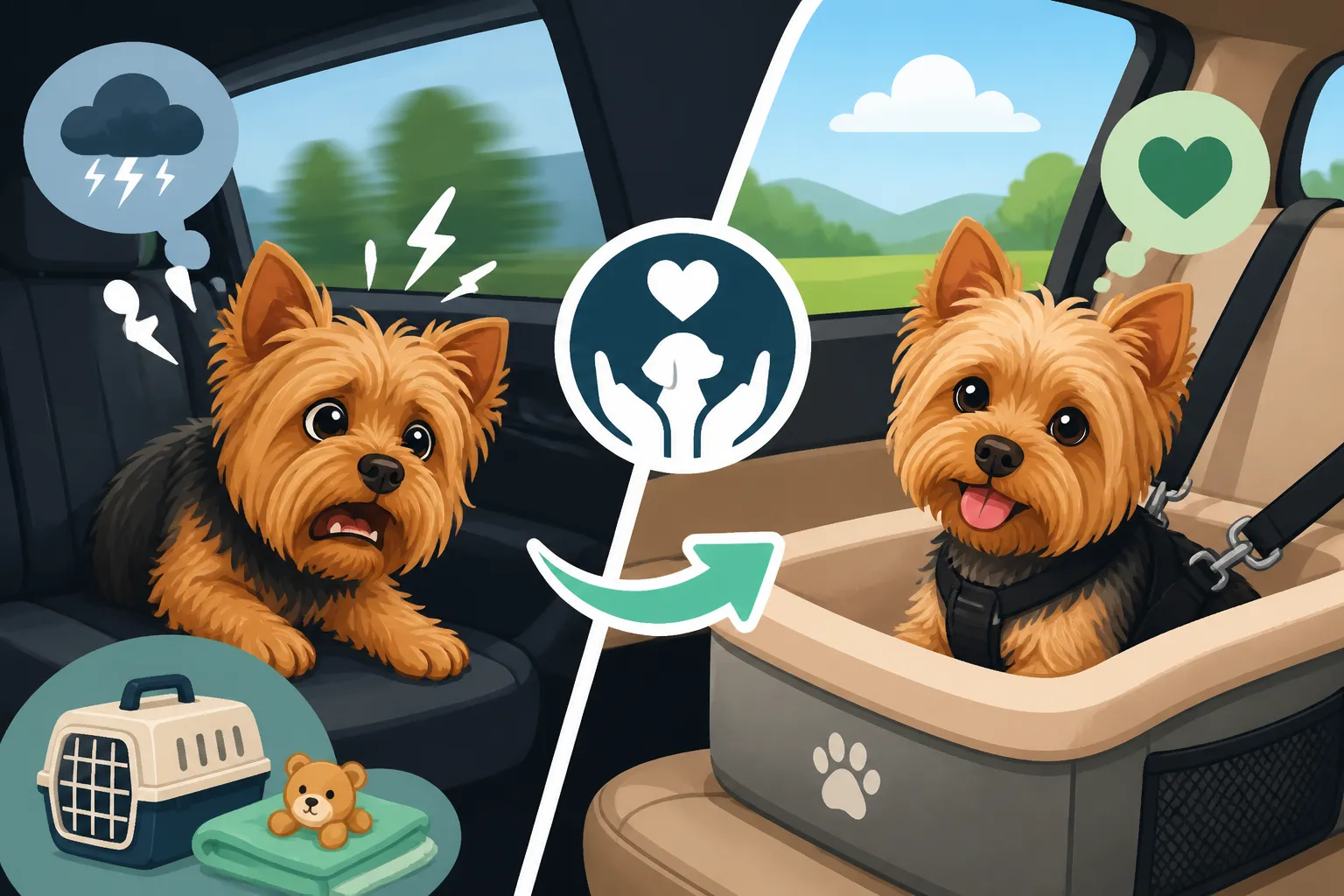
- Secure Carriers or Crates: A comfortable, well-ventilated carrier or crate provides a safe den-like space for your Yorkie. It limits their view, which can reduce sensory overload for some dogs, and prevents them from roaming around, which increases safety. Make sure the carrier is secured in the car, either with a seatbelt or by placing it on the floor behind a seat. For a really anxious pup, covering part of the carrier with a light blanket can create an even more den-like, calming environment. Many options are available on popular online retailers like Amazon, offering everything from soft-sided carriers to more rigid, crash-tested crates. Look for one that's just big enough for them to stand up, turn around, and lie down comfortably.
- Booster Seats and Car Seats: For Yorkies who prefer to see out, a booster seat or a dedicated dog car seat can be a great solution. These elevate your dog to window height, allowing them to look out safely while still being secured. Most come with a strap to attach to your dog's harness (never just a collar, as this could injure their neck in an impact). Brands like Kurgo and K&H Pet Products offer popular car seats. If you're using a car seat, ensure your Yorkie is wearing a properly fitted Best Harness for a Yorkshire Terrier that clips into the seat's restraint system.
- Carriers for Smaller Yorkies: A small, enclosed carrier can be the best option for really tiny or extremely anxious Yorkies. It offers a sense of security and limits their exposure to the overwhelming outside world. Ensure the carrier is well-ventilated and large enough for your Yorkie to stand, turn, and lie down comfortably. The goal here is to create a safe, consistent space for them every time they ride in the car. If your Yorkie is already comfortable with crate training at home, extending that positive association to a car carrier can be very effective. You can learn more about this by checking out our guide on Yorkshire Terrier Crate Training Guide.
Harnessing Calming Aids and Comfort Items
Beyond safety gear, several other tools can help soothe your anxious Yorkie before and during a car ride. These aren't magic bullets, but they can definitely take the edge off.
- Pheromone Sprays and Diffusers: Products like Adaptil utilize synthetic dog-appeasing pheromones, which mimic the natural pheromones a mother dog releases to comfort her puppies. These can have a calming effect on anxious dogs. You can spray a small amount in their carrier or on their car bed about 15 minutes before the trip.
- Calming Chews or Supplements: Many brands offer calming chews or supplements containing ingredients like L-theanine, L-tryptophan, or chamomile. These can help reduce anxiety without sedating your dog. It's always best to consult your vet before introducing any new supplement, but these can be a game-changer for some pups. You can find a good selection of Best Calming Chews for Yorkshire Terriers online. Administer them about 30-60 minutes before you plan to leave, allowing time for them to take effect.
- Familiar Comfort Items: Bringing a favorite blanket, bed, or toy from home into the car or carrier can provide immense comfort. The familiar scent and texture can make the unfamiliar environment of the car feel a little more like home. A worn T-shirt with your scent on it can also be incredibly reassuring.
- Ensuring Proper Temperature and Airflow: Just like humans, dogs can get uncomfortable if the car is too hot or too cold, or if there isn't enough fresh air. Ensure the car's temperature is comfortable and that there's gentle airflow, especially if your Yorkie is prone to overheating due to stress or their smaller size.
Effective Strategies for a Calm Ride and Lasting Solutions
Now that you've prepped your car and considered calming aids, it's time to focus on the actual experience and long-term training. Remember, patience and consistency are your best friends here. You’re essentially retraining your Yorkie to associate the car with positive things, and that takes time.
Desensitization and Positive Reinforcement Training
This is the most crucial long-term strategy. The goal is to gradually introduce your Yorkie to the car in a way that builds positive associations, breaking down their fear into manageable steps. This isn't a quick fix, but it's the most effective way to truly reduce Yorkshire Terrier Behavior Problems and Solutions like car anxiety.
- Start Small, Stay Still: Begin by simply having your Yorkie near the car. Let them sniff around it, give them treats, and praise them. Don't even open the door yet. Do this for a few minutes, then go inside. Repeat several times over a few days.
- Inside the Parked Car: Once they're comfortable near the car, open the door. Entice them inside their carrier or booster seat with high-value treats (like small pieces of cooked chicken or cheese). Don't start the engine. Just let them sit there, give them treats, and praise. After a few minutes, take them out and go inside. Repeat daily, gradually increasing the time spent in the car.
- Engine On, Still Parked: When they're happy to sit in the car with the engine off, move to the next step: starting the engine. Again, keep it brief, offer treats, and praise. Turn the engine off and go inside. Build up the duration.
- Short, Positive Drives: The first drives should be very short – just backing out of the driveway and pulling back in, or a quick trip around the block. Make sure these first trips end in something super positive, like a favorite toy, a game of fetch in the yard, or a delicious meal. Avoid making early trips lead to the vet or groomer if possible. The idea is to counteract those negative associations by building up positive ones. For more general training tips, our guide on How to Train a Yorkshire Terrier offers a solid foundation.
- Gradually Increase Duration: Slowly increase the length of your drives, always ensuring they end with a positive experience. If your Yorkie starts showing signs of anxiety, you’ve gone too far too fast. Go back to a step where they were comfortable and try again more slowly. Consistency is vital here. Using an online training program like those offered by BAXTER & Bella can provide structured guidance and support for this kind of progressive training.
During the Drive: Keeping Your Yorkie Calm
Even with desensitization, some immediate strategies can help when you're on the road.
- Maintain Your Own Calmness: Dogs are incredibly sensitive to our emotions. If you're stressed or anxious about their anxiety, they'll pick up on it and become even more agitated. Speak in a calm, soothing voice. Project confidence and reassurance.
- Calming Music or Audiobooks: Sometimes, the sound of human voices or soft, instrumental music can provide a comforting distraction from road noises. There are even specific dog-calming music playlists available on streaming services.
- Engaging Chew Toys or Puzzle Feeders: For dogs who aren't experiencing severe nausea, a long-lasting chew toy or a small puzzle feeder filled with a treat can provide a welcome distraction and positive association. Make sure it's something they can safely enjoy in their carrier or seat.
- Scheduled Breaks for Longer Journeys: If you're embarking on a longer trip, plan for regular stops where your Yorkie can stretch their legs, have a drink of water, and relieve themselves. This helps break up the journey and prevents them from feeling cooped up for too long. Ensure they are always on a leash, as a frightened Yorkie could bolt in an unfamiliar environment.
When to Seek Professional Help
Sometimes, despite your best efforts, your Yorkie's car anxiety might be too severe to manage on your own. This is not a failure on your part, but rather a sign that you might need a bit more support.
- Veterinarian Consultation: If your Yorkie shows severe physical symptoms like excessive drooling, vomiting, diarrhea, or extreme shaking, a vet visit is essential. They can rule out underlying medical conditions, such as motion sickness, and might prescribe anti-nausea medication or anti-anxiety medications for severe cases. They can also advise on appropriate Yorkie Emergency Symptoms to Never Ignore.
- Certified Professional Dog Trainer or Behaviorist: For deeply ingrained anxiety, especially if it's tied to other behavioral issues like Yorkshire Terrier Separation Anxiety Solutions, a certified professional dog trainer or a veterinary behaviorist can provide tailored strategies. They can observe your Yorkie's specific reactions and create a personalized modification plan using positive reinforcement techniques, helping you and your pup navigate these challenges safely and effectively.
It's a process, and it requires patience, but with consistent effort and a loving approach, you can significantly improve your Yorkie's experience with car rides.
Here's a quick comparison of some common car travel solutions for Yorkies:
| Solution Type | Description | Pros | Cons | Best For |
|---|---|---|---|---|
| Enclosed Carrier | Hard or soft-sided carrier, secured by seatbelt. | Offers high security, creates a "den," limits sensory input, can reduce motion sickness. | Some dogs feel too confined, may obstruct view, needs to be sized correctly. | Very anxious Yorkies, puppies, long trips. |
| Dog Car Seat | Elevated seat with harness clip, typically with a booster. | Allows dog to see out, feels less confined, good for smaller dogs, provides security. | Dog still exposed to external stimuli, requires dog to be harnessed. | Yorkies who like to look out but need security. |
| Safety Harness | Clips directly into seatbelt, keeping dog restrained on the seat. | Simple, allows dog to lie on the seat, doesn't require a separate carrier/seat. | Less confinement (can move more), may not prevent motion sickness, dog still fully exposed. | Calmer Yorkies who just need to be secured, short trips. |
| Calming Chews | Supplements taken orally before travel. | Easy to administer, non-sedative options available, helps reduce general anxiety. | Not a substitute for training, effectiveness varies by dog, consult vet. | Mild to moderate anxiety, complement to training. |
| Pheromone Spray | Mimics natural calming pheromones, sprayed in carrier/car. | Non-invasive, no ingestion needed, can create a calming environment. | May not be effective for all dogs, needs to be applied in advance. | Mild anxiety, complement to other methods. |
Disclaimer
The information provided in this article is for general informational purposes only and is not a substitute for professional veterinary advice. Always consult with a qualified veterinarian or professional dog trainer for any health concerns or before implementing new training methods or supplements for your Yorkshire Terrier.