How to Stop Yorkie Submissive Peeing
Discovering a puddle on your floor, even after your adorable Yorkshire Terrier has just been outside, can be incredibly frustrating and frankly, quite disheartening. It often feels like a step backward, leaving you wondering if your potty training efforts were all for nothing, or if your little companion is trying to make a statement. But before you get too discouraged, understand that submissive peeing is a common, though often misunderstood, behavior in small, sensitive breeds like Yorkies. This guide will help you unpack the reasons behind your Yorkie's submissive urination and equip you with empathetic, effective strategies to help them feel more secure and keep your floors dry.
Understanding Submissive Peeing in Yorkies
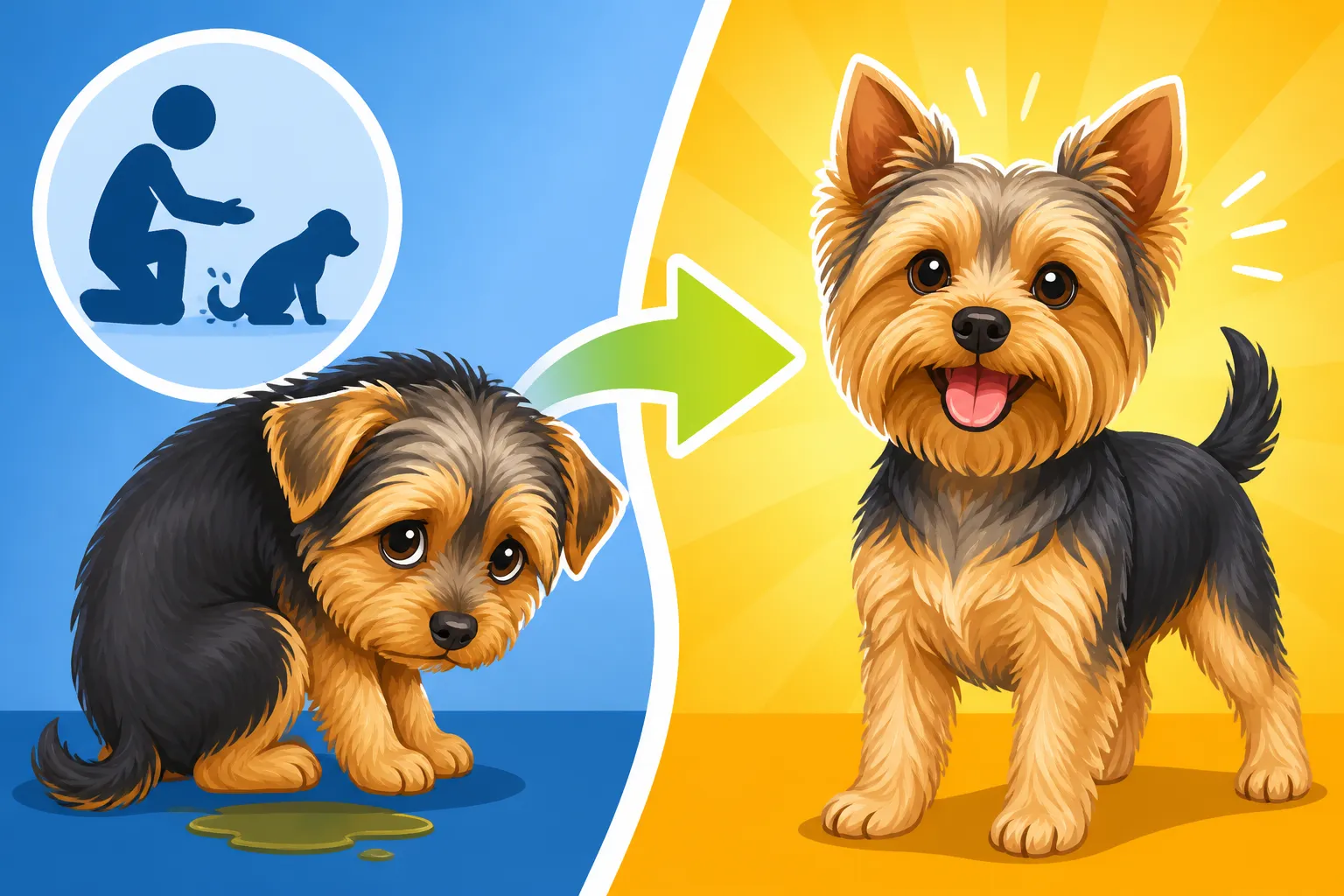
When your Yorkie wets themselves in a social situation – maybe when you come home, a guest arrives, or during a scolding – it’s not an act of defiance or a lack of house training. Instead, it’s often a deeply ingrained, involuntary physiological response to feelings of fear, anxiety, or extreme submission. Your Yorkie isn’t trying to be naughty; they’re trying to communicate that they mean no harm.
What is Submissive Peeing Really?
Submissive urination is essentially a dog’s way of saying, “I’m not a threat! Please don’t hurt me.” It’s a primal behavior seen more often in puppies and sensitive adult dogs, particularly smaller breeds. When a dog feels overwhelmed, intimidated, or unsure of a situation, their bladder can simply relax, leading to an involuntary release of urine. It’s not about their ability to hold it; it’s about their emotional state taking over. Imagine being so scared or nervous that you can't control a physical response – that's often what your Yorkie is experiencing.
It's crucial to distinguish submissive peeing from excitement urination or other potty training issues. Excitement peeing often happens during very joyful, high-energy greetings, whereas submissive peeing is typically triggered by perceived threats, scolding, loud noises, or intimidating body language. If you've ever had a Yorkie tremble and pee when you loom over them or raise your voice, that's a classic sign of submissive urination, not a mere accident. Understanding this difference is the first step in addressing the behavior appropriately. For a broader look at common potty challenges, you might find our guide on Why Is My Yorkie So Hard to Potty Train helpful.
Common Reasons Yorkies Submissively Pee
Yorkies, with their tiny stature and often sensitive personalities, are particularly prone to submissive peeing. Their small size can make the world feel like a much scarier place, and they often perceive human interactions differently than larger, more confident dogs might.
One of the most frequent triggers is fear of punishment or scolding. If a Yorkie has been punished for accidents in the past, they might associate human anger or even a stern tone with something to fear. When you approach them with what they perceive as an angry posture (even if you're just frustrated), they may involuntarily pee as an appeasement gesture. Another significant factor is overwhelming greetings, especially from strangers or boisterous family members. A person bending over them, reaching out quickly, or making direct eye contact can be seen as an aggressive act by a timid Yorkie. Think about a child who hides behind a parent when a stranger tries to interact too intensely – it's a similar feeling of being vulnerable.
Beyond direct interaction, loud noises, sudden movements, or even simply being picked up can trigger submissive peeing. Some Yorkies are just naturally more anxious or sensitive due to genetics or early life experiences. A lack of proper socialization during their puppyhood can also contribute to this behavior, making them more fearful of new situations and people. If you're seeing other concerning behaviors, our resource on How to Socialize a Yorkshire Terrier might offer further insights into their overall well-being.
Identifying Triggers and Body Language
Successfully addressing submissive peeing starts with becoming a detective for your own dog. You need to observe their behavior closely, understand their subtle cues, and identify the specific situations that lead to accidents. It’s a process of learning your Yorkie’s unique language and adapting your responses.
Recognizing the Signs Before the Accident
Your Yorkie will almost always give you subtle clues before they submissively pee, if you know what to look for. These are often appeasement gestures, meant to de-escalate what they perceive as a tense situation. Common signs include:
- Cowering or Crouching: Their body might lower to the ground, head down, almost trying to make themselves smaller.
- Tail Tucked: A tail tucked tightly between their legs is a classic sign of fear or anxiety.
- Avoiding Eye Contact: They might turn their head away or avert their gaze, trying not to challenge you.
- Lip Licking or Yawning: These can be "calming signals" used to defuse stress.
- Trembling or Shaking: A clear indication of nervousness or fear, sometimes seen in Yorkies even without submissive peeing. If you notice your Yorkie shaking frequently, our article on Why Do Yorkies Shake and Tremble could be a helpful read.
- Rolling Over to Expose Belly: While this can be an invitation for a belly rub in a confident dog, in a fearful dog, it's an extreme act of submission, often accompanied by urination.
By spotting these signals before the urination occurs, you can intervene gently, change the interaction, and potentially prevent the accident, reinforcing a sense of safety for your Yorkie. The key is to react to these subtle signs with calm reassurance, not further intimidation.
Pinpointing Your Yorkie's Specific Triggers
Every Yorkie is an individual, and while general triggers exist, your dog will have a unique set. It’s essential to keep a mental note, or even a physical journal, of when and where the submissive peeing occurs. Ask yourself:
- Who was involved? Was it you, a family member, a specific guest, or a child?
- What was the interaction like? Was someone bending over the Yorkie, making loud noises, staring directly, trying to pet them, or scolding them?
- Where did it happen? Was it always in the same spot, or in different environments?
- What was the tone of voice? Was it loud, stern, or high-pitched?
You might find that your Yorkie only pees when your boisterous Uncle Larry visits, or when you come home after a long day and greet them with too much excitement. Perhaps it's when they're startled by the doorbell. Understanding these patterns is crucial. For instance, if your Yorkie gets particularly anxious when left alone, exploring Yorkie Separation Anxiety: Signs and Fixes could provide additional context and solutions for their overall anxiety levels.
Here's a small table to help you track and understand common triggers:
| Potential Trigger | Yorkie's Reaction (Body Language) | Your Action to Prevent Peeing |
|---|---|---|
| Direct eye contact / Leaning over | Cowering, tail tucked, avoids gaze | Turn sideways, avoid direct stare, crouch down |
| Loud noises / Startle | Trembling, jumpy | Speak softly, move slowly, reassure |
| Boisterous greetings (from humans) | Lowers body, flattens ears | Calm greetings, ignore for first few minutes |
| Punishment / Scolding | Rolls over, flattens ears, trembles | Use positive reinforcement, never punish |
| New people / Strangers | Hides, attempts to flee | Introduce slowly, let Yorkie approach |
| Being picked up unexpectedly | Stiffens, struggles | Approach calmly, give verbal cue |
This detailed observation will help you formulate a targeted plan to modify both your behavior and your Yorkie’s environment, fostering confidence rather than fear.
Practical Strategies to Stop Submissive Peeing
Once you understand why your Yorkie is peeing submissively, you can implement a variety of strategies focused on building their confidence and reducing their anxiety. This isn't about punishment; it's about reassurance and creating a safe world for your little companion.
Creating a Calm and Predictable Environment
A stable, predictable environment is a lifeline for an anxious Yorkie. This means minimizing sudden changes, loud noises, and intimidating interactions.
- Establish a Routine: Dogs thrive on routine. Consistent feeding times, potty breaks, and playtime help your Yorkie feel secure because they know what to expect. A predictable day reduces overall anxiety.
- Designate a Safe Space: Ensure your Yorkie has a "den" – a crate or a cozy bed in a quiet corner – where they can retreat when feeling overwhelmed. This should be a place where they are never bothered, allowing them to feel truly safe. You can find excellent, comfortable options for safe spaces on Best Crate for a Yorkshire Terrier or Best Bed for a Yorkshire Terrier.
- Manage Noise Levels: Be mindful of loud music, TV volumes, or shouting. If you know a noisy event is coming (like a party), try to acclimate your Yorkie gradually or provide a quiet, secluded room away from the commotion.
- Avoid Confrontational Spaces: If your Yorkie consistently pees in a certain spot after a specific interaction, try to manage that space differently. For example, if it's the entryway when guests arrive, try having your Yorkie greet them in a more open, less confined area after the initial excitement has settled.
By controlling their environment as much as possible, you’re not just preventing accidents; you’re actively reducing the underlying stress that causes the behavior.
Positive Reinforcement and Confidence Building
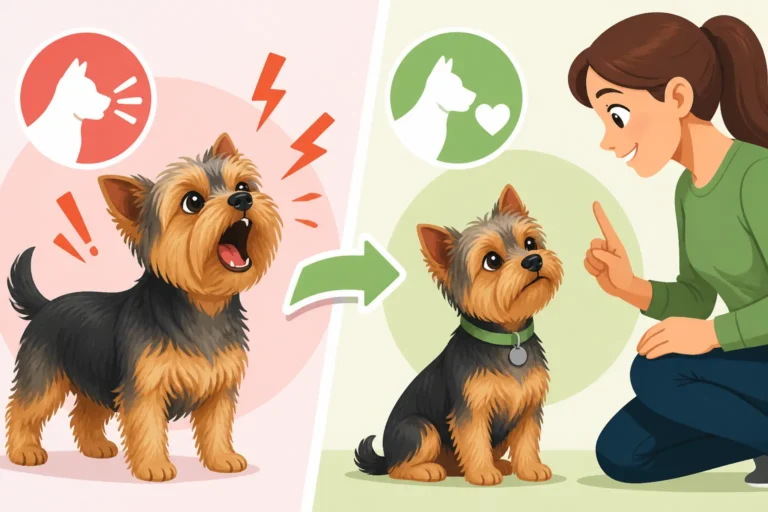
The absolute cornerstone of addressing submissive peeing is positive reinforcement. Punishment, yelling, or harsh corrections will only exacerbate the problem, making your Yorkie more fearful and likely to pee again. Instead, focus on building their confidence and rewarding calm, appropriate behavior.
- Reward Calmness: When your Yorkie is calm and confident during a typical trigger situation (e.g., a quiet greeting), lavish them with praise, gentle pets, or a small, high-value treat. The goal is to make them associate these situations with positive outcomes, not fear. This is key to successful Positive Reinforcement Training for Yorkies.
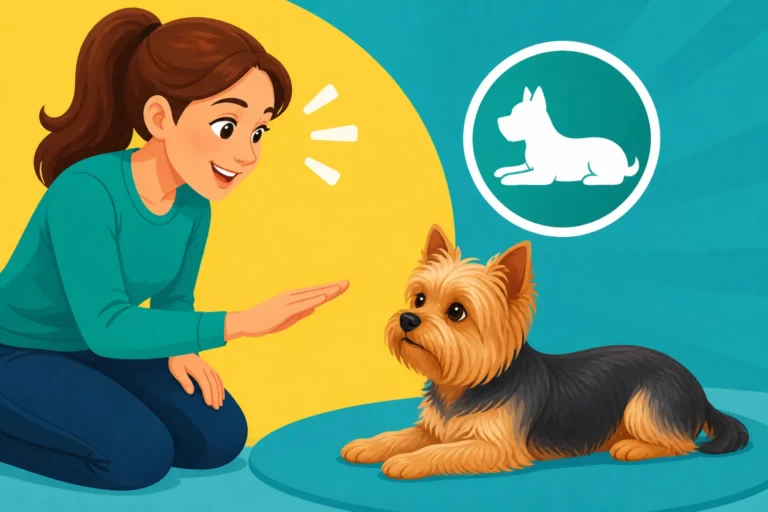
- Lower Your Physicality: When greeting your Yorkie, especially when you first come home or a guest arrives, avoid bending directly over them or making direct eye contact, which can be seen as confrontational. Instead, crouch down to their level, turn slightly to the side (presenting your side rather than staring head-on), and use a soft, soothing voice. Let them approach you.
- Gentle Handling: When picking up your Yorkie, approach slowly, speak softly, and give them a verbal cue like "up-up" before lifting them gently. This prepares them and gives them a sense of control. Avoid sudden, grabby movements.
- Engage in Confidence-Building Training: Enroll in a positive reinforcement training class or use online resources. Learning basic commands like "sit," "stay," and "come" in a low-stress environment can do wonders for a Yorkie's confidence. Platforms like
BAXTER & Bellaoffer fantastic online courses that can guide you through these steps from the comfort of your home, helping you build a stronger bond and address behavioral issues systematically. When you need tasty rewards, look for Best Treats for Training a Yorkie on sites likeAmazon. A well-trained Yorkie is often a more confident Yorkie. Consider our comprehensive How to Train a Yorkshire Terrier guide for more ideas.
Managing Greetings and Interactions
Many submissive peeing incidents happen during greetings, so this is a critical area to address.
- The "Ignore Until Calm" Approach: When you arrive home or a guest enters, ignore your Yorkie for the first few minutes. Avoid eye contact, talking to them, or reaching out. This allows them to calm down from the excitement and anxiety of your arrival. Once they are calm (not jumping or frantically running), then you can crouch down and offer a quiet, gentle greeting. This method can also be helpful for Yorkshire Terrier Separation Anxiety Solutions.
- Controlled Guest Introductions: Inform guests beforehand about your Yorkie's sensitivity. Ask them to ignore the dog initially, avoid direct eye contact, and let the Yorkie approach them on their terms. If the Yorkie approaches, instruct guests to offer a calm hand for sniffing (knuckles first) and pet gently under the chin, rather than on top of the head.
- Short, Positive Interactions: If your Yorkie is particularly sensitive, keep initial interactions with new people very short and positive. A quick, calm sniff and a treat, then letting the Yorkie retreat, is much better than forcing a long, stressful interaction.
- Avoid Punishment: Absolutely never scold, yell at, or punish your Yorkie for submissive peeing. This will only increase their fear and anxiety, making the problem worse. Clean up accidents calmly and thoroughly using an enzymatic cleaner (available on
Amazon) to eliminate odors that might attract them back to the same spot.
Remember, the goal is to consistently demonstrate that you are a safe, predictable, and benevolent leader, not a source of fear. Building a Yorkie’s confidence takes time, patience, and unwavering positive reinforcement. Socializing your Yorkie properly from a young age is also immensely helpful in preventing these issues; our How to Socialize a Yorkie Puppy article has more tips.
When to Seek Professional Help
While many cases of submissive peeing can be managed with consistent, positive behavioral modifications at home, there are times when seeking professional guidance is the best course of action. It's important to recognize when you might need an expert hand to help your Yorkie.
When Home Methods Aren't Enough
You've been diligently applying all the positive reinforcement techniques, carefully managing greetings, and creating a serene environment, but the submissive peeing persists. This is a clear indicator that your Yorkie might need more targeted help. If the frequency of accidents isn't decreasing, or if the behavior seems to be worsening despite your best efforts, it's time to consider professional intervention. Sometimes, underlying anxiety can be more severe than simple fear of punishment, or there might be an unrecognized trigger that you're missing.
Another sign it's time to call in the pros is if your Yorkie shows other significant fear or anxiety-related behaviors. Are they constantly trembling, excessively barking, or becoming withdrawn? Do they show aggression when fearful, or are they difficult to console? These additional symptoms suggest a deeper anxiety issue that may require a comprehensive behavioral plan. For any concerning health or emergency symptoms, always refer to Yorkie Emergency Symptoms to Never Ignore.
Consulting a Vet or Certified Behaviorist
Your first stop should always be your veterinarian. While submissive peeing is behavioral, it’s crucial to rule out any underlying medical conditions that could be causing or contributing to urinary incontinence. A urinary tract infection (UTI), bladder stones, or other bladder issues can mimic submissive peeing or make a dog more prone to accidents. Your vet can perform a thorough examination and necessary tests to ensure there’s no physical cause. Choosing the right vet is critical, and our guide How to Choose a Vet for a Yorkie can help you find one that's a good fit.
If medical issues are ruled out, your vet can then refer you to a certified professional dog trainer (CPDT) or a veterinary behaviorist (Dip ACVB).
- Certified Professional Dog Trainers typically focus on modifying behavior through positive reinforcement techniques and can help you implement a structured training plan specifically for submissive peeing and confidence building. They can observe your Yorkie's interactions firsthand and pinpoint subtle cues you might be missing.
- Veterinary Behaviorists are veterinarians who have specialized in animal behavior. They are qualified to diagnose and treat behavioral disorders, including severe anxiety, and can prescribe medication if necessary to help manage extreme fear or panic, alongside behavioral modification. This can be particularly helpful for Yorkies with deep-seated or generalized anxiety.
Working with a professional provides an unbiased, expert perspective and a tailored plan that considers your Yorkie's individual temperament and history. They can help you implement strategies to How to Build Confidence in a Timid Yorkie effectively and address the root causes of their anxiety, ensuring a happier, drier future for both you and your beloved companion.
Disclaimer
This article provides general information and guidance. It is not a substitute for professional veterinary advice. Always consult with a qualified veterinarian or certified dog behaviorist for any health concerns or before making any decisions about your pet's care or training.