How to House Train an Adult Yorkie
Bringing an adult Yorkshire Terrier into your home, especially one that hasn't quite mastered house training, can feel incredibly overwhelming and, let's be honest, a little bit frustrating. You might be dealing with a rescue dog with an unknown past, a rehomed pup, or even your own Yorkie who's developed some inconvenient habits. It's easy to feel discouraged when accidents keep happening, but rest assured, it’s entirely possible to teach an old dog new tricks! This comprehensive guide is here to walk you through the nuances of house training an adult Yorkie, offering practical, empathetic strategies to help your furry friend become a clean and confident member of your household.
Understanding the Unique Challenges of Adult Yorkie House Training
When you think of house training, your mind probably jumps to puppies. But adult dogs, especially small breeds like Yorkshire Terriers, can present a different set of hurdles. It’s not about them being unintelligent or stubborn; it’s usually about ingrained habits, past experiences, or sometimes, underlying issues that need to be addressed.
Why Adult Yorkies Struggle with House Training
Many adult Yorkies who aren't reliably house-trained often come from situations where consistent training was lacking. Perhaps they lived in a kennel environment where they learned to eliminate wherever they were, or they spent extended periods in small spaces, inadvertently teaching them that soiling their living area was acceptable. For a Yorkie, with their tiny bladders and sometimes "big dog in a small body" stubborn streak, these early experiences can set strong precedents. They might be genuinely confused about what's expected of them, or they might even be fearful of going outside if they've had negative experiences there. Sometimes, the issue isn't behavioral at all, but rather a medical condition that needs veterinary attention. This is why a holistic approach is crucial.
Assessing Your Yorkie's Background and Past Habits
Before you even begin implementing a training plan, take some time to really understand your Yorkie's history. Was your adult Yorkie a rescue? A rehome? Did they come from a puppy mill? Knowing their background can offer invaluable clues. For example, a Yorkie from a puppy mill might have never learned what grass feels like under their paws and may be hesitant to relieve themselves outdoors. A dog rehomed multiple times might be experiencing anxiety, leading to accidents. If you're unsure about their history, observing their behavior closely will be your best detective work. Do they prefer certain surfaces? Do accidents happen at specific times or in particular locations? Do they show any signs of stress or fear before eliminating indoors? Gathering this information will help you tailor your strategy effectively, understanding that your Yorkie isn't trying to spite you, but rather communicating a need or a deeply ingrained pattern.
Setting Up for Success Your Adult Yorkie's Potty Zone
Creating the right environment is half the battle when it comes to house training an adult Yorkie. It’s not just about telling them where to go; it’s about making the correct choice the easiest and most appealing option. This involves strategic planning for both their outdoor and indoor spaces.
Choosing the Right Potty Spot
The first step is deciding where you want your Yorkie to relieve themselves. For most people, this means outside in a designated spot in the yard or during walks. Choose an area that's safe, easily accessible, and, if possible, somewhat secluded from heavy traffic or distractions. Consistency is paramount here. Always take your Yorkie to the exact same spot, every single time. The scent of their previous eliminations in that area will actually encourage them to go there again, reinforcing the idea that "this is my bathroom." If you live in an apartment, this might mean a specific patch of grass just outside your building. If you're considering Pee Pad vs Outdoor Training for Yorkies, make sure your chosen method is clear and consistently applied by everyone in the household.
Essential Supplies and Tools
Having the right tools at hand can make a significant difference in your success. You'll need a good quality leash and harness – a harness is generally recommended for Yorkies due to their delicate tracheas. For indoor clean-up, invest in an enzymatic cleaner like Nature's Miracle or Rocco & Roxie, which effectively breaks down the odor and stains from urine, preventing your Yorkie from being drawn back to the same "accident" spots. Regular household cleaners might mask the smell to your nose, but a dog's keen sense of smell will still detect it, marking it as a suitable toilet.
A comfortable, appropriately sized crate is also incredibly useful for management, especially when you can't actively supervise your Yorkie. The general rule is that a dog will not soil their sleeping area unless they absolutely cannot hold it. You can find excellent, durable crates and enzymatic cleaners on platforms like Amazon, making it easy to gather your essential supplies quickly. If your Yorkie is prone to accidents due to anxiety, consider calming diffusers or supplements, but always consult your vet before introducing new supplements.
The Foundation of Training Establishing a Routine
Consistency is the golden rule of house training any dog, and it's especially critical for an adult Yorkie who might be unlearning old habits. A predictable routine helps your dog understand what's expected of them and when.
Creating a Consistent Schedule
Dogs thrive on routine, and a strict potty schedule is non-negotiable for house training an adult Yorkie. This isn't just about taking them out when you remember; it's about proactively taking them out at regular, frequent intervals. Think about it: an adult Yorkie's bladder, though larger than a puppy's, still isn't huge. The key is to take them out before they need to go.
Here's a sample schedule to get you started, but remember to adjust it based on your Yorkie's individual needs and your lifestyle:
| Time | Activity | Notes |
|---|---|---|
| First thing AM | Immediate outdoor potty break | As soon as they wake up, before food or play. |
| After Breakfast | Outdoor potty break | Within 10-15 minutes of eating. |
| Mid-morning | Outdoor potty break | Even if they didn't finish breakfast right away. |
| Before Lunch | Outdoor potty break | A quick trip. |
| Afternoon | Outdoor potty break | Regular intervals, perhaps every 2-3 hours for smaller Yorkies. |
| After Dinner | Outdoor potty break | Within 10-15 minutes of eating. |
| Before Bed | Last outdoor potty break | A longer trip to ensure they empty their bladder fully. |
| Anytime after playtime/naps/excitement | Immediate outdoor potty break | Excitement, play, and waking up often trigger the need to go. |
Stick to this schedule religiously, even on weekends. Your Yorkie will quickly learn to anticipate these outings and understand that outside is where elimination happens. This is a critical step in their overall Yorkshire Terrier Potty Training Guide.
Supervision is Key
During the initial stages of house training, your adult Yorkie should never be left unsupervised. This means eyes on them at all times when they're not crated or confined. An unsupervised Yorkie is an accident waiting to happen, and every accident is a setback. This level of vigilance might sound intense, but it's temporary and incredibly effective.
Consider using a tether (a short leash attached to you) or keeping them in the same room as you, within your line of sight. If you need to step away for a moment, even just to grab a drink from the kitchen, either take them with you, put them in their crate, or confine them to a small, puppy-proofed area with an appropriate potty spot (like a pee pad, if you're using one). Pay close attention to subtle cues that your Yorkie needs to go out – sniffing around, circling, sudden quietness, or heading towards a previous accident spot. Catching these cues and immediately taking them outside will prevent accidents and provide a perfect opportunity to reinforce good behavior.
Effective Potty Training Methods for Adult Yorkies
While the core principles of house training remain consistent, adapting techniques for an adult Yorkie involves specific considerations, particularly around management and reinforcement.
Leash Training and Positive Reinforcement
When you take your Yorkie outside for a potty break, always keep them on a leash, even if you have a fenced yard. This isn't about control as much as it is about focus. A leash prevents them from getting distracted by squirrels, neighbors, or interesting smells and helps them focus on the task at hand. Walk them directly to their designated potty spot and stand still. Avoid playing or interacting too much. Use a consistent, calm verbal cue like "Go potty" or "Do your business."
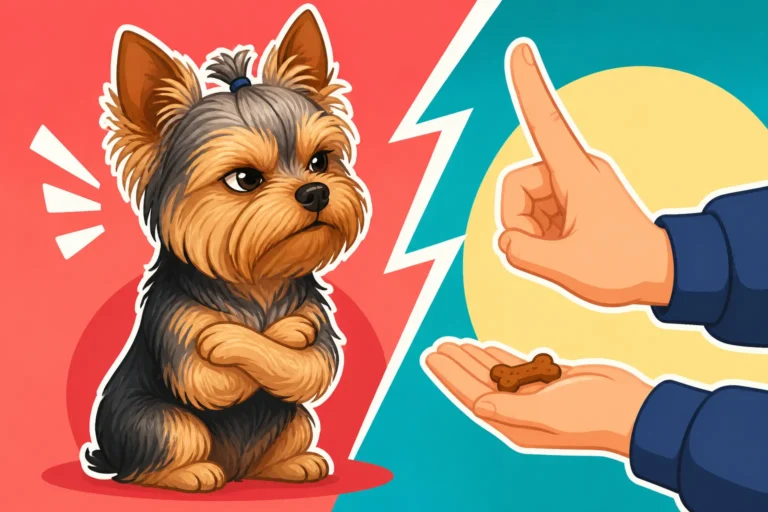
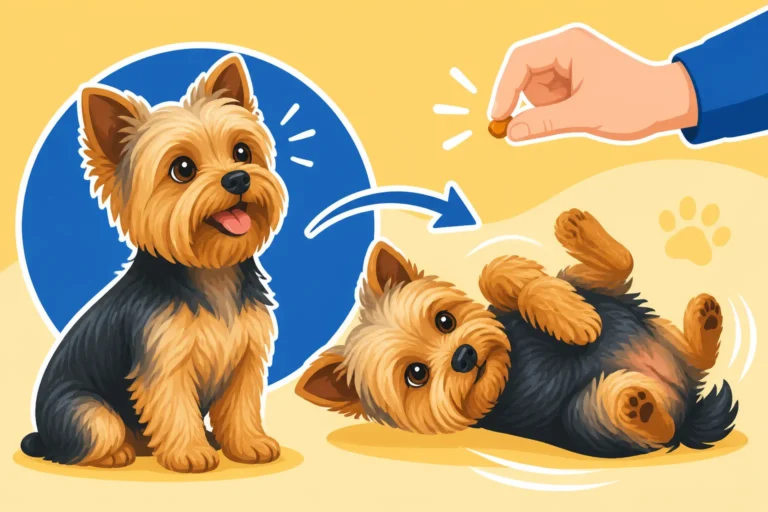
The moment your Yorkie starts to eliminate, offer quiet praise. The instant they finish, throw a party! Give them enthusiastic verbal praise, petting, and a high-value treat. A high-value treat is something they absolutely adore, like small pieces of cooked chicken, cheese, or special training treats you buy from a reputable pet store. This immediate and exciting reward creates a strong positive association with eliminating in the correct spot. Never punish accidents, as this only teaches fear and can make them hide their eliminations from you. Instead, clean up thoroughly and recommit to prevention. This positive approach is detailed further in guides like Positive Reinforcement Training for Yorkies.
Crate Training Revisited
If your adult Yorkie isn't already crate trained, now is an excellent time to introduce or reintroduce the crate. A crate is not a punishment; it's a safe, den-like space that appeals to a dog's natural instinct not to soil their sleeping area. It's a crucial management tool, especially when you can't provide direct supervision or when you need to run errands.
Start by making the crate a positive place. Feed your Yorkie meals in the crate, offer special chew toys only available in the crate, and praise them for going in voluntarily. Never force them into the crate or use it for punishment. For house training, the crate becomes their safe haven when you can't watch them. Ensure the crate is just large enough for them to stand up, turn around, and lie down comfortably. If it's too big, they might use one end as a bathroom and the other as a bed. For a deeper dive into this, check out our guide on How to Crate Train a Yorkie. As their bladder control improves and they consistently go outside, you can gradually increase the time they spend out of the crate and unsupervised.
Pee Pad Transitioning
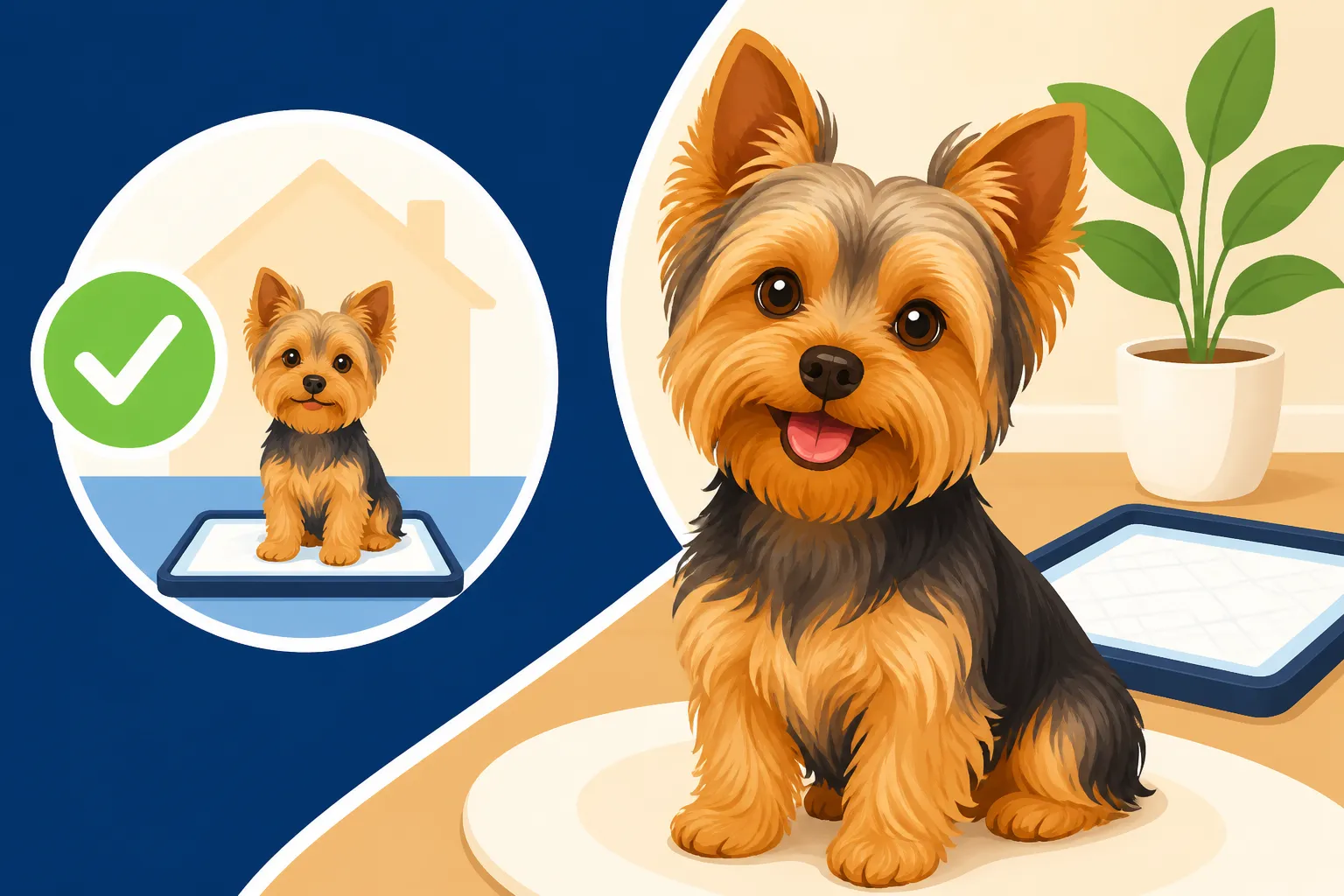
Some adult Yorkies might arrive already trained to use pee pads indoors. While this can be convenient for some households, if your goal is outdoor-only elimination, you'll need a transition plan. This can be one of the trickier aspects, as you're essentially asking them to unlearn an accepted behavior.
Start by gradually moving the pee pad closer to the door you use for outdoor potty breaks. Move it a foot or two each day. Once the pad is right by the door, begin taking it outside to the designated potty spot. Your Yorkie will associate the scent of the pad with elimination. The idea is to slowly reduce their reliance on the pad. Eventually, you can cut the pad into smaller and smaller pieces, or simply take them out on their regular schedule, rewarding heavily for outdoor success, and removing the pad altogether. This process requires extreme patience and consistency, as you're effectively retraining two different behaviors: "potty on the pad" and "potty outside." Be prepared for setbacks, but stick with the outdoor-first approach with high-value rewards.
Addressing Common Setbacks and Accidents
It's natural to feel frustrated when accidents happen, especially after you've been so diligent. But setbacks are a normal part of the process, particularly with adult dogs who have established habits. The key is how you react and learn from them.
Dealing with Accidents Effectively
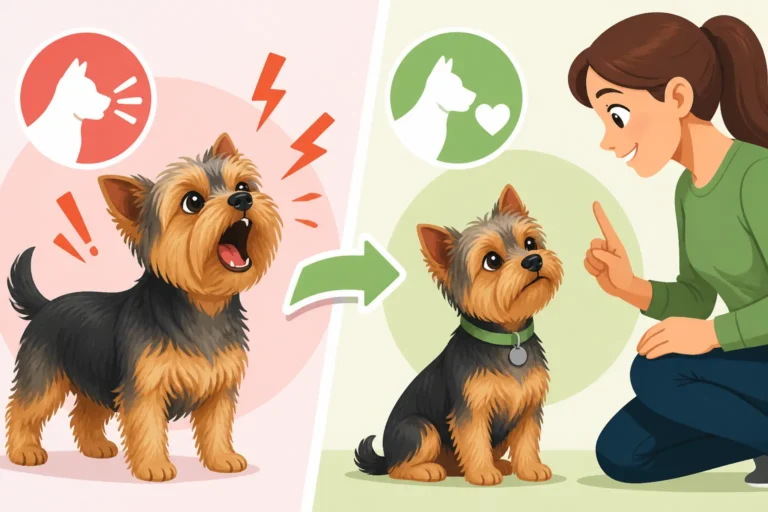
When an accident inevitably happens indoors, resist the urge to scold or punish your Yorkie. They don't understand retrospective punishment, and yelling at them after the fact will only teach them to fear you or to hide their eliminations, making the problem worse. If you catch them in the act, a quick, sharp noise like a clap can interrupt them, then immediately scoop them up and rush them outside to their designated potty spot. Even if they don't finish outside, praise them for being out there.
The most important step after an accident is thorough clean-up. As mentioned, use an enzymatic cleaner religiously. Blot up as much urine as possible with paper towels, then saturate the area with the enzymatic cleaner. Let it sit according to the product's instructions, then blot dry. This removes both the stain and, crucially, the odor that attracts your Yorkie back to the spot. If you're struggling with frequent indoor eliminations, you might find our guide on How to Stop a Yorkie from Peeing Inside helpful. Every accident is a learning opportunity – it usually means you need to be more vigilant with supervision, take them out more frequently, or re-evaluate your schedule.
Identifying Underlying Issues Medical or Behavioral
If despite consistent training and a solid routine, your adult Yorkie continues to have frequent accidents, it's time to consider underlying issues. The first stop should always be your veterinarian. Many medical conditions can cause or exacerbate house training problems. Urinary tract infections (UTIs), bladder stones, kidney disease, diabetes, Cushing's disease, or even conditions like Yorkshire Terrier Liver Shunt can lead to increased urination or inability to hold it. A vet can rule out these health concerns with a physical exam and urine/blood tests.
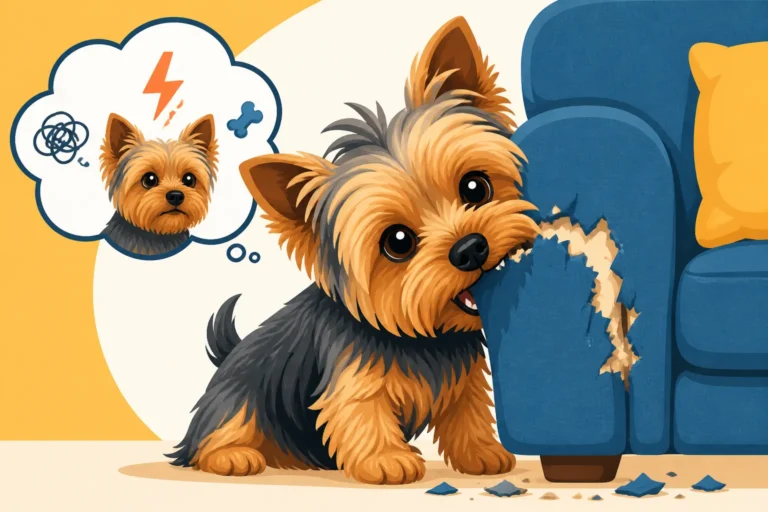
If medical issues are ruled out, then behavioral factors might be at play. Anxiety, especially separation anxiety, can cause a dog to eliminate indoors. Marking behavior, particularly in intact males (or sometimes females), can also be a challenge – our article on How to Stop a Yorkie from Marking can provide more insight. Fear of loud noises, unfamiliar environments, or even aversion to certain outdoor surfaces can also contribute. In such cases, consulting with a certified professional dog trainer or a veterinary behaviorist can provide tailored strategies and support to address these complex behavioral challenges. Online training resources, such as those offered by BAXTER & Bella, can also provide valuable insights and structured courses to help navigate these deeper behavioral nuances with expert guidance.
Maintaining Consistency and Long-Term Success
House training isn't a one-and-done event; it's an ongoing commitment, especially with an adult Yorkie. The initial intense period will eventually ease, but consistency will always be your best friend.
Rewarding Good Behavior Consistently
Even after your Yorkie seems to "get it," don't stop reinforcing good behavior. Continue to praise and offer treats for outdoor eliminations, perhaps gradually phasing out the treats for just enthusiastic verbal praise and petting. This intermittent reinforcement keeps the behavior strong and reliable. Think of it like a slot machine – if you always win, it's fun, but if you win sometimes unpredictably, it keeps you coming back for more. Similarly, occasional high-value rewards will keep your Yorkie motivated.
Remember, the goal is not just to prevent accidents but to build a strong habit of choosing the correct potty spot. Every time they go outside successfully, you're building on that foundation. If you slack off on rewards too soon, the behavior might diminish. Be consistent, patient, and generous with your praise, and your Yorkie will continue to associate outdoor elimination with positive outcomes. You'll likely find that maintaining a Yorkie Potty Schedule even once they're fully trained will prevent most issues.
Long-Term Management and Adapting the Routine
As your adult Yorkie becomes reliably house-trained, you can gradually increase the time between potty breaks and the amount of supervised freedom they have indoors. However, always err on the side of caution. Even a fully house-trained dog can have an accident if they're left too long, feeling unwell, or in an unfamiliar environment.
Pay attention to life changes: new house, new routine, illness, or even advanced age can impact a Yorkie's house training. An older Yorkie, for instance, might need more frequent potty breaks due to age-related changes in bladder control. Our guide on How to Care for a Senior Yorkie addresses many of these considerations. Always be prepared to go back to basics if you notice any regression. That might mean temporarily increasing supervision, going back to more frequent potty trips, or even briefly reintroducing the crate for management. The aim is to create a harmonious home where everyone, including your beloved Yorkie, feels comfortable and understood. With patience, persistence, and a lot of love, your adult Yorkie can absolutely master house training and enjoy a clean, happy life with you.
Disclaimer
Please note that the information provided in this article is for general informational purposes only and does not constitute veterinary advice. Always consult with a qualified veterinarian for any health concerns or before making any decisions about your pet's medical care or training plan.