Yorkie Not Listening: What to Do
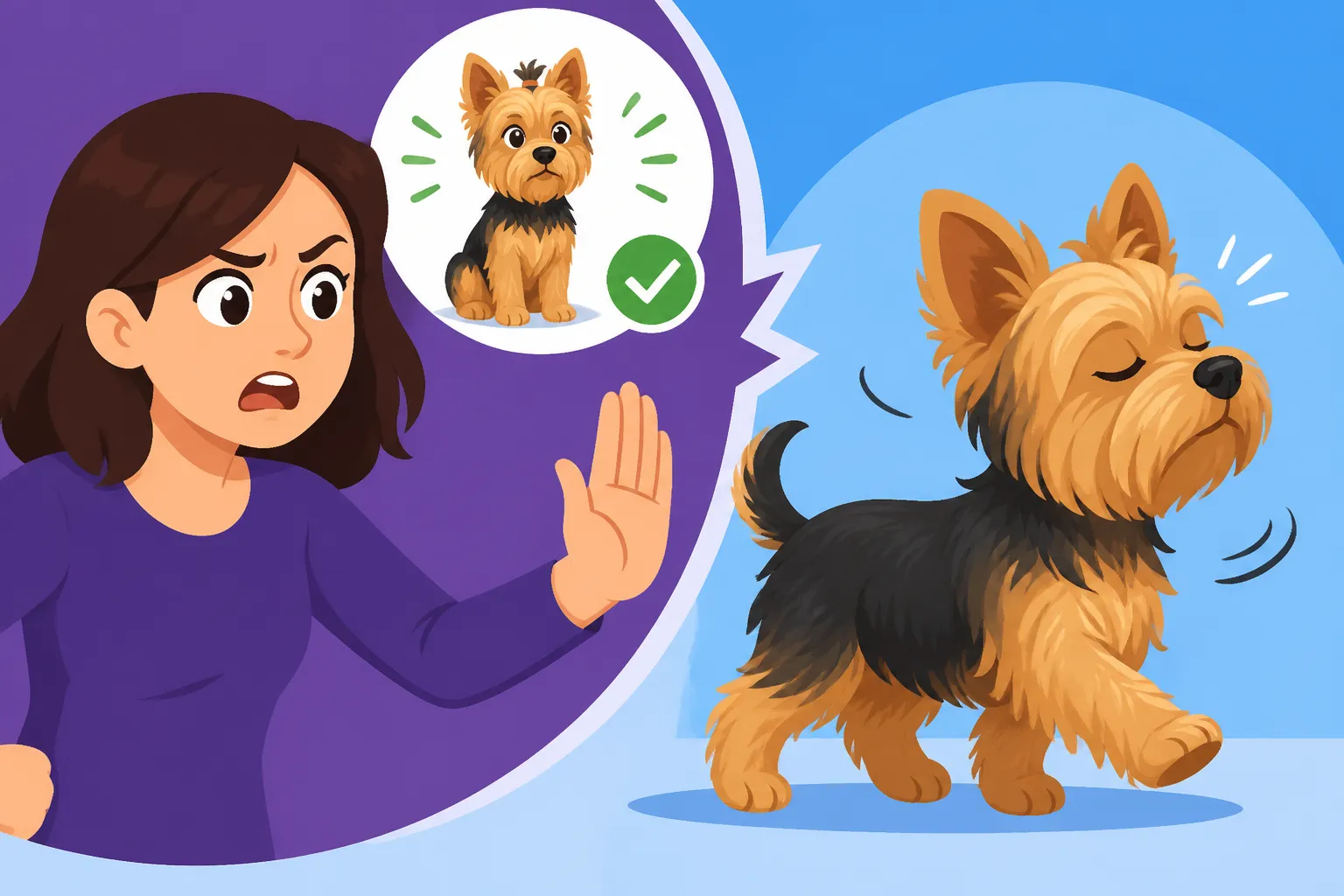
It’s incredibly frustrating when your adorable Yorkshire Terrier, the tiny companion you adore, suddenly seems to develop selective hearing, completely ignoring your calls or commands. You might find yourself wondering if they even understand you, or if they’re just being plain stubborn. This guide is here to shed light on why your Yorkie might not be listening and provide you with practical, empathetic strategies to re-establish clear communication and a stronger bond.
Understanding the "Stubborn Yorkie" Mindset
Many Yorkie parents find themselves muttering, "My Yorkie just doesn't listen!" when their pint-sized companion seems to have a mind of their own. It's easy to assume they're being intentionally disobedient, but often, there's more to it than simple stubbornness. Understanding the unique psychology of a Yorkshire Terrier can be the first step in bridging that communication gap.
It's Not Always Disobedience, It's Yorkie
Before we label our little companions as defiant, it's important to consider their breed traits. Yorkshire Terriers, despite their small stature, carry the spirit of their terrier ancestors. This means they are often intelligent, independent, and incredibly curious. They were originally bred to hunt rats in textile mills, a job that required quick thinking and a certain level of self-reliance. This inherent drive can sometimes translate into what we perceive as stubbornness or a lack of listening. They're not necessarily trying to defy you; they might simply be prioritizing their own interests or instincts at that moment, like chasing a dust bunny or investigating a new smell.
For example, if your Yorkie is sniffing an intriguing scent on a walk and you call their name, they might not register your command immediately because their powerful sense of smell has taken over. It’s not a personal affront; it’s just their terrier brain at work. We need to learn to work with these instincts, rather than against them. Many common Yorkshire Terrier behavior problems and solutions often stem from this misunderstanding of their natural tendencies.
The Independent Terrier Spirit
The "terrier" in Yorkshire Terrier isn't just for show – it's a defining characteristic. Terriers are known for their intelligence, vivacity, and a certain feisty independence. They're not always eager to please in the same way some other breeds might be. This independent streak means they need a strong reason to listen, and that reason usually boils down to "what's in it for me?" Without proper motivation and consistent, clear guidance, their independent nature can lead to them making their own decisions, which often don't align with ours.
Think of it this way: your Yorkie isn't a robot, and they aren't wired to blindly obey. They're smart, and they'll weigh the perceived value of listening to you against the perceived value of whatever fascinating thing they're currently engaged in. If they've learned that ignoring you sometimes leads to something more interesting or less demanding, they’ll naturally lean towards that choice. This is why early and consistent training, focused on positive reinforcement, is crucial. It teaches them that listening to you always leads to something positive.
Tiny Dog, Big Personality Syndrome
Let's be real: Yorkies are tiny, but their personalities are anything but small. They often carry themselves with the confidence and bravado of a much larger dog, and this can sometimes lead to what's affectionately known as "small dog syndrome." This isn't a medical condition, but rather a set of behaviors where small dogs act out in ways that might be tolerated in a tiny dog but would be unacceptable in a large breed. This can manifest as excessive barking, growling, or even ignoring commands if they feel they don't have to listen.
Because they are so small and cute, it’s easy for us to inadvertently reinforce these behaviors. We might pick them up when they growl at a bigger dog, preventing them from learning how to properly interact. Or we might laugh when they're being "sassy" and ignoring a command, which, to them, can feel like approval. Understanding that your Yorkie's size doesn't diminish their need for clear boundaries and respectful training is paramount. They need to understand that you are the consistent leader, regardless of their diminutive stature.
Root Causes of Communication Breakdown
If your Yorkie isn't listening, it's rarely a sign of malice. More often, it points to a breakdown in communication, which can stem from several common issues. Identifying these root causes is vital for crafting an effective training plan.
Inconsistent Training Methods
One of the biggest culprits behind a Yorkie who seems to ignore commands is inconsistency in training. Dogs thrive on routine and predictability. If a command means one thing one day, and something slightly different the next, or if it's enforced sometimes but not others, your Yorkie will quickly become confused and, consequently, less likely to respond.
For example, if you sometimes let your Yorkie jump on guests when they come to the door because it's cute, but then scold them other times, they won't understand what's expected. The same applies to commands like "come." If "come" sometimes means a treat and praise, but other times means being put in their crate or having a bath, your Yorkie might understandably choose to ignore it when the situation seems less appealing. A lack of follow-through is also a huge issue. If you give a command and your Yorkie doesn't obey, but you let it slide, you're teaching them that your words don't always carry weight. Every family member needs to be on the same page regarding rules and commands.
Lack of Early Socialization and Exposure
Yorkies, like all dogs, benefit immensely from early and ongoing socialization. This means exposing them to a wide variety of sights, sounds, people, and other friendly dogs in a positive and controlled manner during their critical development periods. A Yorkie who hasn't been properly socialized might become easily overwhelmed, fearful, or overstimulated in new environments. When a dog is stressed or anxious, their ability to focus and listen to commands dramatically decreases.
Imagine taking your undersocialized Yorkie to a busy dog park. The cacophony of barking, the blur of running dogs, and the sheer number of unfamiliar smells can be terrifying. In such a state, even a perfectly trained Yorkie might "tune out" your commands because their fight-or-flight response has kicked in. They're not being disobedient; they're simply too overwhelmed to process your instructions. Learning How to Socialize a Yorkie Puppy effectively can prevent many future listening problems.
Environmental Distractions and Overwhelm
Even for well-socialized and trained Yorkies, distractions are a major hurdle. Their keen senses are constantly taking in information – a distant squirrel, the doorbell ringing, another dog barking down the street, or even the smell of dinner cooking. If the environment is too stimulating, your Yorkie's focus will naturally shift away from you. This is why a command that works perfectly in your quiet living room might fail spectacularly at a busy park.
We often underestimate the sheer volume of sensory input our dogs are processing. What seems like a minor distraction to us can be a monumental event for a small dog whose world is often at ground level. Training your Yorkie to listen in increasingly distracting environments is a gradual process. It starts with mastering commands in a quiet space and slowly introducing more stimuli, always setting your Yorkie up for success. This is a key aspect of how to train a Yorkshire Terrier for reliable responses in the real world.
Underlying Health or Anxiety Issues
Sometimes, a sudden or persistent change in your Yorkie's listening habits isn't behavioral at all; it could be a sign of an underlying health issue or escalating anxiety. Dogs are masters at hiding pain or discomfort, but a decreased willingness to engage or follow commands can sometimes be a subtle indicator. For instance, if your Yorkie has a sudden hearing loss due to an ear infection, they genuinely can't hear you. Pain in their joints, like with Yorkshire Terrier Patellar Luxation: Signs and Care, might make them reluctant to come when called if it involves moving uncomfortably.
Anxiety, particularly separation anxiety, can also manifest as behavioral issues, including a lack of focus or responsiveness. A stressed Yorkie might be too preoccupied with their internal state to pay attention to your commands. If you notice a sudden shift in behavior, especially if it’s accompanied by other symptoms like lethargy, changes in appetite, or excessive licking, a trip to the vet is always the first step. Rule out any physical ailments before attributing the behavior solely to stubbornness.
Building a Foundation of Trust and Clear Communication
The good news is that most listening issues can be resolved with patience, consistency, and the right approach. Building a strong foundation based on trust and clear communication is key to having a Yorkie who not only understands you but wants to listen.
Mastering Positive Reinforcement Techniques
Positive reinforcement is, hands down, the most effective way to train a Yorkie and encourage them to listen. This means rewarding desired behaviors with something your Yorkie loves – treats, praise, a favorite toy, or even a quick game of fetch. The idea is simple: if listening to you results in something good, they'll be more likely to do it again. It creates a positive association with your commands and builds enthusiasm for training.
Avoid punishment or harsh corrections. Yorkies are sensitive souls, and negative reinforcement can create fear, anxiety, and a breakdown in trust, making them even less likely to listen. Instead of yelling when your Yorkie ignores you, focus on what you want them to do and reward that. For instance, if you're trying to teach "come," start in a quiet room, call their name, and when they take even one step towards you, immediately reward them. Gradually increase the distance and distractions. Repetition with positive outcomes is your best friend. Many Yorkie parents find programs like BAXTER & Bella’s online puppy school incredibly helpful for structured, positive training. You can often find great training treats and clickers on Amazon to aid in this process.
Establishing a Consistent Routine
Yorkies thrive on routine. A predictable schedule for feeding, potty breaks, walks, playtime, and training sessions helps them feel secure and understand what to expect. This predictability also helps them learn when it's time to focus and when it's okay to relax. When their basic needs are met on a consistent schedule, they're less likely to be anxious or distracted by unmet needs, making them more receptive to your commands.
Think about it from your Yorkie's perspective: if meal times are chaotic, or potty breaks are unpredictable, a part of their brain is always on alert, worrying about these essential needs. A solid routine frees up their mental capacity to focus on you. Moreover, consistency in routine reinforces consistency in training. If "sit" always means sit before a meal, or "stay" means waiting before going out the door, these commands become ingrained as part of their daily rhythm. A structured approach like this is fundamental to How to Train a Yorkshire Terrier.
The Power of Short, Engaging Training Sessions
Yorkies have famously short attention spans. Long, repetitive training sessions will quickly bore them and lead to disengagement, making them "tune out." Instead, aim for frequent, short, and highly engaging training bursts throughout the day. Five to ten minutes, two to three times a day, is often much more effective than one long, tedious session. Keep it fun, upbeat, and full of positive reinforcement.
Use high-value treats that your Yorkie absolutely loves – tiny pieces of cooked chicken, cheese, or their favorite soft treats. Incorporate play into your training. For example, after a successful "sit" and "stay," throw their favorite toy as a reward. This keeps them excited and eager to participate. End every session on a high note, even if it means finishing after a simple command they always get right. This leaves them wanting more and reinforces that training is a positive, rewarding experience. You can easily find a variety of Best Puppy Treats for Yorkshire Terriers on Amazon that are perfect for these short, impactful sessions.
Tackling Specific "Not Listening" Scenarios
Beyond the foundational work, there are specific situations where Yorkies often seem to struggle with listening. Addressing these common challenges with targeted strategies can make a huge difference.
When Your Yorkie Ignores Recall Commands
The "come" command, or recall, is arguably one of the most important commands for any dog, especially a small breed like a Yorkie who can easily slip away and get into trouble. When your Yorkie consistently ignores your calls, it's not just annoying; it can be dangerous. The key to a reliable recall is making yourself the most exciting thing in the environment.
Start practicing recall in a low-distraction environment, like your backyard or a quiet room. Use a happy, excited tone of voice. When your Yorkie comes, reward them lavishly with their favorite treat and praise. Never call your Yorkie to you to scold them or do something they dislike (like a nail trim). They will quickly associate "come" with unpleasant experiences and avoid it. As they become more consistent, gradually increase distractions. You might even use a long line (a lightweight leash 15-30 feet long) in a safe, open area. If they ignore you, gently reel them in, praise, and reward, reinforcing the action of coming to you. This method is critical for building a solid How to Teach a Yorkie to Come foundation.
Dealing with Leash Reactivity and Pulling
A Yorkie pulling on the leash, or reacting to other dogs and people, can turn a pleasant walk into a stressful ordeal. This isn't just a listening issue; it's often a sign of overstimulation, fear, frustration, or a lack of understanding about polite leash manners. Their intense focus on the environment means they're not focused on you.
To combat leash pulling, teach loose-leash walking using positive reinforcement. Reward your Yorkie with treats every time they walk nicely by your side without tension on the leash. If they pull, simply stop walking. Wait for the leash to slacken, then continue. Your Yorkie will quickly learn that pulling gets them nowhere. For reactivity, it's about managing their environment and teaching them to associate triggers with positive things. If your Yorkie barks at other dogs, for example, create distance so they are under their threshold (where they notice the other dog but don't react). Then, feed them high-value treats. The goal is to change their emotional response from "scary/exciting" to "other dog means treats!" This approach is deeply detailed in resources on How to Stop Yorkie Leash Pulling and How to Teach a Yorkie to Walk on a Leash.
Stopping Excessive Barking and Attention-Seeking
Yorkies are notorious for their barking. While some barking is natural, excessive barking, especially when it seems like they're just trying to get your attention, is a common "not listening" complaint. They might bark at the doorbell, at passersby, or simply to demand playtime or food.
The key here is to ignore the barking you don't want and reward the silence you do. If your Yorkie barks for attention, turn your back, walk away, or leave the room. As soon as they are quiet for a second, return and reward them. Slowly increase the duration of silence required for a reward. For barking at external triggers, teach the "quiet" command. When they bark, acknowledge it briefly ("Thank you!") and then say "quiet." When they stop, reward them. If they continue, gently distract them or move them to a quieter space. Consistency is vital here, and everyone in the household must follow the same rules. If you want to learn How to Stop a Yorkie from Barking, this strategy is foundational.
Addressing Selective Hearing Indoors
Does your Yorkie listen perfectly when it suits them, but suddenly goes deaf when you ask them to get off the couch? This "selective hearing" is a classic sign that your Yorkie understands the command but has learned they don't always have to obey, especially if there are no immediate consequences or rewards.
To fix selective hearing, you need to re-establish that your commands are not optional suggestions. When you give a command, gently but firmly follow through. If you say "off" the couch, and they don't move, gently guide them off with your hand (without force) and then reward them for being on the floor. Consistency is paramount. Don't give a command if you're not prepared to ensure it's followed. Every time a command is given and not followed, it weakens its meaning. Make sure your rewards are still high-value and your tone is positive, even when gently enforcing. This helps to reinforce the idea that listening to you leads to good things, always.
Advanced Strategies and Professional Guidance
Sometimes, despite your best efforts, your Yorkie's listening issues persist or even worsen. This is not a failure on your part, but rather an indicator that it might be time to bring in some extra help or explore more advanced techniques.
When Home Training Isn't Enough
There are many reasons why home training might hit a wall. Perhaps you're dealing with deeply ingrained habits, or your Yorkie has developed fears or anxieties that are beyond basic positive reinforcement. For instance, severe separation anxiety can be incredibly challenging to manage alone, as your Yorkie is truly suffering when you're gone, making them less receptive to training commands aimed at general obedience. Similarly, if your Yorkie displays aggression towards people or other dogs, or if their fear responses are extreme, it's time to recognize the limits of DIY solutions.
Don't feel discouraged if you find yourself in this situation. It takes a certain level of expertise to diagnose complex behavioral issues and create tailored intervention plans. Sometimes, simply having an objective pair of eyes from an experienced professional can uncover overlooked triggers or subtle communication cues that are exacerbating the problem. The goal is always to improve your Yorkie's quality of life and strengthen your bond, and that sometimes requires a different kind of support.
Considering Professional Dog Trainers or Behaviorists
When you're struggling, consulting a professional dog trainer or a certified veterinary behaviorist can be a game-changer. These experts have the knowledge and experience to assess your Yorkie's specific situation, identify underlying causes, and develop a customized training plan.
- Professional Dog Trainer: A good dog trainer can teach you new techniques, help you refine your timing, and provide hands-on guidance. They often offer group classes, which are great for socialization, or private sessions tailored to your needs. Look for trainers who use positive reinforcement methods and have experience with small breeds like Yorkies. Programs like those offered by BAXTER & Bella can also provide a structured framework and direct access to trainers, which is incredibly valuable.
- Certified Veterinary Behaviorist: For more complex issues like severe anxiety, aggression, or phobias, a certified veterinary behaviorist (who is a DVM with specialized training in animal behavior) might be necessary. They can differentiate between behavioral and medical problems, prescribe medication if appropriate, and design comprehensive behavior modification programs. They approach behavior from a scientific and medical perspective, which can be crucial for deep-seated problems.
When choosing a professional, always ask about their methods, certifications, and references. Avoid anyone who suggests harsh corrections, punishment, or relies on fear-based training.
Leveraging Tools and Resources for Success
Beyond professional help, there's a wealth of tools and resources that can support your training journey. Technology has brought us far, and smart choices in equipment can truly enhance your efforts.
- Training Aids: Clickers are excellent for marking desired behaviors precisely, and you can find them easily on Amazon. Treat pouches keep rewards readily accessible, making your training sessions smoother and more effective.
- Interactive Toys: Toys that dispense treats or require mental effort (puzzle toys) can keep your Yorkie engaged and mentally stimulated, reducing boredom and related behavioral issues. Brands like Kong and Nina Ottosson offer a variety of interactive toys suitable for small breeds. Mental stimulation can be just as tiring as physical exercise for a smart Yorkie, and a tired dog is often a well-behaved dog.
- Online Courses and Books: There are numerous reputable online courses and books on positive reinforcement training for small dogs. These can provide a continuous stream of new ideas and help you troubleshoot specific problems from the comfort of your home. BAXTER & Bella, for instance, provides a comprehensive online program designed for puppies and their families, offering lifetime access to resources and support. Many trainers also offer virtual consultations.
Remember, the right tools and resources don't replace consistent effort and bond-building, but they can certainly make the journey more efficient and enjoyable for both you and your Yorkie.
Maintaining a Well-Behaved Yorkie for Life
Having a Yorkie who listens isn't a one-and-done achievement; it's an ongoing journey of relationship building, consistent practice, and adapting to their evolving needs. The foundation you've built needs continuous nurturing.
Continuing Education and Engagement
Just like people, dogs benefit from lifelong learning. Once your Yorkie has mastered basic commands like "sit," "stay," and a reliable "How to Teach a Yorkie to Come," don't stop there! Continue to practice these commands in different environments and introduce new tricks or advanced obedience cues. This keeps their minds sharp, reinforces your bond, and prevents boredom. A mentally stimulated Yorkie is typically a happier, more responsive Yorkie.
Consider enrolling in advanced obedience classes, trying canine sports like agility (yes, tiny Yorkies can be great at it!), or even just regularly practicing fun tricks at home. Five minutes a day of refreshing commands or teaching something new can make a huge difference. Use different types of treats and rewards to keep things exciting. Regularly integrating these mental workouts into their routine helps to cement your role as their trusted leader and maintain their focus on you, even when there are distractions.
Adapting to Your Yorkie's Changing Needs
As your Yorkie grows from a rambunctious puppy to a calm adult, and eventually into a senior dog, their needs and abilities will change. Their hearing might diminish, their energy levels might decrease, or new health issues might arise. A well-behaved Yorkie is one whose human understands and adapts to these changes.
For example, a senior Yorkie might not be able to hold a "stay" for as long as they used to, or they might not hear your quiet command from across the room. Be patient and adjust your expectations. Use visual cues (hand signals) along with verbal commands. Provide comfortable beds and ramps to help them move around easily, especially if they have joint issues like those discussed in Yorkshire Terrier Knee Problems Explained. Keep their environment safe and predictable. Continued gentle engagement and understanding will ensure they remain responsive and happy throughout their lives. Tailoring your approach to their age and physical condition is a testament to your deep bond.
Celebrating Small Victories and Strengthening Your Bond
Finally, never underestimate the power of positive reinforcement in the form of praise, affection, and celebration. Every time your Yorkie listens, even for something small, acknowledge it. A happy "Good boy/girl!", a gentle scratch behind the ears, or a moment of play reinforces that listening makes you happy and strengthens the incredible bond you share.
Remember, your Yorkie isn't just a pet; they are a cherished member of your family. The goal of training isn't just about obedience; it's about building a trusting, respectful relationship where both of you understand each other. When your Yorkie chooses to listen, it's a sign of that trust and respect. Keep it fun, keep it positive, and always remember to celebrate the unique and wonderful personality of your little Yorkshire Terrier.
Here's a quick overview of common listening challenges and how to approach them:
| Listening Challenge | Common Reasons | Key Strategies | Recommended Tools/Resources |
|---|---|---|---|
| Ignoring Recall (Come) | Lack of consistent positive reinforcement, distractions, negative associations. | Make "come" the best thing ever with high-value treats and enthusiastic praise. Practice in low-distraction areas, gradually increasing. Never punish when they come. | Long leash, high-value treats (e.g., small pieces of cooked chicken, cheese), clicker, secure fenced area for practice. |
| Leash Pulling/Reactivity | Over-excitement, fear, frustration, lack of training, environment overwhelm. | Reward loose leash walking. Stop when they pull. For reactivity, increase distance from triggers and reward calm behavior. | Front-clip harness (e.g., Easy Walk Harness on Amazon), high-value treats, shorter, more frequent walks in quieter areas. Resources on How to Stop Yorkie Leash Pulling. |
| Excessive Barking | Attention-seeking, territoriality, boredom, anxiety, fear. | Ignore barking you don't want, reward silence. Teach "quiet" command. Manage environment to reduce triggers. | Puzzle toys for mental stimulation, sound machine for anxiety, professional guidance from BAXTER & Bella for persistent issues. Check out How to Stop a Yorkie from Barking for more in-depth solutions. |
| Selective Hearing (Indoors) | Inconsistent enforcement, low perceived value of obeying, distractions. | Always follow through with commands. Make obedience rewarding. Practice in various rooms and situations. | Consistent routine, variety of high-value rewards, ensuring all family members use the same commands and expectations. Reviewing Yorkie Training Mistakes to Avoid can help pinpoint issues. |
| General Stubbornness | Independent terrier nature, lack of clear communication, lack of motivation. | Consistent positive reinforcement, short and fun training sessions, build strong bond. | BAXTER & Bella online training program, clicker, varied treats. Focus on Positive Reinforcement Training for Yorkies. |
| Anxiety/Fear-Related | Trauma, poor socialization, loud noises, separation anxiety. | Identify triggers. Create safe spaces. Desensitize and counter-condition. Consult a vet behaviorist. | Calming chews, thunder shirts, secure crate, professional veterinary behaviorist. Resources like Yorkshire Terrier Separation Anxiety Solutions can be very helpful. |
Disclaimer
The information provided in this article is for general informational purposes only and is not a substitute for professional veterinary advice. Always consult with a qualified veterinarian or certified professional dog trainer for any health concerns or before making any decisions about your pet's health or training.