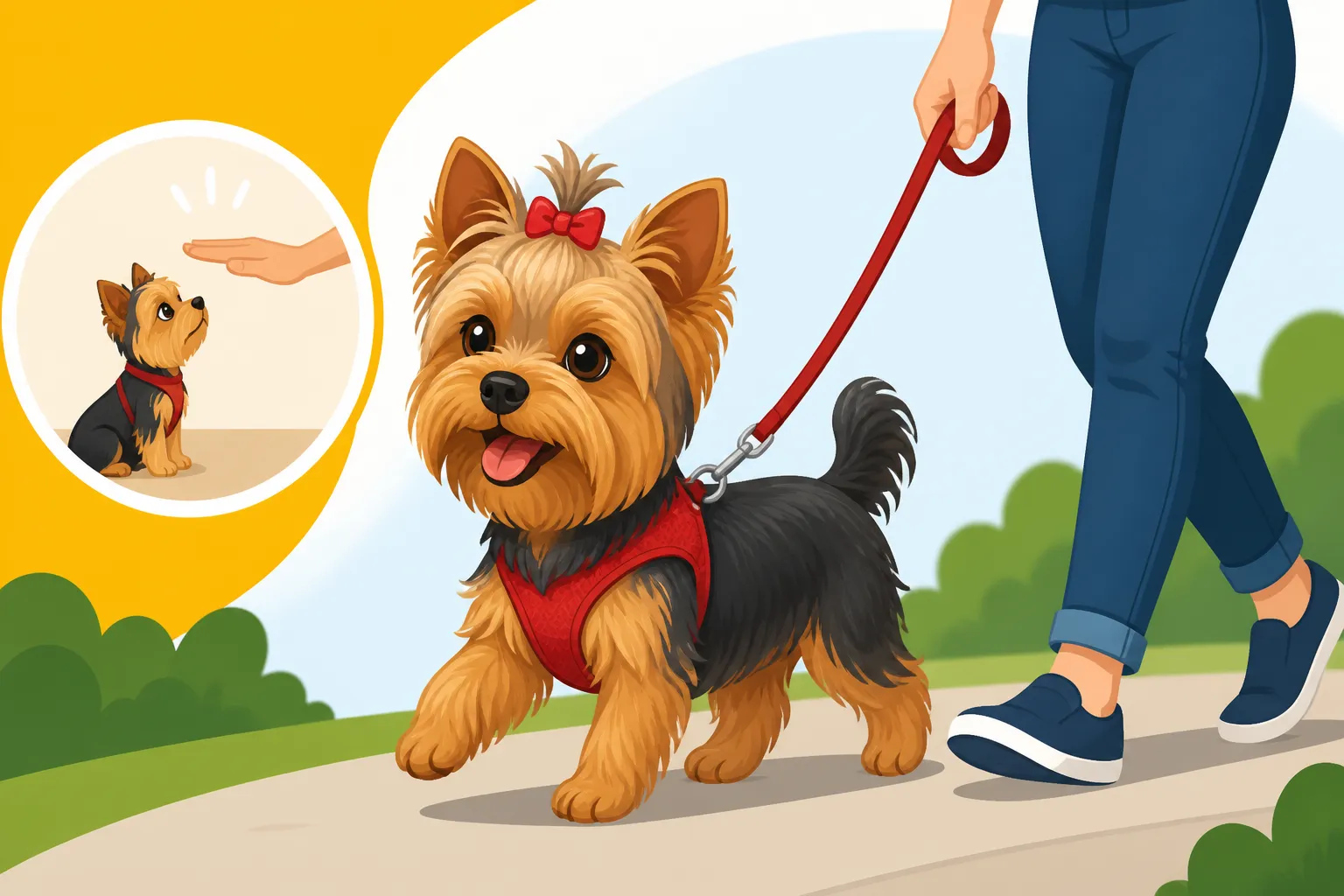
How to Teach a Yorkie to Walk on a Leash
It's a familiar scene: you've got your adorable Yorkshire Terrier, full of beans and ready for adventure, but the moment you clip on the leash, it's a battle of wills. They might pull like a freight train despite their tiny size, freeze up and refuse to budge, or act like every squirrel is a personal affront. Leash walking with a Yorkie can be incredibly frustrating, leaving you feeling like you’re doing something wrong or that your little furball is just untrainable. But don't despair! This comprehensive guide will walk you through an empathetic, step-by-step approach to teach your Yorkie how to walk politely and confidently on a leash, making your outdoor adventures enjoyable for both of you.
Understanding Your Yorkie's Leash Training Challenges
Before we dive into the "how-to," it's crucial to understand why leash training can feel like such an uphill battle with a Yorkshire Terrier. These aren't just small dogs; they come with a unique set of instincts and sensitivities that can make the leash and the outside world a challenging experience.
Small Dog, Big Personality: Why Yorkies Pull
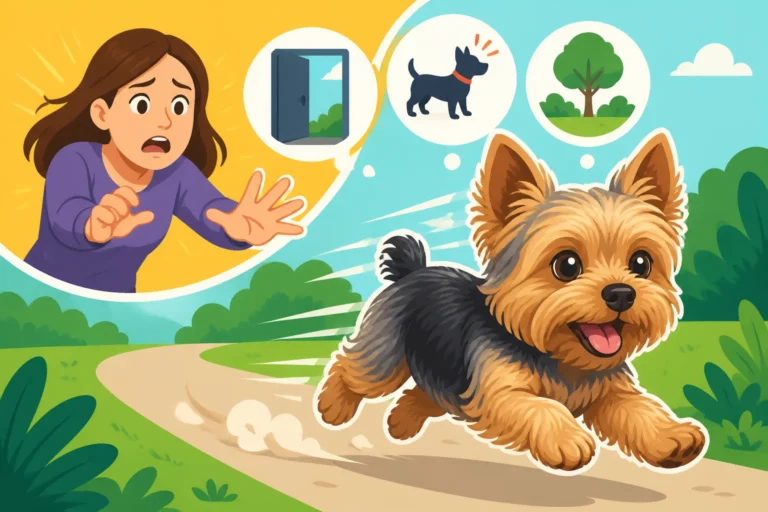
Despite their diminutive stature, Yorkies possess a mighty terrier spirit. They were originally bred to hunt small vermin, and that innate drive doesn't disappear just because they're now cherished lapdogs. When you take your Yorkie outside, their senses are on high alert. Every rustle in the bushes, every scent on the breeze, every fluttering leaf can trigger their prey drive. To them, these are all fascinating, important things that demand investigation – immediately! And when something demands immediate investigation, they pull. They don't understand that you're trying to guide them; they just know they must get to that interesting smell or potential "prey" right now.
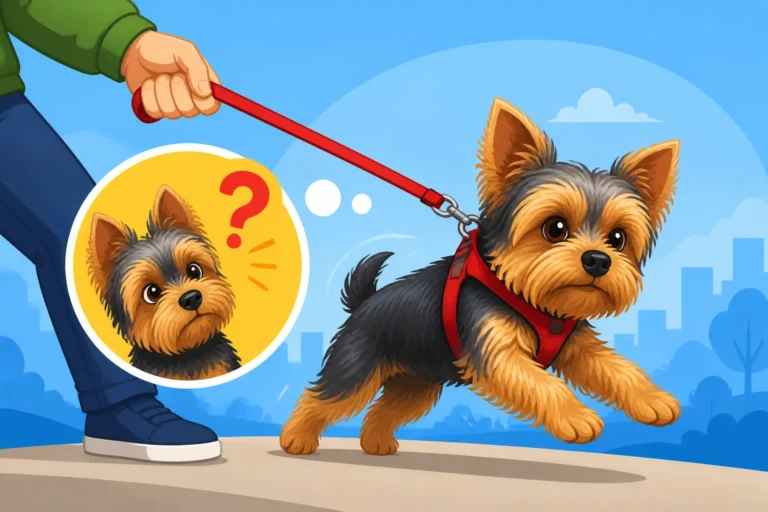
This strong will, combined with their incredible energy, means that a Yorkie can put surprising force into a pull, making walks less of a stroll and more of a tug-of-war. It can be easy to get frustrated, thinking, "How can such a tiny dog pull me like this?" But it's not about malice; it's pure, unadulterated terrier instinct and enthusiasm. They're not trying to be naughty; they're simply following their instincts in a world that's incredibly stimulating and often overwhelming for them. Recognizing this helps us approach their training with more patience and understanding.
Overwhelm and Fear: The World is a Big Place
While some Yorkies are bold and eager explorers, others can be quite timid or easily overwhelmed by the vastness and noise of the outside world. Think about it from their perspective: everything is so much bigger. A large dog walking by might seem like a giant predator. A passing car can sound like a roaring monster. A child on a skateboard could be a terrifying, fast-moving threat. For a Yorkie, the world can be a very scary place, and their instinct is often to either freeze in place, bolt in an attempt to escape, or even bark defensively.
This fear can manifest as refusal to walk, trembling, or trying to hide behind your legs. It's not about being stubborn; it's about genuine anxiety. Furthermore, Yorkies are prone to certain delicate health issues, such as Yorkshire Terrier Collapsing Trachea: Signs and Care, which can make a sudden pull on a collar dangerous. Their small size makes them vulnerable, and they know it. Our job as their guardians is to teach them that the world isn't so scary after all, and that the leash is a tool for safe exploration, not a restraint that increases their vulnerability.
Essential Gear for Successful Yorkie Leash Training
Having the right tools is paramount when it comes to leash training a small dog like a Yorkie. The wrong gear can not only make training harder but can also pose significant health risks due to their delicate anatomy.
Harness vs. Collar: Safety First for Small Necks
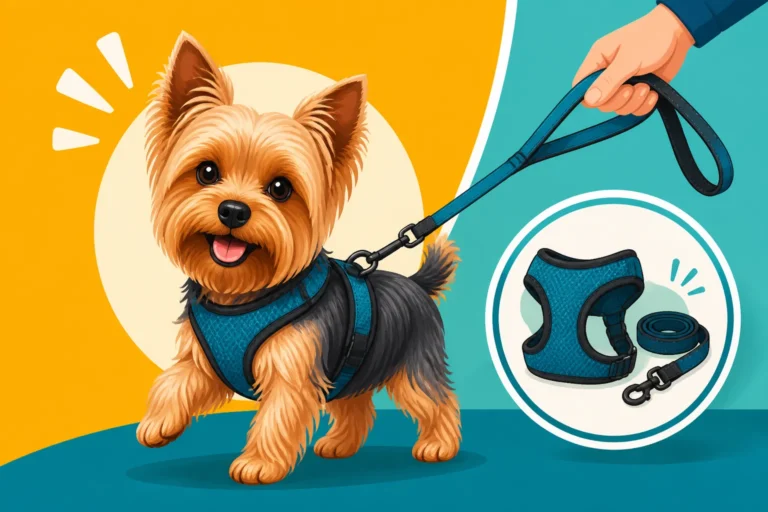
When it comes to walking your Yorkshire Terrier, there’s really only one safe choice: a harness. Standard neck collars, while fine for ID tags, are incredibly risky for Yorkies during walks. Their tiny throats and fragile tracheas are highly susceptible to injury from pulling or sudden jerks. A sharp tug on a collar can lead to a collapsed trachea, a serious and painful condition that can require extensive veterinary care. Why Harnesses Are Better Than Collars for Yorkies delves deeper into this, explaining the risks and why harnesses are a non-negotiable safety item.
A well-fitting harness distributes pressure across your Yorkie's chest and shoulders, away from their throat, ensuring their comfort and safety. There are a few main types to consider:
- H-Style Harnesses: These are popular and generally well-fitting for Yorkies. They have a strap that goes around the neck and another around the chest, connected by a strap along the back and sometimes underneath. Look for ones with soft, breathable material to prevent rubbing.
- Step-In Harnesses: These are easy to put on, as your Yorkie simply steps into two leg holes, and then the harness clips over their back. They are great for dogs who don't like things going over their head.
- Vest Harnesses: These offer a broader distribution of pressure and can make very timid Yorkies feel more secure, like a comforting hug. They often come in soft, fleece-lined materials that are gentle on their skin and coat.
When choosing a harness, fit is everything. It should be snug enough that your Yorkie can't slip out, but loose enough to allow full range of motion without chafing. You should be able to fit two fingers comfortably under any strap. Brands like Ruffwear, Puppia, and Voyager offer durable and comfortable options. Many owners find a wide selection of suitable harnesses on platforms like Amazon, allowing them to compare features and read reviews before purchasing. Investing in a good quality harness, such as those recommended in Best Harness for a Yorkshire Terrier, is the first crucial step.
Choosing the Right Leash and Training Aids
Once you've got the perfect harness, selecting the right leash is next. For training, a fixed-length leash is almost always the best choice for a Yorkie.
- Fixed-Length Leashes (4-6 feet): These give you consistent control and are essential for teaching loose-leash walking. A 4-foot leash is often ideal for a Yorkie, as it keeps them close without unnecessary slack. Look for a lightweight leash made of nylon or leather that is comfortable for you to hold. Avoid heavy clasps that can weigh down a small dog.
- Retractable Leashes: These should be avoided for training, and generally for Yorkies altogether. They teach dogs to pull to gain distance, offer little control in sudden situations, and the thin cord can cause rope burns or severe injuries if it wraps around a person or another dog. For a small, delicate Yorkie, the sudden jolt at the end of a retractable leash could also cause significant injury.
- High-Value Treats: These are your secret weapon! Small, soft, extremely palatable treats are necessary for positive reinforcement. Think tiny pieces of cooked chicken, cheese, or specialized training treats. Make sure they are small enough for your Yorkie to chew quickly, so you don't interrupt the flow of your training session.
- Clicker: While optional, a clicker can be an incredibly effective training tool. It acts as a precise marker for desired behavior. When your Yorkie does something right (like looking at you or walking calmly), you click the clicker, then immediately follow with a treat. This helps them understand exactly what action earned the reward.
Having these tools ready before you even start the first training session will set you up for success and keep your little companion safe throughout the learning process.
Building a Positive Foundation: Pre-Leash Training Steps
Leash walking isn't just about putting on a harness and going for a stroll. For a Yorkie, it involves a lot of new sensations and expectations. Building a strong, positive foundation before you even step outside is critical for their confidence and success.
Getting Comfortable with the Harness and Leash Indoors
Imagine someone strapping an unfamiliar object to you and then tugging you around. You’d probably feel confused, maybe a little scared, and certainly resistant. That’s how your Yorkie might feel about a harness and leash if you introduce it too abruptly. The key is gradual, positive association.
Start by simply showing your Yorkie the harness. Let them sniff it. If they show interest, give them a high-value treat. Repeat this a few times over a day or two. Next, gently place the harness near them during meal times or when they are relaxed. The goal is for them to associate the harness with good things.
Once they seem comfortable with its presence, try putting the harness on for very short periods indoors. Don't force it. If they resist, stop, try again later, and use more treats. The first few times, just put it on, give a treat, praise lavishly, and immediately take it off. Gradually increase the duration. Let them wear it for a minute, then five minutes, then ten, always rewarding calmness and positive interaction. Play with them while they wear it, offer their favorite toys. This helps them forget it's even there. For a great overview of foundational steps, check out Yorkshire Terrier Puppy Training Schedule.
After they're comfortable with the harness, attach the leash indoors. Let them drag the leash around for a few minutes while supervised, ensuring it doesn't get tangled or snagged on furniture. This helps them get used to the feel and weight of the leash trailing behind them without the pressure of you holding it. Always supervise this step to prevent them from chewing the leash or getting caught. The more positive experiences they have with the gear indoors, the less resistant they'll be when it's time for real walks.
Basic Obedience: The "Come," "Sit," and "Stay" Commands
While leash walking is a specific skill, it's significantly easier when your Yorkie already understands some basic obedience commands. These commands build a foundation of communication and control, which will be invaluable when you encounter distractions outside.
- "Come": A reliable "come" (or "recall") is a lifesaver. If your Yorkie slips out of their harness or gets distracted, knowing they will return to you on command is crucial for their safety. Practice this indoors first, in a quiet environment. Start with a short distance, call their name, then "come," and reward them enthusiastically with a treat and praise when they reach you. Gradually increase distance and introduce mild distractions. For more detailed steps, refer to How to Teach a Yorkie to Come.
- "Sit": This simple command is powerful. It teaches your Yorkie focus and self-control. Before stepping outside, have them "sit" patiently by the door. On walks, if they get overstimulated or pull, asking for a "sit" can redirect their attention back to you. Use a treat to lure them into a sit, mark the behavior with "sit" or a click, and reward. Learn more about it in How to Teach a Yorkie to Sit.
- "Stay": Once your Yorkie can sit reliably, you can start introducing "stay." This teaches impulse control, which is essential for managing their excitement on a walk. Start with short durations and small distances, gradually building up. A solid "stay" means you can pause on a walk without your Yorkie immediately darting off.
Practicing these commands in various indoor settings helps generalize the learning. When your Yorkie understands that listening to you results in good things (treats, praise), they'll be much more receptive to your guidance on a leash, even in distracting environments. Think of these commands as building blocks for a strong, trusting relationship where your Yorkie looks to you for direction.
Step-by-Step Leash Walking Training
Now that your Yorkie is comfortable with their gear and understands some basic commands, it’s time to put it all together and start teaching them how to walk politely on a leash. Remember, patience is key, and every small success is a huge step forward!
Starting in a Low-Distraction Environment
The first outdoor leash walking sessions should be in the most boring, predictable environment you can find. Your quiet backyard, a calm hallway in your apartment building, or even an empty garage are perfect starting points. The goal is to minimize distractions so your Yorkie can focus solely on learning what you want them to do.
Start with very short sessions, no more than 5-10 minutes at a time, especially for puppies or easily overwhelmed dogs. Clip the leash to their harness, have your high-value treats ready, and begin walking. The moment your Yorkie walks beside you with a loose leash – even for a single step – mark it with a clicker (if using) or a verbal "yes!" and immediately give them a treat. The key is to reward the moment of loose-leash walking.
If your Yorkie pulls, immediately stop walking. Become a "tree." Don't yank the leash back; simply stand still. Wait for the leash to slacken, even for a second, then immediately reward and start walking again. This teaches them that pulling gets them nowhere, but a loose leash gets them moving forward. Change directions frequently. Every time you turn, reward them for following your lead. Keep these early sessions positive, fun, and end them before your Yorkie gets tired or frustrated. This initial conditioning is crucial for building a positive association with walking on a leash.
Introducing Outdoor Environments Gradually
Once your Yorkie is confidently walking with a loose leash in a low-distraction area, it's time to gradually introduce them to the real world. Choose a slightly more distracting environment, such as a quiet sidewalk during an off-peak hour, or a calm park pathway. The principle remains the same: reward profusely for loose-leash walking, and stop when they pull.
The outside world offers an explosion of sights, sounds, and smells for a Yorkie, and it's easy for them to become overwhelmed or overstimulated. Your job is to be their calm, consistent guide. Continue to use high-value treats. If they get distracted by a leaf or a scent, gently redirect their attention with a treat to your side, or by making a kissing sound to get them to look at you, then reward them when they focus. If they pull towards something irresistible, stop, wait for slack, and then continue. Sometimes, it's okay to let them investigate a particularly interesting sniff spot for a few seconds on a loose leash as a reward for walking well.
Keep initial outdoor sessions short and positive. Don't expect perfection. Some days they'll be rockstars, other days they'll be total goofs. That's perfectly normal! The goal is to incrementally increase their comfort and skill in various environments. Remember, consistency is your most valuable tool. For more general guidance on training your furry friend, consider exploring resources like How to Train a Yorkshire Terrier.
Dealing with Pulling and Reactivity
Pulling and reactivity are two of the most common and frustrating issues for Yorkie owners on walks. Thankfully, there are proven techniques to address them.
- Addressing Pulling: The "stop and go" or "be a tree" method is incredibly effective. The moment your Yorkie's leash becomes taut, stop walking. Don't say anything, don't pull back. Just stop. Wait until the leash slackens, then immediately start walking again, rewarding the loose leash. Your Yorkie will quickly learn that a tight leash means no forward movement, while a loose leash means they get to continue their adventure. Another technique is to change direction every time they pull. If they pull left, turn right. If they pull forward, turn around. This keeps them guessing and forces them to pay attention to your movements. You might feel like you're dancing with your dog, but it reinforces that you are the leader and sets the pace. For specific strategies on this, see How to Stop Yorkie Leash Pulling.
- Addressing Reactivity (Barking, Lunging): Yorkies often bark at other dogs, people, or noises due to fear, excitement, or a desire to "protect" their territory (which, to them, is you!). This isn't aggression, but often insecurity or over-excitement. The key here is management and counter-conditioning.
- Management: Avoid situations that trigger intense reactivity. If your Yorkie barks at every dog, cross the street or turn a corner before another dog gets too close. Create distance.
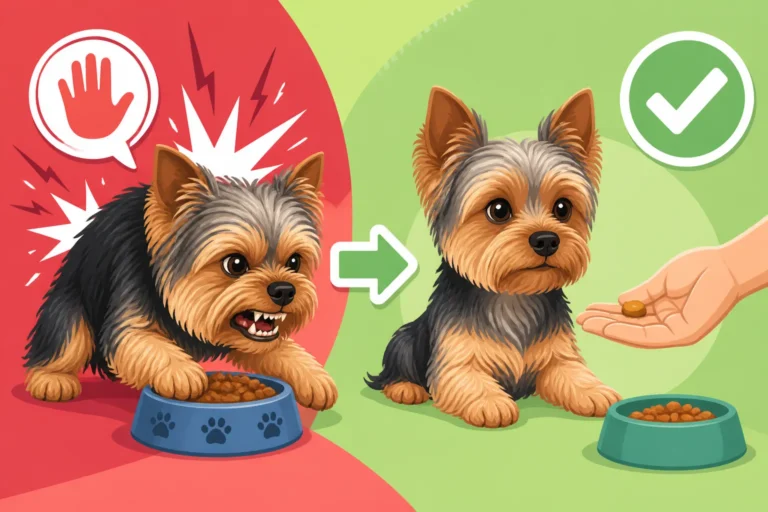
- Counter-Conditioning: When you see a trigger (e.g., another dog) at a distance where your Yorkie notices it but doesn't react, immediately start giving your Yorkie high-value treats. Continue treating until the trigger is gone. The goal is to change their emotional response from "scary/exciting thing" to "that thing means treats!" Over time, gradually decrease the distance. Never force them into an uncomfortable situation. This process can be slow, but it builds positive associations. Some online training programs, such as BAXTER & Bella, offer modules specifically designed to tackle reactivity, providing structured guidance and support.
It's important to be consistent and patient. Every walk is a training opportunity. Celebrate small victories, like a few steps of loose leash walking or a moment of calm observation instead of barking.
Advanced Tips and Troubleshooting Common Issues
Even with the best intentions and consistent training, you might run into some roadblocks. Yorkies, for all their charm, can be quite stubborn! These advanced tips will help you navigate more complex challenges and ensure your training efforts stick.
Desensitization and Counter-Conditioning for Fearful Yorkies
As we discussed earlier, the world can be a truly overwhelming place for a small Yorkie. If your dog is showing significant fear – trembling, freezing, trying to bolt, or even defensive barking – it’s crucial to use desensitization and counter-conditioning. This isn't about forcing them to "get over it," but about gradually changing their emotional response to scary stimuli.
- Desensitization: This involves exposing your Yorkie to the feared stimulus (e.g., a loud truck, a large dog) at such a low intensity or far distance that they barely notice it, or at least don't react negatively. For example, if your Yorkie is afraid of loud trucks, start by playing truck sounds very softly indoors, rewarding calm behavior. Gradually increase the volume over days or weeks. Outdoors, if they're afraid of other dogs, walk them at a distance where they can see the other dog but aren't reacting. Slowly, over many sessions, you can decrease the distance.
- Counter-Conditioning: This goes hand-in-hand with desensitization. The moment your Yorkie notices the feared stimulus (at a non-reactive distance), immediately start feeding them incredibly high-value treats. The idea is to create a new, positive association: "Oh, that scary big dog? That means delicious chicken!" This changes their emotional state from fear to anticipation of a reward.
It's vital to stay below their "threshold" – the point at which they react negatively. If your Yorkie starts barking, growling, or trying to hide, you've pushed them too far, too fast. Retreat to a comfortable distance, let them calm down, and try again with less intensity. This process takes immense patience and often feels like two steps forward, one step back. But building a confident Yorkie is worth every moment. For puppies, early and positive exposure to various sights and sounds is key, as discussed in How to Socialize a Yorkie Puppy.
Consistency, Patience, and Professional Help
These three elements are the bedrock of all successful dog training, especially with a breed like the Yorkshire Terrier.
- Consistency: This means everyone in the household must be on the same page. If one person allows pulling and another doesn't, your Yorkie will become confused and training will regress. Establish clear rules and stick to them. Daily practice, even for just 5-10 minutes, is far more effective than long, infrequent sessions. Make every walk an opportunity to reinforce good habits.
- Patience: Training a dog is a journey, not a destination. There will be good days and bad days. Your Yorkie is learning a new language and navigating a complex world. Avoid getting frustrated or angry; this will only make your Yorkie fearful and shut down. Remember that small successes are huge achievements for a little dog. Celebrate them!
- Professional Help: Don't hesitate to seek the guidance of a certified professional dog trainer or a veterinary behaviorist if you're struggling. Some behaviors, like intense reactivity or severe anxiety, are best addressed with expert intervention. A professional can assess your specific situation, identify underlying causes, and provide tailored strategies. They can also help you refine your techniques and boost your confidence. Online puppy schools, like BAXTER & Bella, offer structured programs with support from certified trainers, which can be a fantastic resource for ongoing guidance right from your home. Even for seasoned dog owners, sometimes an outside perspective is exactly what's needed.
Here's a quick summary of common Yorkie leash training challenges and approaches:
| Challenge | Common Yorkie Behavior | Recommended Approach |
|---|---|---|
| Pulling | Lunging forward, straining leash | "Be a Tree" Method: Stop immediately when leash tightens; resume walking when slack. Direction Changes: Change direction when pulling occurs, rewarding when they follow. |
| Freezing/Refusing | Sitting down, won't move, trembling | Positive Luring: Use a high-value treat to lure them forward a few steps, then reward. Environmental Adjustment: Reduce distractions, start in calmer areas. Desensitization: Gradually expose to stimuli at a low intensity with positive reinforcement. |
| Reacting to Triggers | Barking, lunging at dogs/people | Management: Increase distance from triggers. Counter-Conditioning: Feed high-value treats when trigger is present (at a safe distance). "Look at That" Game: Reward for noticing a trigger and then looking back at you. |
| Chewing Leash | Nipping, mouthing the leash | Redirection: Offer an appropriate chew toy. Taste Deterrent: Apply bitter apple spray to the leash. Consistent Correction: If they chew, stop walking until they release, then resume. Reinforce "leave it" command. |
| Distraction | Ignoring cues, fixating on things | High-Value Rewards: Ensure treats are irresistible. "Watch Me" Command: Practice getting their eye contact. Reduce Stimuli: Start in quieter areas, gradually increase complexity. |
Maintaining Good Leash Manners Throughout Life
Training isn't a "one-and-done" deal; it's an ongoing conversation and commitment between you and your Yorkie. To ensure those hard-earned leash manners stick, you need to embed them into your daily routine and be prepared for life's inevitable curveballs.
Regular Practice and Reinforcement
Think of leash walking like a language. If you don't speak it regularly, you'll start to forget some of the nuances. For your Yorkie, regular practice isn't just about repetition; it's about reinforcing that good things happen when they walk nicely.
- Daily "Check-Ins": Even if you're just going around the block, make it a mini-training session. Start by asking for a "sit" at the door, practice a few steps of loose-leash walking, and reward good behavior. These short, consistent reminders keep their skills sharp.
- Vary Your Routes: Don't stick to the same exact path every day. Exploring new areas introduces new smells and sights, which can be exciting for your Yorkie, but also provides fresh opportunities to practice loose-leash walking in novel situations. This helps generalize their training, so they behave well no matter where you go.
- Maintain Structure: Even as your Yorkie becomes a pro, continue to set expectations. Don't let them pull "just this once" because you're in a hurry. Every time you allow a behavior you don't want, you're unintentionally training them that it's okay. Consistency is paramount. Continue to reward them occasionally for good behavior, even if it's just a verbal "good boy!" and a happy scratch behind the ears. This keeps them engaged and motivated.
- Proofing: Once your Yorkie is walking well in familiar, low-distraction areas, gradually introduce more challenging environments. This is called "proofing" their behavior. Take them to a slightly busier park, walk past a school when kids are out, or near a cafe. Always start with a short duration and plenty of high-value treats, gradually increasing the challenge as they succeed.
Remember that a well-exercised and mentally stimulated Yorkie is more likely to walk nicely. Ensure they get enough physical activity appropriate for their size, as well as mental enrichment through puzzle toys or short training sessions at home.
Understanding Their Body Language on Walks
Your Yorkie is constantly communicating with you, and learning to read their body language is a powerful tool for maintaining good leash manners and ensuring their comfort. Being attuned to their signals can help you prevent issues before they escalate.
- Signs of Stress/Fear: Look for flattened ears, a tucked tail, lip licking, yawning (when not tired), excessive sniffing (as a displacement behavior), refusing to take treats, or trying to hide behind your legs. If you see these signs, it's a signal that they're overwhelmed. Increase distance from the trigger, find a calmer spot, or simply end the walk on a positive note in a quiet area. Don't push them past their comfort zone.
- Signs of Over-excitement/Frustration: Stiff body, tail held high and stiffly wagging, barking, lunging, panting heavily (not from heat), or frantic pulling towards a stimulus. These are signs they might be over threshold and need a moment to calm down. Use your "stop and go" method, ask for a "sit" to redirect focus, or turn and walk in the opposite direction for a moment to break their attention.
- Signs of Engagement/Comfort: A relaxed body, loose tail wag, ears in a neutral position, taking treats readily, looking back at you, sniffing appropriately (not excessively), and a generally bouncy, happy gait. These are all indicators that your Yorkie is enjoying their walk and feeling secure. Reinforce this positive state with praise and continued good guidance.
By understanding what your Yorkie is telling you through their actions, you can better anticipate their needs, adjust your training on the fly, and ensure that walks remain a positive, enriching experience for both of you. A successful walk isn't just about covering distance; it's about building a stronger bond and fostering confidence in your tiny, but mighty, Yorkshire Terrier.
Disclaimer
Please note that the information provided in this article is for general educational purposes only and should not be considered a substitute for professional veterinary advice. Always consult with your veterinarian or a certified professional dog trainer regarding any health concerns or before implementing significant changes to your dog's diet, exercise routine, or training regimen. Individual results may vary based on your dog's specific needs, temperament, and health status.