How to Brush a Yorkie’s Teeth
You know how it is – your sweet little Yorkie gives you a loving lick, and all you can think is, "Wow, that breath!" Beyond the unpleasant smell, many Yorkie parents struggle with the hassle of brushing tiny teeth, often wondering just how crucial it really is. This comprehensive guide is here to demystify the process of how to brush a Yorkie's teeth, transforming it from a dreaded chore into a manageable part of your pet's routine, ultimately safeguarding their health for years to come.
Why Brushing Your Yorkie's Teeth is Non-Negotiable
It's easy to overlook dental care in our tiny companions, but for a Yorkshire Terrier, it's one of the most critical aspects of their overall health. Their small mouths are particularly prone to overcrowding, which creates perfect little nooks and crannies for plaque and tartar to accumulate. Trust me, ignoring their oral hygiene isn't just about tolerating bad breath; it's about preventing serious health complications that can impact their quality of life and even shorten their lifespan.
The Silent Threat of Dental Disease
Many Yorkie parents are surprised to learn that dental disease is one of the most common health problems in small breed dogs. We're talking about periodontal disease, which starts innocently enough with plaque—a sticky film of bacteria—forming on the teeth. If this isn't brushed away regularly, it hardens into tartar, a rough, brown deposit that no amount of brushing will remove. Tartar then pushes against the gums, leading to inflammation (gingivitis), and eventually, infection. This progression is insidious because it often goes unnoticed until your Yorkie is already in pain, has difficulty eating, or starts losing teeth. It’s a silent threat that can cause immense discomfort and seriously compromise their well-being. Keeping an eye out for these changes is part of understanding general Yorkshire Terrier Dental Disease: Signs and Care.
Consider little Bella, a 7-year-old Yorkie whose owners thought her bad breath was just "normal dog breath." By the time they took her to the vet for a routine check-up, she had severe gingivitis, several loose teeth, and required extensive extractions. The pain she must have been experiencing for months was heartbreaking to imagine. Regular brushing could have prevented much of this, saving Bella from discomfort and her owners from a significant vet bill.
Beyond Bad Breath: Systemic Health Risks
The implications of poor dental hygiene extend far beyond just the mouth. Once the bacteria from plaque and tartar make their way under the gumline, they don't stay put. They can enter your Yorkie's bloodstream and travel to major organs, posing a serious risk to their overall health. We're talking about potential damage to the heart, kidneys, and liver. Chronic inflammation from dental disease also puts a constant strain on their immune system.
Imagine the scenario: a bacterial infection from your Yorkie's gums travels to their heart, causing inflammation of the heart valves, or exacerbating existing kidney disease. This isn't just fear-mongering; it's a very real and common progression of untreated dental disease. Preventing these systemic issues through consistent Yorkie Dental Disease Prevention is paramount. These advanced dental treatments, including extractions or addressing organ damage stemming from oral infection, can be incredibly costly, adding significant stress to pet parents. Having a pet insurance plan, like those offered by Healthy Paws, can be a true lifesaver, allowing you to focus on your Yorkie's health without the added burden of overwhelming veterinary bills.
Gathering Your Yorkie Dental Care Arsenal
Before you even think about tackling those tiny teeth, you need to make sure you have the right tools for the job. Using the wrong equipment or, worse, human dental products, can be ineffective or even harmful to your beloved companion. Think of it like a meticulous grooming session – you wouldn’t use human shampoo on their delicate coat, and the same principle applies to their teeth.
Essential Tools for Effective Brushing
When it comes to brushing your Yorkie’s teeth, you have a few options for brushes, each with its own benefits. The key is finding something that fits comfortably in their small mouth and allows you to reach all surfaces without causing discomfort.
- Finger Brushes: These are soft, silicone brushes that fit over your fingertip. They’re excellent for beginners or for Yorkies who are hesitant about having something bulky in their mouth. The tactile feel allows you to be very gentle and precise. Many Yorkie parents start here to help their pup get used to the sensation.
- Small Pet Toothbrushes: These look like miniature human toothbrushes, often with two heads (one larger, one smaller) or angled bristles designed for a pet's mouth. Look for extra-soft bristles to avoid irritating their gums. Brands like Virbac C.E.T. or TropiClean offer excellent options specifically designed for small breeds. They provide a more thorough clean than a finger brush once your Yorkie is comfortable with the process.
The size of the brush is absolutely paramount. A brush that's too large will be cumbersome and uncomfortable for your Yorkie, making the whole experience negative. You want a brush head that can easily fit into the tight spaces of their mouth, reaching the back molars without forcing their jaw open too wide. For a comprehensive list of what to get, check out our guide on the Best Dental Kit for a Yorkshire Terrier.
Choosing the Right Toothpaste and Brush
This is arguably the most critical component of your dental care arsenal. You absolutely must use toothpaste formulated specifically for dogs. Never, ever use human toothpaste on your Yorkie. Human toothpaste contains ingredients like fluoride and xylitol, which are highly toxic to dogs and can cause serious illness or even death if ingested.
Pet toothpastes, on the other hand, are designed to be swallowed and often contain enzymatic formulas that help break down plaque and bacteria even after brushing. They also come in appealing flavors like poultry, beef, or even peanut butter, which can make the experience much more palatable for your Yorkie. Brands like Virbac C.E.T. Enzymatic Toothpaste or Petrodex Enzymatic Toothpaste are popular choices that are widely available and effective.
Here's a quick comparison of common dental tools and products:
| Dental Tool/Product | Description | Pros | Cons |
|---|---|---|---|
| Finger Brush | Silicone brush fitting over your fingertip. | Excellent for beginners, gentle, good tactile control. | Less effective for deep cleaning or reaching back teeth in the long run. |
| Small Pet Toothbrush | Miniature brush with soft, angled bristles, often double-ended. | More thorough cleaning, better reach for all tooth surfaces. | Can be intimidating for reluctant dogs, requires more finesse. |
| Enzymatic Toothpaste | Pet-specific toothpaste in flavors like poultry/beef. Contains enzymes. | Safe to swallow, appealing flavors, enzymes help break down plaque. | Must be pet-specific (human toothpaste is toxic). |
| Dental Wipes | Textured pads infused with dental cleaning solution. | Quick and easy for light cleaning, good for daily maintenance. | Not as effective as brushing for removing stubborn plaque/tartar buildup. |
| Dental Water Additive | Liquid added to drinking water to reduce bacteria. | Effortless, helps with overall oral hygiene, fresh breath. | Does not replace brushing, may not be palatable for all dogs. |
| Dental Chews | Edible chews designed to scrape plaque off teeth. | Enjoyable for dogs, can help mechanically clean teeth. | Not a substitute for brushing, choose appropriate size/hardness to avoid choking or tooth damage. |
When you're first introducing brushing, try letting your Yorkie lick a tiny bit of the pet toothpaste off your finger. If they enjoy the taste, it'll make the transition to the brush much smoother. The goal is to make this a positive experience, not a wrestling match!
Step-by-Step Guide to Brushing Your Yorkie's Teeth
Now that you’re armed with the right tools and knowledge, let’s get down to the actual brushing. This isn't a race; it's a marathon of gentle consistency. Remember, your Yorkie's cooperation is key, and building that trust takes time and patience. Don't expect perfection on day one!
Acclimatizing Your Yorkie to Tooth Brushing
The most crucial step in successfully brushing your Yorkie's teeth is to introduce the process gradually and positively. If you rush it, you risk creating a negative association that will make future attempts much harder. Start this process when they are calm and relaxed, perhaps after a walk or a cuddle session.
Begin by simply touching their muzzle and lips. Gently lift their lip for a second, then reward them with praise and a small, high-value treat. Repeat this several times a day for a few days until they are completely comfortable with you handling their mouth area. Next, introduce the pet toothpaste. Let them lick a tiny dab of it off your finger. If they like the flavor, this is a huge win! Once they're okay with the toothpaste, put a small amount on your finger and gently rub it along their gumline for a few seconds. This helps them get used to the sensation of something touching their teeth and gums. Starting early with pups, as outlined in our Yorkshire Terrier Puppy Health Guide, can make this process even smoother.
Keep these initial sessions very short – literally 10-15 seconds. The goal is positive exposure, not a full scrub. Always end on a good note with praise, cuddles, and their favorite treat. Over several days or even a week, gradually increase the duration and intensity of the contact.
The Brushing Technique for Tiny Mouths
Once your Yorkie is comfortable with you handling their mouth and accepting the toothpaste, it’s time to introduce the brush. Again, go slow. Put a pea-sized amount of toothpaste on the brush and let them lick it. Then, gently try to brush just one or two teeth for a few seconds.
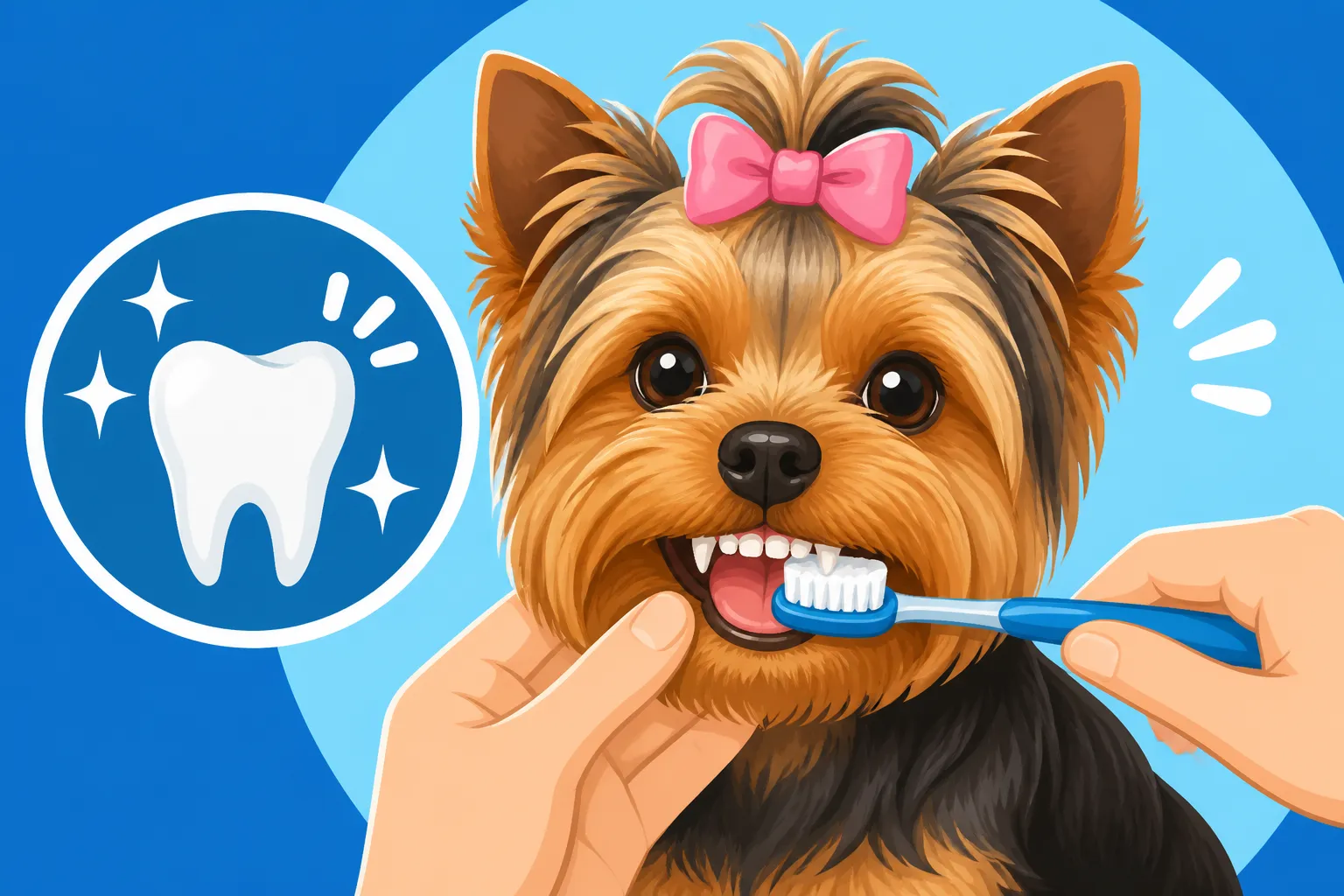
When you're ready to brush properly, aim for the outside surfaces of their teeth. These are the surfaces where plaque and tartar accumulate most rapidly, especially on the canine teeth and the molars at the back. Gently lift their lip to expose the teeth and gums. Hold the brush at a 45-degree angle to the gumline, ensuring the bristles touch both the teeth and the gums. Using small, gentle circular motions, brush a few teeth at a time. Work your way around their mouth, focusing on those outer surfaces. You don’t need to worry too much about the inside surfaces, as their tongue usually does a decent job of keeping those relatively clean.
Aim for about 30 seconds of brushing on each side of their mouth, for a total of two minutes if possible. This might feel like an eternity at first, but with practice, it becomes quicker. Consistency is far more important than intensity. Ideally, you should brush your Yorkie’s teeth daily, but even every other day is significantly better than never. While professional cleanings are still recommended, regular home brushing drastically reduces the need for invasive procedures. For context on when professional help is needed, refer to How Often Yorkies Need Dental Cleaning.
Troubleshooting Common Teeth Brushing Challenges
It’s completely normal to encounter a few bumps in the road when establishing a dental hygiene routine with your Yorkie. These little dogs have big personalities, and sometimes that means they'll have strong opinions about toothbrushes. Don't get discouraged! Persistence, patience, and a bit of creativity can overcome most hurdles.
Dealing with a Resistant Yorkie
If your Yorkie is putting up a fight, it's easy to feel frustrated and even guilty. First, take a deep breath. Forcing the issue will only make things worse and create an aversion. Instead, go back to basics. Re-evaluate if you rushed the acclimatization process. Perhaps they need more time to get used to the toothpaste or having your finger in their mouth before you introduce the brush.
Consider the timing of your brushing sessions. Is your Yorkie overly energetic, stressed, or sleepy? Try choosing a time when they are naturally calm and receptive, perhaps right after they've had a good play session and are winding down. High-value treats are your secret weapon here. Think tiny pieces of cooked chicken, cheese, or their absolute favorite dental chew. Reward every small step of cooperation: letting you touch their face, lifting their lip, tolerating a quick brush. If the resistance involves growling, nipping, or fear, it might be a deeper behavioral issue, and you should consult a vet or a professional dog trainer, as this falls under general Yorkshire Terrier Behavior Problems and Solutions.
In some cases, if you have a particularly squirmy Yorkie, you might consider gently wrapping them in a soft towel, sometimes called a "burrito wrap," to provide a sense of security and limit movement, but only if they remain calm. This should never be a struggle; if they show signs of distress, stop immediately. Sometimes, a different type of brush (like switching from a finger brush to a soft, traditional brush or vice-versa) can make a difference. Every Yorkie is an individual, so what works for one might not work for another.
Maintaining Consistency and Making it a Routine
The biggest battle in dental care isn't usually the technique; it's the consistency. Life gets busy, and it's easy for brushing to slip to the bottom of the to-do list. However, routine is key for your Yorkie, both for their acceptance of the process and for effective plaque control. Try to pick a consistent time each day – maybe right before their favorite evening cuddle, or immediately after their last meal – and stick to it. This helps them anticipate the activity and makes it a more ingrained part of their day.
Keep all your dental supplies in one easily accessible place so you don't have to scramble for them. Make the post-brushing reward extra special. Beyond regular brushing, consider incorporating other dental aids as part of a comprehensive Best Dental Care Routine for Yorkies. These can include dental chews specifically designed to scrape plaque, like Greenies or Virbac C.E.T. VeggieDents, or a veterinarian-approved Best Dental Water Additive for Yorkshire Terriers that helps reduce bacteria in their drinking water. Remember, these are supplements to brushing, not replacements.
Even with the most diligent home care, professional dental cleanings under anesthesia are often necessary for Yorkies to address tartar buildup below the gumline and perform thorough oral examinations. These procedures can be costly, and the thought of such expenses can deter owners from seeking vital care. This is where investing in pet insurance, like a plan from Healthy Paws, becomes incredibly valuable. It can help alleviate the financial burden of professional cleanings, extractions, or any other significant dental issue that may arise despite your best efforts at home. By having a good insurance policy, you’re ensuring that your Yorkie gets the best possible dental care throughout their life, without having to make difficult choices based on your budget. When you notice persistent bad breath, even with brushing, it might be time for a vet visit, which you can learn more about in our guide on Yorkie Bad Breath: When to Worry.
Disclaimer
This article is for general informational purposes only and does not constitute professional advice. Laws, prices and regulations vary by location and change over time. Consult a qualified professional for guidance on your specific situation.