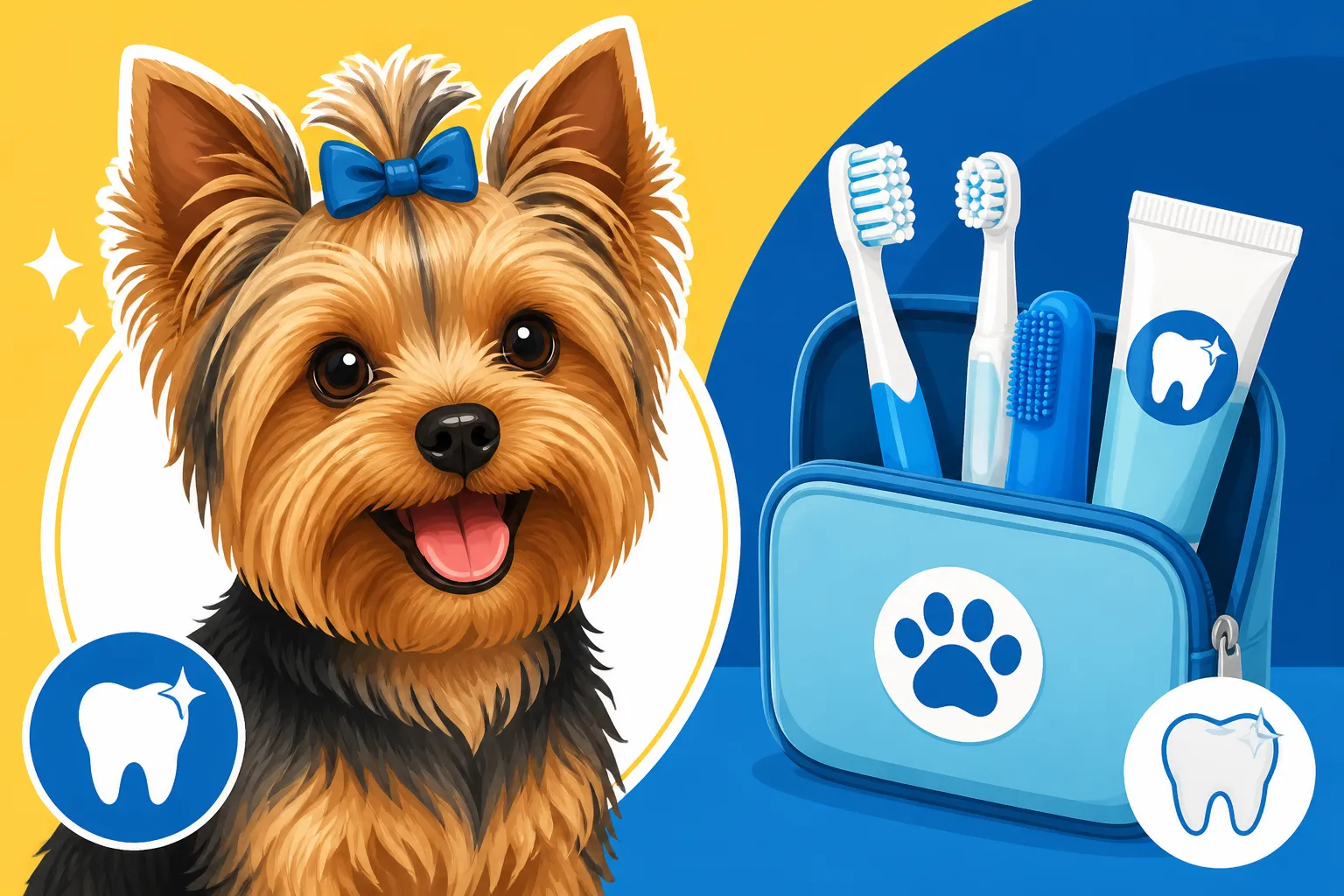
Best Dental Kit for a Yorkshire Terrier
One of the biggest heartbreaks for any Yorkie parent is seeing their little furball suffer, especially when it comes to something as fundamental as dental pain. Those tiny mouths are prone to some serious issues, from painful gum disease to overcrowding, and let's be honest, trying to brush a squirming Yorkie's teeth can feel like an impossible mission. This comprehensive guide is here to walk you through everything you need to know to assemble the absolute best dental kit for your Yorkshire Terrier, making their oral hygiene effective and, dare we say, even a little less stressful for both of you.
Why Dental Health is Crucial for Yorkies
It’s easy to overlook dental care in our tiny companions, but for Yorkshire Terriers, it’s not just about fresh breath; it’s about their overall health and longevity. These little dogs are predisposed to a host of oral issues that can become incredibly serious if left unaddressed. We often think of dental problems as just a bit of plaque, but for a Yorkie, it can escalate quickly, leading to pain, infection, and even systemic health problems.
Common Dental Problems in Yorkshire Terriers
Yorkies, with their petite jaws and crowded teeth, are unfortunately front-runners for a variety of dental ailments. One of the most prevalent and concerning issues is periodontal disease. This isn't just a fancy term for gum inflammation; it's a progressive condition that starts with plaque buildup, hardens into tartar, and then creeps under the gum line, causing infection and destruction of the supporting bone and tissue. Imagine having a constant toothache and gum pain – that's what many Yorkies silently endure. Because their mouths are so small, a little plaque goes a long way, quickly affecting neighboring teeth.
Beyond periodontal disease, many Yorkies experience retained puppy teeth. This happens when the adult teeth erupt before the baby teeth have fallen out, leading to overcrowding. This overcrowding creates perfect little pockets for food and bacteria to get trapped, accelerating plaque and tartar formation. It's a common issue that often requires veterinary intervention, usually during their spay or neuter surgery, to prevent future problems. Fractured teeth, abscesses, and even oral tumors can also occur, though less frequently. Understanding these potential challenges is the first step in creating a proactive dental care plan, which you can read more about in our guide on Yorkshire Terrier Dental Disease: Signs and Care.
The Long-Term Impact of Poor Dental Care
Ignoring your Yorkie's dental health isn't just about bad breath; it has far-reaching consequences that can severely impact their quality of life. The bacteria from severe periodontal disease don't just stay in the mouth. They can travel through the bloodstream, affecting vital organs like the heart, kidneys, and liver. This can lead to serious, life-threatening conditions. A Yorkie with severe dental pain might also become lethargic, lose their appetite, or exhibit changes in behavior like increased irritability or reluctance to play.
Chronic pain from dental issues can also contribute to stress and anxiety in your dog. Imagine living with constant discomfort—it would make anyone miserable. In severe cases, poor dental health can lead to jawbone degradation, tooth loss, and even oronasal fistulas, which are holes between the mouth and nasal cavity that cause chronic sneezing and nasal discharge. Prevention and early intervention are absolutely key to avoiding these distressing outcomes and ensuring your Yorkie lives a long, healthy, and happy life. It’s a vital part of How to Keep a Yorkshire Terrier Healthy.
What Makes a "Best" Dental Kit for a Yorkie?
Choosing the right dental kit for your Yorkie isn't about grabbing the first dog toothbrush you see. It requires a thoughtful approach, considering the unique anatomy and potential sensitivities of this small breed. A truly effective kit will address their specific needs, making daily brushing not just possible, but genuinely beneficial.
Brushes Designed for Small Mouths
This is arguably the most critical component. A standard dog toothbrush is often too large and cumbersome for a Yorkie's tiny mouth, making brushing uncomfortable and ineffective. You need brushes with small heads and soft bristles that can reach all surfaces of their teeth without causing gum irritation.
- Finger Brushes: These are soft rubber or silicone brushes that slip over your finger. They're great for puppies or Yorkies new to brushing, as they allow you to feel their teeth and gums directly, offering a gentle introduction. However, they might not be stiff enough for thorough cleaning of stubborn plaque.
- Dual-Headed Toothbrushes: Some brands offer brushes with two heads at different angles, which can be useful. But the most effective are usually single-headed brushes specifically marketed for "toy breeds" or "small dogs." Look for brushes with a very small, slender head, similar in size to a human baby toothbrush. Brands like Virbac and CET often have excellent options. The bristles should be extra-soft to protect their delicate gums. A good quality brush will allow you to maneuver around each tiny tooth, including those tricky back molars, without gagging your little friend.
Toothpaste Formulated for Dogs
Never, ever use human toothpaste on your Yorkie. Human toothpaste contains fluoride and other ingredients that are toxic to dogs if swallowed, and since dogs swallow most of what's in their mouths, it's a big no-no. Canine toothpaste is specially formulated to be safe if ingested and often comes in flavors dogs love, like poultry, beef, or peanut butter, which can make the experience much more pleasant.
Look for enzymatic toothpastes. These toothpastes contain enzymes that help break down plaque and tartar even after you've finished brushing. They work biochemically to reduce bacteria, offering an extra layer of protection. Ingredients like glucose oxidase and lactoperoxidase are common in these formulations. When browsing online pet stores like Chewy, you'll find a wide selection of enzymatic toothpastes from reputable brands such as Virbac C.E.T. Enzymatic Toothpaste and TropiClean Fresh Breath. Avoid any toothpaste with xylitol, an artificial sweetener that is highly toxic to dogs. A good dog toothpaste will not foam, making it safer and more comfortable for your Yorkie.
Dental Wipes and Sprays
While brushing is the gold standard, dental wipes and sprays can be fantastic supplemental tools or a good starting point for Yorkies who are highly resistant to brushing. They're not a replacement for a proper brushing routine but can help maintain oral hygiene between full brushes or provide a quick refresh.
- Dental Wipes: These are small, textured cloths infused with dental solutions. You simply wrap one around your finger and gently wipe down your Yorkie's teeth and gums. They're excellent for removing surface plaque and freshening breath, especially for the front teeth that are easier to access. Brands like Petkin and TropiClean offer good dental wipes. They’re a gentle way to introduce your Yorkie to the sensation of having their teeth touched.
- Dental Sprays: These sprays contain enzymes or antimicrobial ingredients that help reduce bacteria and plaque. You simply spray them directly onto your Yorkie's teeth and gums. They require no scrubbing, making them ideal for Yorkies who absolutely refuse a toothbrush. While convenient, they won't physically remove plaque and tartar buildup like brushing can. They work best as a part of a multi-pronged approach to dental care, helping to inhibit bacterial growth.
Remember, the goal is to find tools that you can consistently use with your Yorkie. Even if you start with wipes and sprays and gradually work your way up to a toothbrush, any consistent effort is better than none.
Top Components of a Comprehensive Yorkie Dental Kit
To truly tackle your Yorkie's dental health, you'll want more than just a brush. A comprehensive dental kit involves a synergy of tools, each playing a vital role in maintaining their pearly whites and preventing painful conditions. Think of it as a layered approach to protection and hygiene.
The Right Toothbrush for Tiny Teeth
As we've discussed, the toothbrush is your primary weapon against plaque. For a Yorkie, it's all about size and softness. You'll often find two main types that work well:
- Finger Brushes: These soft silicone brushes fit over your index finger and are fantastic for beginners or very sensitive dogs. They allow you to gently massage gums and wipe away plaque on the outer surfaces of teeth. They offer a great level of control and intimacy, which can make your Yorkie feel more comfortable. They're excellent for daily maintenance and getting your Yorkie accustomed to the sensation of brushing. Many come in multi-packs, making them a cost-effective choice.
- Long-Handled Small-Headed Brushes: Once your Yorkie is more comfortable, a dedicated dog toothbrush with a long handle and a tiny, angled head will allow for more thorough cleaning, especially reaching those difficult back molars. Look for brands that specialize in pet dental care, such as Virbac's C.E.T. Dual-Ended Toothbrush, which often has different sized heads on each end to cater to different tooth sizes. The bristles should be incredibly soft to avoid irritating delicate gums. Some brushes even feature an ultra-soft texture, specifically designed for small breeds. A good example might be found within the pet care aisle at stores like Chewy, offering a variety of small-breed specific brushes.
Enzymatic Toothpaste for Proactive Care
This isn't just about minty breath; it's about active protection. Enzymatic toothpastes are formulated with enzymes that break down plaque-forming bacteria and reduce tartar buildup. Unlike human toothpastes that rely on abrasive scrubbing, enzymatic toothpastes offer a biochemical advantage.
- Benefits of Enzymatic Toothpaste: These pastes continue to work even after brushing. The enzymes, such as glucose oxidase, combine with glucose in your dog's mouth to produce hydrogen peroxide, a natural antibacterial agent. This helps to neutralize odor-causing bacteria and prevent plaque from adhering to the tooth surface. It’s like having a tiny cleaning crew working in their mouth even when you’re not actively brushing.
- Popular and Effective Options: Virbac C.E.T. Enzymatic Toothpaste is a widely recommended choice by veterinarians and pet parents alike. It comes in appealing flavors for dogs, making it easier to administer. Another excellent option is Petsmile Professional Pet Toothpaste, which uses a proprietary ingredient called Calprox to dissolve the protein pellicle that plaque, bacteria, and stains attach to. When choosing, always check the ingredient list to ensure there are no harmful additives like xylitol. These specialized toothpastes are designed to be swallowed safely, which is a huge relief when you know your Yorkie isn't spitting anything out!
Dental Chews and Water Additives: Supplemental Support
While not replacements for brushing, dental chews and water additives can be fantastic complementary tools in your Yorkie's dental care regimen. They provide additional support in fighting plaque and tartar.
- Dental Chews: These aren't just treats; they're designed with specific textures and ingredients to scrape plaque off teeth as your dog chews. Look for dental chews that are sized appropriately for your Yorkie, as large chews can pose a choking hazard or be too hard for their small teeth. Brands like Greenies Teenie or VeggieDent FR3SH Chews are popular and effective. Some chews contain ingredients like hexametaphosphate (SHMP) which helps reduce tartar formation. Always supervise your Yorkie when they're enjoying a dental chew to ensure safety. You can find a wide variety of these at places like Chewy, specifically filtered by size for toy breeds.
- Water Additives: These are solutions that you add to your Yorkie's drinking water, designed to reduce bacteria and freshen breath throughout the day. They typically contain ingredients like chlorhexidine, zinc gluconate, or natural extracts that inhibit bacterial growth. Brands such as TropiClean Fresh Breath Oral Care Water Additive and Healthymouth are commonly used. While convenient, water additives are a passive form of dental care and won't remove existing tartar. They are best used as an adjunct to brushing, providing continuous, low-level support for oral hygiene. For a Yorkie who might be prone to specific issues, like bad breath, these can be a welcome addition.
Here's a quick comparison of common dental kit components for your Yorkie:
| Component | Primary Function | Pros | Cons | Best For |
|---|---|---|---|---|
| Finger Brush | Gentle cleaning, gum massage | Excellent for beginners, good control, gentle | Less effective for stubborn plaque or back teeth | Introducing dental care, daily gentle cleaning |
| Small-Headed Brush | Thorough plaque removal, reaching all teeth | Most effective for comprehensive cleaning | Requires more cooperation from your Yorkie | Regular, thorough brushing |
| Enzymatic Toothpaste | Breaks down plaque, freshens breath, safe to swallow | Active ingredients fight bacteria, palatable flavors | Must be applied with a brush for best results | All Yorkies, daily use with brushing |
| Dental Wipes | Surface plaque removal, quick freshening | Convenient, easy to use, good for quick cleanings | Less thorough than brushing, doesn't reach all surfaces | Quick clean-ups, supplementing brushing, very resistant Yorkies |
| Dental Sprays | Reduces bacteria, freshens breath | Easy application, no brushing required | Doesn't remove physical plaque/tartar, passive method | Supplementing other methods, Yorkies resistant to brushing |
| Dental Chews | Scrapes plaque, provides chewing activity | Engages dog, some have active dental ingredients | Not a substitute for brushing, potential choking hazard if wrong size | Supplemental plaque control, reward, chewing satisfaction |
| Water Additives | Reduces bacteria in drinking water, freshens breath | Easy to use, continuous action throughout the day | Passive, doesn't remove existing tartar, some dogs dislike taste | Continuous breath freshening, mild bacterial reduction |
Step-by-Step Guide to Brushing Your Yorkie's Teeth
Alright, now that you’ve got your fantastic Yorkie dental kit ready, let's talk about the actual brushing. It might seem daunting at first, especially with a tiny, sometimes feisty, terrier, but with patience and the right approach, it’s absolutely doable. The key is to make it a positive experience, little by little.
Getting Your Yorkie Used to Dental Care
This isn't a sprint; it's a marathon. Forcing the issue will only create a negative association, making future attempts even harder. Start slow and make it fun!
- Start with Touch: Begin by simply touching your Yorkie's muzzle, then gently lifting their lip for a second. Praise and reward immediately with a high-value treat. Do this several times a day for a few days until they’re completely comfortable with it.
- Introduce Taste: Put a tiny dab of dog-specific enzymatic toothpaste on your finger and let your Yorkie lick it off. Most dogs love the taste, so this creates a positive association with the paste itself. Repeat this for a few days. You might even consider a fresh food option like Ollie, where the focus on high-quality, palatable ingredients can make any new taste introduction easier.
- Finger Brush Introduction: Once they love the taste of the toothpaste, put a small amount on a finger brush. Gently rub it over just one or two teeth, focusing on the canines or front teeth first, as these are often easier to reach. Keep it super brief, then praise and treat generously. Gradually increase the number of teeth you touch and the duration over several days or even weeks.
- Introduce the Toothbrush: Once they’re totally fine with the finger brush, transition to your small-headed dog toothbrush with toothpaste. Again, start with just a few teeth, then praise and treat. The goal is positive reinforcement every step of the way. If your Yorkie shows any signs of stress or discomfort, take a step back and go slower. Patience is your best friend here.
Remember, consistency is more important than perfection in the beginning. Even a minute of gentle brushing a few times a week is better than nothing at all. This gradual approach can help prevent a negative association, which is crucial for long-term success. If you're struggling, check out our post on How to Brush a Yorkie's Teeth for more detailed guidance.
The Brushing Technique
Once your Yorkie is comfortable with the tools, it's time to refine your technique. Proper brushing aims to clean all surfaces of the teeth and stimulate the gums gently.
- Positioning: Find a comfortable position for both of you. Many people find it easiest to hold their Yorkie in their lap, with the dog facing away from them, or gently cradling them on a table. The key is to have easy access to their mouth while keeping them secure and calm.
- Focus on the Outer Surfaces: The outer surfaces of the teeth (the ones facing the cheeks) are where plaque and tartar tend to accumulate most. Gently lift your Yorkie's lip to expose the teeth and gums.
- Angle the Brush: Hold the toothbrush at a 45-degree angle to the gum line, ensuring the bristles reach both the tooth surface and just under the gum line. This is where bacteria lurk.
- Gentle Circular Motions: Use small, gentle circular motions to brush the teeth, focusing on a few teeth at a time. Don't scrub vigorously, as this can harm the gums. Imagine you're polishing each tooth.
- Reach the Back Teeth: The molars and premolars at the back of the mouth are often neglected but are prime spots for plaque. Gently open your Yorkie's mouth slightly (just enough to gain access) and brush these teeth. This is where a small-headed, angled brush truly shines.
- Inner Surfaces (Optional): While the outer surfaces are most critical, if your Yorkie tolerates it, quickly brush the inner surfaces of the teeth as well. Many dogs resist this, so don't push it if it causes too much stress. The friction of their tongue usually keeps these areas relatively cleaner.
- Duration: Aim for about 30 seconds to a minute of actual brushing, covering all accessible teeth. Again, quality over quantity. Even if you can only get to the outer surfaces, that's a huge win.
Always end with praise, a cuddle, and that special high-value treat. You want them to associate this routine with positive rewards. Consistency is key to making this a habit for life, preventing issues like Yorkie Dental Disease Prevention.
Establishing a Routine
Like any good habit, consistency is crucial for effective dental care. Sporadic brushing won't cut it. To truly impact your Yorkie’s oral health, you need a routine that you can stick to.
- Daily is Ideal: Just like with humans, daily brushing is the most effective way to prevent plaque buildup and keep gums healthy. If daily isn't possible due to your schedule or your Yorkie's temperament, aim for at least every other day. Every day significantly reduces the bacterial load and prevents tartar from hardening.
- Pick a Consistent Time: Choose a time of day when both you and your Yorkie are relaxed. Many owners find success brushing in the evening before bed, or after their dog’s last meal. A consistent schedule helps your Yorkie anticipate the routine and makes them more cooperative. For example, if you always do it after their evening walk and before their bedtime treat, it becomes part of their predictable day.
- Integrate into Daily Life: Think of brushing as another step in their daily care, just like feeding or walking. The more normalized it becomes, the less resistance you'll encounter.
- Reward System: Continue to use positive reinforcement. A special dental chew (like the ones from Greenies) or a small piece of cooked chicken right after brushing reinforces that this is a good experience. Your Yorkie will learn that cooperating with the toothbrush leads to something wonderful.
- Patience and Persistence: There will be days when your Yorkie isn't thrilled about brushing. Don't give up. Go back to basics if needed, or simply do a quick wipe with a dental wipe. The important thing is to maintain the routine and not let too much time pass between cleanings. Over time, many Yorkies learn to tolerate, or even enjoy, their dental routine, knowing a reward is coming. This regular upkeep is essential to preventing serious issues that might require costly dental procedures down the line, aspects you can learn more about in our article on Yorkie Dental Disease: Costs and Prevention.
Beyond the Kit: Other Dental Care Considerations
While a stellar dental kit and a consistent brushing routine are the cornerstones of your Yorkie’s oral health, there are other crucial elements that contribute significantly to their overall dental well-being. Thinking holistically about their health can save a lot of heartache and expense down the road.
Regular Vet Check-ups and Professional Cleanings
This might be the most important "beyond the kit" consideration. Even with the best at-home care, plaque and tartar can still build up, especially in the hard-to-reach areas of a Yorkie's mouth.
- Annual Dental Exams: During your Yorkie’s annual wellness check-up, your veterinarian will perform a basic oral examination. They'll look for signs of gum disease, loose teeth, retained puppy teeth, or other abnormalities. This visual check can catch problems early before they become severe. It’s a critical part of the Yorkshire Terrier Puppy Health Guide and Yorkshire Terrier Senior Care Guide alike.
- Professional Dental Cleanings (Under Anesthesia): For most Yorkies, a professional dental cleaning every one to three years is essential. This procedure, performed under general anesthesia, allows the vet to thoroughly clean above and below the gum line, where most periodontal disease occurs. They can also take dental X-rays to check for problems hidden beneath the gums, like abscesses or bone loss. Any problematic teeth, such as those with severe decay or fractures, can be extracted at this time.
Yes, anesthesia always carries some risk, especially for small breeds, but modern veterinary anesthesia protocols are very safe, with extensive monitoring. The benefits of preventing severe dental disease and its systemic effects far outweigh the risks for most dogs. Discuss any concerns you have with your vet, who can explain the process and address your specific Yorkie’s health profile. Pet insurance providers like Healthy Paws can often help offset the costs of these necessary procedures, making essential care more accessible. Remember, neglecting these cleanings can lead to significantly higher costs and health complications in the long run. Learn more about when to seek professional help in When to Take Your Yorkie to the Vet. - Frequency: The frequency of professional cleanings depends on your individual Yorkie’s genetics, diet, and effectiveness of at-home care. Some may need it annually, while others with meticulous home care might go longer. Your vet will advise you on the best schedule for your specific dog.
Diet and Nutrition's Role in Dental Health
What your Yorkie eats plays a surprisingly significant role in their dental health. While food alone can't replace brushing, it can certainly contribute positively or negatively.
- Kibble Size and Texture: Many believe that hard kibble helps to "clean" teeth. While some larger kibble can provide a mild abrasive action on the surface of the teeth, it's generally not enough to prevent significant plaque and tartar buildup, especially around the gum line. Specific dental diets, however, are formulated with larger, unique kibble shapes and textures designed to mechanically scrub the teeth as your dog chews, or they contain ingredients that reduce plaque accumulation. These veterinary dental diets can be a great addition for Yorkies prone to dental issues.
- Avoid Sugary or Sticky Treats: Just like with humans, sugary treats and sticky foods can contribute to plaque and decay. Opt for dental-specific treats, fresh vegetables (like small pieces of carrot or apple), or plain, lean meat as rewards.
- Balanced Nutrition: A well-balanced diet supports overall health, including strong teeth and gums. Ensuring your Yorkie gets all the necessary vitamins and minerals can help maintain the integrity of their oral tissues. For instance, brands like Ollie, which focus on fresh, human-grade ingredients, can contribute to overall vitality, indirectly supporting dental health.
- Hydration: Adequate water intake is also important for dental health. Saliva helps to wash away food particles and neutralize acids, and good hydration ensures proper saliva production.
- Chewing Habits: Providing safe, appropriate chew toys can also help. Look for toys that are firm enough to provide abrasive action but not so hard that they risk fracturing teeth. Rubber chew toys or those specifically designed for dental hygiene can be beneficial. Avoid real bones or antlers, as these are too hard for a Yorkie's delicate teeth and can cause painful fractures. For more on dietary choices, refer to our article on Best Dental Chews for Yorkies.
By integrating professional veterinary care and a mindful approach to diet alongside your comprehensive dental kit, you're giving your Yorkie the best possible chance at a lifetime of healthy, pain-free smiles.
Disclaimer
The information provided in this article is for general informational purposes only and is not a substitute for professional veterinary advice. Always consult with a qualified veterinarian regarding your Yorkshire Terrier's dental health and any specific concerns or medical conditions they may have.