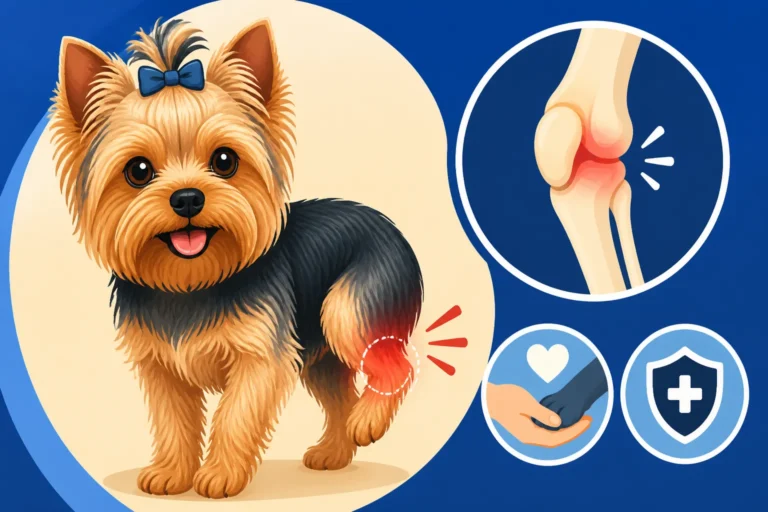
How to Care for a Senior Yorkie
Watching your beloved Yorkshire Terrier transition into their senior years can be a bittersweet experience. While their playful puppy antics might have mellowed, new challenges often arise, from achy joints to changes in appetite and personality. It’s tough seeing them slow down, and many owners feel overwhelmed by the subtle shifts, unsure how best to support their aging companion. This comprehensive guide is here to walk you through everything you need to know about caring for a senior Yorkie, ensuring their golden years are as comfortable, happy, and healthy as possible.
Understanding the Aging Yorkie: What to Expect
Just like humans, our furry friends experience a range of physical and behavioral changes as they age. For a small breed like a Yorkshire Terrier, generally, the senior years begin around 7 to 8 years old, though some might start showing signs earlier or later. It’s important to remember that every dog is an individual, but recognizing these common shifts is the first step toward proactive care.
Physical Changes in Senior Yorkies
As your Yorkie gets older, you'll likely notice several physical changes. Their once boundless energy might wane, replaced by more naps and shorter bursts of activity. You might observe a dulling of their once vibrant coat, perhaps some graying around the muzzle, and their eyes might start to look a little cloudy, signaling conditions like cataracts. Their joints might not be as nimble as they once were, leading to a slower gait, difficulty jumping, or even a reluctance to climb stairs. Sometimes, hearing or vision can decline, making them a bit more hesitant in unfamiliar environments or causing them to startle more easily. It's not uncommon to see a slight loss of muscle mass, particularly in the hindquarters, which can contribute to weakness and instability.
You might also notice changes in their sleep patterns; perhaps they sleep more during the day but become restless at night. Their digestive system can become more sensitive, leading to occasional upset stomachs or changes in bowel habits. These physical manifestations of aging are a normal part of life, but they require our careful attention to ensure we’re providing the necessary support and comfort. It's a journey we take together, adapting to their evolving needs with love and understanding.
Behavioral Shifts in Older Pups
Beyond the physical, a senior Yorkie often exhibits behavioral changes that can be quite noticeable. They might become less tolerant of boisterous play, preferring quiet cuddles on the couch. Sometimes, you might see an increase in clinginess, or conversely, they might become a bit more withdrawn or irritable, especially if they are in pain or experiencing sensory decline. Potty training, which you worked so hard on in their younger years, might regress, leading to more accidents in the house due to weakened bladder control or simply forgetting to ask to go outside.
Cognitive dysfunction, often compared to Alzheimer's in humans, can also manifest in senior dogs. This might look like disorientation, staring blankly at walls, confusion about familiar commands, changes in sleep-wake cycles, or even increased anxiety. It’s heartbreaking to see your sharp, alert Yorkie seem confused, but understanding these behaviors are often not willful defiance but symptoms of aging can help you approach them with more patience and empathy. Remember, consistency and routine become even more vital during this time to help them feel secure.
Common Health Challenges in Senior Years
Senior Yorkies are unfortunately prone to a range of health issues that are more common as they age. Conditions like arthritis are widespread, causing chronic pain and impacting their mobility. Many small breeds, including Yorkies, are susceptible to Yorkie Knee Problems Explained like patellar luxation, which can worsen with age. Yorkie Eye Problems Explained such as cataracts, glaucoma, and dry eye are also prevalent, affecting their vision and comfort. Dental disease, if not meticulously managed throughout their life, almost always becomes a significant problem in older Yorkies, leading to pain, infection, and difficulty eating. You can learn more about this by reading our guide on the Yorkshire Terrier Dental Care Guide.
Internal organ function can also decline, increasing the risk of kidney disease, liver problems, or heart conditions. Cancer, unfortunately, becomes more common with age. Endocrine disorders like hypothyroidism or Cushing's disease might also emerge. The key is vigilance; being aware of these potential issues and working closely with your vet can help catch them early. Regularly monitoring for Signs Your Yorkshire Terrier Is Sick can make a huge difference in their prognosis and quality of life. Many of these conditions are discussed in more detail in our article about Yorkshire Terrier Health Problems to Know.
Tailoring Their Environment for Comfort and Safety
Creating a senior-friendly home environment is paramount to keeping your aging Yorkie comfortable, safe, and happy. Small changes can make a world of difference in accommodating their changing physical abilities and cognitive functions.
Creating a Cozy and Accessible Home
Imagine navigating your home with stiff joints and impaired vision – it suddenly feels like an obstacle course! For your senior Yorkie, even familiar spaces can become challenging. Start by creating easily accessible, comfortable resting spots. Orthopedic dog beds, like those from brands such as Big Barker or K&H Pet Products, are fantastic investments. They provide excellent support for aching joints and help prevent pressure sores. Place several throughout the house, especially in their favorite nap spots and in areas where you spend a lot of time, so they don't have to travel far.
Consider ramps or pet stairs for accessing furniture they once leaped onto effortlessly, such as the couch or your bed. This reduces strain on their joints and prevents falls. If you have slippery floors, like hardwood or tile, consider placing non-slip rugs or runners in frequently used pathways to provide better traction. For Yorkies with vision impairment, try to keep furniture and their food/water bowls in consistent locations to help them navigate by memory. A nightlight can also be incredibly helpful for those late-night potty breaks or bouts of disorientation. These thoughtful adjustments can significantly reduce their risk of injury and improve their overall sense of security and well-being.
Managing Mobility Issues
Mobility issues are one of the most common and heartbreaking aspects of an aging dog. Whether it's the stiffness of arthritis, the weakness from muscle loss, or the instability of conditions like a luxating patella, seeing your lively Yorkie struggle to move can be tough. For Yorkies experiencing joint pain, a warm, soft bed is a must. During colder months, a heated pet bed can provide soothing warmth to stiff muscles and joints.
For daily walks, consider a supportive harness instead of a collar, as it distributes pressure more evenly and can provide a bit of a "handle" if you need to steady them. There are many great harnesses available, but brands like Ruffwear and Kurgo offer options designed for comfort and support. For dogs with significant hindquarter weakness, a rear-support harness can assist them in walking or going up and down stairs. Maintaining a healthy weight is also crucial, as extra pounds put more stress on already compromised joints. Physical therapy, including gentle massage or hydrotherapy (under veterinary guidance), can also be incredibly beneficial in maintaining muscle mass and flexibility.
Adapting Exercise Routines
Gone are the days of marathon play sessions or long, brisk walks. Your senior Yorkie still needs exercise, but it needs to be adapted to their reduced stamina and physical limitations. Instead of one long walk, try several shorter, gentler strolls throughout the day. Focus on flat, even surfaces to minimize strain. A 10-15 minute walk, two or three times a day, might be perfect. The goal is to keep them moving without over-exerting them or causing pain.
Mental stimulation is just as important as physical exercise for older dogs, especially if their physical activity is limited. Interactive puzzle toys that dispense treats can keep their minds engaged. Gentle play with their favorite soft toys, even just a few minutes of "fetch" rolling a ball across the floor, can bring joy without putting too much stress on their bodies. Remember to always observe your Yorkie for signs of discomfort or fatigue – excessive panting, limping, or lagging behind are all cues to slow down or call it a day. The aim is to maintain their joy in movement and interaction, not to push them beyond their capabilities.
Nutritional and Dietary Adjustments for Longevity
As Yorkies age, their metabolism slows down, their energy needs change, and their digestive systems might become more sensitive. Their diet needs to evolve to support these shifts and help manage potential health issues.
Choosing the Right Senior Dog Food
One of the most impactful changes you can make for your senior Yorkie is adjusting their diet. Senior dog foods are specifically formulated to meet the needs of aging canines. They typically contain fewer calories to prevent weight gain, as older dogs are less active, and include higher levels of beneficial ingredients like glucosamine and chondroitin for joint support. Many senior formulas also have easily digestible proteins and adjusted fiber levels to aid digestion.
When choosing a food, look for high-quality ingredients with real meat as the first ingredient. Brands like Hill's Science Diet, Royal Canin, or Purina Pro Plan offer excellent senior-specific formulas tailored to small breeds, often addressing issues like dental health or sensitive stomachs. If your Yorkie has specific health conditions, such as kidney disease or diabetes, your vet might recommend a prescription diet. Always transition your Yorkie to a new food gradually over 7-10 days to avoid digestive upset. You can find more tailored advice in our guide to Yorkshire Terrier Senior Food.
Hydration and Supplementation
Hydration is crucial for senior dogs, especially since kidney function can decline. Always ensure your Yorkie has access to fresh, clean water. Consider placing multiple water bowls around the house, especially near their resting spots, to encourage drinking. Some senior dogs benefit from wet food or adding a bit of warm water or low-sodium broth to their kibble to increase moisture intake and make it more palatable.
Supplements can play a vital role in supporting your senior Yorkie’s health. Joint supplements containing glucosamine, chondroitin, and MSM are often recommended to alleviate arthritis pain and support cartilage health. Omega-3 fatty acids, found in fish oil, can reduce inflammation and improve skin and coat health, and also support cognitive function. Probiotics can aid digestion and boost gut health. Antioxidants, like vitamins C and E, can help combat cellular aging. However, never start any supplements without consulting your veterinarian, as they can interact with medications or existing health conditions. Your vet can recommend the best supplements and dosages specifically for your Yorkie's needs, often suggesting products that are scientifically backed. For instance, they might suggest specific Yorkie Joint Supplements Explained.
Monitoring Weight and Appetite
Regularly monitoring your senior Yorkie's weight and appetite is incredibly important. Weight gain can exacerbate joint problems and increase the risk of other health issues, while unexplained weight loss can be a sign of underlying illness. Use a consistent schedule to weigh your Yorkie – perhaps once a month – and keep a record. If you notice a significant change, consult your vet.
Appetite changes are also red flags. A sudden loss of interest in food, picky eating, or increased thirst can all indicate health problems. Sometimes, a senior Yorkie might just be less enthusiastic about their regular food. You might try warming their food slightly to enhance the aroma or adding a vet-approved, palatable topper like a small amount of boiled chicken or low-sodium broth. If dental pain is an issue, softening their kibble with water or switching to wet food can make eating more comfortable. Any persistent changes in eating habits warrant a veterinary check-up.
| Aspect | Young Adult Yorkie Diet | Senior Yorkie Diet |
|---|---|---|
| Calorie Count | Higher, to support active lifestyle and growth. | Lower, to prevent weight gain due to decreased activity. |
| Protein | Moderate to high, for muscle development and maintenance. | High-quality, easily digestible protein to maintain muscle mass. |
| Fat Content | Moderate, for energy. | Lower, to prevent obesity. |
| Fiber | Moderate, for regular digestion. | Higher, to promote healthy digestion and combat constipation. |
| Key Nutrients | Balanced vitamins/minerals. | Fortified with joint supplements (glucosamine, chondroitin), Omega-3s, antioxidants. |
| Texture | Often dry kibble. | May need softer kibble or wet food due to dental issues. |
| Meal Frequency | Typically 2 meals per day. | 2-3 smaller meals may be easier on digestion. |
Essential Veterinary Care and Proactive Health Management
Your veterinarian becomes an even more crucial partner as your Yorkie enters their senior years. Regular check-ups and proactive health management are vital for extending their lifespan and maintaining their quality of life. Knowing When to Take Your Yorkie to the Vet becomes more frequent and nuanced.
Regular Vet Check-ups and Screenings
For senior Yorkies, annual vet visits often need to become bi-annual. These more frequent check-ups allow your vet to closely monitor their overall health, catch potential issues early, and adjust their care plan as needed. During these visits, your vet will perform a thorough physical examination, paying close attention to their joints, teeth, eyes, ears, and heart.
Beyond the physical exam, senior screenings often include blood work (complete blood count and chemistry panel) to assess organ function (kidneys, liver, thyroid), urinalysis to check for urinary tract infections or kidney disease, and sometimes blood pressure monitoring. These tests can detect conditions before they become outwardly symptomatic, allowing for earlier intervention. Discussing any behavioral changes, new lumps or bumps, or shifts in appetite or thirst with your vet is also incredibly important during these appointments. Investing in Pet Insurance for Yorkshire Terriers from providers like Healthy Paws can also help manage the costs associated with these increased veterinary needs, ensuring you can always afford the best care for your aging companion without financial strain.
Dental Health: More Crucial Than Ever
Dental disease is rampant in small breeds, and senior Yorkies are particularly susceptible. By the time they're seniors, many Yorkies have significant plaque and tartar buildup, leading to gingivitis, painful tooth decay, and even tooth loss. The bacteria from dental infections can also spread to other organs, impacting heart, kidney, and liver health.
Regular professional dental cleanings under anesthesia are often necessary. While the idea of anesthesia can be daunting for an older dog, modern veterinary medicine has made it much safer. Your vet will perform pre-anesthetic blood work to ensure your Yorkie is a good candidate. Between professional cleanings, daily dental care at home, such as brushing with a dog-specific toothbrush and toothpaste, is essential. Dental chews and water additives can also help, but they are not a substitute for brushing or professional cleanings. Prioritizing their dental health can significantly improve your senior Yorkie's comfort and overall health.
Pain Management and Quality of Life
One of the most important aspects of senior Yorkie care is recognizing and managing pain. Older dogs are stoic and often hide their discomfort, so it's up to us to be observant. How to Tell If a Yorkie Is in Pain can be subtle: a reluctance to jump, difficulty getting up, changes in gait, irritability, excessive licking of a certain area, or a decrease in appetite.
If your vet identifies a source of pain, such as arthritis, there are many effective treatments available. Non-steroidal anti-inflammatory drugs (NSAIDs) are commonly prescribed, along with joint supplements. Other therapies like cold laser therapy, acupuncture, or even therapeutic massage can also provide relief. The goal is to keep them as comfortable and mobile as possible, allowing them to enjoy their daily life without unnecessary suffering. Discuss all options with your vet to create a comprehensive pain management plan tailored to your Yorkie. Remember, providing a high quality of life for their remaining years is our ultimate responsibility.
Nurturing Emotional Well-being and Bonding
While physical health is vital, don't overlook your senior Yorkie's emotional and mental well-being. Their world can feel a little more confusing or challenging, and your presence and consistent care are more important than ever.
Maintaining Routine and Mental Stimulation
A predictable routine provides immense comfort and security for senior dogs, especially those experiencing cognitive decline. Stick to consistent feeding times, walk schedules, and bedtime rituals. This helps reduce anxiety and disorientation. Even if their physical activity decreases, maintaining a sense of purpose through routine is beneficial.
Mental stimulation is equally important. While long walks might be out, gentle games, puzzle toys, and short training sessions (reviewing basic commands they already know) can keep their minds sharp and engaged. Even just 5-10 minutes a day of sniffing around the yard or being carried to a new, safe outdoor spot can provide valuable enrichment. Spend quality time just sitting with them, petting them, and talking to them gently. These interactions reaffirm your bond and provide comfort.
Showing Extra Love and Patience
This stage of your Yorkie’s life calls for an abundance of patience, understanding, and unconditional love. They might have accidents, seem confused, or be a bit grumpier than usual. It’s easy to get frustrated, but remember these are often symptoms of their aging process, not deliberate misbehavior. Instead of scolding, redirect or simply clean up messes with understanding. Offer extra cuddles, gentle massages, and quiet reassurance. Your calm presence can be incredibly soothing for an anxious or disoriented senior Yorkie.
Maintain eye contact and speak to them in a soft, comforting tone. Brushing their coat gently can also be a wonderful bonding experience and a chance to check for new lumps or skin issues. Think of it as a return to puppyhood, but with the wisdom of years. They depend on your steadfast love and care now more than ever.
Recognizing When It's Time for Difficult Decisions
This is perhaps the hardest part of caring for a senior pet. Eventually, despite all our best efforts, there comes a time when we must consider their quality of life. This is a deeply personal and painful decision, but it’s one we owe to our beloved companions. Signs that a Yorkie's quality of life might be significantly diminished include chronic, unmanageable pain, severe difficulty breathing, persistent vomiting or diarrhea leading to dehydration and weakness, complete loss of appetite, or an inability to stand or move without severe distress.
Your veterinarian is your most valuable resource during this time. They can help you assess your Yorkie's condition objectively, discuss all available options, and offer guidance. There are tools, like the HHHHHMM scale (Hurt, Hunger, Hydration, Hygiene, Happiness, Mobility, More Good Days Than Bad), that can help you evaluate their daily life. This isn't about giving up, but about making the compassionate choice to prevent prolonged suffering when their bad days far outnumber the good. For more support and information during this difficult time, you might find solace and guidance in our article on Yorkie End-of-Life Care.
Disclaimer
This article is intended for informational purposes only and does not constitute medical advice. Always consult with a qualified veterinarian for any health concerns or before making any decisions about your Yorkshire Terrier's health or treatment.