Yorkie Limping: When to Worry
Seeing your beloved Yorkshire Terrier limp can send a wave of panic through any pet parent. One moment they’re zipping around, full of boundless energy, and the next, they’re hesitant to put weight on a paw or favoring a leg. It's truly heartbreaking to witness, and naturally, your mind races through a million possibilities. This comprehensive guide is here to walk you through what to look for when your Yorkie starts limping, helping you understand the potential causes, and most importantly, when it's time to worry and seek professional veterinary help.
Understanding Yorkie Limping: Initial Observations
When your Yorkie starts limping, the first step is to become a detective. You need to observe their behavior and the nature of the limp itself. Is it a sudden, dramatic inability to use a limb, or a subtle, intermittent favoring of a paw that's developed over time? These initial observations provide crucial clues that will help both you and your veterinarian narrow down the potential culprits. Don't underestimate the power of simply watching your little companion.
Sudden vs. Gradual Limping: What to Look For
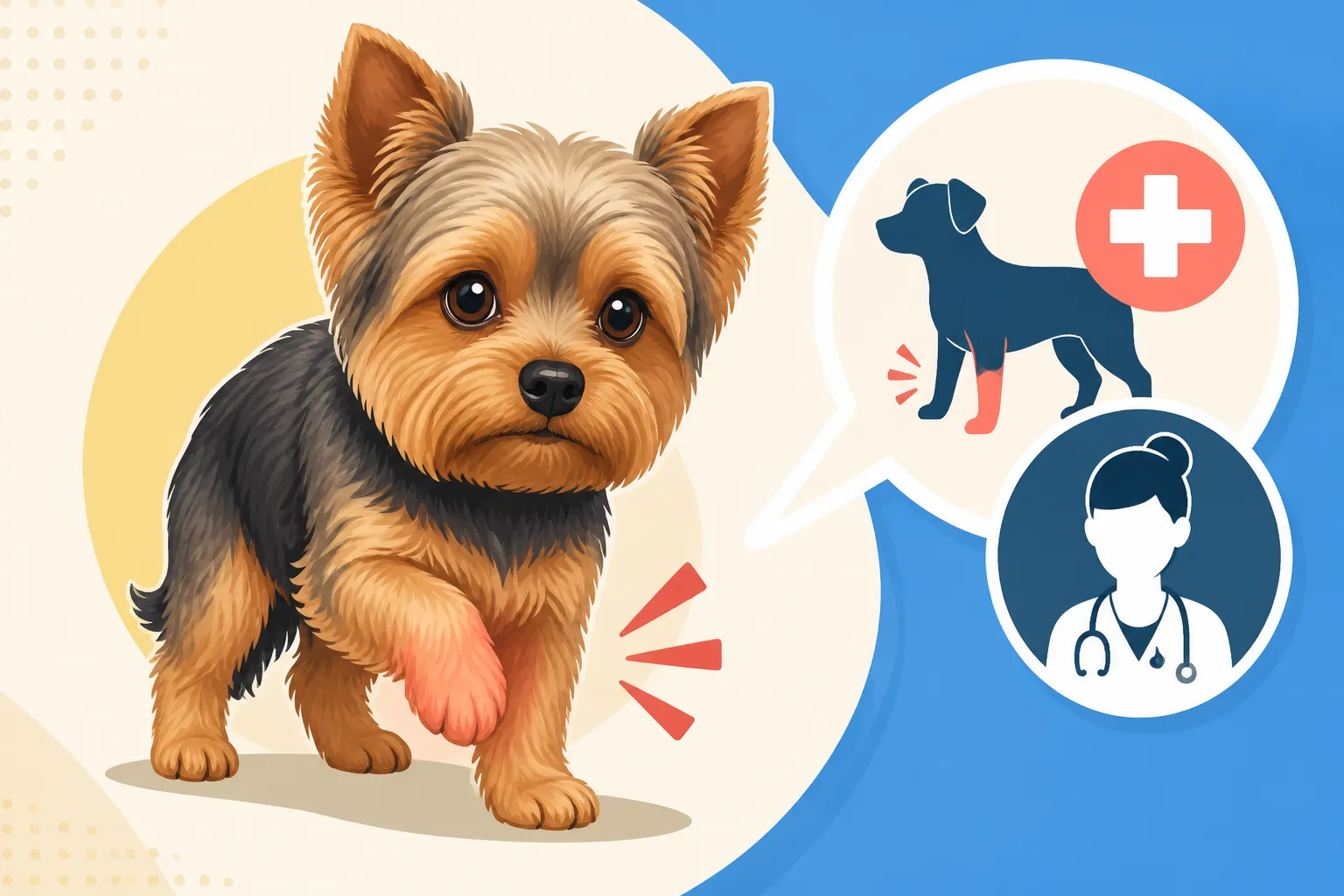
The onset of limping can tell you a lot. A sudden limp, particularly one where your Yorkie completely refuses to bear weight, often points to an acute injury or a sharp, intense pain. Think of stepping on something sharp, a sudden twist, or even an insect bite that caused immediate discomfort. Perhaps they jumped off the couch a bit awkwardly, or had a sudden tumble during playtime. In these scenarios, the pain is usually immediate and noticeable. You might see them yelp, pull their paw away, or hold it up. This kind of limping suggests an urgent need for investigation.
On the other hand, a gradual limp is usually more insidious. It might start as a barely perceptible hesitation, an occasional skip in their step, or a slight stiffness after waking up. Over days or weeks, it may become more pronounced. This type of limping is often indicative of chronic conditions, like certain joint diseases, arthritis, or a developing orthopedic issue. For instance, a common ailment like Patellar Luxation, where the kneecap slips out of place, often starts with intermittent limping or a "skip" that worsens over time. A slow progression might make it seem less alarming, but it still warrants attention to prevent further deterioration. Keep an eye out for these subtle changes, as they can escalate.
Recognizing Pain Signals Beyond the Limp
Yorkies are notoriously tough little dogs, and sometimes they try to hide their pain, a remnant of their ancestral survival instincts. So, while limping is a clear sign, it's essential to look for other, more subtle indicators that your Yorkie is in discomfort. Beyond just the physical limp, watch for changes in their behavior or demeanor. Are they less enthusiastic about their favorite walk or toy? Do they seem irritable or withdrawn?
Common pain signals in a Yorkie can include excessive licking or chewing at the affected limb, whimpering or yelping when touched or when trying to move, reluctance to play or jump, changes in appetite or thirst, shivering or trembling, and even changes in their posture. A hunched back or a reluctance to lie down in their usual comfortable positions could also signal pain. Sometimes, they might even become a bit nippy or growl if you inadvertently touch a sore spot, which is very out of character for many Yorkies. Understanding How to Tell If a Yorkie Is in Pain is crucial for early intervention.
Common Causes of Limping in Yorkshire Terriers
Yorkshire Terriers, despite their small size, are susceptible to a range of issues that can lead to limping. Their delicate bone structure and genetic predispositions mean that what might be a minor inconvenience for a larger dog could be a significant problem for a Yorkie. It’s important to familiarize yourself with these common causes so you can provide your vet with the best possible information.
Orthopedic Issues Predisposed in Yorkies
Unfortunately, Yorkies are genetically prone to several orthopedic conditions that often manifest as limping. These aren't necessarily due to injury but are inherent structural weaknesses that can emerge over time.
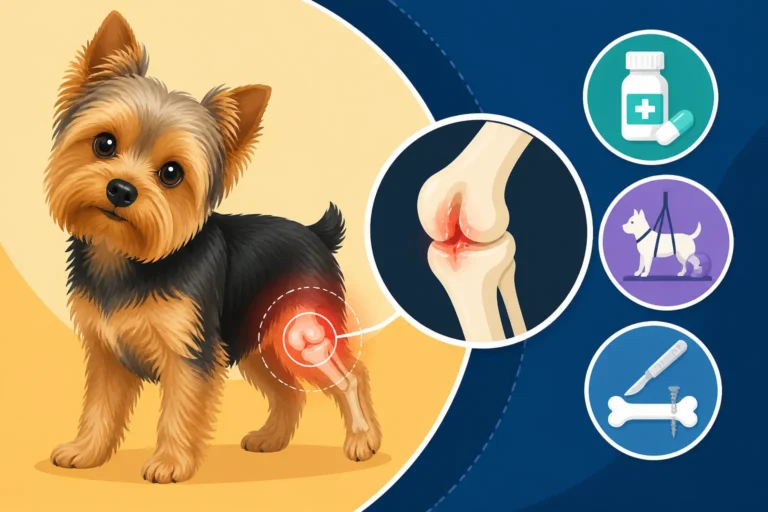
One of the most frequent culprits is Patellar Luxation, which we touched on earlier. This condition involves the kneecap (patella) slipping out of its groove in the thigh bone. It can happen in one or both legs, and the severity varies. You might notice your Yorkie running, then suddenly hopping on three legs for a few steps, shaking the affected leg, and then returning to normal as the kneecap pops back into place. Over time, this can lead to arthritis and chronic pain. Learning about Yorkshire Terrier Patellar Luxation: Signs and Care is essential for any Yorkie owner.
Another concern is Legg-Calve-Perthes Disease, or aseptic necrosis of the femoral head. This condition primarily affects small breed dogs, including Yorkies, usually when they're young, typically between 5 and 8 months of age. It involves the spontaneous degeneration of the head of the femur (the ball of the hip joint), leading to bone death and collapse. The result is significant pain and limping in one of the hind legs. This is a very serious condition that almost always requires surgery to alleviate pain and restore function.
While less common in Yorkies compared to some larger breeds, Hip Dysplasia can also occur. This is a malformation of the hip joint, where the ball and socket don't fit together properly, leading to grinding and eventual breakdown of the joint. In Yorkies, it tends to be less severe than in large breeds, but it can still cause pain, stiffness, and limping, particularly in older dogs.
| Type of Limping | Onset | Common Signs | Urgency for Vet Visit | Potential Causes |
|---|---|---|---|---|
| Sudden, Severe Limping (Non-weight bearing) | Immediate | Crying, yelping, paw held up, swelling, visible injury | Emergency | Acute injury (sprain, fracture), deep cut, foreign object, severe insect bite |
| Sudden, Mild Limping (Weight-bearing but hesitant) | Immediate | Slight limp, occasional skip, licking paw, slight swelling | Within 24-48 hours | Minor sprain, muscle strain, minor cut, bruise, mild patellar luxation episode |
| Gradual, Intermittent Limping | Over days/weeks | Occasional skip, stiffness after rest, reduced activity, worsening over time | Schedule routine appointment | Patellar luxation, early arthritis, Legg-Calve-Perthes (in young Yorkies), hip dysplasia |
| Limping with other symptoms | Variable | Fever, lethargy, loss of appetite, swelling, heat, redness | Emergency or Urgent | Infection, autoimmune disease, tumor, severe inflammatory condition |
Injuries and Trauma
Given their small stature and adventurous spirits, Yorkies are prone to accidental injuries. It doesn't take much for a little dog to hurt themselves, especially if they're allowed to jump off high furniture or play too roughly with larger dogs.
Sprains and Strains: These are very common. A sprain is an injury to a ligament, while a strain is an injury to a muscle or tendon. Your Yorkie might have twisted their ankle while running, overextended a leg jumping off a bed, or pulled a muscle during an enthusiastic game of fetch. These can cause mild to moderate limping, swelling, and tenderness. While often self-resolving with rest, severe cases may need veterinary attention to rule out fractures and manage pain.
Fractures: A broken bone is a much more serious injury. Yorkies have delicate bones, and a fall from even a moderate height can lead to a fracture. Signs include severe pain, complete inability to bear weight, swelling, and possibly an abnormal angle to the limb. This is an absolute emergency and requires immediate veterinary care.
Foreign Objects: Something as simple as a thorn, a piece of glass, a burr, or even a tiny splinter can get lodged in a paw pad, causing immense pain and limping. Always check your Yorkie's paws thoroughly if they suddenly start limping. If you can see the object and it's superficial, you might be able to remove it carefully. However, if it's deeply embedded or causes excessive bleeding, a vet visit is in order.
Cuts and Puncture Wounds: A simple cut on a paw pad can be incredibly painful, especially if it's deep or gets infected. Puncture wounds from stepping on something sharp or getting into a tussle with another animal can also lead to limping and potential infection. Always clean any visible wounds and monitor them closely.
Less Common but Serious Conditions
While less frequent, some other conditions can cause limping and are important to be aware of:
Infections: Bacterial or fungal infections can sometimes affect the bones or joints, leading to pain and limping. An abscess from a bite wound, for example, can cause swelling and lameness. These usually present with other signs of illness, like fever or lethargy.
Autoimmune Diseases: In some rare cases, autoimmune diseases can cause inflammation in the joints, mimicking arthritis and leading to pain and limping. These conditions often require specialized diagnostic tests and long-term management.
Tick-borne Diseases: Conditions like Lyme disease, transmitted by ticks, can cause shifting lameness, where the limping appears in different legs at different times. Other symptoms like lethargy and fever are also common. While Yorkies might not be out romping in tall grass as much as larger dogs, they can still pick up ticks.
Tumors or Cysts: Though less common, a tumor or cyst growing on or near a bone or joint can cause pain and limping. This is more often seen in older dogs and would usually be a gradual onset of limping that steadily worsens.
Understanding Yorkshire Terrier Health Problems to Know can help you stay vigilant about these possibilities.
When to Seek Veterinary Attention for Your Limping Yorkie
The question of "when to worry" is paramount. While some minor limps might resolve with a day or two of rest, others demand immediate professional attention. Knowing the difference can be crucial for your Yorkie's well-being and recovery.
Red Flag Symptoms that Require Immediate Care
There are definite signs that indicate your Yorkie needs to see a veterinarian immediately. If you observe any of these, don't wait:
- Complete Inability to Bear Weight: If your Yorkie cannot put any weight on the affected limb, it suggests a severe injury like a fracture, dislocation, or extensive soft tissue damage.
- Visible Deformity or Abnormal Angle: Any limb that looks crooked, swollen to an unusual degree, or is at an unnatural angle is a clear sign of a serious break or dislocation.
- Uncontrollable Bleeding: If the limp is accompanied by a deep wound that is bleeding profusely, this is an emergency.
- Severe Pain Cues: Persistent yelping, screaming, aggression when touched, or frantic attempts to hide signal intense pain.
- Limping with Other Systemic Illness Signs: If the limping is coupled with lethargy, fever, vomiting, diarrhea, loss of appetite, or difficulty breathing, it could indicate a more widespread and serious underlying issue, such as an infection or an autoimmune flare-up.
- Swelling and Heat: Significant swelling accompanied by warmth to the touch around a joint could indicate an acute inflammatory process, infection, or a severe sprain.
- Non-improvement after 24 hours: If a mild limp doesn't show any signs of improvement after a full day of strict rest, it's wise to get it checked out.
These are what we consider Yorkie Emergency Symptoms to Never Ignore. It's always better to err on the side of caution when your little companion is in distress.
Preparing for Your Vet Visit and What to Expect
When you call your vet, describe the situation clearly. Be ready to explain:
- When the limping started: Was it sudden or gradual?
- How severe it is: Is your Yorkie completely non-weight bearing, or is it a subtle favoring?
- Any possible cause: Did they fall, jump, or play roughly?
- Other symptoms: Are they eating, drinking, and acting normally otherwise?
- Which leg is affected: Or does it seem to be multiple legs or shifting?
During the appointment, your veterinarian will conduct a thorough physical examination. This will involve observing your Yorkie walk, gently palpating their limbs and joints, and testing their range of motion. Don't be surprised if your vet wants to see your Yorkie walk around the examination room. They’ll be looking for specific gaits or reactions that can pinpoint the problem.
They might also recommend diagnostic tests such as X-rays to check for fractures, dislocations, or degenerative joint disease. In some cases, blood tests might be performed to rule out infections or inflammatory conditions. Depending on the diagnosis, treatment could range from pain medication and anti-inflammatories to strict rest, splinting, or even surgery. The conversation around Yorkshire Terrier Vet Costs and Health Budget is an important one to have with your vet, especially if long-term care or surgery is proposed. Don't hesitate to ask questions about the prognosis and recovery period. For orthopedic issues like luxating patella, treatment options are extensive, so understanding Yorkshire Terrier Luxating Patella: Treatment Options would be beneficial.
Managing Mild Limping at Home (Temporarily)
For very mild limping where your Yorkie is still bearing some weight and isn't showing severe pain signals, you can try some temporary home care while monitoring closely. However, remember that this is not a substitute for professional veterinary advice if the limp persists or worsens.
Strict Rest: The most important thing you can do is enforce strict rest. This means no running, jumping, stairs, or rough play. Confine your Yorkie to a small, safe area, like a crate or a playpen, for 12-24 hours. Only take them out for short, leashed potty breaks.
Cold/Warm Compresses (with caution): For a suspected sprain or strain that's less than 24 hours old, a cold compress applied for 10-15 minutes, 2-3 times a day, can help reduce swelling. After 24-48 hours, a warm compress might help with stiffness. Always ensure the temperature is comfortable, not too hot or too cold, and never apply directly to the skin without a towel in between.
Monitor Closely: Watch for any changes in the severity of the limp, an increase in pain, or the development of other symptoms. If you don't see improvement or if things worsen, it's definitely time to schedule a visit with your vet.
It's tempting to give over-the-counter pain relievers, but never give human medication to your Yorkie without explicit veterinary instruction. Many human pain medications are toxic to dogs, even in small doses. Your vet can prescribe appropriate canine-specific pain relief if needed. If you're concerned about potential costs of vet visits, especially if your Yorkie is prone to accidents or breed-specific issues, investigating pet insurance options like Healthy Paws can provide peace of mind for unexpected emergencies.
Long-Term Management and Prevention Strategies
Once the immediate crisis of a limping Yorkie has passed, or if you're looking to proactively support their joint health, there are several long-term strategies you can implement. Prevention and good management are key to keeping your little companion happy and mobile for years to come.
Lifestyle Adjustments for Joint Health
Making a few adjustments around your home and in your Yorkie's daily routine can significantly reduce the risk of injuries and support overall joint health.
Preventing Falls and Jumps: Yorkies love to be close to their humans, which often means jumping on and off furniture. Provide ramps or pet stairs for beds and sofas to minimize the impact on their delicate joints. Discourage jumping from heights, especially as they get older. If you have slippery floors, consider rugs or runners to give them better traction, reducing the chance of slips and falls that could lead to injury.
Appropriate Exercise: While Yorkies need exercise, it should be appropriate for their size and potential joint issues. Short, regular walks are great, but avoid overly strenuous activities or prolonged runs that could strain their joints. Remember, their little legs work harder than our long ones! Engaging in moderate, consistent activity helps maintain muscle strength around their joints, providing better support. You might also want to explore How to Protect a Yorkie's Joints through various daily habits.
Weight Management: Keeping your Yorkie at a healthy weight is paramount for joint health. Every extra pound puts undue stress on their knees, hips, and spine. Work with your vet to determine the ideal weight for your individual Yorkie and maintain a balanced diet and exercise routine. Obesity exacerbates conditions like patellar luxation and arthritis, making limping more frequent and severe.
The Role of Nutrition and Supplements
What your Yorkie eats plays a significant role in their overall health, including their joint well-being.
High-Quality Diet: Ensure your Yorkie is on a high-quality, balanced dog food appropriate for small breeds. A good diet provides the necessary building blocks for healthy bones, cartilage, and connective tissues. Some premium brands formulate specific foods for small breeds or joint support, which might be beneficial.
Joint Supplements: Many veterinarians recommend joint supplements, especially for Yorkies with a history of orthopedic issues or as they age. Common ingredients include:
- Glucosamine and Chondroitin Sulfate: These are natural components of cartilage and can help slow the breakdown of cartilage and promote its repair.
- MSM (Methylsulfonylmethane): An organic sulfur compound that supports healthy connective tissue and has anti-inflammatory properties.
- Omega-3 Fatty Acids: Often found in fish oil, these are powerful anti-inflammatories that can reduce joint pain and stiffness.
Discuss with your vet which supplements are best for your Yorkie and at what dosage. They can guide you through the various options available, some of which are designed specifically for small breeds. Regular discussions about your Yorkie's diet and potential supplements are important components of proactive care, and your pet insurance, like Healthy Paws, may even cover some of these preventative measures as part of their wellness plans. You can learn more in-depth about various options in Yorkie Joint Supplements Explained.
Remember, proactive care, combined with vigilant observation and prompt veterinary attention when needed, is the best way to ensure your Yorkie lives a long, comfortable life, free from the worries of persistent limping. Don't hesitate to reach out to your vet at the first sign of concern, because these little dogs rely entirely on us to advocate for their health.
Disclaimer
The information provided in this article is for general informational purposes only and is not a substitute for professional veterinary advice. Always consult with a qualified veterinarian for any health concerns or before making any decisions related to your pet's health and treatment.