Yorkie Dry Skin: When to Worry
It's incredibly frustrating and heartbreaking to see your beloved Yorkshire Terrier scratching relentlessly, often leading to flaky skin, redness, and even tiny scabs. Dry skin in Yorkies isn't just a cosmetic issue; it can be a symptom of discomfort or an underlying health problem that needs attention. This guide is here to help you understand the common causes of dry skin, recognize when it's time to worry, and equip you with practical strategies to manage and prevent this irritating condition, ensuring your furry friend stays happy and healthy.
Understanding Yorkie Dry Skin
Dry skin, medically known as seborrhea sicca, is a fairly common complaint among dog owners, and our little Yorkshire Terriers are certainly not immune. Their long, silky coats can sometimes mask what's happening underneath, making it easy to overlook until the problem becomes more pronounced. It's not just about a bit of dandruff; persistent dry skin can lead to a host of other issues, so understanding its origins is the first step toward finding relief.
Common Causes of Dry Skin in Yorkshire Terriers
Dry skin can stem from a variety of factors, ranging from simple environmental influences to more complex internal issues. Pinpointing the exact cause is crucial for effective treatment, and often, it's a combination of a few things rather than just one.
First, let's talk about the environment. Just like us, dogs can suffer from dry skin when the air is particularly arid. This is especially true in drier climates or during winter months when indoor heating sucks moisture right out of the air. If your Yorkie spends a lot of time indoors with the heater blasting, or if you live in a place like Arizona or Southern California where humidity is low, environmental dryness could absolutely be contributing. Over-bathing or using harsh shampoos can also strip their delicate skin of its natural oils, leading to dryness and irritation. It’s tempting to keep our Yorkies smelling fresh, but finding the right balance and products is key. For more tips on their overall well-being, take a look at our comprehensive guide on how to keep a Yorkshire Terrier healthy.
Dietary deficiencies play a huge role, too. A diet lacking in essential fatty acids, particularly omega-3s and omega-6s, can manifest as dry, flaky skin and a dull coat. Many commercial dog foods, especially lower-quality ones, might not provide the optimal balance of nutrients needed for healthy skin and coat. Sometimes, a sudden change in diet or even an intolerance to a specific ingredient can trigger skin issues. For instance, if your Yorkie suddenly develops dry skin after switching to a new brand of kibble, it might be worth investigating if a particular ingredient is the culprit. Considering the sensitive nature of their digestive systems, finding the right sustenance is important. Our article on the best dog food for Yorkshire Terriers can offer some excellent recommendations.
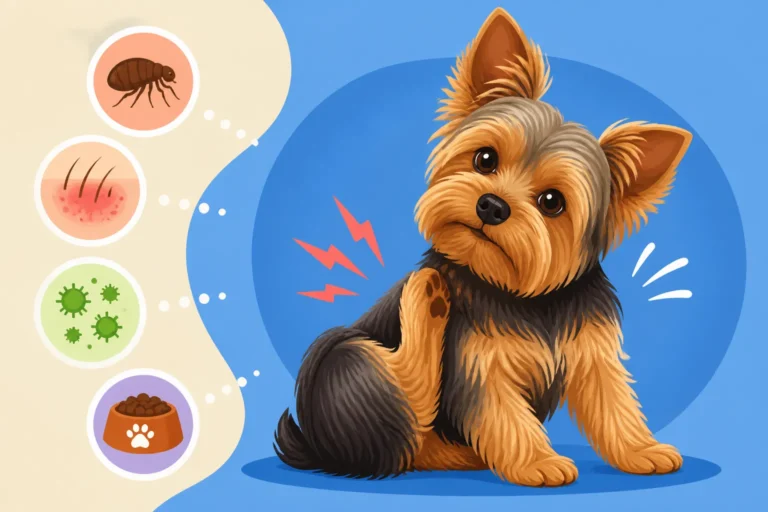
Lastly, and perhaps most concerningly, medical conditions can be at the root of dry skin. Allergies – whether environmental, food-related, or contact allergies – often present with itchy, dry, and inflamed skin. Parasites like fleas or mites can cause intense itching and secondary skin infections, leading to dryness and irritation. Fungal infections, bacterial infections, or even hormonal imbalances (like hypothyroidism) can also lead to significant changes in skin health. Even something as simple as poor Yorkshire Terrier Dental Care Guide can impact overall health, indirectly affecting skin condition. That's why observing additional symptoms beyond just dry skin is so important.
How to Identify Dry Skin: Signs and Symptoms
Identifying dry skin early can prevent it from escalating into a more severe problem. Your Yorkie can't tell you in words that their skin is bothering them, but they'll certainly communicate it through their actions and physical appearance.
The most obvious sign is often visible flaking, which looks much like dandruff on their coat or even on your furniture. If you gently part their hair and see small white flakes, or notice them falling off when your Yorkie shakes, it's a clear indicator of dry skin. Along with flaking, you might see redness or irritation on the skin itself, especially in areas they've been scratching or licking excessively. These spots might appear inflamed, pinker than usual, or even develop small bumps.
Another tell-tale sign is constant itching or scratching. While all dogs scratch occasionally, persistent, intense scratching, licking, or even chewing at their skin is a major red flag. This can lead to hot spots, open sores, and secondary bacterial or yeast infections, which only worsen the dryness and discomfort. You might also notice a dullness or brittleness in their coat that wasn't there before, or even some hair loss in patches where they've been scratching or where the skin is severely irritated. Sometimes, a change in skin odor – a yeasty or stale smell – can indicate a fungal overgrowth associated with compromised skin health. Keeping an eye out for these subtle changes is vital for detecting Signs Your Yorkshire Terrier Is Sick in general.
When to Worry: Red Flags and Emergency Situations
It’s natural to feel a bit of panic when you notice something off with your furry companion. When it comes to dry skin, there's a spectrum of concern, from minor, easily fixable issues to those that warrant immediate veterinary attention. Knowing the difference can save you a lot of stress and ensure your Yorkie gets the care they need promptly.
When Dry Skin Indicates a Minor Issue
Sometimes, dry skin is just that – dry skin – and not a sign of anything sinister. These are the situations where you can often make simple adjustments at home and see improvement relatively quickly. For instance, if it’s the dead of winter and your home heating system is running full blast, the dry indoor air can easily suck moisture from your Yorkie's skin. In such cases, you might notice a little flaking, perhaps some mild itching, but no widespread redness, sores, or significant behavioral changes.
Similarly, if you've recently bathed your Yorkie with a new shampoo that's a bit too harsh, or perhaps you've been bathing them more frequently than usual, their natural skin oils might be stripped away. This can lead to temporary dryness and some mild flaking without severe discomfort. A good quality, moisturizing shampoo designed for dogs, followed by a conditioner, can often resolve this. You might also consider adjusting your bathing schedule. For more specific advice, our article on How Often to Bathe a Yorkshire Terrier can be really helpful. In these minor cases, your Yorkie generally remains playful, has a good appetite, and the dry skin is localized and not severely irritating. It's usually a matter of environmental adjustment or minor grooming tweaks.
Serious Underlying Conditions and When to See the Vet
While minor dry skin can be managed at home, there are definite red flags that signal it’s time to call your veterinarian. Ignoring these can lead to chronic discomfort for your Yorkie and potentially more serious health complications.
Allergies: If your Yorkie’s dry skin is accompanied by intense, persistent itching, especially around their paws, face, or belly, and you notice redness, inflammation, or recurrent ear infections, environmental allergies (atopy) or food allergies could be the culprit. Dogs can be allergic to anything from pollen and dust mites to specific proteins in their food. This kind of persistent irritation often leads to secondary bacterial or yeast infections, making the skin even drier, itchier, and sometimes smelly. For a deeper dive into managing these, check out Yorkie Allergies: Signs and Relief.
Parasites: Fleas, mites (like Demodex or Sarcoptes), or even lice can cause severe itching, dry skin, scabs, and hair loss. Mite infestations, in particular, can be incredibly uncomfortable and lead to widespread skin damage if not treated promptly. If you see tiny black flecks (flea dirt) on their coat or notice small red bumps, or if the itching is so intense it keeps them (and you!) up at night, it's a clear sign for a vet visit.
Infections: Dry skin that progresses to open sores, pustules, crusting, or a strong, unpleasant odor usually indicates a bacterial or fungal (yeast) infection. These infections often arise as a secondary issue when the skin barrier is compromised by allergies or parasites. Your vet will need to diagnose the specific type of infection to prescribe the correct antibiotics or antifungals.
Systemic Diseases: Less commonly, but seriously, dry skin can be a symptom of underlying systemic diseases such as hypothyroidism (underactive thyroid), Cushing's disease, or even certain autoimmune disorders. If your Yorkie has other symptoms like lethargy, weight changes, increased thirst or urination, or a dull, brittle coat along with dry skin, a full veterinary workup is essential. These conditions require specific medical treatment and shouldn't be overlooked.
If you observe any of these more severe signs – relentless scratching leading to skin damage, widespread redness, signs of infection, or other systemic symptoms – do not delay. It’s crucial to get your Yorkie to the vet for an accurate diagnosis and appropriate treatment plan. Remember, pet insurance providers like Healthy Paws can be a real lifeline when unexpected vet visits and treatments for conditions like chronic skin issues come up, helping to manage those Yorkshire Terrier Vet Costs and Health Budget.
Here’s a quick overview to help you differentiate:
| Symptom / Indicator | Minor Dry Skin Issue | When to Worry / Vet Visit Needed |
|---|---|---|
| Flaking/Dandruff | Mild, occasional, usually localized | Excessive, persistent, widespread |
| Itching/Scratching | Mild, intermittent, easily distracted | Intense, relentless, prevents sleep, self-mutilation |
| Redness/Inflammation | None or very mild, localized | Widespread, severe, hot spots, pustules, open sores |
| Hair Loss | None or minimal | Noticeable patches, thinning, brittle coat |
| Odor | None or mild doggy smell | Strong, yeasty, foul odor |
| Behavioral Changes | None | Lethargy, loss of appetite, irritability, restlessness |
| Response to Home Care | Improves quickly with moisturizers/humidifier | No improvement or worsens despite home remedies |
| Other Symptoms | None | Vomiting, diarrhea, increased thirst/urination, weight changes, recurrent ear infections |
Effective Strategies for Managing and Preventing Dry Skin
Once you've determined whether your Yorkie's dry skin is a minor irritation or a symptom of something more serious, you can start implementing effective strategies. The goal is to not only treat the current issue but also to put measures in place to prevent future flare-ups, keeping their skin and coat in tip-top condition.
Home Remedies and Lifestyle Adjustments
For those milder cases of dry skin, or as a supportive measure for more serious conditions, there are several things you can do right at home to bring your Yorkie relief. These adjustments focus on improving hydration, reducing irritation, and bolstering their natural skin defenses.
One of the first things to look at is your Yorkie's diet. Ensuring they receive enough essential fatty acids, particularly Omega-3s and Omega-6s, is paramount. These fats are vital for maintaining skin barrier integrity and reducing inflammation. Consider adding a high-quality fish oil supplement, like salmon oil or krill oil, to their daily food. Many owners find noticeable improvements in coat shine and skin suppleness within a few weeks. Brands like Nordic Naturals or Zesty Paws offer excellent options specifically formulated for dogs. You might also explore Yorkshire Terrier Food For Sensitive Stomach options if you suspect a food intolerance, as these often have fewer common allergens and added skin-supporting ingredients.
Environmental factors are also critical. If dry air is an issue, especially during colder months, consider investing in a humidifier for the rooms where your Yorkie spends most of their time. This can significantly increase the moisture in the air, benefiting both their skin and respiratory system. Additionally, be mindful of your bathing routine. Avoid over-bathing, which can strip natural oils, and always use a gentle, moisturizing dog shampoo. Look for ingredients like colloidal oatmeal, aloe vera, or ceramides. After shampooing, always follow up with a good conditioner to help lock in moisture. When drying, pat your Yorkie gently rather than rubbing vigorously, which can irritate sensitive skin. Many pet parents find the earth-friendly grooming products from brands like Earthbath or Burt's Bees to be very effective for sensitive skin. Our guide on Best Shampoo for Yorkshire Terriers dives into excellent product choices.
Remember, even when things seem minor, prevention is always better than cure. Regular, but not excessive, grooming is crucial to prevent matting, which can trap dirt and bacteria, exacerbating skin issues. Consistent brushing, as outlined in How to Brush a Yorkie's Coat, helps distribute natural oils and removes loose hair and flakes.
Veterinary Treatments and Professional Interventions
When home remedies aren't enough, or if your vet has diagnosed an underlying medical condition, professional interventions become necessary. Your veterinarian has a range of tools and treatments at their disposal to tackle more stubborn or severe cases of dry skin.
For bacterial or fungal infections that are often secondary to dry, irritated skin, your vet will likely prescribe medicated shampoos, topical ointments, or oral antibiotics or antifungals. These treatments target the specific pathogens causing the infection, reducing inflammation and allowing the skin to heal. For example, a medicated shampoo containing chlorhexidine for bacterial infections or miconazole for fungal issues might be recommended. It's crucial to follow your vet's instructions precisely regarding frequency and duration to ensure the infection is fully cleared.
If allergies are the root cause, the treatment plan will be more comprehensive. This might involve strict dietary trials if food allergies are suspected, or allergy testing (blood tests or intradermal skin tests) to identify environmental allergens. Based on the results, your vet might suggest antihistamines, corticosteroids (for severe inflammation), or newer medications like Apoquel or Cytopoint, which specifically target the itch pathway. Desensitization injections (allergy shots) can also be an effective long-term solution for environmental allergies, gradually training your Yorkie's immune system to be less reactive. Because these treatments can sometimes be ongoing and costly, having pet insurance from a reliable provider like Healthy Paws can significantly reduce your financial burden, covering a percentage of eligible vet bills for chronic conditions.
In cases of parasitic infestations, your vet will prescribe appropriate antiparasitic medications, whether oral, topical, or injectable. This might include treatments for fleas, sarcoptic mites (scabies), or demodectic mites. It's important to treat not just the dog but also their environment to prevent re-infestation. For hormonal imbalances like hypothyroidism, lifelong medication (thyroid hormone replacement) will be necessary to manage the condition, which will, in turn, resolve associated skin issues. When to take your Yorkie to the vet for any of these concerns is always "sooner rather than later" – early intervention can make a huge difference in their comfort and recovery.
Long-Term Skin Health: A Proactive Approach for Your Yorkie
Ensuring your Yorkie has healthy skin and a beautiful coat isn't a one-time fix; it's an ongoing commitment. By adopting a proactive approach that incorporates consistent care and attention to their overall well-being, you can significantly reduce the likelihood of dry skin problems and keep your furry friend comfortable and happy for years to come.
Routine Care and Preventative Measures
Consistency is truly key when it comes to maintaining optimal skin health for your Yorkshire Terrier. Establishing a regular grooming routine is fundamental. This means not only scheduled baths with appropriate shampoos and conditioners, as discussed earlier, but also daily or every-other-day brushing. Their long, fine hair is prone to matting, which can hide skin issues and prevent air circulation, creating a breeding ground for bacteria and yeast. Regular brushing also helps distribute natural skin oils, keeping the skin moisturized and the coat shiny. Think of it as a mini massage for their skin, stimulating blood flow.
Beyond brushing, pay close attention to their environment. Regularly vacuuming and cleaning their bedding can reduce allergens like dust mites and dander, which can trigger skin irritation and dryness. If your Yorkie is prone to allergies, consider using hypoallergenic bedding materials and washing them frequently. Proper parasite control, using vet-recommended flea, tick, and heartworm preventatives, is also non-negotiable. Even a single flea bite can cause intense itching in a sensitive or allergic dog, leading to a cascade of skin problems. Finally, stress can sometimes manifest as skin issues in dogs, just like in humans. Ensuring your Yorkie has a stable, loving environment, plenty of mental stimulation, and regular exercise can help reduce stress and support overall health.
The Role of Nutrition and Hydration
What goes into your Yorkie’s body is just as important, if not more so, than what goes on it. Nutrition forms the bedrock of healthy skin and coat. A high-quality diet provides the essential building blocks for skin cell regeneration, oil production, and a strong protective barrier. Look for dog foods that list a named meat source (e.g., "chicken meal," "salmon") as the first ingredient and contain a good balance of omega-3 and omega-6 fatty acids. Many premium brands specifically formulate diets for sensitive skin or coat health, which can be incredibly beneficial.
Supplementation, particularly with omega fatty acids, can be a game-changer. These supplements help reduce inflammation, improve skin hydration, and strengthen the skin barrier against environmental irritants. Always consult your vet before adding supplements to ensure the correct dosage and to avoid any potential interactions with other medications. Additionally, probiotics can support gut health, which in turn plays a significant role in overall immune function and can positively impact skin conditions.
Finally, don't underestimate the power of hydration. Ensuring your Yorkie has constant access to fresh, clean water is vital. Dehydration can lead to dry skin, dull coats, and a host of other health problems. Encourage water intake by ensuring their bowl is always full, clean, and easily accessible. Some Yorkies might be enticed by a pet water fountain, which provides fresh, circulating water. A well-hydrated dog is a healthier dog, from nose to tail, and certainly includes their skin. If you're wondering about their overall health and common issues, our guide on Yorkshire Terrier Health Problems to Know is a great resource for preventative care.
Disclaimer
The information provided in this article is for general informational purposes only and is not a substitute for professional veterinary advice. Always consult with a qualified veterinarian for any health concerns or before making any decisions related to your pet's health or treatment.