Yorkie Shaking: When to Worry
It’s incredibly unnerving when you see your tiny Yorkshire Terrier trembling or shaking. Your heart skips a beat, and a hundred questions race through your mind: Are they cold? Are they scared? Or is something much more serious going on? This guide is here to help you understand the common reasons behind your Yorkie's shaking, differentiate between normal tremors and worrying signs, and know exactly when it’s time to seek professional veterinary advice.
Understanding Why Your Yorkie Shakes
Yorkies are a notoriously shaky breed, and often, it’s nothing to worry about. Their small size, high metabolism, and sensitive nature can all contribute to frequent trembling. However, it's crucial for any Yorkie parent to learn the nuances, distinguishing between a benign shiver and a red-flag tremor.
Normal and Harmless Reasons for Shivering
There are several completely normal and non-concerning reasons why your beloved Yorkie might be shaking. Understanding these can save you a lot of unnecessary worry.
For instance, consider their size. Yorkshire Terriers are tiny, weighing in at an average of 4 to 7 pounds. This diminutive stature means they lose body heat more quickly than larger breeds, making them particularly susceptible to feeling chilly even in temperatures that feel comfortable to us. You might notice your little one shivering a bit on a breezy day during a walk, or when they first step out of a warm house into a cooler environment. This is their body’s natural way of generating heat through muscle contractions, and it's completely normal. Think of it like us getting goosebumps when we’re cold; it’s just a physiological response. A simple sweater or a cozy blanket is usually all they need to warm up.
Another common reason for the "Yorkie shakes" is sheer emotion. These dogs are bundles of personality and can experience strong feelings of excitement or anticipation. Imagine you're about to open a bag of their favorite treats, or you're getting ready for a walk, or even when you just walk through the door after being away for a few hours. That rapid, full-body quiver accompanied by a wagging tail and happy barks is often pure, unadulterated joy. It's their way of channeling all that pent-up energy and happiness. Similarly, fear or anxiety can also trigger shaking. A loud noise, a new person in the house, a trip to the vet, or even an unfamiliar object can make a Yorkie tremble. Their small size can make them feel vulnerable in new or overwhelming situations, and shaking is a common stress response. Pay attention to their body language in these moments – tucked tail, flattened ears, wide eyes – and you’ll often see other signs of apprehension alongside the shaking.
Distinguishing Normal Shaking from Concerning Tremors
While normal shaking is part and parcel of owning a Yorkie, differentiating it from something more serious is key. The biggest difference often lies in the context, duration, intensity, and any other accompanying symptoms. A quick shiver when they're cold or excited that resolves within a few minutes is usually nothing to fret over. But if the shaking is persistent, doesn't stop, increases in intensity, or occurs alongside other troubling signs, that's when your alarm bells should start ringing.
Consider a scenario: your Yorkie, Daisy, always shakes when the doorbell rings, but then she stops once the visitor is inside and she's had a chance to sniff them. This is typical, emotionally-driven shaking. Now, imagine Daisy suddenly starts shaking uncontrollably while lying peacefully on her bed, her eyes seem unfocused, and she won't respond to her name. This is a very different situation. The lack of an obvious trigger, the persistence, and the altered mental state indicate something far more concerning than a simple chill or burst of excitement. You'll want to assess the environment: is it unusually cold? Has anything startling happened? If not, then it's time to dig deeper.
It's about observing the whole picture. Is your Yorkie otherwise acting normal—eating, drinking, playing, and eliminating regularly? If their appetite is good, their energy levels are normal, and they're interacting with you as usual, the shaking might be benign. However, if the shaking is accompanied by lethargy, loss of appetite, vomiting, diarrhea, difficulty walking, or any other deviation from their normal behavior, it warrants immediate attention. The pattern also matters; is it a random, isolated incident, or is it happening regularly, becoming more frequent, or getting worse over time? Keeping a mental note, or even a literal journal, of these instances can be incredibly helpful when discussing symptoms with your veterinarian.
Concerning Causes of Yorkie Shaking and Tremors
Beyond the usual suspects, there's a range of medical conditions that can cause a Yorkie to shake. Being aware of these potential issues is crucial for recognizing when your dog needs help.
Hypoglycemia (Low Blood Sugar)
Yorkshire Terriers, especially puppies, are particularly susceptible to hypoglycemia, which is a rapid drop in blood sugar levels. This condition can quickly become an emergency due to their small size and inability to store glucose effectively. When a Yorkie's blood sugar plummets, their body doesn't have enough energy to function properly, leading to symptoms like shaking, weakness, disorientation, and even seizures if left untreated.
Imagine your Yorkie, Buster, a playful 4-month-old, suddenly seems lethargic after a bout of energetic play. He starts to shiver uncontrollably, his gums look pale, and he might even stumble as he walks. This is a classic sign of hypoglycemia. It often occurs in puppies who might miss a meal, over-exert themselves, or have an underlying health issue. If you suspect hypoglycemia, immediate action is necessary. You can rub a small amount of honey or corn syrup on their gums for a quick sugar boost, but this is only a temporary fix. They need to see a vet promptly to diagnose the cause and prevent recurrence. For more in-depth information on managing this condition, you might find our guide on Yorkshire Terrier Hypoglycemia: Signs and Care or Yorkie Low Blood Sugar: What to Do incredibly useful.
Pain or Injury
Shaking can often be a tell-tale sign that your Yorkie is experiencing pain or discomfort somewhere in their body. Because they are so small and can be prone to certain orthopedic issues, even a minor injury can cause significant distress and lead to trembling. They can’t verbally tell us what hurts, so shaking, panting, reluctance to move, or vocalization are often their only ways of communicating their pain.
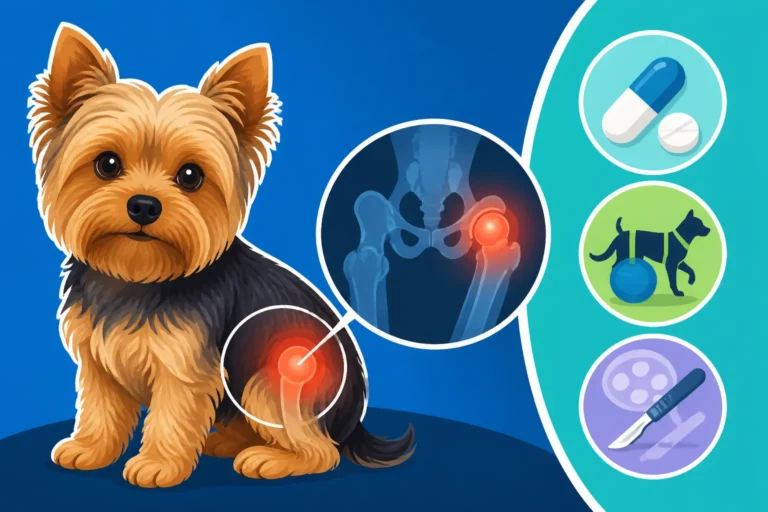
A common issue in Yorkies, for example, is patellar luxation, where the kneecap slips out of place. If your Yorkie is suddenly limping, holding up a leg, and shaking, especially when you try to touch the affected area, they could be in pain from a joint issue. Other injuries, like a sprain from a jump off the couch or a small cut, can also cause them to tremble. You might notice they are hesitant to bear weight on a limb, or they might yelp when touched. It’s important to carefully examine your Yorkie for any visible injuries, swelling, or tender spots. If you suspect pain, observing additional symptoms like changes in appetite or guarding a specific body part can help confirm your suspicions. If your Yorkie is shaking due to suspected pain, it's wise to consult your vet. Pet insurance providers like Healthy Paws can be a real lifeline for covering diagnostic tests and treatments for unexpected injuries or conditions like Yorkshire Terrier Patellar Luxation: Signs and Care. Knowing How to Tell If a Yorkie Is in Pain can also provide valuable insights.
Neurological Issues and Seizures
When a Yorkie shakes due to a neurological issue, it’s usually more distinct than a typical shiver. These tremors can range from fine muscle fasciculations to full-body convulsions. One such condition that disproportionately affects small white dogs, including Yorkies, is Generalized Tremor Syndrome, sometimes called "White Shaker Syndrome." Dogs with this condition develop involuntary, rhythmic muscle tremors that can affect their entire body. These tremors usually start suddenly and can be quite pronounced, making the dog look like they're constantly vibrating.
Seizures are another serious neurological event that often involve shaking or convulsions. A seizure in a Yorkie might look like uncontrollable twitching, paddling of the limbs, drooling, or loss of consciousness. It can be incredibly frightening to witness. Unlike normal shivering, a seizure is not something the dog can control, and they might appear confused or disoriented before and after the episode. If you ever witness your Yorkie having what appears to be a seizure, it’s critical to contact your vet immediately. Keeping track of the duration and what the seizure looked like can help your vet with diagnosis. Our detailed guide on Yorkshire Terrier Seizures: Signs and Care offers more comprehensive information on recognizing and responding to these episodes.
Toxins or Poisoning
Unfortunately, curious Yorkies can sometimes get into things they shouldn't, leading to poisoning. Many common household items and certain foods are toxic to dogs, and ingestion can manifest with a variety of symptoms, including shaking or tremors. The severity of the shaking often depends on the type and amount of toxin ingested.
Consider the scenario where your Yorkie, Milo, has snuck a piece of dark chocolate or somehow gotten into your medication cabinet. Within a short time, you might notice him pacing, seeming anxious, and then starting to tremble uncontrollably. Other signs of poisoning can include vomiting, diarrhea, lethargy, increased heart rate, excessive drooling, or even collapse. Common culprits include certain human foods like chocolate, xylitol (found in sugar-free gum and some peanut butters), grapes and raisins, and even some plants. Household cleaning products, insecticides, and human medications are also serious dangers. If you suspect your Yorkie has ingested something toxic, contact your veterinarian or an animal poison control center (like the ASPCA Animal Poison Control Center or Pet Poison Helpline) immediately. Time is of the essence in these situations, and early intervention can be life-saving.
Nausea or Gastrointestinal Upset
Just like humans, dogs can experience nausea, and one way they might express this discomfort is through shaking or trembling. If your Yorkie is feeling queasy, you might notice subtle tremors accompanying other signs of digestive upset.
Imagine your little Maya, usually a voracious eater, suddenly turns her nose up at her food. A few hours later, you observe her standing hunched, lips smacking, and a distinct tremble running through her body. This could be a clear indicator of nausea, often preceding vomiting or diarrhea. Her body is likely reacting to the internal discomfort. This kind of shaking is usually less frantic than an anxiety-induced tremor and more generalized, indicating a systemic feeling of unwellness. Accompanying symptoms like excessive drooling, loss of appetite, lethargy, or repeated swallowing can help you confirm that nausea is the culprit. While sometimes it might just be a minor upset that passes, if the shaking is persistent, or if it leads to severe vomiting or diarrhea, especially if you see blood, it's crucial to consult your vet. Such severe gastrointestinal issues can quickly lead to dehydration in small dogs. For further guidance, you can refer to our posts on Why Is My Yorkie Vomiting or Why Is My Yorkie Diarrhea to understand more about these symptoms.
Other Health Conditions
Shaking can also be a symptom of a wide array of other underlying health issues, some of which are more common in Yorkies due to their genetic predispositions. This is why a thorough veterinary examination is always necessary when the cause of shaking is unclear.
For example, kidney disease or liver issues (such as Yorkshire Terrier Liver Shunt: Signs and Care, a condition where blood bypasses the liver, common in Yorkies) can cause dogs to feel unwell and tremble. These conditions can lead to a buildup of toxins in the body or metabolic imbalances that manifest as shaking, weakness, and overall malaise. Similarly, Addison's disease, an endocrine disorder where the adrenal glands don't produce enough hormones, can cause symptoms like lethargy, vomiting, diarrhea, and generalized shaking, often triggered by stress. Even severe dental pain or infections, which are sadly very common in Yorkies, can cause such intense discomfort that your dog may tremble. A good dental care routine, as detailed in our Yorkshire Terrier Dental Care Guide, can help prevent these issues. These conditions might not always present with obvious symptoms initially, making shaking one of the first indicators that something is amiss internally. It’s always best to have a vet check your Yorkie if shaking is persistent and unexplained, as early diagnosis of Yorkshire Terrier Health Problems to Know can significantly improve treatment outcomes.
When to Act: Urgent Signs and Veterinary Care
Knowing when to transition from concerned observation to urgent action is vital for your Yorkie's well-being. Not all shaking requires an emergency trip to the vet, but certain signs absolutely do.
Identifying Emergency Situations
There are specific scenarios where your Yorkie's shaking should trigger an immediate call to your veterinarian or an emergency animal hospital. These are the moments when seconds truly count.
If your Yorkie's shaking is sudden, severe, and persistent, and doesn't stop even after you try to comfort them or change their environment, it’s an urgent sign. Look for shaking accompanied by other critical symptoms such as difficulty breathing (gasping, labored breaths), pale or blue-tinged gums, collapse, unresponsiveness, disorientation, or seizure-like activity. Vomiting or diarrhea that is severe, bloody, or lasts for more than a few hours, especially when combined with shaking, also warrants immediate veterinary attention due to the rapid dehydration risk in small breeds. If you notice any signs of extreme pain, like yelping when touched, guarding a specific body part, or inability to walk, get to the vet. These could indicate serious injuries or internal problems. Any suspicion of poisoning, regardless of the severity of shaking, is also an immediate emergency. Do not wait to see if the symptoms improve; immediate intervention can literally be the difference between life and death. For a comprehensive list of what to look out for, our guide on Yorkie Emergency Symptoms to Never Ignore can be incredibly helpful. If you're ever in doubt, it’s always better to err on the side of caution and call your vet.
Preparing for a Vet Visit
When an emergency arises, being prepared can make the vet visit much smoother and more effective. It allows the veterinarian to get a clear picture of what's happening more quickly.
Before you rush out the door, take a moment (if possible and safe to do so) to gather crucial information. Note down when the shaking started, how long it has lasted, its intensity (mild tremor vs. violent convulsion), and if anything seems to trigger or worsen it. Document any other symptoms you've observed, such as changes in appetite, thirst, urination, bowel movements, energy levels, or behavior. If your Yorkie has eaten anything unusual or potentially toxic, bring a sample or a photo of the packaging. Write down any medications or supplements your Yorkie is currently taking, including dosages. All this information helps your vet form a diagnosis quickly and accurately. Don't forget to grab your pet insurance information; a provider like Healthy Paws can significantly ease the financial burden of emergency veterinary care, covering a large percentage of unexpected costs. Being organized means you can focus on your furry friend while the medical team does their vital work.
Ongoing Monitoring and Management
Once your Yorkie has been seen by a vet and a diagnosis or plan is in place, your role in ongoing monitoring and management becomes crucial. This isn't a one-and-done situation; many conditions require sustained attention.
If your Yorkie was diagnosed with a chronic condition that causes shaking, such as a neurological disorder or a metabolic imbalance, you'll likely be sent home with medications or dietary recommendations. It's paramount to follow these instructions precisely. Administering medication on time and adhering to a strict feeding schedule (especially for conditions like hypoglycemia) is vital for managing symptoms and preventing recurrence. Keep a detailed log of your Yorkie’s symptoms, noting any improvements or worsening of their shaking, changes in appetite, or side effects from medication. This journal will be invaluable for follow-up appointments and for helping your vet adjust treatment if necessary. Regular check-ups are also essential to monitor their overall health and the efficacy of their treatment plan. Your vet might recommend specific diagnostic tests periodically to track the condition's progression. Your diligent observation and consistent care are key to ensuring your Yorkie maintains the best possible quality of life despite their health challenges.
Here’s a quick overview to help you differentiate between normal and concerning shaking:
| Characteristic | Normal Yorkie Shaking (Usually Harmless) | Concerning Yorkie Tremors (Seek Vet Advice) |
|---|---|---|
| Context | Cold, excitement, fear, anticipation | No obvious trigger, sudden onset, persistent |
| Duration | Brief, resolves quickly (minutes) | Persistent, prolonged, doesn't stop |
| Intensity | Mild shivering, light trembling | Moderate to severe, uncontrollable convulsions |
| Accompanying Symptoms | Happy demeanor (excitement), tucked tail (fear), seeking warmth | Lethargy, weakness, disorientation, stumbling, vomiting, diarrhea, pale gums, difficulty breathing, pain, collapse, unresponsiveness |
| Response | Responds to comfort, warmth, or distraction | Doesn't respond to comfort, seems unaware or distressed |
| Body Language | Normal or slightly anxious posture | Hunched, guarded, rigid, unfocused eyes, panting, drooling |
Preventing and Managing Shaking in Yorkies
While you can't prevent all instances of shaking, especially those related to excitement or a bit of chill, there are significant steps you can take to minimize the risk of concerning tremors and to effectively manage your Yorkie's health.
Proactive Health Management
One of the best defenses against serious health issues that cause shaking is a proactive approach to your Yorkie's overall health. Regular, routine veterinary care is the cornerstone of this strategy.
Scheduling annual or bi-annual wellness exams with your veterinarian ensures that any potential health problems are caught early, before they escalate into more severe conditions that could manifest as shaking or other distressing symptoms. During these visits, your vet will perform a thorough physical examination, address any concerns you might have, and recommend necessary vaccinations or preventive treatments. This is also a perfect opportunity to discuss your Yorkie's diet, exercise routine, and any subtle behavioral changes you've noticed. Maintaining an appropriate diet formulated for small breeds, and ensuring your Yorkie gets adequate, but not excessive, exercise helps keep their metabolism stable and their immune system robust. A healthy lifestyle significantly reduces the risk of many conditions, from metabolic imbalances like hypoglycemia to certain orthopedic issues that might cause pain and shaking. For a deeper dive into keeping your furry friend in tip-top shape, check out our guide on How to Keep a Yorkshire Terrier Healthy. Don't forget that a regular preventive schedule can also make pet insurance like Healthy Paws more valuable, as they often cover routine care add-ons and provide excellent coverage for unexpected illnesses and accidents.
Creating a Safe Environment
Given their small size and sometimes adventurous personalities, creating a safe and controlled environment for your Yorkie is paramount in preventing accidents and exposure to toxins that could lead to shaking.
This means thoroughly "Yorkie-proofing" your home. Get down on their level and look for anything they might be able to chew on, knock over, or ingest. Secure all household cleaners, medications, and toxic plants out of reach. Remember, even seemingly innocuous items like sugar-free gum (which contains xylitol) or certain houseplants can be deadly if ingested. Ensure that your home is kept at a comfortable temperature, especially during colder months, and provide cozy blankets and beds for your Yorkie to burrow into to prevent shivering from the cold. When outdoors, always supervise your Yorkie, especially in areas where they might encounter wild animals, unfamiliar plants, or discarded items. Using a secure harness rather than a collar, as discussed in Why Harnesses Are Better Than Collars for Yorkies, can also prevent tracheal collapse, another common Yorkie issue that can cause respiratory distress and associated trembling. Starting with a solid foundation of safety measures, particularly for new additions, is covered in our Yorkshire Terrier Puppy Health Guide.
The Role of Nutrition and Hydration
Proper nutrition and consistent hydration are fundamental to your Yorkie's health and play a significant role in preventing several conditions that can cause shaking, especially hypoglycemia.
Yorkies, with their high metabolism and small size, need frequent, small meals of high-quality dog food to maintain stable blood sugar levels. Missing meals or going too long between feedings can quickly lead to a drop in glucose, especially in puppies. Discussing a feeding schedule with your vet tailored to your Yorkie's age, weight, and activity level is crucial. High-quality food specifically designed for small breeds will provide the necessary nutrients without overloading their tiny digestive systems. Always ensure your Yorkie has constant access to fresh, clean water. Dehydration can lead to weakness, lethargy, and other systemic issues that might include trembling. If your Yorkie is a picky drinker, consider offering multiple water bowls in different locations or a pet fountain to encourage hydration. Understanding How to Prevent Hypoglycemia in Yorkies through proper feeding is a critical piece of knowledge for any Yorkie owner. A well-nourished and hydrated Yorkie is generally a healthier, more resilient Yorkie, less prone to many of the medical issues that can cause worrying tremors.
Disclaimer
This article is intended for informational purposes only and does not constitute medical advice. Always consult with a qualified veterinarian for any health concerns or before making any decisions related to your Yorkshire Terrier's health and treatment.