Why Is My Yorkie Dry Skin
It's incredibly disheartening to watch your beloved Yorkshire Terrier constantly scratching, digging at their skin, or notice those tell-tale flakes appearing in their luxurious coat. Dry, flaky skin isn't just an aesthetic issue; it's often a sign of discomfort, and sometimes, a deeper problem that needs your attention. This comprehensive guide will walk you through the common reasons why your Yorkie might be suffering from dry skin, offering practical advice and solutions to bring them relief and restore their healthy glow.
Understanding Yorkie Dry Skin Basics
Dry skin, medically known as xerosis, is a common complaint among dog owners, and our tiny Yorkshire Terriers are no exception. Their delicate skin and often long, silky coats can be particularly susceptible to environmental stressors, dietary imbalances, and underlying health issues. It’s not always obvious what’s causing the problem, and the symptoms can range from mild flakiness to severe irritation.
What Dry Skin Looks Like on a Yorkie
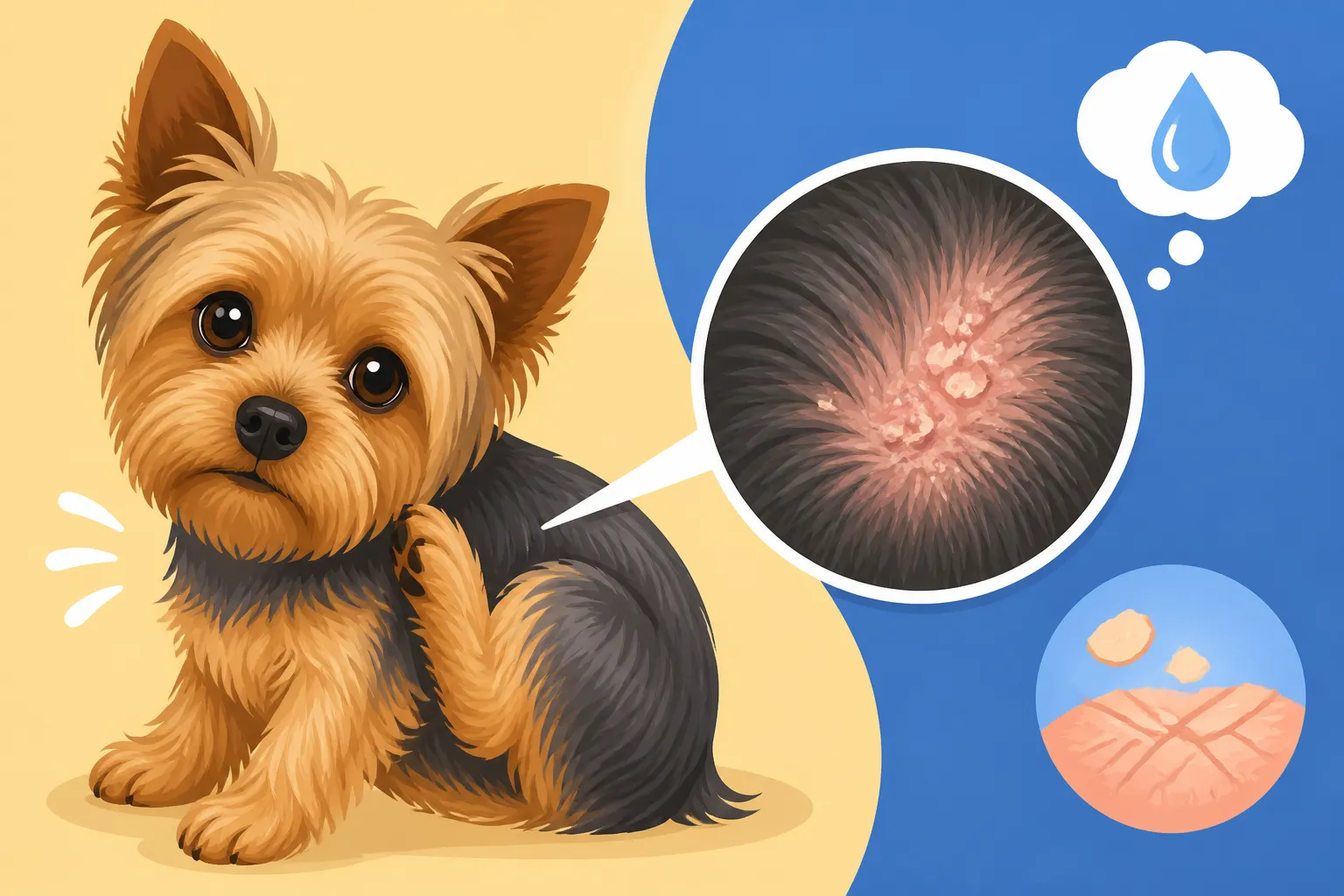
When your Yorkie has dry skin, it's usually quite visible if you know what to look for, especially when you part their fur. You might notice small, white flakes that resemble dandruff, particularly along their back or around their tail. The skin itself can appear tight, less supple, and sometimes even cracked in severe cases. You might also observe redness, inflammation, or scabs, especially if your Yorkie has been scratching excessively.
Beyond the visual cues, your Yorkie's behavior will often be the biggest indicator. They might be scratching more than usual, rubbing against furniture, or licking and chewing at their paws, belly, or flanks. Their coat might lose its characteristic shine, looking dull or brittle. Sometimes, you might even notice a change in the texture of their fur, becoming coarser or thinning out in patches due to constant scratching and irritation. It’s a frustrating cycle for both you and your furry friend, and it’s important to understand these signs as early indicators that something isn't quite right.
Why Yorkies Are Prone to Skin Issues
Yorkshire Terriers, while generally robust little dogs, do have a few breed-specific traits and tendencies that can make them more prone to dry skin and other dermatological concerns. For starters, their fine, human-like hair coat, rather than typical dog fur, can be more susceptible to environmental changes and requires diligent Yorkshire Terrier Grooming Guide to maintain health. This unique coat can dry out more easily if not cared for properly, especially with frequent bathing or exposure to harsh products.
Furthermore, their small size means they can be more sensitive to allergens in their environment or diet. What might be a minor irritant for a larger dog could cause a significant reaction in a petite Yorkie. Some Yorkies may also inherit genetic predispositions to certain skin conditions. For example, some individuals might have a genetic propensity for allergies, leading to chronic skin irritation. Understanding these inherent sensitivities is the first step in providing targeted care and identifying potential causes when you start to see that tell-tale flakiness or incessant scratching. It's a key part of knowing How to Keep a Yorkshire Terrier Healthy.
Common Causes of Dry Skin in Yorkies
Identifying the root cause of your Yorkie’s dry skin is crucial for effective treatment. It’s rarely just one thing, and often a combination of factors contributes to their discomfort. Let’s delve into the most common culprits.
Environmental Factors
The world around your Yorkie plays a huge role in their skin health. Just like humans, dogs can be affected by the climate and the air quality in their homes.
Dry air, especially during winter months when heating systems are running constantly, can strip moisture from your Yorkie's skin and coat. Imagine how your own skin feels tight and chapped in cold, dry weather – your Yorkie experiences something similar. This is particularly noticeable in regions with naturally low humidity. Similarly, bathing your Yorkie too frequently, or using shampoos that are too harsh or not specifically formulated for dogs, can strip away natural oils, leading to dryness and irritation. It's a delicate balance to strike between keeping them clean and maintaining their skin barrier. When considering their Yorkie Daily Care Routine, bathing practices are often overlooked as a potential source of skin issues.
Another significant environmental factor can be exposure to irritants. This includes things like harsh cleaning products used on your floors, certain laundry detergents on their bedding, or even chemicals in outdoor pesticides or fertilizers they might walk through. These substances can cause contact dermatitis, leading to dry, red, and itchy skin. Even walking on hot pavement can dry out paw pads and contribute to overall skin stress. It’s all about creating a safe, comfortable, and low-irritant environment for your little companion.
Nutritional Deficiencies
A healthy coat and skin start from the inside out, and diet plays an enormous role. If your Yorkie isn't getting the right balance of nutrients, their skin can quickly show the signs.
Deficiencies in essential fatty acids, particularly Omega-3 and Omega-6, are incredibly common causes of dry skin. These healthy fats are crucial for maintaining skin hydration, elasticity, and a strong skin barrier. Without enough of them, the skin can become dry, flaky, and more susceptible to inflammation. Many commercial dog foods, especially lower-quality ones, may not contain sufficient levels of these vital nutrients or may have an imbalance between the Omega-3 and Omega-6 ratios. Supplementing with fish oil or ensuring your Yorkie’s diet includes high-quality sources of these fats can make a remarkable difference. When choosing Best Dog Food for Yorkshire Terriers, pay close attention to the fat content and sources.
Beyond fatty acids, a diet lacking in specific vitamins and minerals can also impact skin health. Vitamin A, E, and zinc are all vital for skin cell regeneration and overall dermal function. If your Yorkie is on a restricted or unbalanced diet, or if they have issues absorbing nutrients, these deficiencies can manifest as dry, dull skin and a poor coat condition. Always opt for a high-quality, complete, and balanced dog food that meets the nutritional requirements for small breeds. If you’re considering dietary changes, especially for a specific issue like dry skin, consulting with your vet or a canine nutritionist is always a smart move to ensure your Yorkshire Terrier Food For Sensitive Stomach is truly helping.
Allergies
Allergies are a massive culprit behind dry, itchy, and irritated skin in many dogs, including Yorkshire Terriers. When a Yorkie encounters an allergen, their immune system overreacts, leading to inflammation and skin issues.
Environmental allergies, often called atopy, are extremely common. These can be triggered by things we often take for granted, like pollen from trees, grasses, and weeds, dust mites hiding in our homes, or even mold spores. Symptoms often worsen seasonally, but indoor allergens like dust mites can cause year-round problems. The skin often becomes red, inflamed, and incredibly itchy, leading to excessive scratching, licking, and chewing, which further damages the skin barrier and exacerbates dryness. This constant irritation can be incredibly uncomfortable for your Yorkie, disrupting their sleep and overall well-being. If your Yorkie is showing signs of constant scratching and discomfort, delving into Yorkie Allergies: Signs and Relief is a good next step.
Food allergies or sensitivities are another significant cause of skin problems. Unlike environmental allergies, food reactions are often not seasonal and can cause chronic skin inflammation, gastrointestinal upset, or both. Common food allergens for dogs include beef, chicken, dairy, wheat, and soy. Identifying a food allergy usually involves an elimination diet under veterinary guidance, which can be a lengthy process but often yields excellent results in terms of skin health. It might mean transitioning to a novel protein or hydrolyzed protein diet. Looking into Yorkshire Terrier Food For Allergies can be a good starting point for discussion with your vet.
Parasites and Infections
While not always immediately associated with dry skin, parasites and secondary infections can absolutely contribute to or exacerbate a dry, flaky condition. The irritation they cause leads to scratching, which damages the skin and can make it dry and vulnerable.
External parasites like fleas and mites are notorious for causing intense itching and subsequent skin issues. Even if you don't see the fleas, a single flea bite can trigger an allergic reaction in sensitive dogs, known as flea allergy dermatitis, leading to widespread itching, redness, and flaking. Mites, such as those causing sarcoptic mange or demodectic mange, burrow into the skin, causing severe itching, hair loss, and incredibly dry, scaly patches. It’s a common misconception that if you don’t see bugs, they aren’t there. Regular parasite prevention, which your vet can recommend, is vital for keeping these pests at bay.
When the skin barrier is compromised by scratching, dryness, or allergies, it becomes an open invitation for bacterial or yeast infections. A common yeast infection, Malassezia, thrives in moist, inflamed skin folds but can also cause generalized dry, flaky, and greasy skin with a distinct odor. Bacterial infections (pyoderma) can also lead to crusting, scaling, and dry patches. These secondary infections often require specific medical treatment, such as medicated shampoos, topical creams, or oral antibiotics/antifungals, to clear up. Without addressing these underlying infections, the dry skin problem will likely persist, making your Yorkie miserable.
Underlying Health Conditions
Sometimes, dry skin in a Yorkie isn't just a surface issue but a symptom of a deeper, systemic health problem. These conditions can affect the entire body, including the skin.
Hormonal imbalances are a prime example. Hypothyroidism, where the thyroid gland doesn't produce enough thyroid hormone, can lead to a dull, dry coat, hair loss, and thickened, flaky skin. Cushing's disease, an overproduction of cortisol, can also cause thin, fragile, and dry skin, often accompanied by hair loss. Diagnosing these conditions typically involves blood tests, and treatment often requires lifelong medication, but managing the underlying condition will bring significant relief to your Yorkie's skin. This is why it’s always important to consider the broader context of Yorkshire Terrier Health Problems to Know.
Other systemic illnesses, such as certain autoimmune diseases or liver and kidney conditions, can also manifest with skin changes, including dryness, poor coat quality, and increased susceptibility to infections. Even stress and anxiety can indirectly contribute to skin issues by weakening the immune system or causing excessive licking and chewing. This is why a thorough veterinary examination is so important when dry skin persists despite trying home remedies. Your vet might recommend diagnostic tests to rule out these more serious underlying conditions. Navigating these health issues can be costly, and this is where services like Healthy Paws pet insurance can provide a great safety net, helping to cover unexpected vet bills for diagnostics and ongoing treatment.
Practical Solutions for Managing and Preventing Dry Skin
Once you’ve got a handle on why your Yorkie's skin is dry, it’s time to put a plan into action. Many solutions involve simple changes to their routine or environment, while others might require veterinary intervention.
Grooming and Bathing Best Practices
The way you groom and bathe your Yorkie can significantly impact their skin's moisture levels. It's a fine line between cleanliness and dryness.
First, let's talk about bathing frequency. While Yorkies with their long coats can get dirty, over-bathing them can strip their skin of essential natural oils, leading to dryness. For many Yorkies, a bath every 2-4 weeks is sufficient, unless they get particularly mucky. When you do bathe them, use a high-quality, moisturizing dog shampoo specifically formulated for sensitive or dry skin. Look for ingredients like colloidal oatmeal, aloe vera, or ceramides. Avoid harsh detergents or human shampoos entirely. Always rinse thoroughly to ensure no residue is left behind, as this can also cause irritation and dryness. For more specific recommendations, check out our guide on Best Shampoo for Yorkshire Terriers. And always remember, How Often to Bathe a Yorkshire Terrier can vary depending on their individual skin needs and lifestyle.
Beyond the bath, regular brushing is crucial. Yorkies have a single coat that can easily tangle and mat. Brushing not only prevents matting but also distributes natural skin oils throughout their coat, promoting healthy skin and a shiny appearance. Use a soft-bristle brush or a pin brush that won't irritate their delicate skin. Additionally, ensure their grooming products are gentle and free from harsh chemicals or strong perfumes that could trigger skin reactions. After a bath, towel dry gently and use a low-heat setting on a hairdryer, keeping it moving to prevent skin irritation.
Dietary Adjustments and Supplements
As we discussed, diet is foundational to healthy skin. Making smart choices here can often resolve dry skin issues.
One of the most impactful dietary changes you can make is ensuring your Yorkie gets enough essential fatty acids. Look for dog foods that list omega-3s (like fish oil or flaxseed oil) and omega-6s (like sunflower oil or chicken fat) high on their ingredient list. If their current food seems to be lacking, consider adding a supplement. Fish oil supplements, rich in EPA and DHA, are excellent for skin and coat health. Always choose a reputable brand and follow dosage instructions based on your Yorkie’s weight. For dogs with severe dry skin, higher therapeutic doses might be recommended by your vet.
Beyond fatty acids, evaluate the overall quality of your Yorkie’s food. Is it a high-quality, complete, and balanced diet appropriate for their age and activity level? Avoid foods with excessive fillers, artificial colors, or by-products, as these can sometimes contribute to sensitivities. If you suspect food allergies, discussing an elimination diet with your vet is paramount. This might involve feeding a novel protein diet (e.g., duck or venison) or a hydrolyzed protein diet for several weeks to see if symptoms improve. Remember, a consistent, nutritious diet is key to long-term skin health.
Home Environment Management
Your Yorkie spends most of their time indoors, so controlling their immediate environment can play a big part in preventing dry skin.
One of the simplest yet most effective steps is to manage the humidity in your home. If you live in a dry climate or use heating/air conditioning frequently, a humidifier can add much-needed moisture to the air. This helps prevent their skin from drying out, especially during the winter months. Placing humidifiers in the rooms where your Yorkie spends most of their time, particularly where they sleep, can make a noticeable difference. Just remember to keep them clean to prevent mold growth.
Beyond humidity, consider what your Yorkie comes into contact with daily. Switch to hypoallergenic or fragrance-free laundry detergents for their bedding and your own clothes, as residue can irritate their skin. Avoid harsh chemical cleaners on your floors or surfaces where your Yorkie walks or lies down. If your yard is treated with pesticides or herbicides, try to keep your Yorkie away from those areas, or consider natural alternatives. Providing soft, clean bedding also prevents friction and keeps their skin from being exposed to dirt or allergens. Small changes can create a much more skin-friendly environment for your furry friend.
When to Seek Veterinary Care
While many dry skin issues can be managed at home, there are definite times when a trip to the vet is absolutely necessary. Don't hesitate if you observe certain red flags.
You should always consult your veterinarian if the dry skin is persistent, worsening, or accompanied by other concerning symptoms. These include intense, non-stop scratching that leads to raw skin, bleeding, or open sores. If you notice significant hair loss, scabs, crusts, or a foul odor emanating from their skin, these are strong indicators of a bacterial or yeast infection, or possibly parasites, which require medical treatment. Changes in appetite, lethargy, or other signs of illness alongside skin issues also warrant immediate veterinary attention. Your vet can perform a thorough examination, including skin scrapings, fungal cultures, blood tests, or allergy testing, to accurately diagnose the problem. For more guidance on urgent care, see When to Take Your Yorkie to the Vet and Yorkie Emergency Symptoms to Never Ignore.
Remember that delaying veterinary care can lead to worsening conditions, increased discomfort for your Yorkie, and potentially more complex and expensive treatments down the road. Early diagnosis and intervention are always best. If your Yorkie's dry skin is a chronic issue, or if they're diagnosed with an underlying condition like allergies or hypothyroidism, the ongoing costs of medication, specialized diets, or regular vet visits can add up. This is where investing in pet insurance, like a plan from Healthy Paws, can truly pay off, helping to cover eligible expenses and giving you peace of mind that you can afford the best care for your furry family member. Thinking about future costs for things like diagnostics and treatments is an important aspect of your Yorkshire Terrier Vet Costs and Health Budget.
Here’s a quick overview to help you diagnose and address some common dry skin scenarios:
| Symptom/Observation | Possible Cause | Initial Actions | When to See a Vet |
|---|---|---|---|
| Mild flaking, dull coat | Dry air, diet, infrequent brushing | Humidifier, Omega-3 supplement, regular brushing, gentle shampoo | If no improvement in 2-3 weeks, or worsening. |
| Intense scratching, redness | Allergies (environmental/food), parasites | Flea/tick prevention, hypoallergenic shampoo, limited ingredient diet (discuss with vet) | Immediately if severe, or if home remedies don't work. |
| Greasy skin, yeasty odor | Yeast infection (Malassezia) | Medicated shampoo (vet recommended) | Immediately for diagnosis and specific antifungal treatment. |
| Scabs, open sores, hair loss | Bacterial infection, mites, severe allergies | Gentle cleaning, prevent further scratching | Urgently for antibiotics, anti-parasitics, or specific diagnosis. |
| Thinning coat, lethargy, weight changes | Hormonal imbalance, systemic illness | Monitor other symptoms | Immediately for diagnostic blood tests. |
Dry skin in your Yorkie can be a frustrating puzzle, but with careful observation, an understanding of the potential causes, and a proactive approach to their care, you can often bring them significant relief. Remember, their comfort and health are always worth the effort!
Disclaimer
The information provided in this article is for general informational purposes only and is not a substitute for professional veterinary advice. Always consult with a qualified veterinarian for any health concerns or before making any decisions related to your pet's health and treatment.