Why Is My Yorkie Scratching
There's nothing quite as heart-wrenching as watching your beloved Yorkshire Terrier relentlessly scratch themselves, sometimes to the point of redness or even broken skin. It’s a frustrating mystery for us pet parents, trying to figure out if it’s just a normal itch or something more serious that needs attention. This comprehensive guide is here to shed light on the many reasons why your Yorkie might be scratching, helping you understand the potential causes and what steps you can take to bring them relief.
The Usual Suspects: Common Causes of Yorkie Itching
When your little Yorkie starts scratching, often the first thing that comes to mind are those unwelcome guests: parasites. But sometimes, the answer is much simpler, like a case of dry skin. Let’s dive into these common culprits that often lead to our furry friends feeling itchy.
Pesky Parasites: Fleas, Ticks, and Mites
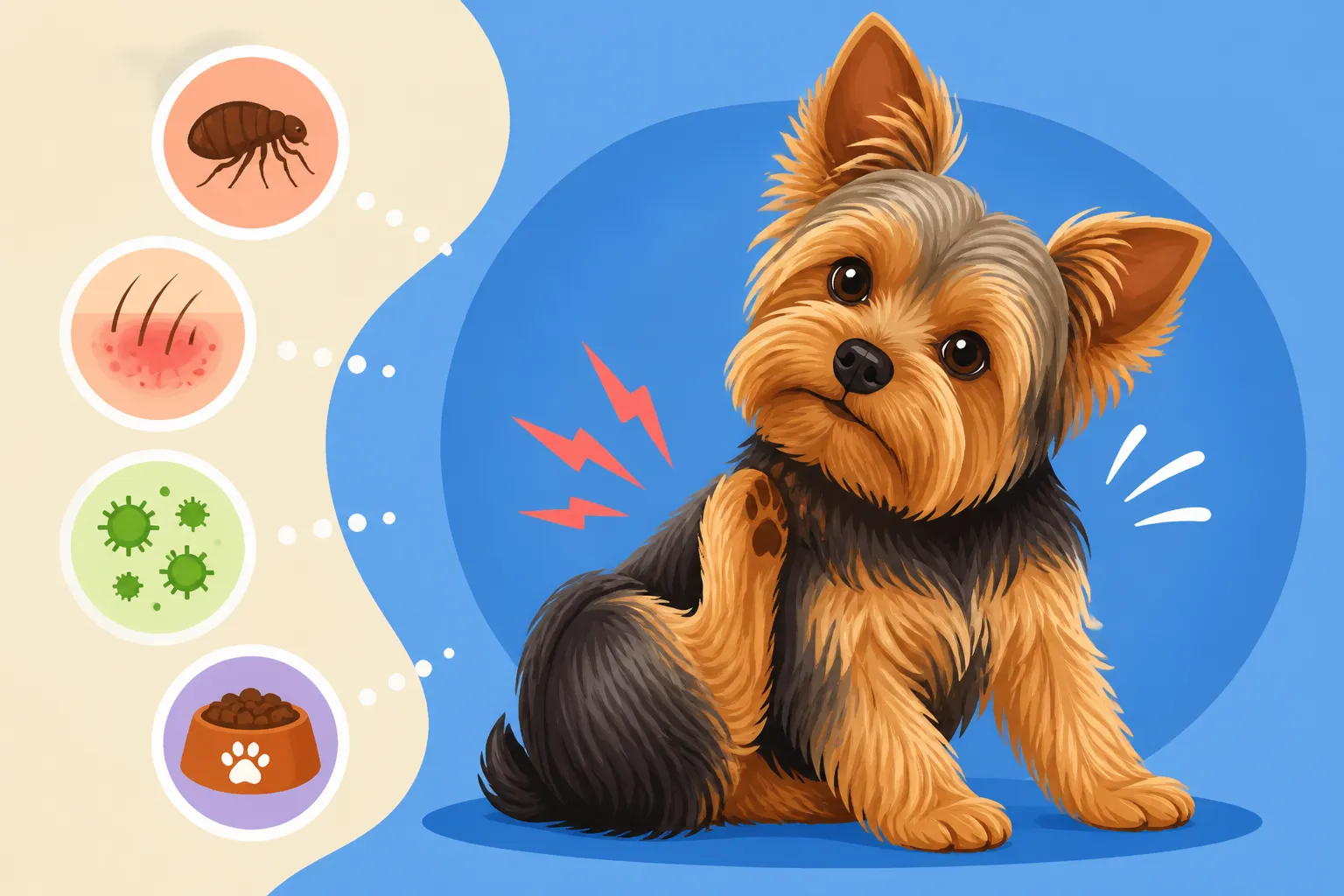
Parasites are a common and infuriating cause of itching in dogs, and our small, sensitive Yorkies are no exception. Even if your Yorkie is primarily an indoor dog, fleas, ticks, and mites can still find their way in, often hitching a ride on other pets, clothing, or even through an open door.
Fleas are notoriously irritating. These tiny, fast-moving insects can cause intense itching, leading your Yorkie to scratch, chew, and lick almost non-stop. You might notice little black specks on their skin or bedding – often referred to as "flea dirt," which is actually dried blood. Some Yorkies can develop an allergic reaction to flea saliva, known as Flea Allergy Dermatitis (FAD), where even a single flea bite can trigger a severe, widespread itch that feels utterly maddening for them. Regular flea prevention is key, whether it's a monthly topical treatment, an oral medication like Bravecto or NexGard, or a specialized collar.
Ticks, while less likely to cause generalized itching, can cause significant irritation at the site of their bite. If your Yorkie spends any time outdoors, especially in grassy or wooded areas, a thorough "tick check" after every outing is crucial. Ticks can transmit various diseases, so prompt removal is important. Always use tweezers to pull them straight out, avoiding squeezing the body, and make sure to get the head.
Mites, though microscopic, can cause some of the most intense and uncomfortable itching. Sarcoptic mites cause sarcoptic mange (scabies), which is incredibly contagious and characterized by severe itching, redness, hair loss, and scabs, often starting on the ears, elbows, and hocks. Demodex mites, which live naturally on dogs' skin, can overpopulate and cause demodectic mange when a dog's immune system is compromised, leading to patches of hair loss and skin irritation, though often less itchy than sarcoptic mange. Both require veterinary diagnosis through skin scrapes and specific treatments.
Dry Skin Blues
Sometimes, the simplest explanation is the right one. Just like humans, Yorkies can suffer from dry skin, especially during certain times of the year or if their diet isn't quite right. Dry skin often manifests as flakiness, a dull coat, and an itch that, while perhaps not as intense as a flea infestation, is persistent and uncomfortable.
Environmental factors often play a big role. In drier climates, or during winter when indoor heating zaps moisture from the air, a Yorkie's delicate skin can become parched. Over-bathing or using harsh shampoos that strip the skin of its natural oils can also contribute to dryness. You might notice little white flakes in their fur, similar to dandruff, and their skin might feel tight to the touch.
To combat dry skin, consider a few changes. Adding a humidifier to your home, especially where your Yorkie sleeps, can make a difference. Ensure you're using a high-quality, moisturizing dog shampoo specifically formulated for sensitive skin, and avoid bathing too frequently – typically every 2-4 weeks is sufficient for a Yorkie, depending on their activity level and coat type. Incorporating omega-3 and omega-6 fatty acid supplements into their diet, such as fish oil or flaxseed oil, can also do wonders for skin hydration and coat health from the inside out. Your vet can recommend reputable brands and proper dosages. A balanced, nutritious diet is foundational for healthy skin and coat, so make sure your Yorkie's food is top-notch.
Environmental and Allergic Triggers
Beyond parasites and simple dry skin, many Yorkies suffer from allergies, which can be frustratingly difficult to pinpoint and manage. These can stem from things in their environment or even the food they eat. Understanding these triggers is crucial for long-term relief.
Environmental Allergies (Atopy)
Environmental allergies, medically known as atopy or atopic dermatitis, are a super common reason for relentless scratching in Yorkies. Just like some people get hay fever, dogs can react to airborne allergens like pollen from trees, grasses, and weeds, as well as dust mites, mold spores, and even dander from other animals. These allergies can be seasonal, flaring up in spring or fall, or year-round, depending on the specific allergen.
When a Yorkie has environmental allergies, the itching often concentrates on their paws (they'll lick and chew them incessantly), belly, ears, and face. You might notice red, inflamed skin, or recurrent ear infections. It’s not just about the external allergens; their immune system goes into overdrive, causing an inflammatory response that leads to that maddening itch. Diagnosing atopy usually involves ruling out other causes and might include blood tests or intradermal skin testing performed by a veterinary dermatologist.
Management often involves a multi-pronged approach. Antihistamines, fatty acid supplements, and medicated shampoos can provide some relief. For more severe cases, your vet might prescribe corticosteroids (used cautiously due to side effects) or newer medications like Apoquel or Cytopoint, which specifically target the itch pathway. For long-term solutions, immunotherapy (allergy shots or oral drops) can desensitize your Yorkie to specific allergens over time. It’s a commitment, but it can offer significant relief. For more in-depth information, you can check out our guide on Yorkie Allergies: Signs and Relief.
Contact Dermatitis
Another type of allergy is contact dermatitis, which occurs when your Yorkie's skin directly touches an irritating substance. Unlike environmental allergies that are inhaled, contact dermatitis is a direct skin reaction. This could be anything from harsh cleaning chemicals on your floors to certain fabrics in their bedding, or even plants and grasses in your yard.
The itching and redness associated with contact dermatitis are typically localized to the area that came into contact with the irritant. For instance, if your Yorkie is reacting to a new laundry detergent used on their bed, you might see a rash on their belly or flanks. If they're sensitive to a certain type of grass, their paws might be inflamed after a walk.
Identifying the specific allergen can be a bit like detective work. Think about any new products you've introduced, changes in their environment, or places they've recently been. Once identified, removing the allergen is the primary solution. Switching to hypoallergenic, pet-safe cleaning products, using natural fiber bedding, or even putting booties on your Yorkie for walks on questionable terrain can help. Your vet might recommend soothing baths with colloidal oatmeal shampoos or topical steroid creams to calm the immediate irritation.
Food Allergies and Sensitivities
While often mistaken for environmental allergies, food allergies are distinct and typically less common, yet they can cause persistent, year-round itching. Unlike food sensitivities, which cause digestive upset, true food allergies involve an immune response to a protein in their food.
The symptoms of food allergies can overlap with environmental allergies, presenting as chronic itching, skin infections, and ear infections. However, food allergies often come with gastrointestinal signs as well, such as vomiting, diarrhea, or excessive gas. Common culprits include proteins like chicken, beef, dairy, wheat, and soy. It’s important to distinguish between an allergy and a sensitivity, as the approach to treatment differs.
Diagnosing a food allergy requires a strict elimination diet, which is the gold standard. This involves feeding your Yorkie a novel protein (one they've never eaten before, like duck or venison) or a hydrolyzed protein diet (where the proteins are broken down so small that the immune system doesn't recognize them as allergens) for 8-12 weeks. During this time, absolutely no other food, treats, or table scraps can be given. If symptoms improve, then a "challenge" phase is introduced, reintroducing old foods one by one to pinpoint the allergen. Once identified, the solution is to strictly avoid that ingredient. You can learn more about specific dietary needs in our guide on Yorkshire Terrier Food For Allergies.
Internal Factors and Deeper Skin Issues
Sometimes, the cause of your Yorkie’s scratching isn't just external or allergic but stems from deeper issues within their body, like infections or hormonal imbalances. These often require a vet’s keen eye and diagnostic tools to uncover.
Skin Infections: Bacterial and Yeast
Chronic scratching, whether initiated by parasites, allergies, or dry skin, can unfortunately lead to secondary skin infections. When your Yorkie scratches, licks, or chews excessively, they break the skin barrier, allowing bacteria and yeast, which normally live harmlessly on the skin, to overgrow and cause problems.
Bacterial skin infections, often called pyoderma, manifest as red bumps, pustules, scabs, and areas of hair loss. The skin can become quite inflamed and painful, and you might notice a distinct odor. These infections are incredibly itchy in their own right, creating a vicious cycle where scratching leads to infection, and infection leads to more scratching. They commonly appear in skin folds, on the belly, or around the face and paws.
Yeast infections, primarily caused by the Malassezia pachydermatis yeast, often accompany bacterial infections or allergies. A yeast infection will typically present with greasy skin, a strong, musty odor, and often a brownish discharge in the ears or between the paw pads. The skin can become thickened and darkened over time, a condition sometimes referred to as "elephant skin."
Both bacterial and yeast infections require veterinary diagnosis, often involving a skin scrape or cytology (examining skin cells under a microscope) to identify the culprit. Treatment typically includes medicated shampoos designed to kill bacteria or yeast, often prescribed daily or every other day initially. Oral antibiotics or antifungals may also be necessary for more severe or widespread infections. Addressing the underlying cause of the initial itch is crucial to prevent recurrence.
Hormonal Imbalances
Believe it or not, internal hormonal imbalances can also manifest as skin problems, including itching, hair loss, and changes in coat quality. While less common than allergies or parasites, they are important to rule out, especially if other causes have been exhausted.
Two of the more common hormonal conditions that can affect a Yorkie's skin are hypothyroidism and Cushing's disease. Hypothyroidism, where the thyroid gland doesn’t produce enough thyroid hormone, can lead to a dull, dry, and brittle coat, hair loss (often symmetrical on the flanks), and sometimes secondary skin infections due to weakened skin immunity. The itching might be mild to moderate, but the overall skin health declines significantly.
Cushing's disease, or hyperadrenocorticism, results from the body producing too much cortisol. This can lead to thin, fragile skin, hair loss (again, often symmetrical, particularly on the trunk), and a pot-bellied appearance. Yorkies with Cushing's may also experience increased thirst and urination, and their skin can become prone to bacterial infections, which cause itching.
Diagnosing hormonal issues involves specific blood tests to measure hormone levels. Once diagnosed, treatment typically involves lifelong medication to manage the hormone imbalance. For hypothyroidism, a daily thyroid supplement is usually prescribed, while Cushing's may require medication to reduce cortisol production. Addressing these underlying conditions is essential for improving skin health and relieving the associated itching. You can find more details on this topic in our article on Yorkshire Terrier Hypothyroidism: Signs and Care.
| Common Itching Cause | Key Symptoms | Initial Home Action | When to See a Vet |
|---|---|---|---|
| Fleas | Relentless scratching, biting, black "flea dirt" on coat/bedding. | Check for fleas with a fine-toothed comb. Use an over-the-counter flea treatment if none present and no existing skin issues. Bathe with gentle flea shampoo. | If flea treatment doesn't resolve itching, severe scratching, skin irritation, or if your Yorkie shows signs of FAD (extreme itch from just a few bites). |
| Dry Skin | Flaky skin, dull coat, mild but persistent itching, especially in dry weather. | Introduce a humidifier. Use moisturizing dog shampoo, not human products. Add omega-3 supplements to food. Ensure high-quality diet. | If dryness persists despite home care, or if skin becomes red, inflamed, or develops sores, indicating a deeper issue. |
| Environmental Allergies | Licking paws, rubbing face, scratching ears, belly, and armpits. Often seasonal or triggered by specific indoor/outdoor environments. | Regular gentle paw cleaning after walks. Antihistamines (consult vet for dosage). Hypoallergenic shampoo. | Persistent itching, skin redness, ear infections, hair loss, or if over-the-counter remedies provide no relief. A vet can diagnose atopy and discuss prescription options. |
| Food Allergies | Chronic itching, often accompanied by GI issues (vomiting, diarrhea), ear infections. Symptoms are year-round. | Avoid common allergens (chicken, beef, wheat) if possible. Do NOT try an elimination diet without vet guidance. | Any suspected food allergy. A vet can guide you through a proper elimination diet, which is critical for accurate diagnosis and avoiding nutritional deficiencies. |
| Skin Infections (Bacterial/Yeast) | Red bumps, pustules, scabs, strong odor, greasy skin, thickened skin, hair loss. Often secondary to scratching. | Gently clean affected areas with mild antiseptic wipes (if safe for pets). Prevent further scratching with a cone if necessary. | Immediately if you suspect an infection. These require veterinary diagnosis (skin scrapes, cytology) and prescription treatments like antibiotics or antifungals. Self-treating can worsen them. |
| Mites | Intense, often severe itching, hair loss, scabs, especially on ears, elbows, hocks. May be contagious to other pets/people (sarcoptic). | Isolate from other pets if sarcoptic mange is suspected. Avoid harsh scrubbing that might irritate skin further. | Any suspicion of mites. Early and accurate diagnosis via skin scrape is crucial for effective treatment, as different mites require different medications. |
When to Seek Veterinary Help for Your Scratching Yorkie
It's natural to try some home remedies when your Yorkie starts to itch, but there comes a point where professional intervention isn't just helpful – it's absolutely necessary. Knowing when to make that vet appointment can save your little companion a lot of discomfort and prevent minor issues from becoming major problems.
Recognizing Red Flags and Emergency Symptoms
While an occasional scratch is normal, certain signs should immediately raise a red flag and prompt a visit to your veterinarian. If your Yorkie's scratching becomes relentless, obsessive, or leads to self-mutilation (like chewing until their skin is raw or bleeding), it's a clear indicator that they are in significant distress and need help.
Look for physical changes to their skin: open sores, scabs, crusting, swelling, or any discharge (pus or a foul odor) are all signs of infection or severe irritation that can quickly worsen without proper treatment. Hair loss in patches or over large areas of their body is also a serious symptom. Observe their behavior beyond scratching; if they become lethargic, lose their appetite, hide, or show any other significant changes in personality alongside the itching, it could signal a systemic illness or severe discomfort. These kinds of symptoms are often among the Yorkie Emergency Symptoms to Never Ignore. Don't wait hoping it will clear up on its own; your Yorkie is relying on you.
The Importance of a Professional Diagnosis
You might be tempted to try every over-the-counter cream or home remedy you find online, and some might even offer temporary relief. However, without a professional diagnosis, you're essentially shooting in the dark. What looks like dry skin might actually be a complex allergic reaction, a mite infestation, or an underlying hormonal problem. Using the wrong treatment can not only be ineffective but could also exacerbate the condition, mask crucial symptoms, or delay the correct diagnosis, leading to more suffering for your Yorkie and potentially higher vet bills down the line.
Your veterinarian has the tools and expertise to accurately diagnose the root cause of the itching. This often involves a thorough physical exam, taking a detailed history from you (when did it start? What changes have occurred?), and running diagnostic tests. These tests might include skin scrapes to look for mites, fungal cultures to check for ringworm, cytology to identify bacterial or yeast infections, blood work to check for hormonal imbalances or allergies, and sometimes, even allergy testing or elimination diets for food allergies. They can differentiate between a primary skin condition and secondary infections, ensuring your Yorkie receives targeted and effective treatment. You can find out more about what a vet visit might entail in our guide on When to Take Your Yorkie to the Vet.
When faced with potential chronic conditions or extensive diagnostic work, many pet parents worry about the cost. This is where pet insurance like Healthy Paws can be a real lifesaver. It can help alleviate the financial burden of unexpected vet visits, diagnostic tests, and ongoing treatments for conditions like allergies or hormonal imbalances, ensuring you can always make the best health decisions for your Yorkie without stressing over the budget.
Long-Term Management and Prevention
Once a diagnosis is made and initial treatment is underway, the journey often shifts to long-term management and prevention. Many causes of chronic scratching, such as allergies or certain skin conditions, aren't "curable" in the traditional sense but are highly manageable with an ongoing partnership with your vet. This might mean regular check-ups, consistent medication, specialized diets, or specific grooming routines tailored to your Yorkie's needs.
For instance, if your Yorkie has environmental allergies, consistent use of anti-itch medications, allergy shots, or regular medicated baths might become part of their routine. If food allergies are diagnosed, strict adherence to a limited ingredient or hydrolyzed protein diet will be essential. Regular parasite control, even for indoor Yorkies, is a non-negotiable preventive measure. Proper How to Keep a Yorkshire Terrier Healthy involves not just reactive treatment but proactive prevention.
Investing in preventive care, quality food, and understanding your Yorkie's unique health profile can make a huge difference. Discuss with your vet the best year-round flea and tick prevention, consider annual bloodwork, and maintain a consistent grooming schedule. This proactive approach helps catch potential issues early, manage chronic conditions effectively, and ultimately ensures your Yorkie can live a comfortable, itch-free life. Being prepared for potential health challenges, perhaps with the support of pet insurance like Healthy Paws, allows you to focus on your Yorkie's well-being rather than financial worries.
Disclaimer
The information provided in this article is for general informational purposes only and is not a substitute for professional veterinary advice, diagnosis, or treatment. Always seek the advice of your veterinarian or other qualified animal health provider with any questions you may have regarding a medical condition or the health and welfare of your pet.