Why Is My Yorkie Shaking
It’s incredibly unnerving, isn't it? You look over at your beloved Yorkshire Terrier, and there they are, trembling, shaking, or shivering. Your heart immediately jumps into your throat, and a million questions race through your mind: are they cold? Are they scared? Or is something much more serious going on? This guide is here to unravel the mystery behind why your Yorkie might be shaking, offering peace of mind and clear steps for when it's time to worry.
Common and Often Harmless Reasons Your Yorkie Might Be Shaking
Let's start with the good news: sometimes, your Yorkie's shaking is perfectly normal and nothing to lose sleep over. These tiny dogs, with their big personalities, can often be quite expressive, and tremors are just one way they communicate. Understanding these benign causes can save you a lot of worry and unnecessary trips to the vet.
Excitement or Anxiety-Induced Tremors
Yorkshire Terriers are renowned for their vibrant, excitable nature. They’re often bundles of energy, and that energy has to go somewhere! When you walk through the door after a long day, or when you pull out their favorite squeaky toy, their little bodies can literally vibrate with joy. This is a common phenomenon with many small breeds; they get so intensely happy that their muscles just can't keep still. It’s like their internal happy meter goes off the charts!
On the flip side, their sensitive dispositions also mean they can easily become anxious. A sudden loud noise, a new person visiting your home, or even a change in routine can trigger a bout of shaking. Think about a thunderstorm rolling in: many Yorkies will instinctively seek comfort and might tremble as a way to process their fear. It’s their way of saying, "Hey, this is a bit much for me right now!" Observing the context of their shaking is key here. If it happens when the doorbell rings or during fireworks, it's likely a stress response.
Cold Weather Shivers
Despite their luxurious, flowing coats, Yorkshire Terriers are not built for cold weather. They have a single-layer coat, similar to human hair, rather than a double coat that provides insulation like many larger breeds. This means they don't have that extra layer of fuzz to keep them toasty. Couple that with their small body size and relatively low body fat, and they lose heat much faster than their larger canine counterparts.
You might notice them shivering even when you feel perfectly comfortable. This is a clear signal that they’re feeling chilly. Imagine taking a brisk walk in late autumn in New England; your Yorkie, trotting along beside you, could be feeling the bite of the wind much more intensely. Providing them with a cozy sweater or coat, ensuring they have warm bedding, and keeping your home at a comfortable temperature can make a huge difference in preventing these cold-induced shivers. Always remember, if you’re cold, your Yorkie is likely even colder!
High Metabolism and Blood Sugar Fluctuations
Yorkies, being a toy breed, possess a remarkably fast metabolism. This means they burn through energy sources, particularly glucose (blood sugar), at a much quicker rate than larger dogs. While this generally contributes to their high energy levels, it also makes them more susceptible to rapid drops in blood sugar, a condition known as hypoglycemia.
When their blood sugar dips, one of the primary physical manifestations can be trembling or shaking. It’s a vital sign that their body is running low on fuel. This is particularly common in puppies, who have even less reserve and are still developing their ability to regulate blood sugar. An adult Yorkie might experience this if they’ve gone too long between meals, especially after a burst of activity. Ensuring they eat small, frequent meals throughout the day can help keep their blood sugar levels stable and prevent these energy-related tremors.
Health Concerns Behind Your Yorkie's Shaking
While many instances of shaking are harmless, it's crucial to be aware that trembling can also be a symptom of underlying health issues. As a responsible Yorkie parent, knowing when to be concerned and seek professional help can literally be a lifesaver.
Hypoglycemia Low Blood Sugar
As mentioned, hypoglycemia is a significant concern for Yorkshire Terriers, especially puppies or those with certain health conditions. This isn't just about mild tremors from a skipped meal; severe hypoglycemia can be life-threatening. The shaking might be more intense, accompanied by a listless demeanor, disorientation, weakness, and even collapse. Imagine your Yorkie, usually so vibrant, suddenly looking vacant, struggling to stand, and uncontrollably shaking. That’s an emergency.
If you suspect Yorkie Hypoglycemia: Emergency Signs, you need to act fast. A quick fix can often be rubbing a small amount of honey, Karo syrup, or maple syrup on their gums. This provides a rapid glucose boost. However, even after they seem to recover, a vet visit is imperative to determine the root cause and establish a long-term management plan. Understanding How to Prevent Hypoglycemia in Yorkies through diet and routine is also critical for their ongoing well-being.
Pain or Discomfort
Dogs, being masters of stoicism, often hide their pain until it becomes severe. However, shaking can be an involuntary response to discomfort or pain, whether it’s acute from an injury or chronic from an underlying condition. If your Yorkie is shaking and also showing other signs like limping, sensitivity to touch, yelping, or reluctance to move, pain is a strong possibility.
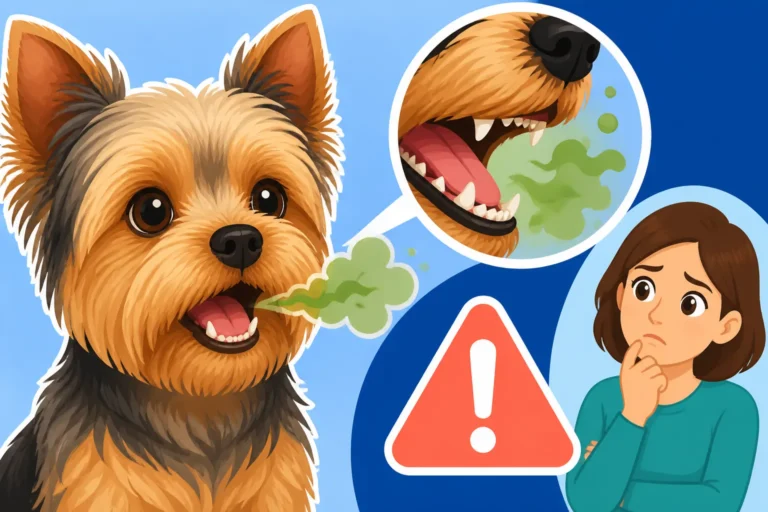
Dental issues are a surprisingly common source of pain in Yorkies that can lead to shaking. Severe tooth decay, gum disease, or an abscess can be incredibly painful, causing them to tremble. Ignoring Yorkie Dental Disease: Signs and Care can lead to more serious health problems. Always pay attention if they're hesitant to eat hard kibble or if you notice bad breath. Other sources of pain could be joint problems like luxating patella, back pain, or even an internal injury. Knowing How to Tell If a Yorkie Is in Pain is a skill every owner needs to develop.
Neurological Issues or Seizures
Shaking can sometimes be a sign of a neurological problem or seizure activity. Unlike general trembling, tremors related to neurological issues might be more rhythmic, involuntary, and localized to certain parts of the body. For instance, your Yorkie might have an idiopathic head tremor, where only their head shakes. While often benign, it’s still something to get checked out.
Seizures are a more serious neurological event. They can manifest in various ways, from subtle twitching or vacant stares to full-body convulsions with loss of consciousness. If your Yorkie is having a seizure, they might paddle their legs, drool excessively, or lose bladder/bowel control. If you witness your Yorkie having what appears to be a seizure, it’s a frightening experience. Documenting the duration and symptoms can be very helpful for your vet. Learning about Yorkshire Terrier Seizures: Signs and Care can equip you with the knowledge to respond appropriately.
Toxin Ingestion or Medication Side Effects
Unfortunately, our curious Yorkies can sometimes get into things they shouldn't. Ingesting toxins, such as certain household cleaners, human medications (even seemingly innocuous ones like ibuprofen or acetaminophen), pesticides, or toxic plants, can lead to a host of symptoms, including profound shaking, tremors, or convulsions. The shaking might be accompanied by vomiting, diarrhea, lethargy, excessive salivation, or hyperactivity.
Similarly, some medications prescribed by your vet might have side effects that include trembling. This is usually something your vet would discuss with you, but it’s always wise to monitor your dog closely after starting any new medication. If you suspect your Yorkie has ingested something harmful or is reacting poorly to medication, treat it as an emergency. Don't wait to see if they get better; call your vet or an emergency animal hospital immediately.
When to Seek Veterinary Attention for Your Shaking Yorkie
Deciding when a shake is just a shake and when it warrants a trip to the vet can be stressful. But there are definite indicators that signal it’s time to call in the professionals.
Identifying Warning Signs
It's not just the shaking itself, but the accompanying symptoms and the overall context that should guide your decision. Here’s a table outlining when shaking might be harmless versus when it's a cause for concern:
| Symptom Category | Potentially Harmless Shaking | Concerning Shaking |
|---|---|---|
| Context | Short-lived, after excitement/fear, in cold weather | Persistent, unexplained, worsening, unresponsive to comfort |
| Accompanying Symptoms | Alert, normal appetite, no other behavioral changes | Lethargy, weakness, vomiting, diarrhea, loss of appetite, disorientation, limping, pain, difficulty breathing, unresponsiveness |
| Duration | Brief, stops once the stimulus (cold, excitement) is removed | Prolonged, continuous, recurring frequently |
| Behavior | Responds to you, maintains normal playful demeanor | Hiding, aggressive, withdrawn, unresponsive, restless |
If you observe any of the "concerning shaking" signs, especially if they appear suddenly or worsen over time, it’s time to seek professional veterinary advice. For instance, if your Yorkie is shaking and also showing Signs Your Yorkshire Terrier Is Sick like unusual lethargy or changes in eating habits, that's a red flag. These small dogs are prone to some specific health issues, so prompt action can often make a big difference in the outcome. Knowing When to Take Your Yorkie to the Vet can give you a clear roadmap for action.
Preparing for Your Vet Visit
When you notice worrisome shaking, preparing for your vet visit can help your veterinarian diagnose the issue more efficiently. Jot down notes about when the shaking started, how long it lasts, how frequently it occurs, and what other symptoms you’ve observed. Did they eat something unusual? Did they just get a new medication? Any recent falls or bumps? Even small details can be critical clues for your vet.
It’s also helpful to consider if anything seems to make the shaking better or worse. For example, does it stop if you pick them up or offer them a treat? Does it intensify after exercise? If you can, take a video of your Yorkie shaking. Sometimes, seeing the actual tremor helps the vet immensely, especially if your Yorkie decides to be perfectly still during the examination. This preparation, along with potentially having pet insurance like Healthy Paws, can make the process smoother and less stressful, ensuring you can focus on your pet's well-being without immediate financial strain looming.
Management and Prevention Tips for a Shaking Yorkie
Beyond identifying the cause, there are many things you can do to manage and even prevent your Yorkie from shaking, ensuring they lead a happy, comfortable life.
Environmental Comfort and Safety
Creating a safe and comforting environment is paramount for a sensitive breed like the Yorkie. This means providing a warm, draft-free space for them to rest, especially during colder months. Consider investing in a quality pet bed with good insulation or even a heated bed if your home tends to be chilly. Small dog sweaters or coats are not just fashion statements; they serve a vital purpose in keeping your Yorkie warm outdoors.
For anxiety-induced shaking, identify and minimize triggers where possible. If thunderstorms are a problem, create a "safe zone" in a quiet room with their favorite blanket and some comforting music. ThunderShirts or calming diffusers (like Adaptil) can also be helpful for some dogs. Child-proofing your home to remove access to toxins or small objects they might ingest is crucial for their safety. Always supervise your Yorkie, especially when they're around potential hazards or unfamiliar environments, to prevent accidental ingestion or injuries.
Dietary Considerations
A consistent, high-quality diet plays a huge role in stabilizing your Yorkie's blood sugar and overall health, which in turn can prevent hypoglycemia-related shaking. Feed your Yorkie small, frequent meals throughout the day rather than one or two large ones. This approach helps maintain stable blood sugar levels. For growing puppies, who are particularly vulnerable to hypoglycemia, this is especially critical.
Choose a high-quality dog food specifically formulated for small breeds, as these typically have the right balance of nutrients and appropriate kibble size. You can learn more about Best Dog Food for Yorkshire Terriers and How Much to Feed a Yorkshire Terrier to ensure they're getting the right nutrition. If your Yorkie is prone to blood sugar dips, your vet might recommend having a glucose source like honey on hand for emergencies. Always consult your vet for personalized dietary recommendations, especially if your Yorkie has specific health concerns.
Regular Veterinary Check-ups
Regular preventive care is your best defense against many health issues, including those that manifest as shaking. Annual or biannual vet check-ups are essential for Yorkies, as they allow your veterinarian to catch potential problems early. During these visits, your vet can perform a thorough examination, including dental checks, and discuss any changes in your Yorkie's behavior or physical condition. This proactive approach is particularly beneficial given that Yorkshire Terrier Health Problems to Know often respond best to early intervention.
Think of it as your Yorkie’s wellness routine; it's not just for when they're sick but for keeping them healthy. These check-ups are also an excellent opportunity to discuss any subtle shaking you’ve noticed, even if you’re unsure if it’s serious. Your vet can provide tailored advice, conduct necessary diagnostics, and recommend appropriate preventative measures or treatments. Investing in a comprehensive pet insurance plan, such as one from Healthy Paws, can also provide peace of mind, knowing that you're prepared for unexpected veterinary costs, especially for ongoing care or emergencies.
Disclaimer
This article is intended for informational purposes only and does not constitute veterinary advice. Always consult with a qualified veterinarian for any health concerns or before making any decisions about your pet's health or treatment.