Yorkshire Terrier Dry Eye: Treatment Options
Finding out your precious Yorkshire Terrier is suffering from dry eye, or Keratoconjunctivitis Sicca (KCS), can be incredibly upsetting. It’s heartbreaking to see their little eyes red, irritated, and uncomfortable, knowing they're constantly battling a gritty, painful sensation. This isn't just a minor annoyance for them; it can lead to severe pain, recurring infections, and even vision loss if not properly addressed. This guide is here to walk you through the various treatment options available, from daily drops to advanced surgical interventions, helping you understand how to bring relief and protect your Yorkie’s sight and comfort.
Understanding Yorkshire Terrier Dry Eye KCS
Dry eye in Yorkshire Terriers, medically known as Keratoconjunctivitis Sicca (KCS), is a surprisingly common and persistent condition. It's not just about a lack of tears; it’s a specific problem where the tear glands either don't produce enough tears or the tears they do produce are of poor quality, failing to properly lubricate and protect the eye. Imagine having sand in your eyes all day, every day – that's often what a Yorkie with KCS experiences.
What is Keratoconjunctivitis Sicca KCS
KCS occurs when there's an insufficient quantity or quality of the aqueous (watery) component of the tear film. This tear film is critical; it’s a three-layered protective shield over the eye, composed of oil (outer layer), water (middle layer), and mucus (inner layer). Each layer plays a vital role in keeping the eye moist, flushing away debris, and delivering nutrients. When the watery layer is compromised, the eye becomes exposed, leading to chronic irritation, inflammation, and susceptibility to infection. This continuous lack of proper lubrication directly damages the corneal surface, which can lead to painful ulcers if left untreated.
Why Yorkies are Prone to Dry Eye
Yorkshire Terriers, along with several other small breeds like Shih Tzus and Westies, are genetically predisposed to developing KCS. This predisposition is often immune-mediated, meaning the body's own immune system mistakenly attacks and destroys the tear-producing glands. While genetics are a primary factor, other causes can contribute, such as certain medications (like sulfa drugs), systemic diseases (like hypothyroidism or canine distemper), neurological issues, or even trauma to the tear glands. It's a complex condition, and sometimes, despite our best efforts, it just seems to be part of their genetic makeup. Understanding these underlying vulnerabilities is the first step in effective management. You might also want to read up on other Common Yorkshire Terrier Genetic Conditions they can face.
Symptoms to Watch For
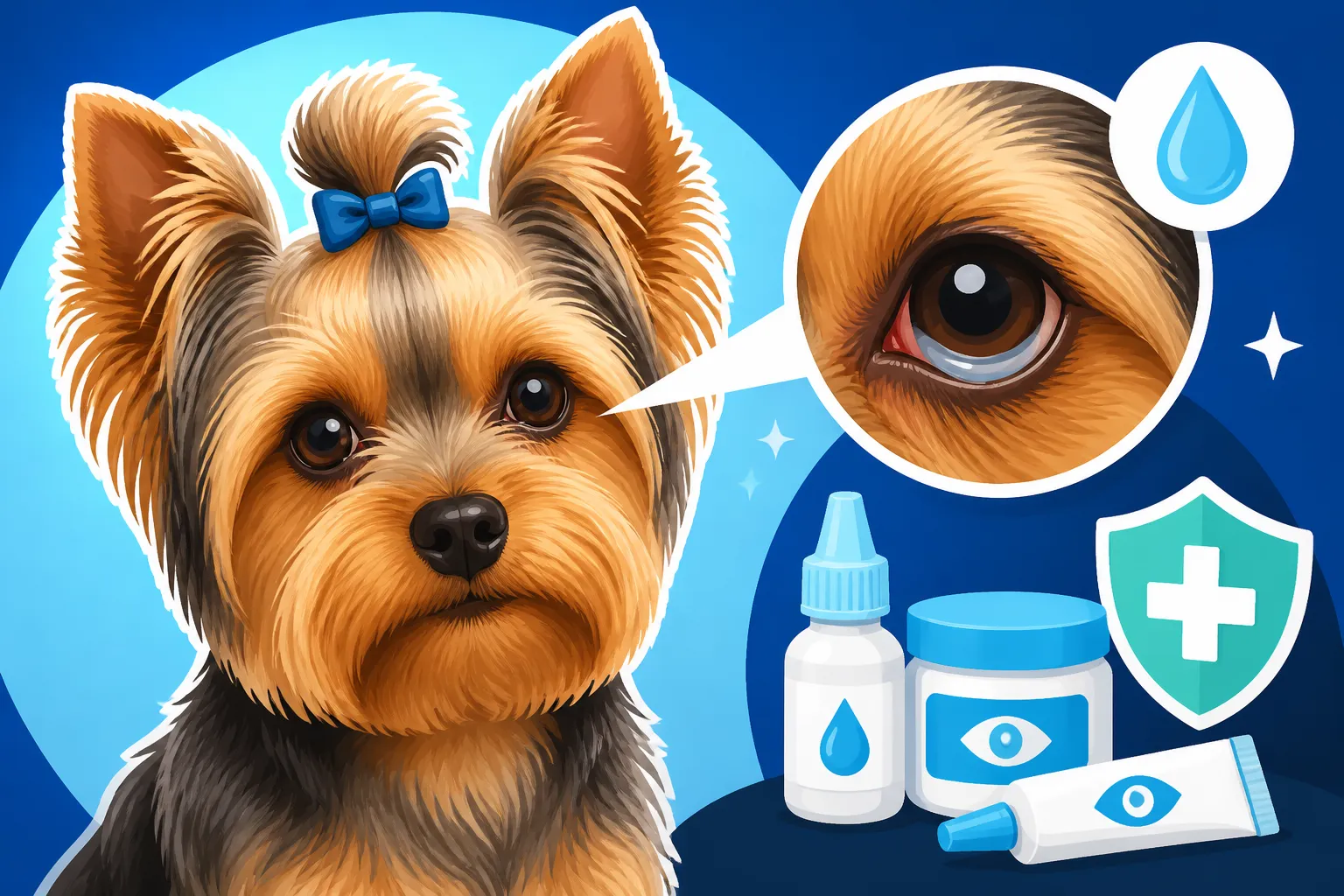
Recognizing the signs of dry eye early is crucial because prompt treatment can prevent more severe complications. Initially, you might notice your Yorkie frequently blinking or squinting, especially in bright light. Their eyes might appear red and inflamed, and you may see a thick, tenacious, yellowish-green discharge accumulating in the corners – this is often confused with regular "eye boogers" but it's distinct due to its stickiness and volume. Other symptoms include dull, cloudy, or hazy eyes, rubbing at their face, sensitivity to light, and in advanced cases, visible corneal ulcers or even pigmentation (a dark discoloration) on the surface of the eye. If you ever see your Yorkie showing these kinds of Signs Your Yorkshire Terrier Is Sick, it's always best to consult your vet immediately.
Medical Treatment Options for Dry Eye
Once KCS is diagnosed, often through a simple tear test called a Schirmer Tear Test, your veterinarian will likely start with a medical management plan. The goal of medical treatment is two-fold: to stimulate tear production and to supplement natural tears with artificial lubrication, while also addressing any secondary infections or inflammation.
Immunosuppressive Medications
The cornerstone of KCS treatment for many Yorkies involves immunosuppressive medications, primarily cyclosporine (Optimmune, Restasis) or tacrolimus (Protopic). These aren't just anti-inflammatory; they work by modulating the immune response that is attacking the tear glands, thereby stimulating the glands to produce more natural tears.
- Cyclosporine (Optimmune): This is often the first line of defense. It's usually given as an ophthalmic ointment or drops directly into the eye, typically twice a day. It takes time to see full effects, often several weeks to a month, so consistency is key. Owners often get frustrated if they don't see immediate results, but patience truly pays off here. Over time, many Yorkies will experience a significant increase in tear production, reducing the need for other types of drops.
- Tacrolimus (Protopic): For Yorkies who don't respond adequately to cyclosporine or need a stronger stimulus, tacrolimus eye drops might be prescribed. Tacrolimus is a more potent immunosuppressant and can often achieve tear production where cyclosporine falls short. Like cyclosporine, it requires consistent application and patience. The cost of these medications can be a concern for some pet parents, but many find that pet insurance providers like Healthy Paws can help manage these ongoing expenses, making sure your Yorkie gets the best care possible.
It's important to understand that these medications are often for life. Stopping them can lead to a relapse in dry eye symptoms. Regular follow-up appointments with your vet are essential to monitor tear production and adjust dosages as needed.
Artificial Tears and Lubricants
While immunosuppressive medications work on the underlying cause, artificial tears and lubricants provide immediate relief and critical protection for the dry eye. Think of them as a temporary bandage and moisturizer for the exposed surface of the eye.
- Water-based Artificial Tears: These are typically used multiple times a day, sometimes every hour in severe cases, to keep the eye moist and comfortable. Brands like Genteal, Refresh, or Systane are commonly recommended. They help wash away irritating debris and provide a temporary barrier against environmental irritants. While they offer symptomatic relief, they don't stimulate natural tear production, which is why they're usually used in conjunction with cyclosporine or tacrolimus.
- Gel or Ointment-based Lubricants: These products, such as Optixcare Eye Lube or Vetropolycin ophthalmic ointment (if infection is present), have a thicker consistency and provide longer-lasting lubrication. They are particularly useful before bedtime, as they stay on the eye for an extended period, protecting it overnight. However, their thicker consistency can temporarily blur vision, so many owners prefer using them when their Yorkie is less active. Combining artificial tears during the day with an ointment at night can create a comprehensive lubrication strategy. Maintaining good Yorkie Dry Eye Management often means a multi-faceted approach.
Antibiotics and Anti-Inflammatories
Dry, irritated eyes are a breeding ground for bacterial infections. The lack of natural tears means the eye loses its natural antibacterial defenses. Therefore, antibiotics are frequently prescribed, especially during initial diagnosis or flare-ups, to clear any secondary bacterial infections that may be present.
- Topical Antibiotics: Ointments or drops containing antibiotics like tobramycin, erythromycin, or gentamicin are common. They are used for a limited period to resolve existing infections, which can often be indicated by an increase in pus-like discharge or severe redness.
- Topical Anti-Inflammatories: Beyond the immunosuppressants, sometimes additional anti-inflammatory drops, usually containing corticosteroids, are used to quickly reduce severe inflammation. However, corticosteroids must be used with extreme caution if there is any suspicion of a corneal ulcer, as they can worsen the ulcer and delay healing. Your vet will always stain your Yorkie’s eye (fluorescein stain test) to rule out ulcers before prescribing steroid drops. For ongoing inflammation, the immunosuppressive drugs typically handle that aspect.
This table summarizes common medical treatment options:
| Treatment Type | Examples | Primary Action | Frequency/Duration | Notes |
|---|---|---|---|---|
| Immunosuppressants | Cyclosporine (Optimmune), Tacrolimus (Protopic) | Stimulates natural tear production, modulates immune system | 1-2 times daily, long-term | Cornerstone therapy, results seen over weeks, lifelong treatment often required. |
| Artificial Tears/Lubricants | Genteal, Refresh, Systane (drops), Optixcare (gel) | Provides immediate moisture, protects cornea, flushes debris | Multiple times daily (hourly if severe) | Symptomatic relief, used in conjunction with immunosuppressants. Gels/ointments for longer-lasting effect. |
| Topical Antibiotics | Tobramycin, Erythromycin, Gentamicin | Treats/prevents secondary bacterial infections | 2-4 times daily, short-term | Used when infection is present; crucial due to compromised natural defenses. |
| Topical Anti-inflammatories | Dexamethasone, Prednisolone (corticosteroids) | Reduces acute inflammation | Varies, short-term | Use with caution; never if corneal ulcer is suspected without vet supervision. Immunosuppressants handle chronic inflammation. |
Surgical Treatment Options for Severe Dry Eye
While most Yorkies with KCS can be managed effectively with medical treatments, there are cases where medical therapy isn't enough, or the condition is so severe it requires a different approach. For these situations, surgery becomes a viable option to provide relief and protect vision.
Parotid Duct Transposition
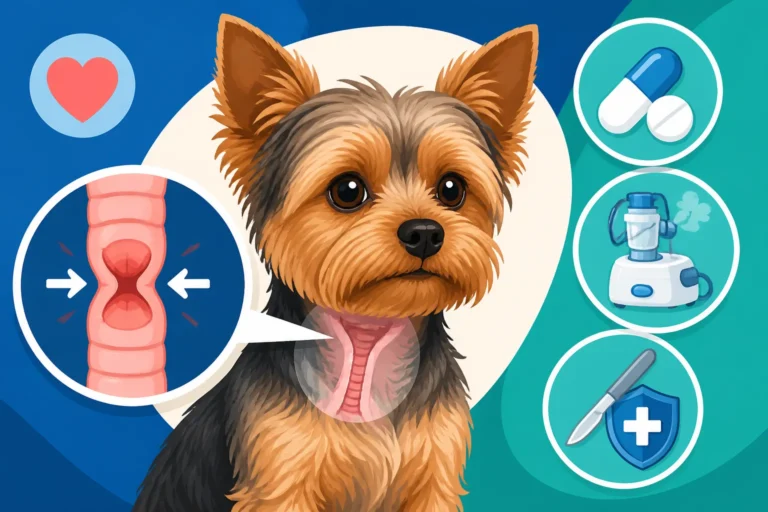
The most common surgical intervention for severe KCS unresponsive to medical therapy is called Parotid Duct Transposition (PDT). This procedure is a brilliant workaround for eyes that can't produce their own tears. Essentially, the surgeon reroutes the parotid salivary gland duct, which normally releases saliva into the mouth, to instead open into the lower eyelid.
- How it Works: The idea is to use saliva to lubricate the eye instead of tears. Saliva, while not exactly the same as tears, contains similar components that can help keep the eye moist and comfortable. The rerouted duct continuously bathes the eye with saliva, preventing dryness. This is a delicate procedure, often performed by a veterinary ophthalmologist, which is a specialized vet focusing solely on eye health.
- Potential Complications and Aftercare: While often successful, PDT isn't without its challenges. Because saliva is different from tears, the eye might sometimes be too wet, leading to excessive moisture around the eye and potentially skin irritation or even calcium deposits on the cornea. Regular cleaning and careful monitoring are essential after surgery. Your vet might also recommend specific post-operative drops or ointments to aid healing and manage any issues that arise. It’s a significant commitment, but for many Yorkies, it offers a dramatic improvement in comfort and eye health when other options have failed.
When is Surgery Considered
Surgery for KCS is usually a last resort, considered only after a thorough trial of medical management has proven insufficient. It's a big decision, and your vet will guide you through the pros and cons.
- Failed Medical Management: If your Yorkie's tear production remains critically low despite consistent and appropriate use of cyclosporine or tacrolimus, and the eyes continue to suffer from chronic irritation, recurrent infections, or corneal damage, PDT may be recommended. This is often after several months of dedicated medical therapy.
- Severe Corneal Damage: In some cases, KCS can lead to severe and persistent corneal ulcers, significant corneal scarring, or pigmentation that impairs vision. If these conditions are progressing despite medical treatment, surgery might be necessary to prevent further deterioration and preserve as much vision as possible. For instance, if your Yorkie is diagnosed with Yorkshire Terrier Progressive Retinal Atrophy: Signs and Care, which can also affect vision, adding severe KCS on top makes managing their eye health even more critical.
- Owner Compliance Challenges: While less common, if an owner genuinely struggles with the frequent and consistent application of eye drops over the long term, and the dog's quality of life is suffering, surgery might be discussed as a more "set-and-forget" solution, though it still requires diligent post-operative care.
Long-Term Management and Home Care for Dry Eye
Treating KCS isn't a one-time fix; it's an ongoing journey of management and care to ensure your Yorkie remains comfortable and healthy. It requires dedication, consistency, and a close partnership with your veterinarian. Think of it as a marathon, not a sprint, where daily habits make all the difference.
Ongoing Monitoring and Vet Visits
Regular veterinary check-ups are paramount for a Yorkie with KCS. This isn't just about refilling prescriptions; it’s about actively monitoring their progress and adjusting treatment as needed.
- Schirmer Tear Test Rechecks: Your vet will periodically perform a Schirmer Tear Test to measure tear production. This helps gauge the effectiveness of the medications and determine if dosages need to be increased, decreased, or if a different medication (like switching from cyclosporine to tacrolimus) should be tried. These tests might initially be every few weeks, then spaced out to every 3-6 months once the condition is stable.
- Eye Examinations: Beyond tear tests, the vet will thoroughly examine your Yorkie's eyes to look for signs of inflammation, infection, corneal ulcers, or any other complications. They might use special dyes to check for corneal damage. These regular assessments are vital to catch any issues early, preventing minor problems from escalating into severe, painful conditions. Choosing a vet who is experienced with small breeds and eye conditions can make a significant difference in your Yorkie's long-term outcome. If you are still figuring out your pup's care, consider our guide on How to Choose a Vet for a Yorkie.
- Medication Adjustments: Based on the monitoring, your vet might adjust the type, frequency, or dosage of eye drops. Sometimes, an underlying condition, like hypothyroidism, needs to be addressed simultaneously. This comprehensive approach is what truly keeps KCS under control and prevents flare-ups.
Home Care and Preventative Measures
While medical treatment is essential, daily home care routines play an equally critical role in managing dry eye and enhancing your Yorkie’s comfort. Consistency is your best friend here.
- Consistent Eye Drop Application: This is non-negotiable. Missing doses can quickly lead to a regression in tear production and a return of uncomfortable symptoms. Establish a routine and stick to it, making it as pleasant an experience as possible for your Yorkie with treats and praise.
- Regular Eye Cleaning: The thick, ropey discharge characteristic of KCS can accumulate around the eyes, leading to irritation and potential skin issues. Gently clean your Yorkie's eyes several times a day using a soft, damp cloth or veterinary-approved eye wipes. This not only keeps them comfortable but also ensures the eye drops can penetrate effectively. You can learn more about general eye care in our article on Yorkie Eye Problems Explained.
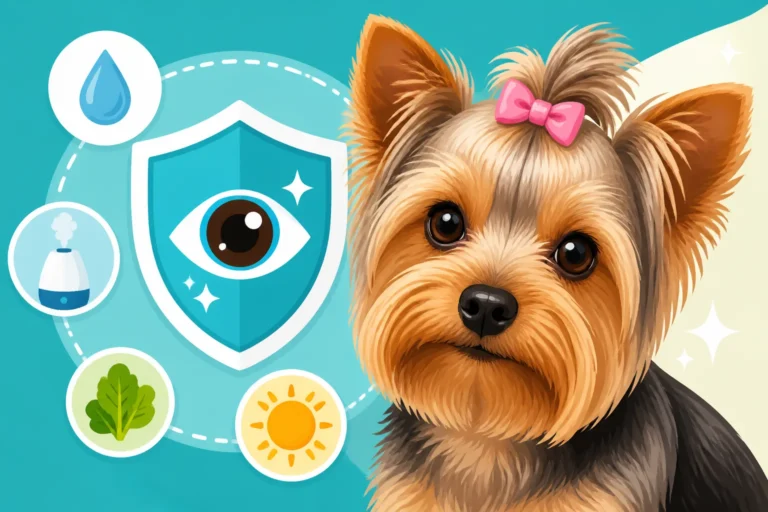
- Environmental Management: Protect your Yorkie's eyes from irritants. Avoid smoky environments, strong winds, and excessive dust. During walks, especially on windy days, consider doggy goggles (Doggles) to provide a physical barrier. Air purifiers in the home can also help reduce airborne allergens and irritants.
- Grooming and Hair Care: Keep the hair around your Yorkie's eyes trimmed short to prevent it from irritating the corneal surface or wicking away tears. A regular visit to the groomer or careful at-home trimming is important. This is a crucial part of Yorkshire Terrier Grooming Guide that many owners overlook.
- Hydration: Ensure your Yorkie always has access to fresh, clean water. While hydration won't directly cure dry eye, overall good health and hydration support all bodily functions, including tear production.
Addressing Underlying Causes
Sometimes, dry eye isn't just an isolated immune-mediated condition but a symptom of a larger health issue. A holistic approach means looking beyond the eyes themselves.
- Systemic Diseases: Conditions like hypothyroidism or Cushing’s disease can contribute to or worsen KCS. If your vet suspects an underlying systemic issue, they will recommend appropriate diagnostic tests and treatment. Managing these concurrent conditions can significantly improve KCS symptoms. This highlights why understanding the full scope of Yorkshire Terrier Health Problems to Know is so important.
- Medication Review: If your Yorkie is on any other medications, discuss them with your vet. Certain drugs can have side effects that reduce tear production. Your vet might be able to switch to an alternative medication if this is identified as a contributing factor.
- Nutrition and Supplements: While not a primary treatment, some supplements can support overall eye health. Omega-3 fatty acids, found in fish oil, have anti-inflammatory properties that might be beneficial. Always discuss any dietary changes or supplements with your vet to ensure they are safe and appropriate for your Yorkie. A high-quality diet is fundamental to their overall well-being and can be explored further in our Best Dog Food for Yorkshire Terriers article.
Living with a Yorkie who has dry eye means becoming an expert in their daily eye care. It can feel overwhelming at first, but with a consistent routine, regular veterinary support, and perhaps the financial peace of mind from pet insurance like Healthy Paws, your little companion can lead a comfortable, happy life despite their condition.
Financial Considerations for Dry Eye Treatment
Caring for a Yorkie with chronic dry eye can certainly add up, and it's something every pet parent should be prepared for. From ongoing medication costs to specialist visits, these expenses are a reality.
Medication Costs and Ongoing Care
The primary cost associated with KCS is often the immunosuppressive eye drops, like cyclosporine or tacrolimus. These medications are not inexpensive, and because they are often needed for life, the monthly expense can be significant. A single tube of Optimmune ointment, for example, can range from $40-$80 and may last anywhere from 2 weeks to a month depending on dosage. Tacrolimus is often compounded and can be similarly priced or even higher.
- Recurring Expenses: Beyond the main medications, you'll also factor in costs for artificial tears, which might be needed multiple times a day, and potentially periodic antibiotic or anti-inflammatory drops if flare-ups occur. Routine cleaning supplies like eye wipes also add to the budget. This continuous need means that careful budgeting is key. You can get a clearer picture of what you might spend by looking at a general breakdown of Yorkshire Terrier Vet Costs and Health Budget.
- Specialist Consultations: If your Yorkie's dry eye is severe or unresponsive to initial treatment, your primary vet might recommend a consultation with a board-certified veterinary ophthalmologist. Specialist fees are typically higher than general practice visits, but their expertise can be invaluable for complex cases or surgical considerations.
The Role of Pet Insurance
This is where pet insurance can truly shine, especially for chronic conditions like KCS. Plans from providers like Healthy Paws often cover a significant portion of diagnostic tests, prescription medications, and even specialist care related to ongoing health issues.
- Financial Relief: Having a good pet insurance policy in place before a chronic condition like KCS is diagnosed can offer immense financial relief. Instead of facing hundreds of dollars in monthly medication costs or thousands for potential surgery, you'd typically pay your deductible and then a percentage of the remaining bill, based on your plan's reimbursement rate (e.g., 70-90%).
- Peace of Mind: Knowing that you have financial support allows you to make treatment decisions based on what's best for your Yorkie, rather than solely on what you can afford out-of-pocket. This peace of mind is invaluable when dealing with the emotional stress of a pet's chronic illness. However, it's crucial to remember that pre-existing conditions are generally not covered, so getting insurance early in your Yorkie's life is always the smartest move.
Conclusion
Managing Yorkshire Terrier dry eye (KCS) is undoubtedly a commitment, but with the right information and a proactive approach, you can significantly improve your beloved companion's quality of life. From daily eye drops that stimulate tear production and provide essential lubrication to, in rarer cases, surgical interventions like parotid duct transposition, a range of effective treatment options exists. Consistent home care, regular vet check-ups, and a watchful eye for any changes in their symptoms are all vital components of long-term success. While the journey might involve ongoing care and financial planning—which can be made easier with support from pet insurance like Healthy Paws—the comfort and continued sparkle in your Yorkie's eyes are truly priceless.
Disclaimer
This article is intended for informational purposes only and does not constitute medical advice. Always consult with a qualified veterinarian for any health concerns or before making any decisions about your pet's medical care.