Yorkshire Terrier Tracheal Collapse: Treatment Options
It’s truly heartbreaking to witness your beloved Yorkshire Terrier struggling with a persistent cough, especially when it sounds like a goose honk or a desperate gasp for air. That distinct, troubling cough is often a tell-tale sign of tracheal collapse, a common and often distressing condition for our small, spirited companions. When your furry family member is experiencing this, you're not just looking for temporary relief; you're seeking real solutions. This comprehensive guide will walk you through the various treatment options available for Yorkshire Terrier tracheal collapse, from conservative medical management to advanced surgical interventions, helping you understand each path so you can make the most informed decisions for your little one's health and comfort.
Understanding Tracheal Collapse in Yorkshire Terriers
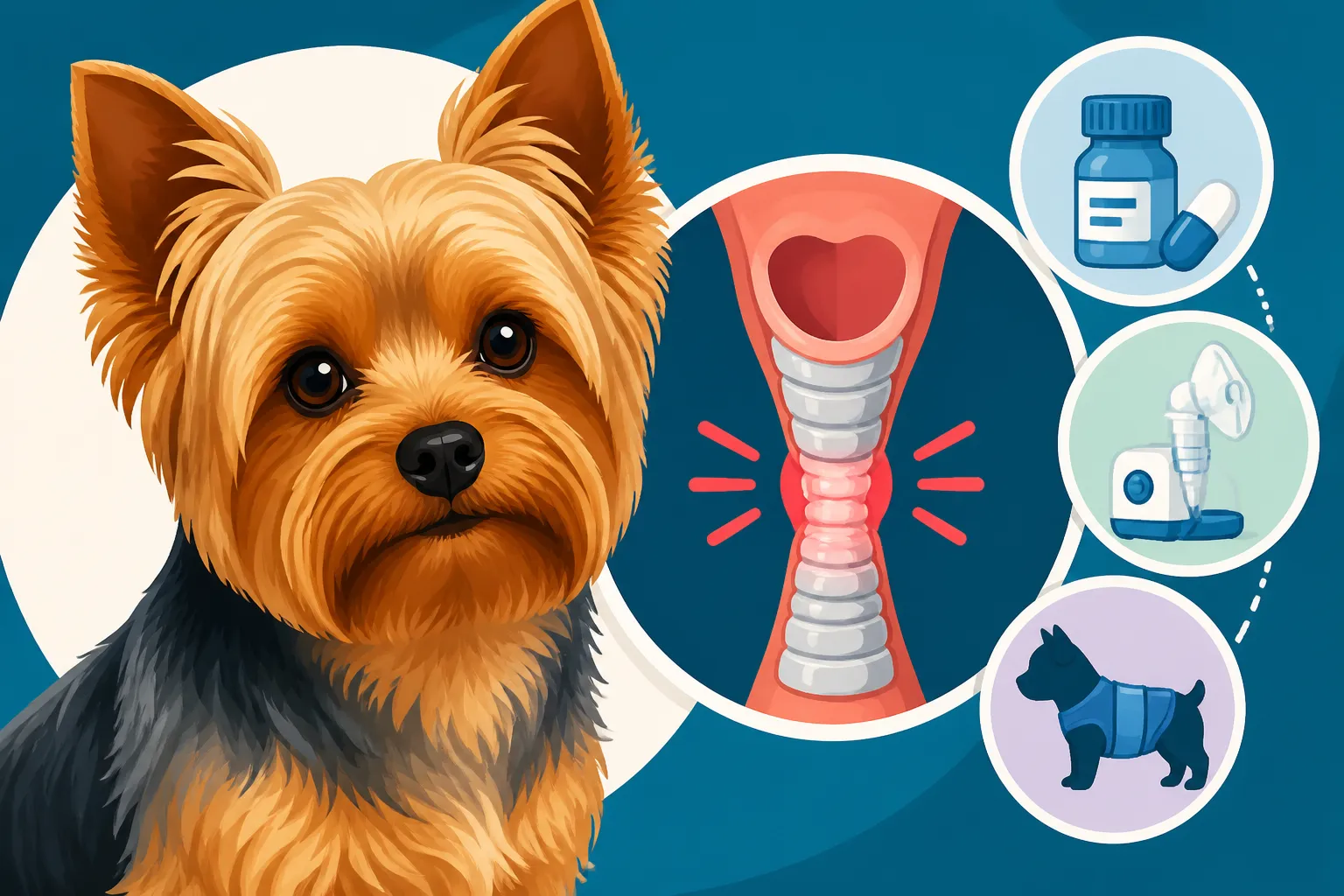
Before we dive into the treatment specifics, it’s important to understand what tracheal collapse actually is. Imagine your Yorkie's windpipe, or trachea, as a strong, rigid tube that carries air to and from their lungs. In dogs with tracheal collapse, the cartilage rings that support this tube weaken and flatten, much like a collapsing vacuum cleaner hose. This can happen anywhere along the trachea, from the neck to deep within the chest, making breathing difficult and leading to that characteristic dry, harsh cough. While it can affect any breed, Yorkshire Terriers are unfortunately predisposed to this condition, often due to genetics and their unique tracheal structure.
The severity of tracheal collapse can vary greatly, from mild, intermittent coughing to severe respiratory distress that requires emergency veterinary care. Factors like excitement, exercise, eating or drinking, pulling on a collar, or even changes in humidity can trigger or worsen episodes. Recognizing the signs of tracheal collapse is crucial for early intervention. If you've been noticing a persistent cough or your Yorkie seems to be struggling with their breathing, it's important to consult with your veterinarian promptly. Getting an early diagnosis is key to exploring the most effective treatment options and improving your Yorkie's quality of life. For more detailed information, you might find our article on Yorkshire Terrier Collapsing Trachea: Signs and Care incredibly helpful.
Medical Management for Tracheal Collapse
For many Yorkies, especially those with mild to moderate tracheal collapse, conservative medical management is often the first line of treatment. The goal here isn't to reverse the collapse, but to reduce inflammation, alleviate symptoms, and improve your dog's overall comfort and breathing. This approach typically involves a combination of medications and lifestyle adjustments designed to minimize triggers and support respiratory function.
It’s a journey that requires patience and a close partnership with your veterinarian, as finding the right cocktail of medications and the correct dosages can sometimes take a bit of trial and error. Remember, the aim is to manage the condition effectively so your Yorkie can enjoy their daily life with as little discomfort as possible.
Medications to Alleviate Symptoms
A variety of medications can be prescribed to manage the symptoms associated with tracheal collapse. Your vet will assess your Yorkie's specific needs and tailor a regimen accordingly.
- Cough Suppressants: These are often the cornerstone of medical management. Drugs like hydrocodone, butorphanol, or dextromethorphan help to quiet that incessant cough, giving your Yorkie's irritated trachea a much-needed break. Reducing the frequency and intensity of coughing can also prevent further irritation and inflammation, breaking a vicious cycle. It's not about stopping all coughing, which is a natural reflex, but about managing excessive and unproductive coughing that causes distress.
- Anti-Inflammatories: Steroids, such as prednisone, are frequently used to reduce inflammation and swelling in the trachea and surrounding tissues. This can help open the airway and make breathing easier. While highly effective, long-term steroid use needs to be carefully monitored by your vet due to potential side effects like increased thirst, urination, appetite, and more serious issues if not managed properly. Non-steroidal anti-inflammatory drugs (NSAIDs) might also be considered in some cases, but typically steroids are preferred for their potent anti-inflammatory action on the respiratory system.
- Bronchodilators: These medications, like aminophylline or theophylline, work by relaxing the muscles around the airways, making them wider and allowing air to flow more freely. While their direct effect on the collapsed trachea itself might be limited, they can be very beneficial in addressing secondary bronchoconstriction (narrowing of the smaller airways) that often accompanies tracheal collapse, especially in cases where there's concurrent bronchitis or asthma-like symptoms.
- Sedatives/Anxiolytics: Sometimes, the stress and anxiety associated with difficulty breathing can exacerbate coughing spells. Mild sedatives or anxiolytics can help keep your Yorkie calm, reducing episodes triggered by excitement or fear. This can be particularly useful during acute flare-ups or for dogs who become very anxious when struggling to breathe.
- Antibiotics: If a secondary bacterial infection is suspected or confirmed (which can worsen coughing and inflammation), antibiotics will be prescribed. It's important to complete the full course of antibiotics even if your Yorkie seems to improve quickly, to ensure the infection is fully eradicated.
Environmental and Lifestyle Modifications
Beyond medications, making strategic changes to your Yorkie's environment and daily routine can significantly contribute to their comfort and reduce the frequency and severity of tracheal collapse episodes. These adjustments are often just as critical as the medications themselves.
- Weight Management: This is paramount. Excess weight puts additional strain on the respiratory system and abdominal pressure can further compress the trachea. Even a few extra pounds can make a huge difference for a small dog like a Yorkie. Working with your vet to achieve and maintain a healthy weight through a balanced diet and appropriate exercise is one of the most impactful things you can do. Our guide on How to Keep a Yorkshire Terrier Healthy offers broader advice on maintaining optimal well-being.
- Harness vs. Collar: A traditional neck collar can put direct pressure on the trachea, especially when your Yorkie pulls on the leash, directly leading to a collapse episode. Switching to a chest harness is a simple yet incredibly effective modification. A well-fitting harness distributes pressure across the chest and shoulders, completely bypassing the delicate trachea. This small change can prevent countless coughing fits during walks.
- Managing Environmental Irritants: Just like in humans, smoke, dust, allergens, and strong chemical fumes can irritate your Yorkie's airways and trigger coughing. If you smoke, it's crucial to do so away from your pet. Using air purifiers in your home can help reduce airborne allergens and dust. Avoid harsh cleaning products, scented candles, and air fresheners that can release irritating chemicals. Even changes in humidity can play a role, so maintaining a comfortable indoor environment is beneficial.
- Stress and Excitement Reduction: Yorkies are known for their lively personalities, but too much excitement can lead to rapid breathing and coughing. While you don't want to completely curb their joy, learning to manage high-energy situations and providing a calm environment can help. This might involve shorter play sessions, gentle encouragement, and avoiding situations that predictably trigger over-excitement. For some dogs, this might also mean adjusting their routine to minimize periods of being left alone, if separation anxiety is a trigger for their panting and distress.
Surgical Interventions for Tracheal Collapse
When medical management no longer effectively controls the symptoms or when the collapse is severe and life-threatening, surgical intervention may become the best or only option. It's a significant decision, and one that requires careful consideration with a veterinary specialist, often a board-certified surgeon. The goal of surgery is to mechanically support the collapsed trachea, preventing it from flattening and allowing for clearer airflow.
It's important to understand that surgery doesn't cure tracheal collapse entirely, but it can dramatically improve a Yorkie's quality of life and respiratory function. Success rates vary, and there are potential complications, which your veterinary team will discuss in detail. Given the costs and specialized nature of these procedures, many pet owners find that having comprehensive pet insurance, such as from Healthy Paws, can be incredibly helpful in covering a significant portion of these expenses, allowing them to prioritize the best care for their furry friend without financial strain.
Tracheal Stent Placement
One of the most common surgical options for tracheal collapse, particularly for collapses within the chest (intrathoracic trachea) that are harder to reach, is the placement of an intraluminal tracheal stent. This procedure is less invasive than traditional open-chest surgery and is performed by a specialist using fluoroscopy (a real-time X-ray).
- How it Works: A self-expanding mesh stent, usually made of a nickel-titanium alloy, is carefully guided into the collapsed portion of the trachea using a catheter. Once in place, it expands to push the tracheal walls open, creating a rigid support structure within the windpipe. This effectively splints the trachea from the inside, preventing it from collapsing. The entire procedure is typically visualized on a screen, allowing the surgeon to ensure precise placement.
- Advantages: Stent placement is often favored because it's minimally invasive, meaning shorter anesthesia times and a quicker recovery compared to open surgery. It provides immediate support to the trachea, leading to a rapid improvement in breathing for many dogs. This procedure is also particularly useful for collapses located deep within the chest, which are extremely difficult to access surgically from the outside.
- Potential Complications: While effective, stents are not without risks. Potential complications include stent fracture (the stent breaking), granulation tissue formation (scar tissue growing around the stent, narrowing the airway), stent migration (the stent moving out of position), and ongoing inflammation or infection. These complications can sometimes necessitate further intervention or even another stent. Long-term medication to manage coughing and inflammation is often still required even after stent placement.
Extraluminal Ring Prosthesis
This is a more traditional surgical approach, typically used for collapses in the cervical (neck) portion of the trachea, which is more accessible. It involves directly reinforcing the outside of the trachea.
- How it Works: During this open surgical procedure, plastic prostheses (small, C-shaped rings) are carefully sutured around the outside of the collapsed tracheal rings. These rings act as external scaffolding, preventing the trachea from flattening. The surgeon meticulously places multiple rings along the affected section, essentially rebuilding the structural integrity of the windpipe.
- Advantages: Extraluminal rings offer a durable, external support system that doesn't obstruct the internal lumen of the trachea. They are a good option for cervical collapses and tend to have fewer issues with granulation tissue formation than internal stents. The placement is often considered permanent and can offer excellent long-term relief for the right candidates.
- Potential Complications: This is a more invasive surgery, requiring a longer recovery period and a higher risk of complications immediately following the procedure, such as nerve damage, laryngeal paralysis, or even damage to the trachea itself. Post-operative swelling and pain management are also more significant concerns. Because the internal lining of the trachea is not directly manipulated, the risk of granulation tissue (scar tissue) forming inside the trachea is lower, which is a key advantage over stents in some cases.
Here's a quick comparison of the two main surgical options:
| Feature | Tracheal Stent Placement | Extraluminal Ring Prosthesis |
|---|---|---|
| Location Best Suited For | Intrathoracic (chest) trachea, deep collapse | Cervical (neck) trachea, accessible collapse |
| Invasiveness | Minimally invasive (endoscopic) | More invasive (open surgery) |
| Recovery Time | Generally shorter | Generally longer |
| Support Mechanism | Internal mesh tube that expands | External plastic rings sutured around trachea |
| Risk of Granulation Tissue | Higher (internal stent can irritate lining) | Lower (support is external) |
| Risk of Stent Fracture/Migration | Yes | No (rings are sutured) |
| Cost | Can be significant, often covered by pet insurance like Healthy Paws | Can be significant, often covered by pet insurance like Healthy Paws |
| Long-Term Medication Needed | Often yes (for inflammation/cough) | Often yes (for inflammation/cough) |
Post-Operative Care and Long-Term Management
Whether your Yorkie undergoes medical or surgical treatment for tracheal collapse, the journey doesn't end there. Post-operative care and diligent long-term management are absolutely critical for ensuring the best possible outcome and maintaining your dog's comfort and quality of life. This phase requires continued vigilance, adherence to veterinary advice, and often, ongoing adjustments to their routine. Understanding these commitments upfront can help you prepare for what lies ahead.
Managing a chronic condition like tracheal collapse can be financially demanding. This is where having pet insurance like Healthy Paws can truly make a difference, helping to mitigate the costs of follow-up visits, medications, and potential future interventions. Exploring different policies and what they cover for chronic conditions is a wise step for any Yorkie owner.
Critical Post-Surgical Care
Immediately after surgery, your Yorkie will need intensive care and close monitoring. The first few weeks are crucial for healing and preventing complications.
- Pain Management: Your vet will prescribe pain medication to keep your Yorkie comfortable during their recovery. It's vital to administer these exactly as directed. Pain can lead to increased stress and excitement, which can exacerbate coughing or hinder healing.
- Strict Rest: Activity must be severely restricted for several weeks. This means no running, jumping, or rough play. Leash walks should be short, controlled, and always with a harness. Preventing sudden movements or strain on the trachea is paramount to allow the surgical site to heal properly and for the stent or rings to stabilize.
- Medication Adherence: A regimen of antibiotics, anti-inflammatories, and cough suppressants will likely be prescribed post-surgery. These medications help prevent infection, reduce swelling, and manage any residual coughing. Consistency is key, even if your Yorkie seems to be feeling better.
- Monitoring for Complications: You'll need to watch for any signs of complications, such as increased coughing, difficulty breathing, lethargy, loss of appetite, or any unusual swelling or discharge from the incision site if extraluminal rings were placed. Regular follow-up appointments with your veterinary surgeon will be scheduled to assess healing and ensure the treatment is effective. These often involve X-rays to check the stent or ring placement.
Lifelong Supportive Care
Even after successful treatment, tracheal collapse often requires lifelong management to ensure your Yorkie continues to thrive. It’s a chronic condition, and while treatments can significantly improve quality of life, ongoing vigilance is essential.
- Continued Weight Management: Maintaining an ideal body weight remains one of the most important factors in managing tracheal collapse long-term. Even a slight increase in weight can put renewed pressure on the trachea and respiratory system. Regular monitoring of weight and adjusting diet as needed should be a continuous effort.
- Harness Use is Permanent: A chest harness should be used for all walks and any time your Yorkie is on a leash, permanently. Even a quick tug on a collar can stress the trachea and potentially lead to further damage or stent complications.
- Environmental Control: Continue to protect your Yorkie from smoke, dust, allergens, and extreme temperatures. A humidifier can be beneficial in dry climates to keep the airways moist, while avoiding very humid conditions can also be important in other areas.
- Regular Veterinary Check-ups: Consistent veterinary care is essential to monitor your Yorkie's respiratory health, adjust medications as needed, and catch any potential issues early. These check-ups can help identify new collapse sites, stent issues, or progression of the disease. Our guide on Yorkshire Terrier Senior Care Guide has broader advice on managing health as your Yorkie ages.
- Emergency Preparedness: Even with the best management, flare-ups or emergency situations can occur. Know the signs of severe respiratory distress (e.g., blue gums, extreme panting, collapse) and have a plan for immediate veterinary care. Keep your vet's number and an emergency vet clinic's number readily available.
Choosing the right treatment path for your Yorkie's tracheal collapse can feel overwhelming, but remember you’re not alone. Your veterinary team, particularly a specialist, will be your best resource, guiding you through each step. By understanding the options and committing to consistent care, you can significantly improve your beloved Yorkie's comfort and allow them to live a fuller, happier life. For a deeper dive into managing various health concerns, you might consider reading Yorkshire Terrier Health Problems to Know. And for general health questions, our piece on When to Take Your Yorkie to the Vet can offer guidance. Keeping up with dental health is also vital, as chronic issues can exacerbate other health problems, so check out Yorkshire Terrier Dental Care Guide. Finally, if you're concerned about breathing issues, our article on Yorkie Breathing Problems Explained provides further insights.
Disclaimer
The information provided in this article is for educational and informational purposes only and does not constitute veterinary medical advice. Always consult with a qualified veterinarian for any health concerns or before making any decisions related to your pet's health or treatment.