How to Prevent Bladder Stones in Yorkies
Discovering that your beloved Yorkshire Terrier might be susceptible to bladder stones can be incredibly disheartening and often leaves you feeling helpless. It's a common, painful issue for many small breeds, and witnessing your tiny companion struggle with discomfort or difficulty urinating is a worry no pet parent wants to endure. This comprehensive guide is here to demystify bladder stones, explain why Yorkies are particularly prone, and, most importantly, provide actionable steps and preventative strategies to help safeguard your furry friend's health and keep their urinary system crystal clear.
Understanding Bladder Stones in Yorkies
Bladder stones, also known as uroliths, are solid mineral formations that can develop in a dog's urinary bladder. For Yorkie parents, this is often a significant concern because our tiny companions are disproportionately affected by these issues compared to larger breeds. It's not just a minor inconvenience; bladder stones can cause serious pain, urinary tract infections, and, in severe cases, blockages that become life-threatening emergencies.
Why Yorkies are Prone to Bladder Stones
It often feels unfair, doesn't it? Our adorable, spirited Yorkshire Terriers, with their charming personalities and flowing coats, seem to draw the short straw when it comes to certain health conditions. When it comes to bladder stones, genetics and metabolic peculiarities play a huge role. Yorkies, along with other small breeds like Shih Tzus, Miniature Schnauzers, and Bichon Frises, have a genetic predisposition to develop certain types of bladder stones. This isn't something you've done wrong as a pet parent; it's simply part of their unique breed profile.
Their smaller urinary tracts can also make them more susceptible to blockages, even from smaller stones. Additionally, some Yorkies may have a genetic predisposition to produce urine with a higher concentration of certain minerals or a pH imbalance, which creates an ideal environment for crystals to form and clump together. Understanding these inherent risks is the first step in formulating an effective prevention strategy for your furry friend, which is crucial for preventing more serious Yorkshire Terrier Health Problems to Know
Types of Bladder Stones
Not all bladder stones are created equal, and knowing the specific type that might affect your Yorkie is vital for effective prevention and treatment. The two most common types seen in Yorkshire Terriers are calcium oxalate and struvite stones, though others like urate stones can also occur, especially in those with liver shunts. Each type forms under different conditions and requires distinct preventative measures.
Struvite stones typically form in alkaline (high pH) urine and are often associated with urinary tract infections (UTIs) caused by specific bacteria. These bacteria produce an enzyme called urease, which breaks down urea in the urine, leading to an increase in ammonia and carbon dioxide, thus raising the urine's pH and promoting struvite crystal formation. This means if your Yorkie gets frequent UTIs, they might be at higher risk for struvite.
Calcium oxalate stones, on the other hand, tend to form in acidic (low pH) urine and are more commonly linked to genetic predispositions, dietary factors, and certain metabolic conditions that lead to high levels of calcium or oxalate in the urine. These stones are not usually associated with bacterial infections in the same way struvite stones are. Unfortunately, once formed, calcium oxalate stones are much harder to dissolve with diet alone and often require surgical removal. This is a key distinction that your vet will consider when diagnosing and recommending prevention strategies.
Dietary Strategies for Prevention
Diet plays an absolutely monumental role in preventing bladder stones in Yorkies. It’s not just about what they eat, but how those ingredients interact to influence their urinary health. Many pet parents feel overwhelmed by the sheer number of dog food options and conflicting advice out there, but with bladder stones, a targeted dietary approach can make all the difference.
The Importance of Hydration
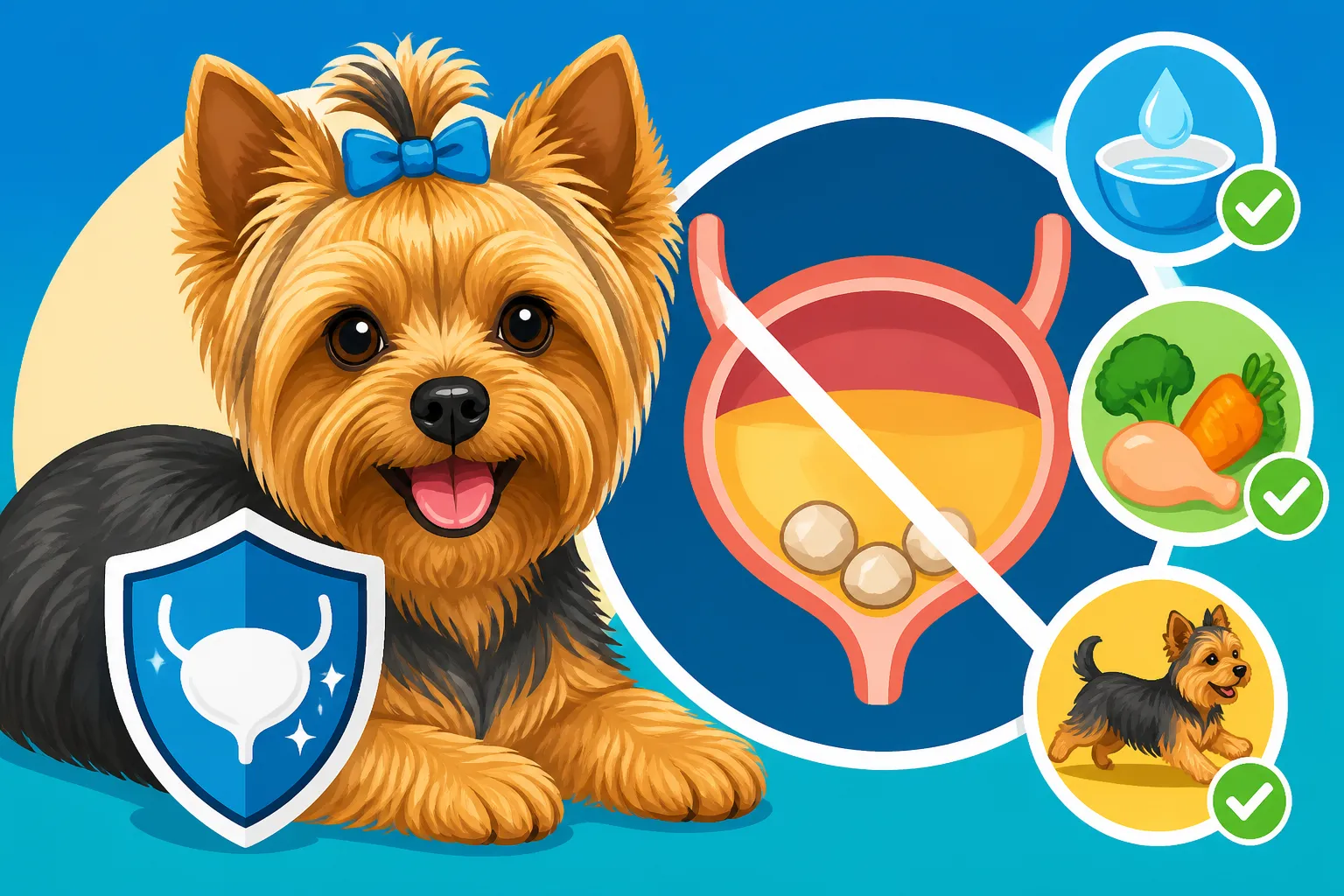
One of the simplest, yet most powerful, tools in your prevention arsenal is proper hydration. Just like for us, drinking enough water is critical for dogs to keep their systems flushing properly. When a Yorkie is well-hydrated, their urine becomes more dilute, meaning the concentration of stone-forming minerals is lower. This makes it much harder for crystals to form and coalesce into stones. Think of it like a river: a fast-flowing, abundant river is less likely to accumulate sediment than a stagnant, shallow pool.
Encouraging your Yorkie to drink more water can be done in several ways. Always ensure fresh, clean water is available in multiple locations throughout your home, perhaps in ceramic or stainless steel bowls to keep it cool and inviting. You might also consider a pet drinking fountain, as the moving water can entice some dogs to drink more. For picky drinkers, incorporating wet food into their diet or adding a little low-sodium chicken broth (ensure it's onion and garlic-free) to their water can also boost their fluid intake significantly. Remember, consistent hydration is a cornerstone of How to Keep a Yorkshire Terrier Healthy. Regularly refilling their water bowl is a small but mighty step in preventing bladder stone formation. Knowing How Much Water Should a Yorkie Drink can give you a better idea of what to aim for.
Choosing the Right Food
Navigating the world of dog food can feel like a minefield, especially when specific health concerns like bladder stones are on the table. For Yorkies prone to these issues, the choice of food moves from being about general nutrition to a crucial preventative measure. The goal is to select a diet that helps maintain an ideal urinary pH and keeps stone-forming minerals at bay. This usually means a prescription diet formulated specifically for urinary health.
Your veterinarian is your absolute best resource here. They can perform a urinalysis to determine your Yorkie's natural urine pH and identify if there are any existing crystals. Based on this, they might recommend a specific therapeutic diet designed to either acidify or alkalinize the urine, depending on the type of stone you're trying to prevent (e.g., diets for struvite dissolution or calcium oxalate prevention). These diets are carefully balanced to control mineral levels, like calcium, phosphorus, and magnesium, and often contain ingredients that promote water intake. Brands like Royal Canin Urinary S/O, Hill's Prescription Diet c/d Multicare, or Purina Pro Plan Veterinary Diets UR Urinary are common examples your vet might discuss. These aren't just regular dog foods; they are medically formulated to target specific urinary tract issues.
When considering the Best Dog Food for Yorkshire Terriers, especially for stone prevention, it's essential to understand that not all "urinary support" foods available over-the-counter are suitable. Some might be fine for general health, but for actual stone prevention in a predisposed Yorkie, a vet-prescribed diet is often the safest and most effective route. Avoid making drastic dietary changes without consulting your vet, as an inappropriate diet could inadvertently create conditions favorable for stone formation.
Managing Mineral Intake
Beyond just choosing the right type of food, understanding and managing the mineral content within that diet is paramount for preventing bladder stones. Yorkies prone to calcium oxalate stones, for instance, need a diet that carefully controls calcium and oxalate levels. High levels of these minerals in the urine are primary culprits in stone formation. This means avoiding treats or supplements that are high in calcium unless specifically advised by your vet.
For struvite stones, the focus shifts to magnesium and phosphorus, as these are the main components of struvite crystals. A diet low in these minerals, combined with ingredients that promote an acidic urine pH, can help prevent their formation and even dissolve existing struvite stones. It’s a delicate balance because these minerals are essential for overall health, so moderation and the right formulation are key.
It's also important to be mindful of water quality. If your tap water has a very high mineral content (hard water), it might be worth discussing with your vet whether filtered water would be beneficial. Small changes like carefully monitoring treats and table scraps can also make a big difference. For instance, certain fruits and vegetables high in oxalates, like spinach, sweet potatoes, and rhubarb, should be given sparingly or avoided if your Yorkie is prone to calcium oxalate stones. Your vet, in conjunction with the specific dietary recommendations for your Yorkie, will help you understand the precise mineral management required, tailoring advice to your dog's individual needs and the type of stone being targeted. Always consult your veterinarian before introducing any new supplements or making significant changes to your Yorkie's Yorkshire Terrier Feeding Guide by Age, especially if you are actively working to prevent bladder stones.
Here's a quick comparison of common stone types and their dietary considerations:
| Stone Type | Urine pH Preference | Common Causes | Dietary Prevention Focus |
|---|---|---|---|
| Struvite | Alkaline (High pH) | Urinary tract infections (UTIs) | Reduce magnesium & phosphorus; Promote acidic urine pH; Address UTIs |
| Calcium Oxalate | Acidic (Low pH) | Genetic predisposition, high calcium/oxalate | Control calcium & oxalate; Avoid excessive Vitamin D/C; Increase water intake |
| Urate | Acidic (Low pH) | Genetic (e.g., Portosystemic Shunt), high purine | Reduce purines (e.g., organ meats); Promote alkaline urine pH |
Lifestyle and Environmental Prevention Methods
Beyond diet, your Yorkie's daily routine and the environment they live in can significantly impact their risk of developing bladder stones. These aren't just minor details; they are crucial components of a holistic prevention strategy that empowers you to take control of your pet's urinary health.
Encouraging Regular Urination
The more frequently your Yorkie urinates, the less time minerals have to settle and form crystals in the bladder. Think of it like a drain – if water is constantly flowing, things are less likely to accumulate. Holding urine for extended periods allows stone-forming minerals to become more concentrated, increasing the risk. This is why encouraging frequent potty breaks is so important, especially for our small breeds who might not always signal their need as clearly as larger dogs.
Establish a consistent potty schedule, taking your Yorkie out at least every 4-6 hours, and more frequently for puppies or older dogs. This includes first thing in the morning, last thing at night, after meals, and after waking up from naps. Make sure they have ample opportunity to fully empty their bladder each time. If you work long hours, consider hiring a dog walker or investing in a doggy door if your yard is secure. For apartment dwellers, pee pads can be a good backup, but nothing truly replaces outdoor potty breaks for complete bladder emptying and mental stimulation. Proper outdoor access also helps with overall Yorkshire Terrier Daily Care Routine.
Maintaining a Clean Environment
A clean environment might not seem directly related to bladder stones, but it plays a role, especially in preventing struvite stones. As we discussed, struvite stones are often linked to urinary tract infections. If your Yorkie is lying in or coming into contact with urine-soaked areas, they are more susceptible to bacterial contamination that can lead to UTIs.
Regularly clean their bedding, ensure their potty areas (whether inside or out) are free of old urine, and keep their grooming meticulous, especially around their hindquarters. For Yorkies, whose long hair can sometimes get soiled with urine or feces, proper hygiene around the genital area is particularly important to prevent bacteria from migrating into the urethra. If your Yorkie gets Yorkie Eye Problems Explained, it might not directly cause bladder stones, but it reminds us that maintaining overall cleanliness contributes to their general health and reduces the likelihood of infection throughout their body.
Regular Veterinary Care and Monitoring
Even with the best at-home prevention strategies, regular veterinary oversight is non-negotiable for a Yorkie prone to bladder stones. Your vet is your key partner in this journey, equipped with the knowledge and tools to catch potential problems early and tailor prevention plans specifically for your dog. Investing in pet insurance, like a plan from Healthy Paws, can significantly ease the financial burden associated with these ongoing preventative measures and any potential treatments, making it easier to prioritize your Yorkie's health.
Routine Check-ups and Urinalysis
Imagine a tiny problem brewing inside your Yorkie, silently escalating until it becomes a full-blown emergency. That's often how bladder stones behave. Regular veterinary check-ups are your first line of defense against this silent threat. These aren't just about vaccinations; they're comprehensive health assessments. During these visits, your vet can perform a physical exam and discuss any changes in your Yorkie's urination habits or overall health.
A simple yet incredibly powerful diagnostic tool is a urinalysis. This involves collecting a urine sample from your Yorkie and analyzing it for various factors: pH, specific gravity (how concentrated it is), presence of blood, protein, glucose, bacteria, and most importantly, crystals. The presence of certain crystals in the urine can be an early warning sign that stones might be forming or are likely to form. Your vet might recommend routine urinalysis every 6-12 months for Yorkies with a history of stones or those considered high-risk. This proactive approach can catch crystal formation before it progresses to painful stones, allowing for dietary or medical interventions. This kind of consistent monitoring is an essential part of knowing When to Take Your Yorkie to the Vet.
Recognizing Early Signs
As a dedicated Yorkie parent, you are often the first to notice subtle changes in your pet's behavior or routine. Being vigilant and knowing what to look for can literally save your Yorkie from severe pain and emergency situations. Bladder stone symptoms can sometimes mimic those of a simple urinary tract infection, so it’s always best to err on the side of caution and contact your vet if you notice anything amiss.
Common signs of bladder stones or other urinary issues include:
- Frequent Urination (Pollakiuria): Your Yorkie asks to go out more often or tries to urinate more frequently than usual.
- Straining to Urinate (Stranguria): You might see your Yorkie squatting or posturing to urinate for an extended time, but only producing a small amount, or even nothing at all. They might look uncomfortable or hunched.
- Painful Urination (Dysuria): Your Yorkie might cry out, whine, or show signs of discomfort while urinating.
- Blood in the Urine (Hematuria): This is a critical sign and should always prompt an immediate vet visit. The urine might appear pinkish, reddish, or even rusty brown.
- Inappropriate Urination: Accidents inside the house, especially if your Yorkie is normally well house-trained, can be a symptom of urinary discomfort or urgency.
- Licking Genital Area Excessively: This is often a sign of irritation or pain.
- Lethargy or Loss of Appetite: If your Yorkie is feeling unwell due to pain or infection, they might seem less energetic or refuse food.
If you observe any of these symptoms, don't wait. Contact your vet immediately. Early intervention is crucial, especially if there's a risk of a urinary blockage, which is a life-threatening emergency. Having comprehensive pet insurance, such as a plan from Healthy Paws, can provide peace of mind, knowing that you can afford prompt veterinary care when these Yorkie Emergency Symptoms to Never Ignore. Being proactive and observant is key to protecting your little one.
Disclaimer
The information provided in this guide is intended for educational purposes only and should not be considered a substitute for professional veterinary advice. Always consult with a qualified veterinarian regarding any health concerns or before making any decisions about your pet's medical care.