How to Prevent Patellar Luxation in Yorkies
One of the most concerning health issues for Yorkshire Terrier parents is the dreaded patellar luxation, a condition where the kneecap slips out of place. It’s a common orthopedic problem in small breeds that can lead to pain, limping, and even severe arthritis if not addressed. This guide is here to walk you through comprehensive strategies and proactive steps you can take to significantly reduce the risk of your beloved Yorkie developing this often-painful joint condition.
Understanding Patellar Luxation in Yorkshire Terriers
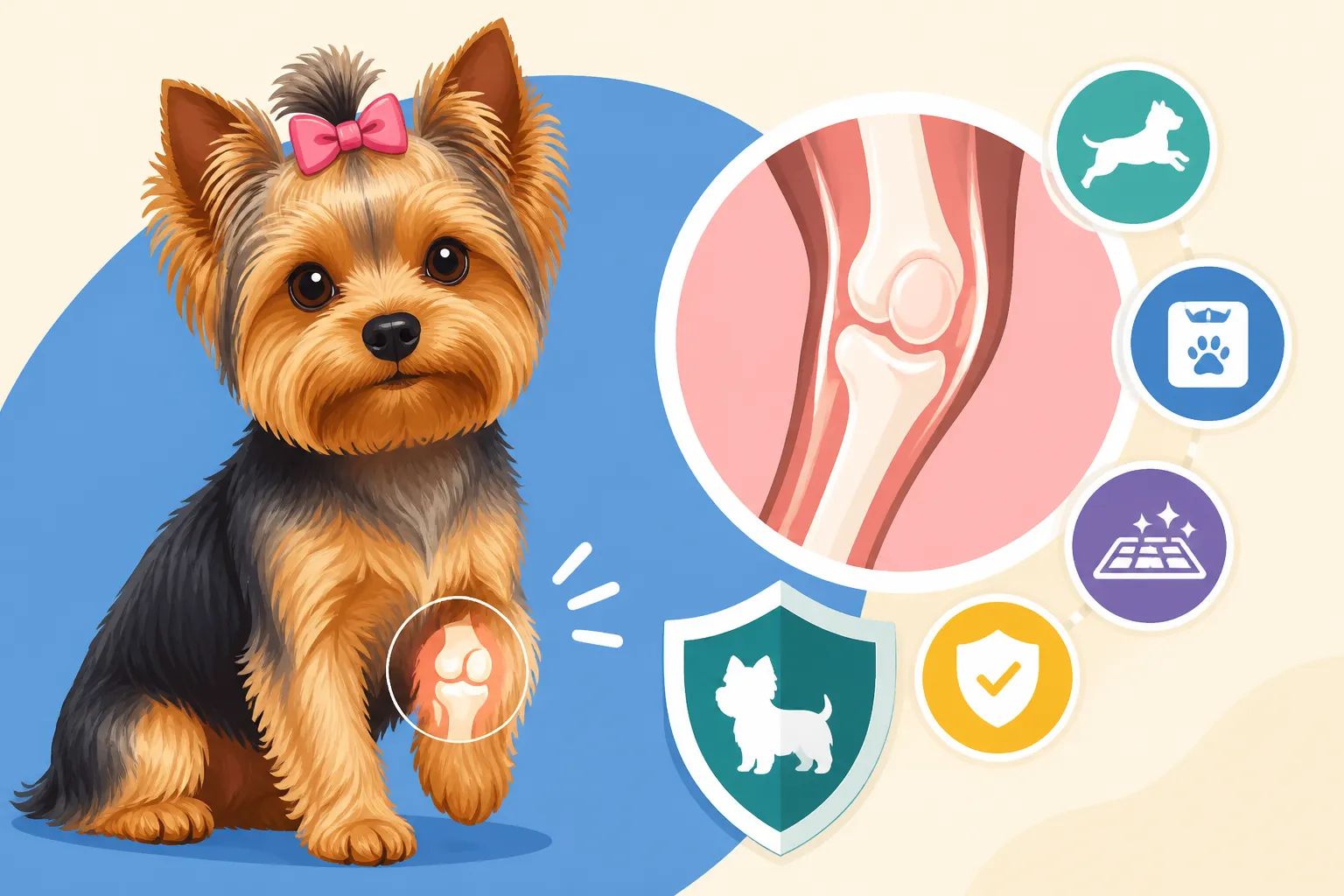
Before we dive into how to prevent patellar luxation, it's really important to understand what we're up against. Patellar luxation, or "slipped kneecap" as it's often called, is a condition where the patella (kneecap) dislocates or moves out of its normal groove in the femur (thigh bone). In Yorkies, this is typically a medial luxation, meaning the kneecap slips towards the inside of the leg. It sounds painful, and often, it is.
Why Yorkies Are Prone to This Condition
It sometimes feels like our little Yorkies are born with a predisposition to certain health challenges, and sadly, patellar luxation is one of them. While not exclusive to the breed, Yorkshire Terriers are among the small breeds genetically predisposed to this condition. This often comes down to the conformation of their leg bones. The groove where the kneecap sits can be too shallow, or the alignment of the tibia and femur might be slightly off, making it easier for the patella to pop out. It's not just a random occurrence; there's often an underlying anatomical vulnerability that makes them more susceptible. Understanding these inherent traits helps us appreciate why prevention isn't just a suggestion, but a crucial part of responsible Yorkie ownership. For more on their vulnerabilities, you might want to read about some of the other common issues discussed in Yorkshire Terrier Health Problems to Know.
Degrees of Luxation and Their Impact
Patellar luxation isn't a one-size-fits-all condition; it's typically graded on a scale from I to IV, indicating the severity.
- Grade I: The kneecap can be manually luxated but returns to its normal position spontaneously. Your Yorkie might occasionally skip a step or hold up a leg for a moment, but it's often intermittent and not consistently painful. Owners might not even notice these subtle signs, or they might mistake them for a quirk.
- Grade II: The kneecap luxates spontaneously and remains out of place until it's manually put back or the dog extends their leg and it pops back in. This is where you might start seeing more noticeable limping or a "bunny hop" gait. They might be able to run and play, but moments of discomfort are more frequent.
- Grade III: The kneecap is permanently luxated, though it can still be manually returned to its normal position with some effort. However, it will immediately luxate again once pressure is released. At this stage, your Yorkie's leg structure is noticeably altered, and they will likely experience chronic pain and a persistent limp. Muscle atrophy can start to occur as they avoid putting weight on the affected leg.
- Grade IV: This is the most severe grade, where the kneecap is permanently luxated and cannot be manually reduced. The limb will be severely deformed, and the dog will often be in significant pain and may struggle to walk or bear weight on the affected leg at all. Surgical intervention is almost always required, and even then, the prognosis can be challenging.
Each grade represents a progression in the condition and the impact it has on your Yorkie's quality of life. The goal of prevention is to keep them from ever reaching these painful stages, or at least to delay the onset and minimize the severity. You can also learn more about specific joint issues your breed might face in our article Yorkie Knee Problems Explained.
Essential Preventative Strategies for Yorkies
While genetics play a big role, there are many proactive steps you can take to help protect your Yorkie's delicate joints. It’s about creating a lifestyle that supports their skeletal health from puppyhood right through their senior years. Think of it as building a strong foundation and maintaining it rigorously.
Maintaining an Ideal Weight
This is perhaps one of the most critical preventative measures you can take, and it's something entirely within your control. Every extra pound your Yorkie carries puts undue stress on their joints, especially their knees. Imagine carrying a backpack filled with bricks all day – that's what even a little bit of excess weight can feel like for a tiny Yorkie.
- Understanding Portion Control: It’s easy to overfeed a small dog, especially when they give you those adorable puppy-dog eyes. But resist the urge to free-feed or give too many high-calorie treats. Consult with your vet to determine the ideal weight for your individual Yorkie, as even within the breed, there can be slight variations. Then, stick to recommended portion sizes for their food, measuring it accurately. If your Yorkie is prone to being a picky eater, this might be a challenge, but consistency is key. Our guide on How Much to Feed a Yorkshire Terrier can offer more specific advice.
- Choosing the Right Diet: Not all dog foods are created equal. Opt for high-quality dog food specifically formulated for small breeds, as these often contain appropriate nutrient balances and calorie densities. Some brands like Royal Canin and Hill's Science Diet offer breed-specific or small-breed formulas that can be beneficial. These foods are designed to support overall health, including joint health, without packing on unnecessary calories. Remember, a balanced diet isn't just about weight; it's about providing the building blocks for strong bones and cartilage.
Promoting Controlled, Low-Impact Exercise
While exercise is vital for muscle development and overall health, how your Yorkie exercises makes a huge difference in preventing joint issues. High-impact activities or sudden, jerky movements can exacerbate an already susceptible joint.
- Daily Gentle Walks: Regular, controlled walks on a leash are fantastic. They build muscle tone around the knee joint, which acts as natural support, without putting excessive strain on the patella. Aim for several short walks throughout the day rather than one long, strenuous one. This keeps their muscles warm and active, but avoids overexertion. A 15-20 minute stroll in the park or around the neighborhood two to three times a day is far better than a single hour-long power walk.
- Avoiding High-Impact Activities: This means discouraging activities like jumping repeatedly off furniture, running up and down stairs unsupervised, or participating in intense, sudden-stop-and-start play with larger dogs. Yorkies, despite their small size, can be fearless, and they don't always know their limits. It's up to us to protect them from themselves. If your Yorkie loves to jump on the couch, consider providing a pet ramp or steps to reduce the impact on their knees. A good article to consult for appropriate activity levels is Yorkshire Terrier Exercise Needs.
- Mental Stimulation Over Physical Strain: Sometimes, a tired mind is just as effective as a tired body. Engage your Yorkie with puzzle toys, scent games, or training sessions that challenge their intellect without putting strain on their joints. This can satisfy their need for activity without the physical risks.
Incorporating Joint-Supportive Supplements
Even with the best diet and exercise, sometimes a little extra support can go a long way, especially for breeds prone to orthopedic issues. Joint supplements can help maintain cartilage health and reduce inflammation.
- Understanding Key Ingredients: Look for supplements that contain ingredients like glucosamine, chondroitin, and MSM. Glucosamine helps in the repair and formation of cartilage, while chondroitin gives cartilage its elasticity. MSM (methylsulfonylmethane) is known for its anti-inflammatory properties and can help reduce pain and stiffness. Omega-3 fatty acids, found in fish oil, are also excellent for reducing inflammation throughout the body, including in the joints.
- Consulting Your Veterinarian: Before adding any supplements to your Yorkie's routine, always talk to your vet. They can recommend specific brands or formulations that are appropriate for your dog's age, weight, and overall health status. Not all supplements are created equal, and your vet can guide you towards reputable products. Brands like Nutramax Dasuquin or Cosequin are often recommended by veterinarians for their quality and efficacy. These supplements aren't a cure, but a preventative measure to bolster joint health over time. For a deeper dive into these, check out Yorkie Joint Supplements Explained.
Creating a Safe and Joint-Friendly Home Environment
Your home, a haven for your Yorkie, can also present hidden dangers to their joint health. Small changes can make a big difference in preventing accidental injuries that could precipitate patellar luxation.
Addressing Slippery Surfaces
Many homes have hard floors like tile, hardwood, or laminate. While beautiful, these can be treacherous for small dogs, especially breeds like Yorkies that might be prone to slipping and splaying.
- Rugs and Runners: Strategically place rugs, carpet runners, or yoga mats in high-traffic areas where your Yorkie plays, runs, or makes sharp turns. These provide much-needed traction, allowing them to move confidently without risking slips that can twist or injure their knees. Consider placing them near their favorite sleeping spots, food bowls, and entryways.
- Paw Grips and Socks: For extra slippery areas or if your Yorkie resists rugs, you can explore specialized paw grips or non-slip socks designed for dogs. These can offer direct traction on their paw pads, giving them better stability. Ensure they fit well and don't cause irritation. This is particularly useful for older Yorkies or those already showing early signs of joint instability, helping them maintain their balance.
Providing Ramps and Steps for Furniture Access
Yorkies love being close to their humans, and that often means wanting to join you on the couch or bed. But repeated jumping off high surfaces can put immense strain on their tiny knee joints.
- Pet Ramps and Stairs: Invest in pet ramps or stairs designed for small dogs. These provide a safe, gentle incline or steps for your Yorkie to get on and off furniture without any jumping. Place them next to your couch, armchair, or bed – anywhere your Yorkie frequently tries to leap up or down. Make sure the ramp or steps are stable and have a non-slip surface to prevent accidents.
- Training for Safe Access: Take the time to train your Yorkie to use these aids. Positive reinforcement with treats and praise can make it a fun learning experience. Start by luring them up and down the ramp a few times a day until it becomes second nature. This small investment in time and equipment can save your Yorkie from future pain and costly vet bills. Teaching them how to safely navigate their environment is a crucial aspect of How to Protect a Yorkie's Joints.
Proactive Veterinary Care and Early Detection
Even with the most diligent preventative measures, some genetic predispositions can still manifest. That's why consistent veterinary care and an eye for early warning signs are paramount.
Regular Veterinary Check-ups
Your veterinarian is your most important partner in your Yorkie's health journey, especially when it comes to identifying potential issues before they become severe problems.
- Routine Physical Exams: Schedule regular check-ups, typically once a year for adult Yorkies and more frequently for puppies. During these visits, your vet will perform a thorough physical examination, which includes a palpation of the patella. They can feel for any looseness, clicking, or slippage in the kneecap. Even subtle signs of Grade I luxation might be detected during these exams, giving you a head start on management.
- Discussing Joint Health: Don't hesitate to bring up any concerns you have about your Yorkie's gait, activity level, or any unusual movements. Your vet can assess their mobility, look for signs of pain, and recommend specific preventative strategies tailored to your dog's individual needs. Early detection allows for non-surgical management and lifestyle adjustments that can significantly slow progression. It also gives you a chance to prepare financially for any potential future care, and pet insurance providers like Healthy Paws can be a lifesaver in these situations, helping to cover unexpected veterinary costs associated with orthopedic issues. Our article When to Take Your Yorkie to the Vet can help you determine what signs warrant immediate attention.
Monitoring for Early Signs and Symptoms
As a Yorkie parent, you are your dog's best advocate. Being attuned to their normal behavior can help you spot the earliest indications of a problem.
- Observing Gait and Movement: Pay close attention to how your Yorkie walks, runs, and jumps. Look for any changes:
- Intermittent limping: They might suddenly hold up a leg for a few steps, then put it down and walk normally. This "skipping" or "hopping" can be a classic sign of the kneecap temporarily slipping out and then back into place.
- Difficulty jumping: If they hesitate before jumping onto furniture or seem less eager to do so, it could be due to discomfort.
- Reluctance to play: A decrease in their usual playful energy or an avoidance of certain movements can indicate pain.
- Stiffness or unusual leg positioning: Observe if they seem stiff after resting or if one leg appears to be held in an odd position.
- Palpation at Home (Gentle!): While not a substitute for a vet's exam, you can gently feel your Yorkie's knees. While they are relaxed, gently cup their kneecap area. If you feel any grinding, popping, or if the kneecap seems loose or easily moves sideways, it’s definitely a reason to schedule a vet visit. Remember to be extremely gentle, as you don't want to cause pain or further injury. Early observation empowers you to seek professional advice sooner, potentially preventing the condition from escalating to a more painful and complicated stage. This proactive approach is a cornerstone of How to Keep a Yorkshire Terrier Healthy.
Considering Pet Insurance
While preventing patellar luxation is the ideal scenario, sometimes, despite our best efforts, it can still occur due to genetic factors or unavoidable accidents. This is where preparing for potential veterinary expenses becomes crucial.
- Financial Safety Net: Investing in pet insurance, such as a plan from Healthy Paws, early in your Yorkie's life can provide a vital financial safety net. Many reputable pet insurance plans cover unexpected illnesses and injuries, including orthopedic conditions like patellar luxation, once the waiting periods are met and if the condition isn't pre-existing. This can alleviate the stress of high veterinary bills, allowing you to make medical decisions based on your Yorkie's best interest rather than financial constraints.
- Covering Diagnostics and Treatment: Should your Yorkie ever need diagnostics like X-rays or even surgery for patellar luxation, having pet insurance can significantly reduce your out-of-pocket costs. This means you won't have to delay or compromise on the best possible care for your furry family member. Thinking about future costs for potential health issues is a smart part of Yorkshire Terrier Vet Costs and Health Budget.
Genetic Considerations and Responsible Breeding
While preventative care at home is crucial, the initial genetic lottery plays a significant role in your Yorkie's susceptibility to patellar luxation. This underscores the importance of choosing a responsible breeder.
Importance of Reputable Breeders
When you’re looking for a Yorkshire Terrier puppy, the choice of breeder can be one of the most impactful decisions you make regarding your dog’s long-term health. A reputable breeder is not just someone who loves dogs; they are dedicated to improving the breed and ensuring the health of their puppies.
- Health Testing and Clearances: A responsible breeder will meticulously screen their breeding dogs for common genetic conditions, including patellar luxation. They should be able to provide clear documentation of orthopedic evaluations for the parent dogs, often from organizations like the Orthopedic Foundation for Animals (OFA). The OFA performs specific evaluations for patellar luxation, giving a grade to each knee. Only dogs with healthy knees (typically Grade 0 or 1) should be used for breeding. Don't be shy about asking for these health clearances; a good breeder will be proud to share them.
- Transparency and Support: A reputable breeder will be transparent about the health history of their lines, answer all your questions thoroughly, and offer a health guarantee. They should also be knowledgeable about the breed's specific health concerns and be willing to discuss how they minimize these risks. Choosing a puppy from a breeder who prioritizes genetic health is the first and most powerful step in preventing patellar luxation in your Yorkie, offering the best possible start in life. For more on genetic predispositions, consider reading Common Yorkshire Terrier Genetic Conditions.
Avoiding Questionable Breeding Practices
Unfortunately, not all breeders operate with the same high standards. Puppy mills and backyard breeders often prioritize profit over the health and welfare of their animals, leading to higher rates of genetic defects.
- Red Flags to Watch For: Be wary of breeders who don't offer health clearances, refuse to let you meet the puppy's parents, or have multiple litters of different breeds. Breeders who sell puppies "cash only" in public places, or who push for a quick sale without proper vetting of you as an owner, are also major red flags. These operations often neglect proper health testing, and their puppies are at a much higher risk of developing serious health problems, including severe patellar luxation, later in life.
- Long-Term Health Consequences: While a puppy from a questionable source might be cheaper upfront, the potential veterinary bills for conditions like patellar luxation can be astronomical over their lifetime. Surgery for a luxating patella can cost thousands of dollars, not to mention the ongoing pain management and rehabilitation. Prioritizing a healthy start from a responsible breeder is not just ethical, but it's also financially prudent in the long run. Even with pet insurance from a company like Healthy Paws, pre-existing conditions (which many genetic issues can be if not disclosed or managed early) are typically not covered, making the initial choice of breeder even more vital.
Creating a Comprehensive Joint Health Plan
Preventing patellar luxation isn't a one-time fix; it's an ongoing commitment to a holistic approach to your Yorkie's well-being. By integrating various strategies, you create a robust shield for their joint health.
Combining All Preventative Measures
The most effective approach to preventing patellar luxation is to layer multiple preventative strategies rather than relying on just one. Each component works synergistically to support your Yorkie's joints.
- Integrated Daily Routine: Think about how nutrition, exercise, and environmental modifications fit into your Yorkie's daily life. A healthy diet and controlled weight reduce stress. Regular, appropriate exercise strengthens surrounding muscles. A safe home environment prevents accidental strain. Joint supplements provide internal support. It's like building a layered defense system for their knees. For instance, after a gentle walk, make sure your Yorkie uses a ramp to get onto the couch for a rest, rather than jumping.
- Tailoring to Your Yorkie's Needs: Every Yorkie is an individual. While these are general guidelines, your vet can help you fine-tune a plan based on your dog's specific genetics, energy level, and any early findings. For some, a slightly stricter weight management plan might be needed, while others might benefit from specific physical therapy exercises if a Grade I luxation is detected. A comprehensive approach ensures you're addressing all potential risk factors, providing your furry friend with the best chance for a mobile and pain-free life. Our How to Keep a Yorkshire Terrier Healthy guide emphasizes this integrated care.
When to Seek Professional Guidance
Sometimes, despite all preventative efforts, you might notice something concerning. Don't second-guess yourself when it comes to your Yorkie's health.
- Don't Delay a Vet Visit: If you observe any limping, skipping, reluctance to move, signs of pain, or stiffness, schedule an appointment with your veterinarian immediately. Even if the symptoms are intermittent, they could be indicative of an early stage of patellar luxation. The sooner a diagnosis is made, the wider the range of non-surgical and preventative management options available. Catching it early can significantly improve the long-term prognosis.
- Exploring All Options: Your vet might recommend diagnostics like X-rays to assess the severity and rule out other orthopedic issues. They will then discuss treatment options, which could range from continued weight management, physical therapy, and anti-inflammatory medications for lower grades, to surgical correction for more severe cases. Remember, resources like pet insurance from Healthy Paws can truly help here, covering a significant portion of diagnostic and treatment costs, ensuring you can focus on your Yorkie’s recovery without undue financial burden.
| Preventative Measure | Specific Action for Yorkies | Why it Helps |
|---|---|---|
| Weight Management | Strict portion control, measure food, avoid excess treats. | Reduces stress and load on knee joints, preventing cartilage wear. |
| Controlled Exercise | Daily short, gentle walks; avoid high jumps and stairs. | Builds supportive muscle tone without straining vulnerable joints. |
| Joint Supplements | Glucosamine, chondroitin, MSM, Omega-3s (vet-approved). | Supports cartilage health, reduces inflammation, and improves joint lubrication. |
| Safe Home Environment | Use rugs on slippery floors, provide ramps for furniture. | Prevents slips, falls, and high-impact landings that can injure knees. |
| Reputable Breeder Choice | Choose breeders with OFA health clearances for parents. | Minimizes genetic predisposition to patellar luxation through selective breeding. |
| Regular Vet Check-ups | Annual exams including patella palpation. | Allows for early detection and intervention before the condition progresses severely. |
Final Thoughts on Prevention
Being a Yorkie parent means being vigilant and proactive, especially when it comes to common breed-specific health challenges like patellar luxation. While we can't completely eliminate genetic risks, we absolutely can mitigate them through informed choices and consistent care. From the food we put in their bowls to the way we manage their play, every decision contributes to their joint health. It's a journey of continuous care, but seeing your Yorkie happy, active, and free from pain makes every effort truly worth it.
Disclaimer
The information provided in this article is for general informational purposes only and is not intended as a substitute for professional veterinary advice, diagnosis, or treatment. Always seek the advice of your veterinarian or other qualified animal health provider with any questions you may have regarding a medical condition. Never disregard professional veterinary advice or delay in seeking it because of something you have read in this article.