Best Homes for a Yorkshire Terrier
Bringing a Yorkshire Terrier into your life is a wonderfully exciting decision, but many prospective owners grapple with the big question: what kind of home is truly best for these tiny, spirited companions? It's not just about square footage or whether you have a yard; it’s about creating an environment where a Yorkie can truly thrive, feel safe, and be a cherished part of the family. This comprehensive guide will help you understand the specific needs of a Yorkshire Terrier and how to tailor your living situation to provide the perfect sanctuary for your furry friend.
Understanding the Yorkie's Core Needs
Before we even talk about apartments or houses, it's crucial to grasp what a Yorkshire Terrier needs at its fundamental level. These aren't just small dogs; they're intelligent, often feisty, and incredibly devoted little creatures with distinct requirements that might surprise first-time owners. Overlooking these can lead to behavioral issues or an unhappy pup, and nobody wants that.
Size and Fragility Considerations
Yorkshire Terriers are undeniably small, typically weighing between 4 to 7 pounds, though some "Teacup Yorkies" can be even smaller. This diminutive size isn't just a cute aesthetic; it means they are surprisingly delicate. A fall from a bed, a misstep on stairs, or even rough play with a larger dog or child can result in serious injury. Their bone structure is fine, making them prone to certain orthopedic issues like Yorkshire Terrier Patellar Luxation: Signs and Care or Legg-Calve-Perthes disease. This fragility impacts everything from furniture choices to how you interact with them daily.
Living in a home with hard floors, for example, might mean you need to invest in rugs or runners to prevent slips and falls that could lead to injury. If you have high furniture, consider ramps or pet stairs to allow them safe access without jumping. This also means you need to be constantly aware of where your Yorkie is, especially in busy households or when people are moving around. It's not about treating them like glass, but understanding their physical limitations is key to preventing accidents.
Exercise and Mental Stimulation Requirements
Don't let their small stature fool you; Yorkshire Terriers have a surprising amount of energy and a strong terrier drive. While they don't need acres of land to run, they do require consistent exercise and plenty of mental stimulation to keep them happy and well-behaved. A simple trot around the block or a vigorous indoor play session can often suffice, but it needs to be regular. You might be surprised to learn that a bored Yorkie can be a destructive Yorkie.
A good 20-30 minute walk twice a day is often enough to meet their physical needs, provided they also get ample playtime inside. How Much Exercise Does a Yorkie Need is a question many new owners ask, and the answer isn't as simple as "they're small, so not much." They thrive on routine and engagement. Puzzle toys, interactive games, and training sessions are excellent ways to engage their sharp minds and prevent boredom, which can manifest as excessive barking or chewing. Even apartment-dwelling Yorkies can get sufficient exercise with dedicated indoor play and walks.
Need for Companionship and Attention
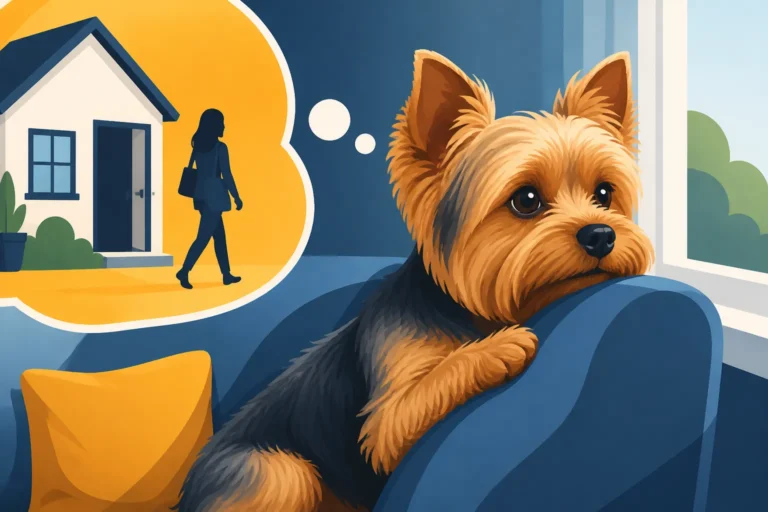
Yorkies are notorious "velcro dogs." They thrive on companionship and want to be involved in everything their human family does. This deep desire for connection means they are not dogs that do well when left alone for long periods. If your lifestyle involves long hours away from home, a Yorkie might struggle significantly with Yorkshire Terrier Separation Anxiety Solutions. This isn't a minor issue; it can lead to destructive behaviors, excessive barking, and even self-harm due to stress.
The ideal home provides consistent human presence or, failing that, reliable arrangements for their care throughout the day. This could mean a family member is usually home, or you employ a dog walker or enroll them in doggy daycare. Even if you're home, they'll want to be by your side, whether you're working, watching TV, or cooking. This isn't a breed that’s content to quietly entertain itself in a separate room for hours on end; they truly are a shadow.
Yorkies in Different Living Environments
The beauty of a Yorkshire Terrier is their adaptability. Unlike some larger breeds that inherently require sprawling spaces, Yorkies can make themselves at home in a variety of settings, provided their core needs for safety, exercise, companionship, and stimulation are met.
Apartment Living with a Yorkie
Apartments can be absolutely fantastic homes for Yorkshire Terriers, so much so that they are often considered one of the Yorkshire Terrier as Apartment Dogs. Their small size means they don't need a huge footprint, and their exercise needs can easily be met with walks and indoor play. The key is how you, as the owner, manage the environment and their routine.
Pros of Apartment Life for Yorkies:
- Size Compatibility: Their tiny stature means even a small apartment offers plenty of space for them to zoom around indoors.
- Safety: Without a yard, there's less risk of them encountering external hazards like aggressive wildlife, poisonous plants, or escaping.
- Convenience for Owners: Many apartments are located in urban areas, making walks and access to pet stores (like Chewy for easy supply delivery) or vets more convenient.
- Focus on Indoor Bonding: Apartment living often encourages more interactive indoor play and cuddling, strengthening the bond between owner and dog.
Considerations for Apartment Dwellers:
- Potty Training Challenges: Getting a Yorkie reliably potty trained in an apartment can sometimes be more challenging due to limited immediate outdoor access. A consistent schedule and possibly pee pads (initially) are crucial. This is particularly important for Yorkshire Terrier Potty Training Guide.
- Barking Management: Yorkies can be vocal. If they bark at every hallway noise or delivery person, it can lead to neighbor complaints. Training, desensitization, and sound machines can help.
- Stair Safety: If your apartment building has many stairs, consider carrying your Yorkie up and down to protect their delicate joints.
- Temperature Control: Being indoors means they're largely protected from extreme weather, which is great for a breed that struggles in both intense heat and cold. How to Keep a Yorkie Warm in Winter and How to Care for a Yorkie in Summer are vital topics for Yorkie owners in all living situations.
Houses with Yards: Outdoor Considerations
A house with a fenced yard might seem like the ultimate dream for any dog, and it certainly has its benefits for a Yorkie, but it also comes with its own set of considerations. Just because you have a yard doesn't mean your Yorkie can be left unsupervised.
Benefits of a Fenced Yard:
- Easy Potty Breaks: A securely fenced yard provides convenient access for potty breaks, especially early in the morning or late at night.
- Safe Outdoor Play: It offers a contained space for your Yorkie to romp and play off-leash, burning off some of that terrier energy.
- Fresh Air and Enrichment: Exposure to different sights, sounds, and smells in a safe environment can be enriching for your dog.
Important Considerations for Yards:
- Security of Fencing: Yorkies are small and agile. A fence that might contain a larger dog could have gaps or low spots a Yorkie can squeeze through or jump over. Ensure your fence is truly escape-proof, with no gaps underneath.
- Predator Protection: In many areas, small dogs are vulnerable to predators like hawks, owls, coyotes, or even larger neighborhood dogs. Never leave a Yorkie unattended in a yard, especially in rural or suburban areas.
- Temperature Extremes: Yorkies don't do well in extreme temperatures. Their single coat offers little protection in cold weather, and they can easily overheat in hot weather. Supervise them closely and limit their time outside during harsh conditions.
- Pest and Plant Hazards: Yards can harbor fleas, ticks, and other parasites. Also, many common landscaping plants are toxic to dogs. Always check your yard for potential hazards.
Other Living Arrangements
Some Yorkies may find themselves in unique living situations, such as RVs for travel or even city lofts. The principles remain the same: safety, routine, and companionship are paramount. A traveling Yorkie in an RV needs secure space, frequent potty breaks, and a clear understanding of boundaries. In a sprawling loft, ensure there are no dangerous high ledges or easily accessible toxic items. Adaptability is a Yorkie's strong suit, but their human must be equally adaptable and mindful of their specific needs.
Considering Your Lifestyle for a Yorkie
Beyond the physical structure of your home, your personal lifestyle plays a monumental role in determining if a Yorkshire Terrier is the right fit. A Yorkie becomes a part of your daily rhythm, and their well-being is heavily dependent on how your life aligns with their needs.
Activity Level and Availability
If you're a couch potato who rarely leaves the house, that might sound like a dream for a companion-seeking Yorkie. However, even low-energy humans need to ensure their Yorkie gets adequate physical and mental stimulation. While they don't need to run marathons, a daily walk and playtime are non-negotiable. If you're out of the house for 8-10 hours every workday, a Yorkie might not be the best choice unless you have a robust plan for their care during your absence.
Are you home often? Do you work from home? Do you have family members who can pitch in? These questions are critical. A Yorkie thrives on interaction and can suffer greatly from loneliness. If your lifestyle is hectic and unpredictable, it might be challenging to provide the consistent routine and companionship a Yorkie truly needs. Think about whether you can realistically commit to daily walks, dedicated play sessions, and plenty of lap time.
Family Dynamics and Existing Pets
The makeup of your household significantly impacts how a Yorkie will integrate. Yorkies can be wonderful family dogs, but they require careful consideration, especially with young children or larger, boisterous pets.
Children in the Home:
Yorkies can be good with children, but it's crucial that the children are taught how to interact gently and respectfully with a small, delicate dog. A rambunctious toddler, for instance, might accidentally injure a Yorkie simply by being clumsy. It’s not uncommon for Yorkies to nip if they feel threatened or handled roughly, especially if they haven't been properly socialized. This isn't aggression; it's a defense mechanism for a small creature. Therefore, a home with very young children might require constant supervision or a slightly older, more considerate child who understands boundaries. For more insights, refer to Are Yorkshire Terriers Good with Kids.
Other Pets:
Introducing a Yorkie to other dogs or cats requires patience and proper introductions. Many Yorkies thrive with other small, gentle dogs. However, their terrier nature means they can sometimes be feisty with larger dogs, unaware of their size disparity, and potentially get injured during play. If you have a larger dog, ensure they are calm, gentle, and well-trained. A sturdy kennel from a place like Chewy can be a great way to give your Yorkie a safe space when integrating with other pets. Similarly, while some Yorkies coexist peacefully with cats, their prey drive might kick in, leading to chasing. For specific guidance, see Are Yorkshire Terriers Good with Cats.
| Factor | Ideal Home Environment | Less Ideal Home Environment |
|---|---|---|
| Size & Fragility | Carpeted floors, pet ramps, secure furniture | High beds/couches without ramps, open stairs, busy foot traffic |
| Exercise Needs | Regular walks, interactive indoor play, access to safe outdoor space | Lack of daily walks, sole reliance on a yard, no interactive toys |
| Companionship | Someone home most of the day, family involvement, dog daycare | Left alone for 8+ hours daily, minimal human interaction |
| Children | Gentle, dog-savvy children (older than 6-7 years) | Very young, boisterous toddlers without supervision |
| Other Pets | Calm, small to medium-sized gentle dogs; well-socialized cats | Large, boisterous dogs; high prey-drive cats; untrained existing pets |
| Owner's Lifestyle | Active but home-centric, consistent routine, patient and dedicated | Frequent long absences, unpredictable schedule, little time for training |
Financial Preparedness
While not directly about the physical home, financial readiness is a huge part of providing a "best" home. Owning a Yorkie involves significant costs beyond the initial purchase price. This includes food, grooming, vet visits, toys, and potentially pet insurance. Their long, silky coats require regular grooming, either professionally or at home. You can find excellent grooming tools and quality food on Chewy, which helps manage recurring costs.
Moreover, Yorkies are prone to certain health issues like Yorkshire Terrier Dental Disease: Signs and Care or Yorkshire Terrier Collapsing Trachea: Signs and Care. Being financially prepared for unexpected vet bills or specialized care is essential for their long-term well-being. A loving home isn't just about affection; it's about being able to provide for all their needs, health included.
Preparing Your Home for a Yorkie's Arrival
So you've considered your lifestyle and home type, and you're confident a Yorkie is a good fit. Now comes the exciting part: actually preparing your home for their arrival. This isn't just about buying a cute bed; it's about creating a safe, welcoming, and stimulating environment. For a more exhaustive checklist, check out How to Prepare Your Home for a Yorkie.
Yorkie-Proofing Your Living Space
Yorkies, especially puppies, are curious little explorers. What might seem harmless to us can be a significant hazard to a tiny dog. Thinking like a toddler, but a furry one, is a good strategy here.
- Hazard Removal: Get down on their level. Remove or secure anything small enough to be swallowed (coins, buttons, small toys). Keep electrical cords out of reach or secured with cord covers. Store all household cleaners, medications, and toxic substances in high, locked cabinets. Common house plants can be toxic, so identify and remove any dangerous ones.
- Secure Access: Install baby gates to block off stairs or areas you don't want your Yorkie to access unsupervised. Ensure windows are secure and screens are intact, as a curious Yorkie can quickly slip through a small opening.
- Designated Safe Space: Every Yorkie needs a place of their own where they can retreat and feel secure. This could be a crate with a cozy bed, a small dog bed in a quiet corner, or a playpen. This space should be consistently available to them, especially during busy times or when they need to rest. A comfortable bed from Chewy can make their safe space extra inviting.
Essential Supplies and Setup
Having the right gear ready before your Yorkie arrives will make the transition much smoother for everyone.
- Food and Water Bowls: Stainless steel or ceramic bowls are best for hygiene. Ensure they are shallow enough for a small dog to easily access.
- High-Quality Dog Food: Consult your breeder or vet for recommendations on the Best Dog Food for Yorkshire Terriers. Start with what they've been eating to avoid stomach upset, then transition slowly if you choose a different brand.
- Collar/Harness and Leash: A harness is generally preferred over a collar for Yorkies due to their delicate tracheas, which are prone to Yorkshire Terrier Tracheal Collapse: Signs and Care. Look for a comfortable, escape-proof harness.
- Bed and Crate: A soft, comfortable bed is a must. If you plan to crate train, choose an appropriately sized crate that is big enough for them to stand, turn around, and lie down comfortably, but not so large they can use one end as a potty area.
- Grooming Supplies: Yorkies require regular grooming. You'll need a soft brush, a comb, dog-specific shampoo and conditioner, nail clippers, and possibly tear stain remover. Starting a Yorkshire Terrier Dental Care Guide early is also crucial.
- Toys: A variety of safe, appropriately sized toys for chewing, chasing, and interactive play. Look for durable toys that won't break into small, swallowable pieces.
Establishing a Routine
From day one, a consistent routine will help your Yorkie settle in and understand expectations. This includes feeding times, potty breaks, playtime, and sleep schedules. Yorkies thrive on predictability, and a structured day reduces anxiety and helps with training. Think about their Yorkshire Terrier Daily Care Routine and how it fits into your day.
For example, waking up at the same time each day for a potty break, followed by breakfast, then playtime, then another potty break, and so on. This consistency is especially vital for potty training, as it helps them learn when and where they are expected to relieve themselves. Even if you live in a bustling city, maintaining this predictable rhythm within your home will create a calm and secure environment for your little companion.
Disclaimer
This article is intended for informational purposes only and is not a substitute for professional veterinary advice. Always consult with a qualified veterinarian for any health concerns or before making any decisions about your pet's care.