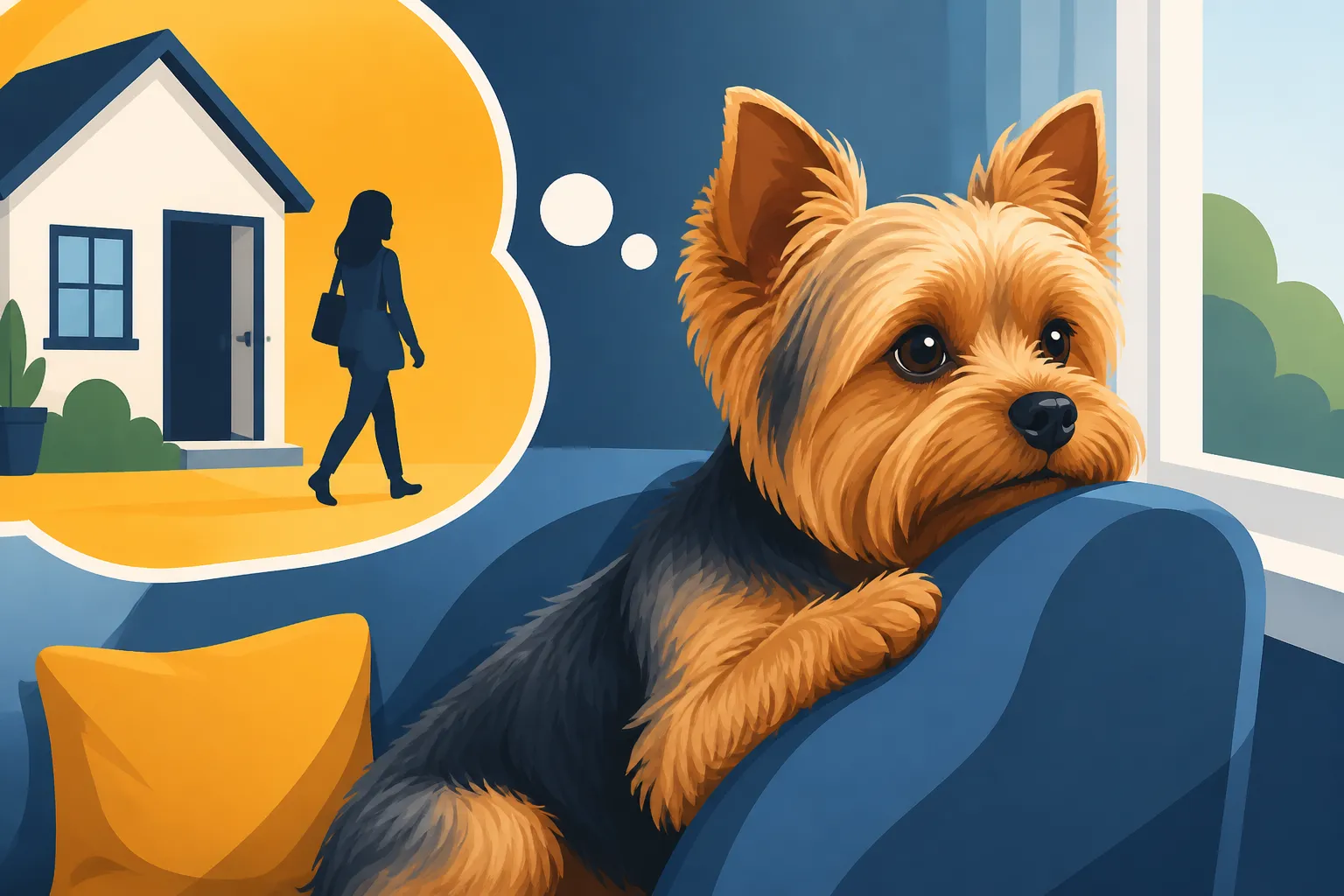
How Long Can a Yorkie Be Left Alone
It’s a heart-wrenching moment for any Yorkie parent: that quick glance back as you head out the door, seeing those big, expressive eyes looking up at you, perhaps already starting to tremble. We all grapple with the guilt of leaving our furry best friends alone, wondering if they’ll be okay, if they’ll be sad, or if they’ll start barking the moment the latch clicks. This comprehensive guide will walk you through everything you need to know about how long a Yorkshire Terrier can realistically and happily be left alone, and more importantly, how to make those solo hours as comfortable and stress-free as possible for your beloved companion.
Understanding Your Yorkie's Social Needs
Yorkshire Terriers are renowned for their vivacious personalities, their undeniable charm, and their deep devotion to their human families. These little dynamos are not just pretty faces; they’re packed with intelligence and an inherent need for companionship. Leaving a Yorkie alone isn't simply a matter of providing food and water; it's about acknowledging their profound social instincts and addressing them proactively.
The Pack Animal Instinct
At their core, all dogs, including our pint-sized Yorkies, are descended from pack animals. This ancient instinct means they thrive on social interaction and feel most secure when part of a group, usually their human family. While domestication has adapted them to living in our homes, the fundamental desire for companionship hasn't vanished. When a Yorkie is left alone, especially for extended periods without proper preparation, this pack instinct can kick in, leading to feelings of isolation and anxiety.
Imagine yourself being stranded on a desert island; even if you have all your basic needs met, the lack of human interaction would eventually take its toll on your mental well-being. It’s a similar, albeit different scale, experience for your Yorkie. They see you as their pack, their world, and your absence can create a void that's difficult for them to process. This isn't just about boredom; it's about a deep-seated need for connection that's suddenly unfulfilled. Understanding this fundamental truth is the first step in creating a safe and happy environment for your Yorkie when you're not around. It means approaching their alone time not as a punishment, but as a challenge to be managed with empathy and smart planning.
Breed-Specific Traits and Temperament
Yorkies, despite their small stature, carry the spirit of their terrier ancestors. They are intelligent, curious, and often quite vocal. This combination of traits means they can be particularly prone to developing strong attachments and, consequently, separation anxiety if not managed correctly. Their inherent "velcro dog" tendency means they often want to be right by your side, following you from room to room. While incredibly endearing, this characteristic can also make alone time a significant hurdle.
Their intelligence means they need mental stimulation, and without it, they can become destructive or excessively vocal. Think about it: a smart, energetic dog left in a quiet house with nothing to do is a recipe for trouble. They might bark incessantly at every rustle outside, chew on furniture, or even have accidents indoors, not out of spite, but out of anxiety and lack of appropriate outlets. Understanding these specific traits of the Yorkshire Terrier temperament and personality is crucial. It’s not about toughing it out; it's about providing them with the right tools and training to cope when you're away, recognizing that their unique makeup requires a tailored approach.
Factors Influencing How Long a Yorkie Can Be Left Alone
There’s no universal "magic number" for how long a Yorkie can be left alone. It's a complex equation with several variables, all of which play a crucial role in determining your individual dog's capacity for solitude. Ignoring these factors can lead to unhappy pups and frustrating behavioral issues for owners.
Age and Developmental Stage
The age of your Yorkie is arguably the most significant factor in how long they can comfortably manage being by themselves. A tiny puppy has vastly different needs than a well-adjusted adult or a senior dog.
Puppies (8 weeks to 6 months)
Yorkie puppies are like furry toddlers; they require almost constant supervision and frequent potty breaks. Their bladder control is minimal, their capacity for boredom is high, and their emotional resilience is still developing. Leaving a young puppy alone for too long can set back potty training efforts, foster separation anxiety, and even lead to destructive chewing. For a puppy, even a few hours can feel like an eternity. Generally, a good rule of thumb is that a puppy can hold their bladder for about one hour per month of age. So, an 8-week-old puppy (2 months) can only manage about 2 hours, maximum, before needing to relieve themselves. This isn't just about potty training; it's about developing a sense of security and trust. They need consistent interaction and positive reinforcement. If you're wondering about Yorkshire Terrier Puppy Training Schedule, it often involves very short periods of alone time, gradually increasing as they mature.
Adult Yorkies (1-8 years)
Once your Yorkie is fully grown and well-trained, their ability to be left alone significantly improves. A healthy, well-adjusted adult Yorkie can often handle being alone for 4-6 hours, sometimes even up to 8 hours if they are accustomed to it, have had plenty of exercise before you leave, and have access to water and entertainment. However, even for adults, 8 hours should be considered an absolute maximum and not an everyday occurrence. This is where individual temperament really comes into play. Some adult Yorkies are perfectly content to nap the day away, while others will pace, bark, or chew out of boredom or anxiety. It's vital to observe your dog's behavior closely when you return home or, even better, set up a pet camera to monitor them while you're away.
Senior Yorkies (8+ years)
Our older Yorkies often require more attention, not less. As they age, their bladder control might weaken, leading to more frequent potty needs. They might also develop age-related health issues, such as joint pain or cognitive dysfunction, making them more anxious or disoriented when left alone. A senior Yorkie might also sleep more, but when awake, they might experience more profound feelings of loneliness or confusion. For a Yorkshire Terrier Senior Care Guide, it’s often recommended to minimize long periods of solitude and provide extra comfort. For these golden oldies, frequent potty breaks, easy access to comfortable resting spots, and often, medication to manage anxiety or other ailments become critical considerations.
Training and Behavioral Background
A Yorkie's ability to cope with solitude is profoundly shaped by their training and behavioral history. A well-socialized and properly trained Yorkie is much more likely to be calm and content when left alone than one who hasn't had the benefit of consistent guidance.
Crate Training
Crate training, when done correctly and positively, can be an invaluable tool for helping your Yorkie feel secure when you're away. A crate becomes their den, a safe haven where they can relax without feeling overwhelmed by the entire house. For many Yorkies, their crate is a comforting space, much like a child’s bedroom. It helps prevent destructive behaviors and can significantly reduce anxiety. If your Yorkie is properly crate trained, they'll often willingly enter their crate, chew on a favorite toy, and nap peacefully. However, an improperly introduced crate can become a source of fear and confinement, exacerbating anxiety. Learning How to Crate Train a Yorkie effectively is key to making this a positive experience.
Separation Anxiety
This is perhaps the biggest hurdle for Yorkie owners. Separation anxiety is more than just a little sadness; it's a genuine panic attack triggered by being left alone. Symptoms can range from incessant barking and destructive chewing to house soiling, drooling, and even self-harm. If your Yorkie suffers from separation anxiety, even short periods of alone time can be incredibly distressing for them. This condition requires a dedicated approach, often involving a combination of behavioral modification, professional guidance, and sometimes medication. It's crucial to address Yorkshire Terrier Separation Anxiety Solutions head-on rather than hoping it will disappear on its own. Ignoring it will only make it worse for your dog and more challenging for you.
Health Considerations
A Yorkie's physical health directly impacts their psychological ability to handle alone time. An unwell dog is naturally more vulnerable and anxious.
Bladder and Bowel Control
Yorkies, especially puppies and seniors, have smaller bladders. This isn't just an inconvenience; it's a critical health factor. Holding urine for too long can lead to urinary tract infections (UTIs) and other bladder issues. If your Yorkie is prone to accidents, it's a clear sign they cannot be left alone for extended periods. Even healthy adult Yorkies need regular opportunities to relieve themselves to maintain their bladder health and comfort. Hydration is also a factor; a dog who drinks ample water will need more frequent potty breaks.
Underlying Medical Conditions
Certain medical conditions can make alone time problematic. For instance, a Yorkie with diabetes might need timed meals or insulin injections, making long absences impossible. Dogs with Yorkshire Terrier Hypoglycemia might need frequent small meals to prevent dangerous drops in blood sugar. Conditions causing discomfort, like arthritis or dental pain, can also heighten anxiety when a dog is left alone. It's essential to be aware of Yorkshire Terrier Health Problems to Know and consult with your vet about how your dog's specific health status impacts their ability to cope with solitude. If your Yorkie needs medication or specific care routines, their alone time will need to be carefully structured around these needs.
Environmental Setup
The environment you leave your Yorkie in can make all the difference between a stressed pup and a calm one. It's not just about space; it's about comfort, safety, and stimulation.
Designated Safe Space
Every Yorkie needs a designated safe space where they feel secure. This could be their crate, a cozy bed in a quiet room, or a playpen. This area should be free from hazards, comfortable, and associated with positive experiences. For some, a specific room with their bed, toys, and water bowl acts as their sanctuary. For others, it's their crate in a central part of the house, allowing them to feel connected to the home even when you're not there. This safe space should be consistent, so they always know where to retreat when you're gone.
Access to Water and Potty Area
Uninterrupted access to fresh water is non-negotiable. Dehydration can quickly become a serious issue, especially for small breeds. For potty needs, if you must leave your Yorkie for longer than they can reasonably hold it, a designated indoor potty area (like pee pads or an artificial grass patch) can be a temporary solution. However, this should not replace regular outdoor potty breaks and should be used judiciously to avoid confusing their house training. Ideally, a dog walker can provide a mid-day potty break.
Mental and Physical Stimulation
A bored Yorkie is a recipe for trouble. Providing mental and physical stimulation before you leave, and during their alone time, is crucial. A vigorous walk or a stimulating play session before you go can help them expend energy and settle down for a nap. During alone time, puzzle toys filled with treats, long-lasting chews, or even dog-friendly TV or radio can provide much-needed mental engagement. Brands like Chewy offer a fantastic range of interactive toys and enrichment feeders designed to keep dogs engaged and happy while alone.
Practical Strategies for Leaving Your Yorkie Alone
Successfully leaving your Yorkie alone isn't about magic; it's about thoughtful planning, consistent training, and sometimes, a little help from modern technology or a friendly neighbor. The goal is to build their confidence and make alone time a neutral, or even positive, experience.
Gradual Desensitization and Training
One of the most effective ways to prepare your Yorkie for alone time is through gradual desensitization. This isn't a quick fix, but a process that builds their tolerance over time, helping them understand that your departures are temporary and not a cause for panic.
Short Departures and Returns
Start incredibly small. Leave for just a few minutes – literally, step out the door and come right back in. Don't make a big fuss when you leave or return. The idea is to make your coming and going a non-event. Gradually increase the duration: 5 minutes, 10 minutes, 15 minutes, and so on. Do this several times a day, not just once. The key is to return before your Yorkie shows signs of distress. If they start whining or barking, you’ve pushed it too far, so shorten the next departure. This teaches them that you always come back, reducing the anxiety associated with your absence. This training is a core component of How to Leave a Yorkie Home Alone successfully.
Establishing a Routine
Dogs thrive on routine. A predictable schedule helps them understand what to expect throughout the day, reducing uncertainty. Establish a consistent routine for feeding, exercise, play, and potty breaks. This predictability extends to your departures. If your Yorkie knows that after their morning walk and breakfast, you'll leave for a set period and then return, it helps them manage their expectations and anxiety. Try to keep your "leaving routine" consistent – keys, coat, bag – but also vary the order occasionally so they don't associate specific actions with immediate panic.
The Power of a "Go To Your Place" Command
Teaching your Yorkie a "go to your place" or "settle" command can be incredibly useful. This means they go to their bed, crate, or designated safe spot and remain calm. Practice this when you’re home, rewarding them for settling down. This command can be used just before you leave, prompting them to enter their safe space and begin to relax, rather than clinging to you at the door. It gives them an active role in the departure process, fostering a sense of control rather than helplessness.
Enriching the Environment
A barren environment can exacerbate boredom and anxiety. A stimulating environment, on the other hand, can turn alone time into an opportunity for independent play and relaxation.
Interactive Toys and Puzzle Feeders
These are lifesavers for preventing boredom. Fill a Kong or a similar puzzle feeder with peanut butter, yogurt, or their regular kibble, and freeze it. This can keep your Yorkie happily occupied for a significant amount of time, giving them a mental challenge and a reward. Many fantastic options are available on Chewy, from treat-dispensing balls to intricate puzzles. Rotating toys also helps keep things fresh and interesting. Don't leave out all the toys at once; bring out a select few when you leave and put them away when you return. This makes them special and more exciting. Check out our guide on Best Toys for Yorkshire Terriers for some great recommendations.
Calming Aids and Comfort Items
For some Yorkies, a familiar scent or a calming product can make a huge difference. Leaving an old t-shirt or blanket that smells like you in their safe space can provide comfort. Dog-appeasing pheromone (DAP) diffusers or sprays, available at pet stores like Chewy, release synthetic pheromones that mimic those produced by a mother dog, creating a sense of security. Some owners also find success with calming treats or supplements, but always consult your vet before introducing new supplements into your Yorkie's diet. These aren't magic bullets, but they can be valuable tools in a multi-faceted approach.
White Noise or Music
A quiet house can sometimes be unsettling for a dog, especially if every little creak or outdoor noise makes them jumpy. Leaving a radio on a talk station, playing classical music, or even using a white noise machine can help muffle outside sounds and create a more calming atmosphere. Some streaming services even offer specific "dog relaxation" playlists. The consistent background noise can be incredibly soothing for an anxious Yorkie, making their solo hours feel less lonely and more peaceful.
Support Systems and Professional Help
Sometimes, despite your best efforts, you might need a little extra help. Don't hesitate to seek support; it's a sign of a responsible pet owner.
Dog Walkers or Pet Sitters
If your work schedule demands long hours away, a dog walker or pet sitter is an invaluable investment. Even a quick 30-minute visit mid-day for a potty break, some playtime, and a little human interaction can make a world of difference for your Yorkie. It breaks up their alone time, provides crucial physical and mental stimulation, and reinforces positive social interaction. Ask for references and ensure they are bonded and insured. This is especially important for puppies or senior Yorkies who simply cannot hold their bladder for 8+ hours.
Doggy Daycare
For highly social Yorkies or those prone to severe separation anxiety, doggy daycare can be a fantastic solution. It offers a structured environment with supervision, playtime with other dogs, and constant human interaction. It's a great way to ensure they get all their social, physical, and mental needs met while you're at work. However, choose a daycare specifically designed for small breeds or with separate play areas, as larger dogs can unintentionally injure a tiny Yorkie. Always do a trial day to ensure your Yorkie enjoys the environment and interacts well with the other dogs and staff.
Professional Behavioral Consultations
If your Yorkie exhibits severe signs of separation anxiety, persistent destructive behavior, or excessive barking when left alone, it's time to consult a professional. A certified professional dog trainer or a veterinary behaviorist can help diagnose the root cause of the behavior and develop a tailored training plan. They might suggest specific behavioral modification techniques, environmental changes, or even medication if the anxiety is severe. Ignoring these issues won't make them go away; in fact, they often worsen over time. This is where you might address issues like Yorkie Separation Anxiety: Signs and Fixes.
Recognizing Signs of Distress and When to Worry
It's absolutely crucial to pay attention to your Yorkie's cues. They can't tell you in words that they're stressed or unhappy, but their behavior speaks volumes. Learning to interpret these signs will help you intervene before minor issues become major problems.
Common Signs of Separation Anxiety
Separation anxiety in Yorkies manifests in various ways, ranging from subtle distress to full-blown panic. Recognizing these signs is the first step toward helping your furry friend.
- Excessive Barking or Howling: This is one of the most common and often reported signs. Your Yorkie might start barking or howling intensely the moment you leave, and it can continue for a significant portion of your absence. Neighbors often become the first to report this issue.
- Destructive Chewing: Anxious chewing is different from puppy teething. A Yorkie with separation anxiety might target doorframes, furniture, or your personal items (like shoes or clothing) specifically related to your departure points or scent. This isn't out of spite but an attempt to self-soothe or release pent-up anxiety.
- Inappropriate Urination or Defecation: Even a perfectly house-trained Yorkie might have accidents indoors when left alone, particularly right after you leave. This isn't a potty training regression, but rather a stress response. They often cannot control their bladder or bowels when in a state of panic.
- Pacing or Panting: You might observe your Yorkie pacing continuously, often in repetitive patterns, or panting excessively even when the temperature is cool. These are physiological signs of stress and anxiety, much like a human having a panic attack.
- Excessive Drooling: Some Yorkies will drool excessively, leaving puddles around their mouth or on the floor, due to intense anxiety. This is another physical manifestation of extreme stress.
- Escape Attempts: A highly anxious Yorkie might try to escape their crate or the room they are left in, often resulting in injuries to themselves (broken nails, bloody noses) or damage to your home. These are severe signs that require immediate intervention.
It’s not uncommon for Yorkies to show some initial distress when you leave, a little whine or a few barks. The key is the intensity and duration. If these behaviors are persistent, severe, or happening regularly, your Yorkie is likely experiencing genuine distress. This is when to worry and consider implementing more robust strategies. Checking out articles like Yorkie Shaking: When to Worry can also provide insights into other anxiety-related behaviors.
Addressing Problematic Behaviors
Once you've identified signs of distress, it's time to act. Ignoring these behaviors will not make them go away; in fact, they will likely escalate.
Rule Out Medical Causes First
Before assuming it's purely behavioral, always consult your veterinarian. Inappropriate urination could be a UTI, increased panting could be pain, and changes in appetite could indicate an underlying illness. Your vet can perform a thorough examination to rule out any medical reasons for the behavioral changes. For example, if your Yorkie is consistently having accidents, you might need to investigate potential issues like bladder stones, as discussed in Yorkshire Terrier Bladder Stones: Signs and Care. This step is critical because treating a behavioral problem without addressing a medical one will be futile.
Consistent Training and Management
Once medical issues are ruled out, consistent behavioral modification is key. This often involves combining the gradual desensitization techniques mentioned earlier with environmental management. This means preventing the problem behavior from happening in the first place (e.g., using a secure, comfortable crate to prevent destructive chewing, or restricting access to areas where accidents occur). Positive reinforcement is paramount: reward calm behavior, never punish anxious behavior. Punishment will only increase their fear and anxiety.
When Professional Intervention is Necessary
If the separation anxiety is severe, or if you're struggling to make progress on your own, don't hesitate to seek professional help. A certified professional dog trainer or a veterinary behaviorist has the expertise to assess your Yorkie's specific situation and create a tailored plan. They might use specialized tools, techniques, or even recommend anti-anxiety medication in conjunction with behavior modification. Sometimes, the solution isn't just about training the dog, but also training the human to respond in ways that build confidence in their pet. Remember, your Yorkie's emotional well-being is just as important as their physical health.
Here’s a quick guide to estimated alone times based on age and factors:
| Yorkie's Age/Condition | Recommended Maximum Alone Time (approx.) | Key Considerations |
|---|---|---|
| Puppy (8-10 weeks) | 1-2 hours | Frequent potty breaks, high risk of anxiety, constant supervision. |
| Puppy (10-16 weeks) | 2-3 hours | Still needs frequent potty breaks, early training crucial, crate training benefits. |
| Adolescent (4-6 months) | 3-4 hours | Improving bladder control, continued training, good time to introduce short, varied absences. |
| Adult (6 months – 8 years) | 4-6 hours (max 8, rarely) | Varies greatly by individual temperament, training, exercise, and mental stimulation. Dog walker recommended for 6+ hours. |
| Senior (8+ years) | 2-4 hours | Reduced bladder control, potential health issues, increased need for comfort and reassurance. |
| With Separation Anxiety | Varies (often 0-30 mins initially) | Requires professional intervention, gradual desensitization, medication often needed in severe cases. |
| Well-Exercised & Stimulated | Up to 6 hours | Exercise before departure, interactive toys (like those from Chewy), comfortable resting spot. |
| Unwell or Recovering | As little as possible | Frequent checks, medication schedule, comfort and quiet. |
Remember, these are general guidelines. Every Yorkie is unique, and you know your dog best. Always prioritize their comfort, health, and emotional well-being above all else.
Disclaimer
The information provided in this article is for general informational purposes only and does not constitute professional veterinary advice. Always consult with a qualified veterinarian or certified professional dog trainer for any health concerns, behavioral issues, or before making any changes to your Yorkie's diet, exercise, or care routine.