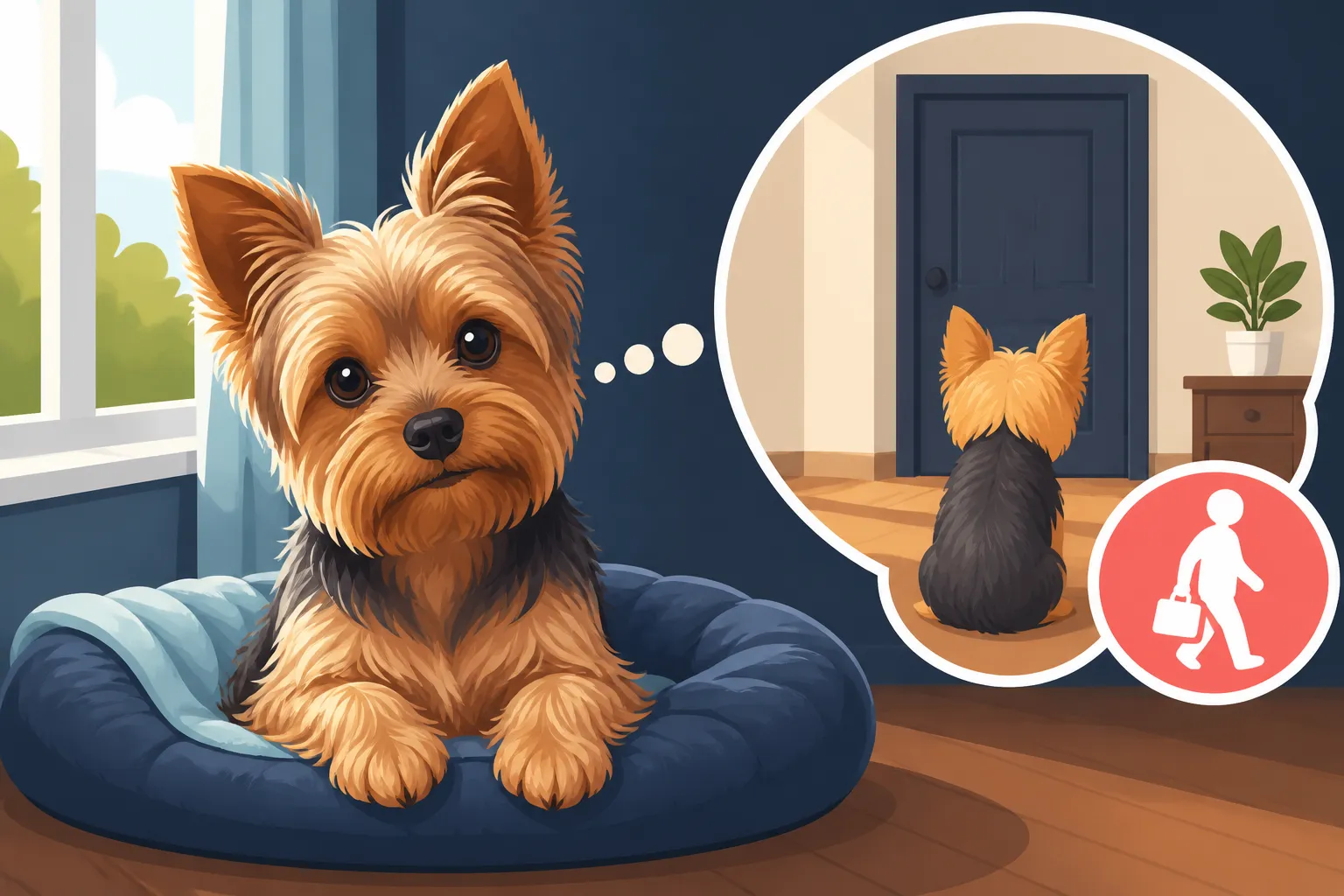
Can Yorkies Be Left Alone
One of the most common worries for any Yorkshire Terrier parent is the nagging question: "Can Yorkies be left alone?" It's a completely valid concern because these tiny dynamos are famously attached to their humans, often acting like little shadows. The thought of leaving them by themselves, even for a short time, can fill you with guilt and anxiety, wondering if they'll be okay or if you'll come home to a chaotic scene. This comprehensive guide is here to walk you through everything you need to know about leaving your beloved Yorkie alone, from understanding their nature to practical strategies for making their alone time safe and comfortable.
Understanding the Yorkie Temperament and Need for Companionship
Yorkshire Terriers might be small in stature, but they have personalities as big as any large breed. They were originally bred to be ratters in textile mills, which meant they needed to be brave, alert, and often, quite independent in their task. However, over time, they’ve also become cherished companion dogs, developing a deep, almost unparalleled bond with their human families. This dual nature often creates a challenge when it comes to alone time.
The "Velcro Dog" Phenomenon
If you own a Yorkie, you know exactly what the "velcro dog" phenomenon is all about. They stick to you like glue, following you from room to room, often preferring to be in your lap or right at your feet. This isn't just a cute quirk; it's deeply ingrained in their breed's desire for companionship and their inherent need to feel safe and secure. Their devotion is one of their most endearing qualities, but it also means they can struggle profoundly when their favorite human suddenly disappears. It's truly heartbreaking to see them pace by the door, waiting, or hear their mournful barks as you leave. Many Yorkie owners express frustration because they feel like they can't even run to the grocery store without their furry friend feeling abandoned.
This intense attachment makes them prone to developing Yorkshire Terrier Separation Anxiety Solutions if not properly prepared for periods of solitude. They thrive on interaction and being part of the family action, which is why a sudden absence can be so jarring for them. Understanding their innate need for closeness is the first step in addressing how to manage their alone time effectively. You can't just expect a breed this devoted to shrug off loneliness.
How Their Small Size Influences Alone Time
Their diminutive size, while part of their charm, also plays a significant role in how much and how safely they can be left alone. For one, a tiny Yorkie might not be able to hold their bladder for as long as a larger dog, especially puppies or senior dogs. This means they'll need more frequent potty breaks, making long stretches of alone time impractical and unfair.
Beyond potty needs, their small stature makes them more vulnerable to accidents. They can easily get into tight spaces, chew on inappropriate items, or even injure themselves jumping off furniture if not properly supervised. A home that might be safe for a Labrador might contain numerous hazards for a curious Yorkie. For instance, a small gap under a door could be an escape route, or a piece of dropped food, harmless to a bigger dog, could be a choking hazard or trigger a bout of severe illness for a tiny Yorkie. They're delicate little creatures, and that delicacy demands a certain level of vigilance, even when you're not physically present.
Factors Influencing How Long a Yorkie Can Be Left Alone
There's no one-size-fits-all answer to how long a Yorkie can be left alone. It depends heavily on several individual factors, unique to each dog and situation. Ignoring these variables is a recipe for trouble, leading to stress for both you and your little companion.
Age and Developmental Stage
A Yorkie puppy, an adult, and a senior Yorkie each have vastly different needs when it comes to being left alone. It's essential to tailor your expectations and preparations to their specific life stage.
Yorkie Puppies: High Needs and Short Attention Spans
Yorkie puppies, especially those under six months, are essentially canine toddlers. They have tiny bladders and intestines, meaning they need to go potty every 2-3 hours, sometimes even more frequently after eating or waking up. Leaving a young puppy alone for extended periods not only leads to accidents but can also hinder their Yorkshire Terrier Potty Training Guide. Beyond physical needs, puppies are also in a critical developmental stage. They need constant supervision, stimulation, and positive reinforcement to build confidence and good habits. Leaving them alone for too long can lead to loneliness, fear, and destructive behaviors born out of boredom or anxiety. You simply can't expect a tiny 8-week-old fluffball to entertain itself quietly for eight hours. They require frequent human interaction and a structured Yorkshire Terrier Puppy Training Schedule to thrive.
Adult Yorkies: More Independence, Still Social
Once your Yorkie reaches adulthood, generally around 1 year old, they can typically hold their bladder for longer – usually 4-6 hours. Some exceptionally well-trained individuals might manage 7-8 hours, but this should be the absolute maximum and only for highly accustomed dogs. Adult Yorkies are more independent than puppies, but they still thrive on human interaction. While they might tolerate being alone for a standard workday, it's crucial that this alone time is balanced with plenty of quality time before and after. An adult Yorkie left alone for 8+ hours daily without adequate mental and physical stimulation can quickly become bored, anxious, and prone to problem behaviors like excessive barking or chewing. Their social nature means they truly miss you.
Senior Yorkies: Increased Needs and Health Considerations
As Yorkies age, their needs often revert to being more like puppies in some ways, particularly concerning their bathroom habits. Older Yorkies might have less bladder control, or medical conditions that increase their need to urinate more frequently. Conditions like arthritis might make it difficult for them to get to a designated potty spot in time, or even to move around comfortably in a crate. For a deeper dive into their well-being, read about Yorkshire Terrier Senior Care Guide. If you have a senior Yorkie, it's particularly important to consider their comfort and physical limitations when determining how long they can be left alone. Frequent check-ins, shorter alone periods, or arrangements like dog walkers become even more critical for their well-being.
Training and Socialization
A well-trained and socialized Yorkie is far better equipped to handle alone time than one who hasn't had these crucial experiences. This isn't just about obedience; it's about building confidence and resilience.
The Power of Crate Training
Proper Yorkshire Terrier Crate Training Guide can be a lifesaver for managing alone time. A crate, when introduced correctly, becomes a safe, den-like space where your Yorkie feels secure. It provides a confined area where they can't get into trouble, reducing the likelihood of destructive behavior or accidents. However, forcing a Yorkie into a crate they hate or leaving them in it for too long can be detrimental, turning it into a punishment rather than a sanctuary. The goal is for them to choose to relax in their crate, not be terrified of it.
Importance of Early Socialization
A Yorkie who has been well-socialized from a young age – exposed to various sights, sounds, people, and other calm, vaccinated dogs – tends to be more confident and adaptable. This confidence helps them cope better with changes in routine, including your absence. They learn that the world isn't a scary place and that temporary solitude isn't the end of the world. A lack of socialization, conversely, can lead to a fearful or overly dependent dog, exacerbating separation anxiety when left alone.
Individual Personality and Past Experiences
Just like people, every Yorkie has a unique personality. Some are naturally more independent and laid-back, while others are incredibly sensitive and prone to anxiety.
Naturally Anxious Versus Resilient Personalities
You might have a Yorkie who barely bats an eye when you leave, happy to nap until you return. Then there are others who start pacing the moment they see you grab your keys. This inherent temperament plays a huge role. Some Yorkies are simply wired to be more anxious or needier, regardless of how well you train them. Recognizing your individual dog's personality is key to setting realistic expectations and providing appropriate support. You can see common Yorkshire Terrier Temperament and Personality traits, but remember, every dog is an individual.
The Impact of Rescue and Past Trauma
For Yorkies adopted from rescues, their past experiences can heavily influence their ability to be left alone. A dog who has been abandoned, neglected, or has experienced multiple homes might have heightened separation anxiety or trust issues. They may fear that every time you leave, you won't come back. These dogs often require extra patience, understanding, and specialized training to build their confidence and help them feel secure when you're not around. Their emotional needs often run deeper than a puppy from a stable home environment.
Strategies for Preparing Your Yorkie for Alone Time
It’s completely possible to teach your Yorkie to be comfortable spending time by themselves, but it requires a thoughtful, patient, and consistent approach. You can't just expect them to adjust overnight.
Crate Training and Safe Spaces
Creating a secure and positive designated space is paramount for your Yorkie's comfort and safety when you're away.
Making the Crate a Haven, Not a Prison
The idea of a crate often conjures images of a cage, but for a dog, it should be their personal den – a safe, cozy retreat. Start by making the crate inviting with soft bedding, a favorite toy, and even a treat-dispensing puzzle toy. Never use the crate as punishment. Encourage them to go in voluntarily, praising and rewarding them. Feed meals inside the crate to build positive associations. Once your Yorkie sees their crate as a good place, they'll be far more likely to relax in it when you're gone. Remember, the crate should be appropriately sized – large enough for them to stand, turn around, and lie down comfortably, but not so large that they can use one end as a bathroom. You can find excellent options and accessories on sites like Chewy to make their crate truly comfortable.
Designating a Safe and Enriched Area
If a crate isn't feasible or preferred, or if you're comfortable giving your Yorkie a bit more space, designate a secure, "Yorkie-proof" room or playpen. This area should be free of hazards – no loose wires, small objects they could swallow, or toxic plants. Ensure they have access to fresh water, a comfy bed, and plenty of engaging toys. A baby gate can be a great way to confine them to a safe zone within your home. The key is consistency; this is their "alone zone," and they should feel secure and familiar with it.
Gradual Desensitization and Alone Time Training
This is perhaps the most critical step in teaching your Yorkie to be comfortable alone: a slow, incremental approach.
The Art of the "Fake Leave"
Start small. Leave the room for a minute, then return. Don't make a big fuss when you leave or return. The goal is to make your departures and arrivals seem normal and uneventful. Gradually increase the time you're out of sight. Go outside for five minutes, then ten, then thirty. Practice this when you don't actually need to leave for a long time. The idea is to desensitize them to your coming and going, breaking the association between your departure and potential panic.
Building Up Duration Incrementally
Once your Yorkie is comfortable with short periods, start extending the time. Leave for errands, initially for an hour or two, then longer. Always ensure they've had a potty break and some exercise beforehand. Consistency is key. If you constantly leave them alone for varying durations without warning, they might not learn to anticipate your return. The more predictable your routine is (even if the 'alone' duration varies), the more secure they will feel. Don't give in to dramatic goodbyes or hellos; keep it calm and business-like to avoid fueling their anxiety.
Enrichment and Mental Stimulation
A tired Yorkie is a happy Yorkie, and a mentally stimulated Yorkie is often a calmer Yorkie. Providing engaging activities can make a world of difference during alone time.
Puzzle Toys and Interactive Feeders
Before you leave, offer your Yorkie a puzzle toy filled with treats or a KONG stuffed with peanut butter or wet food (you can even freeze it to make it last longer!). These toys provide mental stimulation and keep them occupied for extended periods, associating your departure with a positive experience. They have to "work" for their reward, which is incredibly satisfying for them and helps burn mental energy. Chewy offers a wide variety of excellent puzzle toys that cater to different difficulty levels, perfect for keeping those smart Yorkie minds busy.
Chew Toys for Comfort and Stress Relief
Provide a selection of appropriate chew toys. Chewing is a natural stress-reliever for dogs and can help alleviate anxiety when you're not there. Make sure the toys are durable, safe for their size, and won't splinter or be easily swallowed. Rotate their toys regularly to keep things interesting. You can find many safe and durable chew options for small breeds on platforms like Chewy.
What Happens When Yorkies Are Left Alone for Too Long?
Leaving any dog alone for excessive periods can lead to problems, but with a highly social and sensitive breed like the Yorkshire Terrier, the consequences can be particularly severe and heartbreaking.
Separation Anxiety
This is one of the most common and distressing issues for Yorkie owners. It's not just a little whining; it's a genuine panic attack for your dog.
Signs and Symptoms of Distress
A Yorkie suffering from separation anxiety may exhibit a range of symptoms, including excessive barking or howling (which can certainly upset your neighbors!), destructive chewing (often targeting door frames, windowsills, or your personal items), inappropriate urination or defecation indoors (even if fully potty trained), frantic pacing, or obsessive licking. They might also try to escape their confinement, potentially injuring themselves in the process. These behaviors aren't out of spite; they are manifestations of extreme fear and distress. If you come home to a house that smells of urine and a chewed-up sofa, your Yorkie isn't being "bad"; they're telling you they're utterly miserable when you're gone. To learn more, check out Yorkie Separation Anxiety: Signs and Fixes.
Impact on the Dog and Owner
For the Yorkie, separation anxiety is a terrifying experience, filled with fear and loneliness. It severely impacts their quality of life, making every departure a source of intense stress. For owners, it's frustrating, expensive (due to property damage), and emotionally taxing. It can strain the human-animal bond and make you dread leaving your home. Addressing separation anxiety requires patience, professional guidance (from a vet or certified dog behaviorist), and a commitment to modifying your Yorkie's routine and environment.
Boredom and Destructive Behavior
Even if your Yorkie doesn't have full-blown separation anxiety, prolonged boredom can lead to undesirable behaviors.
Chewing and Digging as Outlets
Yorkies are intelligent and active little dogs. If they're left alone with nothing to do, they'll invent their own entertainment. This often manifests as destructive chewing on furniture, shoes, or anything they can get their mouths on. They might also engage in digging at carpets or scratching at doors. These aren't malicious acts; they're simply channeling their natural instincts and pent-up energy in ways you probably don't appreciate. It's their way of saying, "I'm bored, and I need something to do!"
Excessive Barking and Whining
A bored Yorkie is also a vocal Yorkie. They might bark excessively at every sound, shadow, or passing squirrel, or simply whine continuously out of loneliness. This isn't just annoying; it's a cry for attention and stimulation. While How to Stop a Yorkie from Barking can offer tips, addressing the root cause – boredom and lack of companionship – is essential. Your neighbors will thank you for finding productive outlets for your Yorkie's energy.
Health and Safety Risks
Beyond behavioral issues, leaving a Yorkie alone for too long can pose serious health and safety risks, especially given their small size and specific breed susceptibilities.
Hypoglycemia, Especially in Puppies
Yorkie puppies are particularly prone to hypoglycemia (low blood sugar), which can be life-threatening if not addressed quickly. Missing meals or prolonged periods without access to food can trigger this. If a puppy is left alone for too long, they might become lethargic, weak, disoriented, or even seizure, with no one there to intervene. Recognizing Yorkie Hypoglycemia: Emergency Signs is vital for any Yorkie owner. Even adult Yorkies can be susceptible under certain conditions, making regular feeding schedules important.
Accidents and Choking Hazards
A home full of potential hazards can turn dangerous quickly. Small items that fall on the floor, toxic household cleaners, electrical cords, or even certain houseplants can be life-threatening to a curious Yorkie. If they ingest something harmful or choke, immediate intervention is necessary, which isn't possible if they're left alone for hours. Proper preparation, including creating a safe space, is crucial to mitigate these risks. Check out a detailed How to Prepare Your Home for a Yorkie guide for essential safety measures.
Practical Tips for Minimizing Stress During Your Absence
While Yorkies are highly social, it's inevitable that you'll need to leave them alone sometimes. The key is to implement strategies that minimize their stress and ensure their well-being.
Daily Routine and Exercise
Consistency and adequate physical activity are your best friends when it comes to managing alone time.
The Importance of a Predictable Schedule
Dogs, especially Yorkies, thrive on routine. A predictable schedule for feeding, potty breaks, playtime, and walks helps them feel secure and reduces anxiety. If your Yorkie knows exactly when their next potty break or meal is, they'll be less anxious about holding it or wondering when they'll eat again. Try to stick to a consistent schedule, even on weekends, to prevent confusion and stress.
Pre-Departure Exercise and Potty Breaks
Before you leave, always take your Yorkie for a good walk or engage them in a vigorous play session. A tired dog is a calm dog. Physical exercise helps burn off excess energy and mental stimulation, making them more likely to nap peacefully while you're gone. Follow this with a final potty break right before you head out the door. This ensures they're physically comfortable and less likely to have an accident or feel restless. Remember, even though they're small, Yorkies still have significant Yorkshire Terrier Exercise Needs.
Utilizing Technology and Professional Help
Sometimes, even with the best preparation, you might need a little extra help or reassurance.
Pet Cameras and Monitoring Systems
Investing in a pet camera can provide immense peace of mind. Many modern cameras allow you to monitor your Yorkie remotely, talk to them through a two-way audio feature, and even dispense treats. This allows you to check in on them, observe their behavior, and intervene (via voice, at least) if they seem distressed. Seeing that they're napping calmly can alleviate your guilt and anxiety significantly.
Dog Walkers and Doggy Daycare
If your schedule requires long hours away from home, consider hiring a professional dog walker or enrolling your Yorkie in a reputable doggy daycare. A midday walk and potty break can break up a long day for your dog, provide exercise, and offer much-needed social interaction. Doggy daycare, for socialized Yorkies, can be a fantastic way to ensure they get constant supervision, playtime, and mental stimulation. Do thorough research to ensure the dog walker or daycare is experienced with small breeds like Yorkies and has excellent references.
Creating a "Yorkie-Proof" Environment
Safety first, always. Before you even think about leaving your Yorkie alone, ensure their environment is as safe as possible.
Securing Hazards and Providing Essentials
Walk through your home (or the designated safe space) from a Yorkie's perspective. Are there any loose electrical cords they could chew? Small items on low tables they could swallow? Toxic plants within reach? Ensure all medications, cleaning supplies, and human foods (especially those toxic to dogs, like chocolate or grapes) are securely stored. Provide a sturdy water bowl that won't tip over and is easily accessible. Think about what a curious, bored, or anxious Yorkie might do, and preemptively remove any dangers.
| Yorkie Age Group | Recommended Max Alone Time | Key Considerations |
|---|---|---|
| Puppy (8-16 weeks) | 1-2 hours | Tiny bladder, high energy, frequent potty breaks, prone to hypoglycemia. Critical socialization period. |
| Puppy (4-6 months) | 2-4 hours | Improving bladder control, still needs frequent breaks and stimulation. |
| Adult (1-7 years) | 4-6 hours | Can hold bladder longer, but still highly social. Requires adequate exercise before/after. |
| Senior (8+ years) | 2-4 hours | Decreased bladder control, potential health issues, may need more frequent potty breaks. Needs comfort. |
| Anxious Yorkie | 1-2 hours (with support) | May require specialized training, medication, or professional help to extend. |
Remember, these are general guidelines. Every Yorkie is an individual, and their capacity for alone time can vary. Observing your dog's behavior and adjusting accordingly is always the best approach. Some Yorkies, for instance, might be calmer with a favorite chew from Chewy, providing them with hours of distraction.
Ultimately, while Yorkies can be left alone, they are not a breed that thrives on solitude. They are companion animals through and through. With careful planning, consistent training, and an understanding of their unique needs, you can certainly help your Yorkie cope comfortably with your absence. However, it requires an investment of time and effort to ensure their physical and emotional well-being. For comprehensive care details, explore our Yorkshire Terrier Puppy Care Guide or articles like How Long Can a Yorkie Be Left Alone which delves deeper into specific durations. Making sure their needs are met, even when you're not there, is a crucial part of being a responsible Yorkie parent.
Disclaimer
This article is intended for informational purposes only and does not constitute professional veterinary advice. Always consult with a qualified veterinarian or certified professional dog trainer for any health concerns or before implementing any new training regimens for your Yorkshire Terrier.