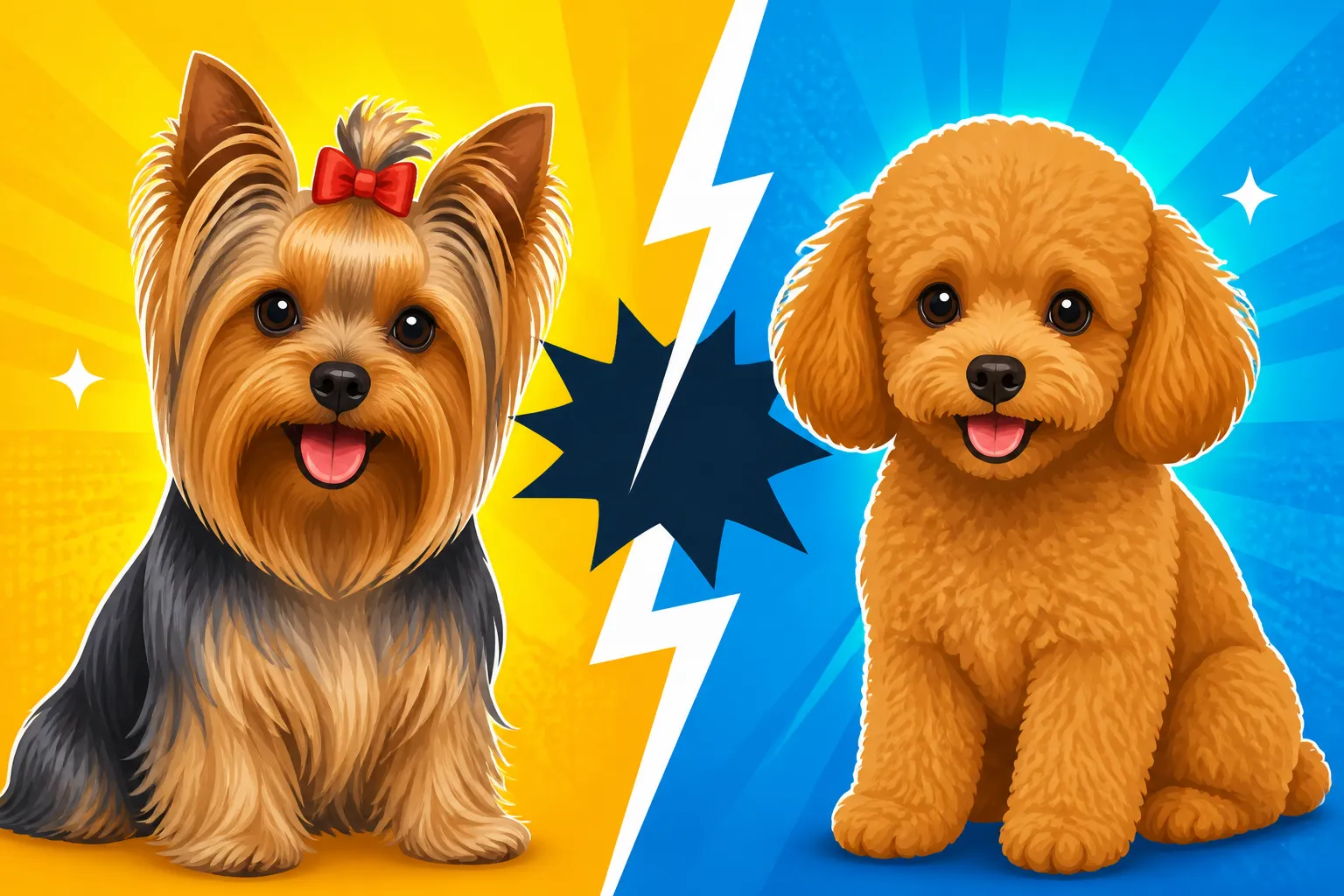
Yorkshire Terrier vs Toy Poodle: Which Is Better
Deciding between two wonderful small breeds like the Yorkshire Terrier and the Toy Poodle can feel like an impossible task. Both are incredibly charming, intelligent, and fiercely loyal, but they also come with their own unique set of quirks and needs that can either perfectly align with your lifestyle or present unforeseen challenges. This guide will meticulously break down the characteristics of each breed, offering a realistic look at what it means to welcome either a spirited Yorkie or a sophisticated Toy Poodle into your home.
Understanding the Yorkshire Terrier: A Pint-Sized Powerhouse
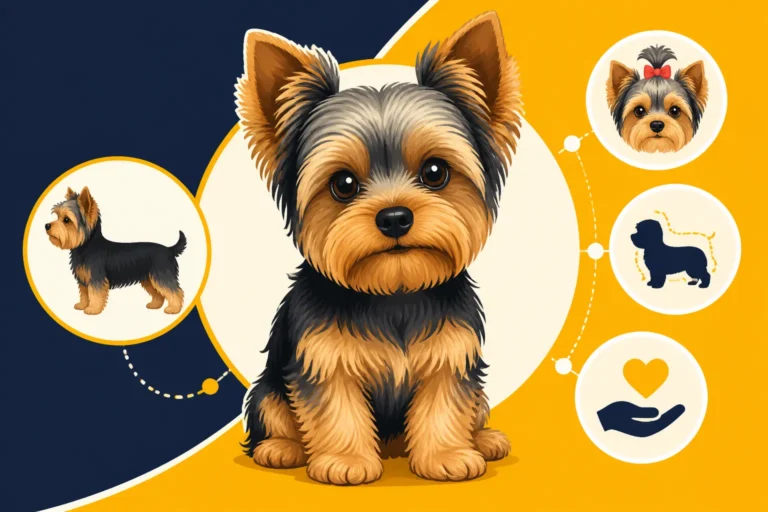
The Yorkshire Terrier, often affectionately called a "Yorkie," might be small in stature, but they possess a huge personality. Originating from 19th-century England, these dogs were originally bred to catch rats in clothing mills, which explains their tenacious, bold, and sometimes bossy demeanor. Don't let their elegant long, silky coat fool you; beneath it lies the heart of a true terrier.
Yorkie Temperament and Personality Traits
Yorkies are known for being incredibly feisty, confident, and highly intelligent, often believing they are much larger than they actually are. They are deeply devoted to their families, often forming a strong bond with one or two primary caregivers. This intense loyalty, while endearing, can sometimes manifest as a tendency to be wary of strangers or other animals if not properly socialized from a young age. They're often described as spirited companions who love to be at the center of attention. You'll find they have a surprising amount of energy for their size, enjoying playtime and short bursts of activity, but they are equally content cuddling on the couch. Their alert nature means they make excellent, albeit sometimes overly enthusiastic, watchdogs, quick to bark at anything they deem amiss. For more on their nature, check out our guide on Yorkshire Terrier Temperament and Personality.
Grooming and Maintenance for a Yorkie
The Yorkie's most defining feature is undoubtedly its long, silky, flowing coat, which is often compared to human hair. This beautiful coat, however, comes with a significant grooming commitment. To prevent mats and tangles, daily brushing is essential. Without diligent care, their hair can quickly become a matted mess, leading to skin irritation and discomfort. Many Yorkie owners opt for a "puppy cut" or a shorter style to make maintenance more manageable, especially if they aren't planning to show their dog. Regular bathing, typically every 1-2 weeks with a good quality shampoo and conditioner, is also necessary to keep their coat clean and healthy. Don't forget about regular nail trims, ear cleaning, and dental care – Yorkies are particularly prone to dental issues, so diligent teeth brushing is crucial. If you’re considering grooming at home, our article on How to Groom a Yorkshire Terrier at Home provides excellent tips.
Exploring the Toy Poodle: An Elegant and Brainy Companion
The Toy Poodle, the smallest variety of the Poodle breed, carries itself with an air of dignified intelligence and athleticism. Despite their reputation for being "fancy," Poodles were originally bred in Germany as water retrievers. Their distinctive curly coat actually served a functional purpose, protecting them from cold water. Toy Poodles retain much of this working dog's intelligence and eagerness to please, scaled down into a compact, adorable package.
Toy Poodle Temperament and Intelligence
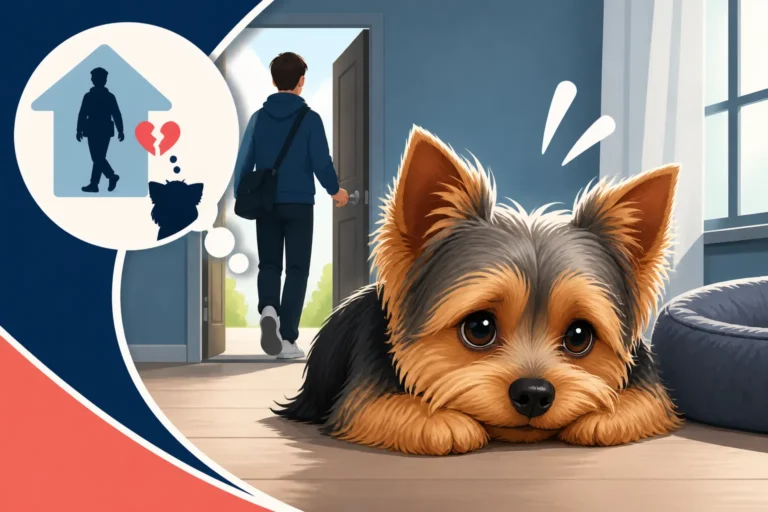
Toy Poodles are renowned for their exceptional intelligence, often ranking among the smartest dog breeds. This makes them highly trainable and quick to pick up new commands and tricks, excelling in dog sports like agility and obedience. They are eager to please their owners and thrive on mental stimulation, which means they can get bored and mischievous if not given enough to do. Their temperament is generally cheerful, sensitive, and playful, making them wonderful companions. They tend to be very affectionate with their families and can be good with respectful children and other pets, provided they are properly socialized. While they can be a bit reserved with strangers at first, they typically warm up quickly. Like Yorkies, Toy Poodles can also be prone to separation anxiety if left alone for extended periods due to their strong bond with their human companions.
Grooming and Upkeep for a Toy Poodle
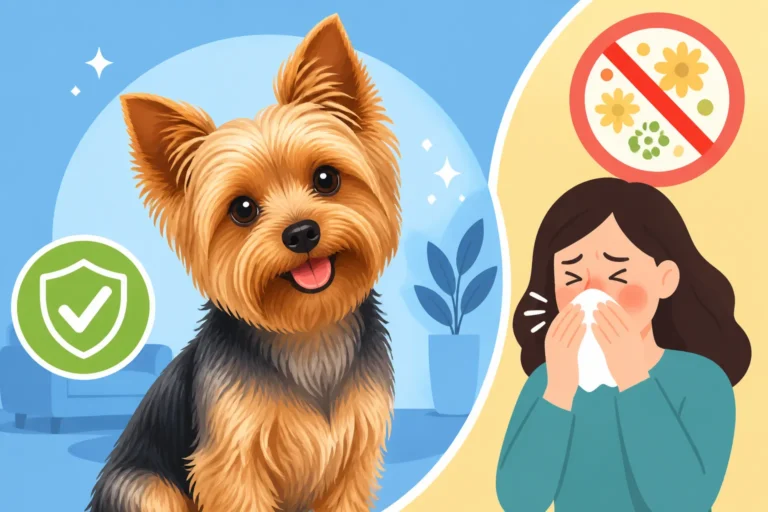
Just like their larger Poodle cousins, Toy Poodles possess a dense, curly, non-shedding coat that makes them a popular choice for people with allergies. However, "non-shedding" does not mean "maintenance-free." In fact, their coat requires even more meticulous care than a Yorkie's to prevent matting, which can become severe and painful if neglected. Regular brushing, ideally daily or every other day, is absolutely essential. Most Toy Poodle owners choose to have their dogs professionally groomed every 4-6 weeks, which includes bathing, drying, clipping, and styling. The cost of this can add up, so it's a significant factor to consider. If you prefer to groom at home, be prepared for a learning curve and investing in quality tools. Products from brands like Chewy often offer a wide range of grooming supplies suitable for Poodle coats, from specialized brushes to hypoallergenic shampoos.
Direct Comparison: Key Differences in Temperament, Care, and Health
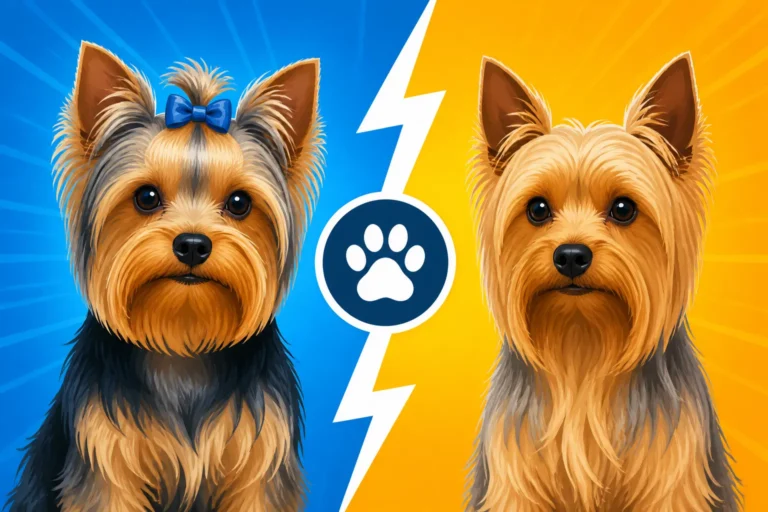
When you look at a Yorkshire Terrier and a Toy Poodle side-by-side, it’s clear they have distinct characteristics. While both are small, affectionate, and intelligent, their differences can significantly impact which breed is a better fit for your household.
Personality and Behavioral Nuances
- Yorkshire Terrier: Expect a bolder, more independent, and sometimes stubborn personality. They possess a strong terrier prey drive and can be quite vocal, making them excellent little watchdogs but sometimes prone to excessive barking if not trained. Their loyalty can be intense, sometimes leading to "small dog syndrome" if not properly socialized and boundaries set. They’re quite playful but also love to snuggle on their own terms.
- Toy Poodle: These dogs are generally more people-oriented and eager to please, making them easier to train in many aspects. Their high intelligence means they excel at learning complex commands and enjoy having a "job" to do, whether it's learning tricks or participating in dog sports. They are typically less vocal than Yorkies but can be more sensitive to their environment and human emotions. They tend to be more uniformly adaptable and less prone to the "bossy" streak sometimes seen in Yorkies.
| Feature | Yorkshire Terrier (Yorkie) | Toy Poodle |
|---|---|---|
| Size (Adult) | Typically 4-7 pounds, 7-8 inches tall | Typically 4-6 pounds, up to 10 inches tall |
| Coat Type | Long, silky, fine hair (similar to human hair) | Dense, curly, coarse hair |
| Shedding | Minimal shedding, considered hypoallergenic | Non-shedding, considered hypoallergenic |
| Grooming Needs | Daily brushing, regular baths, professional grooming every 4-6 weeks (if coat is kept long) | Daily/every other day brushing, professional grooming every 4-6 weeks (essential) |
| Temperament | Bold, tenacious, confident, loyal, sometimes stubborn, can be vocal | Intelligent, eager to please, playful, sensitive, active, adaptable |
| Trainability | Intelligent but can be stubborn; requires consistent positive reinforcement | Highly intelligent, eager to please, excels in obedience and tricks |
| Barking Tendency | High (excellent watchdogs) | Moderate to high (can be alert barkers) |
| Exercise Needs | Moderate; daily short walks, indoor play | Moderate; daily walks, mental stimulation is key |
| Common Health Issues | Patellar luxation, tracheal collapse, dental disease, hypoglycemia, liver shunt | Patellar luxation, progressive retinal atrophy, Addison's disease, epilepsy, dental disease |
Grooming Commitment
While both breeds are often touted as hypoallergenic due to their minimal shedding, the type and density of their coats lead to different grooming demands.
- Yorkies require consistent brushing to prevent tangles in their fine, silky hair. Their coat, if kept long, can act like a mop, picking up dirt and debris. Many owners opt for practical shorter cuts. Maintaining their signature long show coat is a full-time job.
- Toy Poodles have a denser, curlier coat that, while not shedding, mats very easily. If a Poodle’s coat is neglected for even a few days, it can form tight, painful mats that often require shaving down to the skin. Professional grooming is almost a necessity for most Toy Poodle owners, making them a more expensive breed to maintain in terms of grooming costs. You can find specialized tools for Poodle coats on platforms like Chewy, which can help with at-home maintenance between professional appointments.
Health Considerations
Both breeds are generally robust but do have predispositions to certain health issues, many of which are common among small dog breeds.
- Yorkshire Terriers are particularly prone to conditions such as Yorkshire Terrier Patellar Luxation: Signs and Care, where the kneecap slips out of place, and Yorkshire Terrier Collapsing Trachea: Signs and Care, a progressive respiratory condition. Dental disease is also rampant in Yorkies, often starting at a young age, so preventative Yorkshire Terrier Dental Care Guide is vital. Other concerns include hypoglycemia, especially in puppies, and portosystemic shunt (liver shunt).
- Toy Poodles share some common ailments with Yorkies, like patellar luxation and dental disease. However, they are also prone to certain genetic eye conditions such as Yorkshire Terrier Cataracts: Signs and Treatment and Progressive Retinal Atrophy (PRA), as well as endocrine disorders like Addison's disease and Cushing's disease. Epilepsy can also be a concern. It’s always important to select a reputable breeder who screens their breeding stock for these conditions.
Which Breed is Right for Your Lifestyle?
Ultimately, the "better" breed comes down to which one's characteristics and needs align best with your family, living situation, and commitment level. Both are wonderful companions, but their differences can significantly impact daily life.
Suitability for Different Households
- Families with Children: Both breeds can be good family dogs, but with caveats. Yorkies, due to their small size and sometimes feisty nature, can be nippy if not handled gently, making them potentially less suitable for very young, boisterous children. Toy Poodles, with their generally more patient and eager-to-please temperament, can often integrate well into families with older, respectful children. Regardless, supervision is key with any small dog and kids. For more on this, consider reading Are Yorkshire Terriers Good Family Dogs.
- First-Time Dog Owners: Toy Poodles are often considered a slightly easier choice for first-time owners due to their high trainability and strong desire to please. Yorkies, while intelligent, can be more stubborn and challenging, especially with housebreaking and excessive barking, requiring a more consistent and firm (but gentle) hand.
- Apartment Living: Both breeds excel in apartment living due to their small size. As long as their exercise needs are met with daily walks and indoor play, they don't require vast outdoor spaces. However, a Yorkie's propensity for barking might be more of a concern in close quarters.
- Activity Level: Neither breed requires extensive outdoor exercise. A couple of short daily walks and some indoor playtime are usually sufficient for both. Yorkies tend to have bursts of energy, while Toy Poodles appreciate consistent, moderate activity and mental challenges. Our article on Yorkshire Terrier Exercise Needs offers more insights into keeping them active.
Training and Socialization Needs
- Yorkies: Training a Yorkie requires patience and consistency. They are intelligent and can learn quickly, but their independent streak means they might choose to ignore commands if they don't see the benefit. Early socialization is crucial to mitigate their tendency to be wary of strangers and to manage their sometimes-bossy attitude towards other animals. Potty training can be particularly challenging for Yorkies, often requiring a dedicated approach, as detailed in our Yorkshire Terrier Potty Training Guide.
- Toy Poodles: Toy Poodles thrive on training. Their intelligence and desire to please make them highly responsive to positive reinforcement methods. They learn quickly and enjoy mental challenges, making them excellent candidates for advanced obedience, trick training, or even canine sports. Early socialization is still important to ensure they are well-adjusted and confident around new people and experiences.
When it comes to daily care and a healthy diet, both breeds benefit immensely from high-quality nutrition. Whether you choose a Yorkie or a Toy Poodle, investing in premium dog food is vital for their overall well-being. Brands available through retailers like Chewy often feature specific formulas designed for small breeds, focusing on appropriate kibble size and nutrient density. Ensuring your chosen companion maintains a healthy weight and receives regular vet check-ups is paramount, as discussed in our How to Keep a Yorkshire Terrier Healthy article, and this advice applies equally to Toy Poodles.
Ultimately, both the Yorkshire Terrier and the Toy Poodle are fantastic small dog breeds capable of bringing immense joy and companionship to the right home. Your decision should hinge on which breed's unique blend of personality, grooming demands, and health considerations best fits your lifestyle and expectations for a furry family member.
Disclaimer
This article is intended for informational purposes only and does not constitute professional veterinary advice. Always consult with a qualified veterinarian for any health concerns or before making any decisions about your pet's care.