Black And Tan Yorkshire Terrier: What to Know
It’s easy to feel a little confused when you start looking into Yorkshire Terrier coat colors. You might have seen adorable puppies advertised as "black and tan" and wondered if that's a different variety, or if your own Yorkie, who started out quite dark, truly fits the bill. This guide is here to unravel the mysteries behind the Yorkshire Terrier's coat, explaining exactly what "black and tan" means in the Yorkie world and how it relates to the breed's recognized standards.
Understanding the True Yorkshire Terrier Color Standards
When we talk about Yorkshire Terrier colors, it’s important to distinguish between what puppies look like initially and what they mature into, as well as the official breed standards. Many people are surprised to learn that a true, adult "black and tan" isn't the standard for a Yorkshire Terrier. The breed's beauty is deeply rooted in its unique color development.
Puppy Pigmentation: The Initial Dark Coat
Almost all Yorkshire Terrier puppies are born much darker than their adult coats will eventually be. This is completely normal and actually a charming part of their development! When a Yorkie puppy first comes home, often between 8 to 12 weeks, their coat is typically black with tan markings. You’ll notice the black on their back and head, with tan on their legs, chest, and around their muzzle. This early coloration leads many new owners, and even some less experienced breeders, to refer to them as "black and tan Yorkies." It’s a common misconception, but it’s crucial to understand that this is just a transitional phase. Think of it like a baby’s hair color; it often changes dramatically as they grow up. This initial coloring is a natural indicator of a healthy, purebred Yorkie puppy and is part of the enchanting journey of watching their unique coat mature.
The Fading Gene: How Yorkie Colors Develop
The magic of a Yorkshire Terrier's coat lies in a genetic trait often referred to as the "fading gene" or "greying gene." This gene causes the black in their coat to lighten over time, transforming into the distinct "blue" shade that is characteristic of the breed standard. This process, known as "breaking" or "silvering," usually begins around six months of age and can continue well into their second year, sometimes even longer. The intensity of the blue can vary, ranging from a dark, steely blue-black to a lighter, silvery-blue. Similarly, the tan markings will often deepen and become richer, developing into a bright golden tan. It's not a rapid change, but a gradual, subtle shift that unfolds over many months. This is why if you see an adult Yorkie that is truly black and tan, it’s usually either a very young dog still developing, or a Yorkie that doesn't fully conform to the established breed standard. This transformative process is one of the most fascinating aspects of owning a Yorkshire Terrier, and it’s a good sign that your little companion is developing correctly. To learn more about their general characteristics, check out our comprehensive guide on the Yorkshire Terrier Breed Guide: Everything to Know.
Dissecting Official Breed Standard Colors
Understanding what the American Kennel Club (AKC) and other reputable registries consider the "standard" colors for a Yorkshire Terrier can clear up a lot of the confusion surrounding the "black and tan" designation. These standards exist not just for aesthetics, but to ensure breed consistency and health.
AKC Standard Colors and Their Descriptions
According to the American Kennel Club, the only recognized color combinations for a Yorkshire Terrier are Blue and Tan or Blue and Gold. Noticeably, "black and tan" is absent from this list for adult Yorkies.
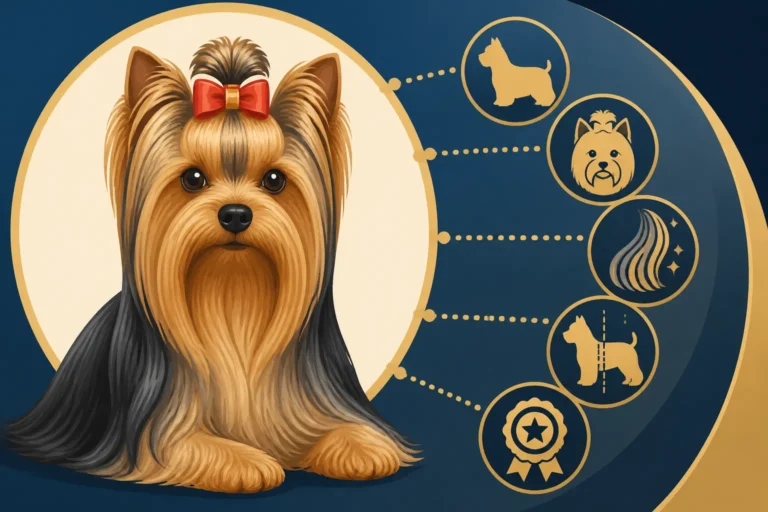
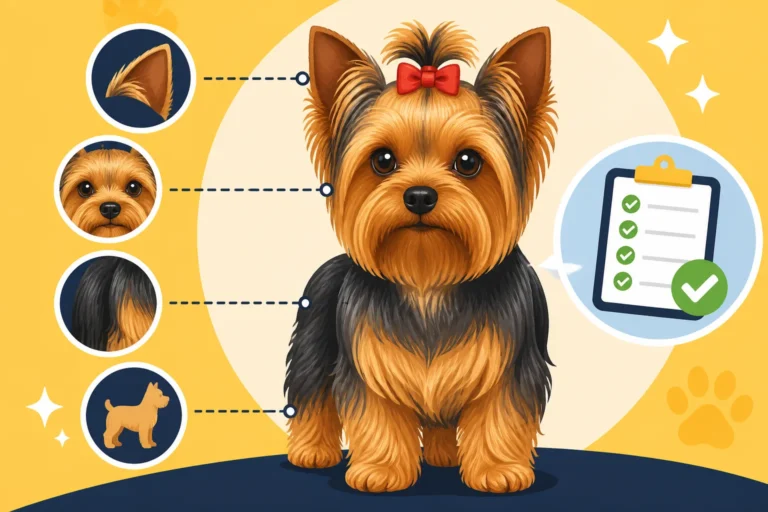
- Blue: This isn't a bright sky blue, but rather a dark, steel-blue shade that appears on the body and tail. It should be rich and evenly distributed, not mixed with fawn or bronzy hairs. This "blue" is what the puppy's initial black coat matures into.
- Tan/Gold: This refers to the rich, clear tan or gold color found on the head, legs, and chest. The tan on the head should be darker at the sides, lightening towards the ears and muzzle. It should be free from any sooty or dark hairs.
For instance, a show-quality Yorkie will have this very specific combination. The blue will be a gorgeous, deep steel color, not charcoal black, and the tan will be a vibrant golden hue, not a pale cream. If a puppy's coat doesn't "break" into blue, but remains black well into adulthood, it means it doesn't meet the breed standard. This doesn't make them any less lovable as a pet, but it's an important distinction for breeding or show purposes.
The Importance of Color in Show Versus Pet Yorkies
For most of us who simply adore our Yorkies as cherished family members, whether their coat perfectly matches the AKC standard might not be a top priority. A Yorkie that remains "black and tan" into adulthood, or has a slightly different shade of blue or tan, is still a wonderful companion. However, for those interested in showing their Yorkshire Terrier, adherence to the breed standard, including color, is paramount. Judges evaluate dogs based on a strict set of criteria, and incorrect color can lead to disqualification or lower scores.
For a pet Yorkie, an adult "black and tan" coat might be a genetic variation or simply a slower maturation process. It doesn't typically impact their health or temperament. What truly matters is a healthy, happy dog. When considering a puppy, an ethical breeder will always explain these color expectations and show you the parents' mature coats. They'll also focus on overall health and temperament, which are far more crucial than just coat color for a family pet. If you're looking for a companion and not a show dog, don't let a "non-standard" color deter you from an otherwise perfect fit. You can read more about typical Yorkie behaviors in our article on Yorkshire Terrier Temperament and Personality.
Why You Might Still See "Black and Tan" Yorkies
Despite the official standards, it's not uncommon to encounter Yorkies described or appearing as "black and tan." This usually comes down to a few key factors: the dog's age, specific genetic traits, or even simply the way certain non-standard color variations are described.
True Black and Tan Versus Blue and Tan
The main distinction between a "true black and tan" (which is essentially an immature coat in purebred Yorkies) and "blue and tan" is the underlying genetics and the progression of the coat color. As discussed, a standard Yorkshire Terrier starts black and tan as a puppy, but the black should transition to blue as they mature. This blue is a unique steel-grey blue, not a deep raven black. If a Yorkie's black points, specifically on the saddle and head, do not lighten to blue by the time they are two years old, they are considered to have a "black" coat rather than a "blue" coat by AKC standards.
This difference is more than just semantics; it reflects the presence (or absence) of the greying gene. A dog that remains truly black and tan into adulthood might have a genetic variation that prevents the black from fading to blue. This doesn't mean they are not a Yorkie, but rather that they do not conform to the strict breed standard for color. For most pet owners, this simply means a unique-looking companion.
Genetics and Non-Standard Colors
Beyond the standard blue and tan/gold, there are other genetic variations that can lead to different coat colors in Yorkies, sometimes colloquially referred to as "black and tan" even when they are genetically distinct. These are often called "non-standard" or "designer" colors and are not recognized by the AKC or other major kennel clubs for the Yorkshire Terrier breed. Some of these include:
- Parti Yorkies: These dogs carry a recessive piebald gene, resulting in a white coat with patches of black and tan or blue and tan. Their pattern is distinct, with clear white areas, and they are quite beautiful.
- Chocolate Yorkies: These Yorkies have a brown pigment instead of black, so their "blue" areas appear brown, and their "tan" areas might be a lighter cream or golden brown. They can sometimes be mistaken for a dark black and tan if the lighting isn't right.
- Golden Yorkies: These dogs are predominantly golden or tan with very little to no blue/black on their bodies. Their coloration is quite unique and distinctly different from the standard.
These color variations are a result of specific recessive genes. For example, the gene that codes for brown (chocolate) is separate from the gene that causes the black to fade to blue. Breeders sometimes intentionally breed for these non-standard colors, though it's important to remember that these dogs, while still Yorkies by lineage, would not be eligible for conformation shows under traditional breed standards. It's always wise to research the specific genetic background of any Yorkie puppy you are considering, especially if you have questions about their adult coat color.
Here's a quick comparison of standard vs. often-seen "black and tan" descriptions:
| Feature | Standard AKC Yorkshire Terrier | "Black and Tan" Yorkie (often) |
|---|---|---|
| Body Color | Steel Blue (dark, grey-blue, not black) | Black (often jet black, no blue transition) |
| Head/Legs Color | Rich Tan/Gold | Tan (can vary in richness) |
| Development | Black at birth, fades to blue by 1-2 years | Often retains black body coat into adulthood |
| Breed Standard | Recognized and preferred for show dogs | Not recognized for show dogs; considered a non-standard color variation |
| Genetic Basis | Possesses the "greying" gene that fades black to blue | May lack or have a suppressed "greying" gene, retaining black |
Caring for Your Yorkie's Coat and Color
Regardless of whether your Yorkie adheres perfectly to the breed standard or rocks a beautiful "black and tan" adult coat, proper care is essential for their overall health and the vibrancy of their fur. A healthy coat is a happy coat, and it often reflects their internal well-being.
Nutritional Support for Coat Health
Just like us, a Yorkie's diet plays a massive role in the health and appearance of their skin and coat. A high-quality dog food provides the necessary nutrients, vitamins, and minerals to support lustrous hair and healthy skin. Look for foods that list a named meat source (like chicken, lamb, or salmon) as the first ingredient. Many premium dog foods, easily found on sites like Chewy, are formulated with skin and coat health in mind. Ingredients such as Omega-3 and Omega-6 fatty acids are particularly beneficial. These essential fatty acids, often derived from fish oil, flaxseed, or sunflower oil, help to reduce inflammation, keep skin moisturized, and give the coat a beautiful, healthy sheen.
If your Yorkie has a sensitive stomach or allergies, you might need to experiment to find the best food. Some owners find that grain-free or limited-ingredient diets work well. For example, brands like Blue Buffalo or Merrick offer varieties specifically aimed at sensitive skin and stomachs, which in turn supports a healthy coat. Remember, a dull, dry, or brittle coat can sometimes be a sign of nutritional deficiencies, so always consult with your vet if you notice significant changes. A well-balanced diet is the cornerstone of a vibrant coat and overall wellness for your tiny companion. You can explore options in our guide on the Best Dog Food for Yorkshire Terriers.
Grooming Practices to Maintain Shine
Maintaining a Yorkie's coat requires dedication, whether it's long and flowing or a cute puppy cut. Regular grooming is not just about aesthetics; it's vital for preventing mats, skin irritations, and keeping their coat healthy and shiny.
- Daily Brushing: The silky texture of a Yorkie's hair makes it prone to tangles and mats, especially if left long. Daily brushing with a pin brush and a metal comb helps to remove loose hair, distribute natural oils, and prevent matting. For areas prone to mats, like behind the ears or under the legs, be extra diligent. Regular brushing also acts as a gentle massage, improving circulation to the skin. This consistent routine is key to avoiding painful knots and maintaining their gorgeous locks.
- Regular Baths: While too-frequent bathing can strip natural oils, a bath every 2-3 weeks is generally recommended for Yorkies. Use a high-quality shampoo and conditioner formulated for dogs, preferably one that is moisturizing and pH-balanced. Brands like Earthbath or Burt's Bees offer gentle, natural options. After bathing, gently towel-dry and then use a low-heat blow dryer while brushing to prevent tangles and ensure their hair dries thoroughly, especially in colder weather.
- Professional Grooming: Many Yorkie owners opt for professional grooming every 4-8 weeks. A professional groomer can give your Yorkie a stylish haircut, such as a Yorkie Puppy Cut: What to Know, trim their nails, clean their ears, and express their anal glands if needed. This not only keeps your Yorkie looking their best but also helps maintain hygiene and comfort.
- Eye and Ear Care: Yorkies can be prone to tear stains, so gently cleaning around their eyes daily with a damp cloth or a specialized eye cleaner can help prevent discoloration. Regular ear cleaning is also crucial to prevent infections. Many grooming supplies, from brushes to shampoos and eye wipes, can be conveniently ordered from online retailers like Chewy.
Proper grooming ensures their coat stays in top condition, making them look and feel fabulous. For a detailed walkthrough, you might find our Yorkshire Terrier Grooming Guide incredibly helpful, or learn how to manage it yourself with How to Groom a Yorkshire Terrier at Home. Remember, consistent care is a labor of love that pays off in a vibrant, healthy companion.
Special Considerations for Yorkie Health and Longevity
Beyond coat color, focusing on your Yorkie's overall health is the most important aspect of responsible pet ownership. Yorkshire Terriers, like all breeds, have certain predispositions that owners should be aware of to ensure a long and happy life.
Common Health Concerns in Yorkshire Terriers
While Yorkies are generally robust little dogs, they are prone to a few specific health issues due to their small size and genetic lineage. Being aware of these can help you identify symptoms early and seek veterinary care promptly.
- Dental Disease: This is incredibly common in small breeds. Their tiny mouths can become overcrowded, leading to plaque and tartar buildup, gum disease, and tooth loss. Regular dental care, including daily brushing with dog-specific toothpaste and regular vet check-ups for professional cleanings, is paramount. Without proper care, dental disease can lead to more serious systemic infections.
- Patellar Luxation: This is a condition where the kneecap slips out of place, causing lameness or a "skip" in their gait. It can range from mild to severe and may require surgery in serious cases. You might notice your Yorkie occasionally holding up a hind leg for a few steps.
- Tracheal Collapse: Due to their delicate windpipes, Yorkies can suffer from a collapsing trachea, especially when excited or pulling on a collar. This results in a distinctive honking cough. Using a harness instead of a collar can significantly reduce pressure on the trachea.
- Hypoglycemia: Particularly in puppies or very tiny adults, low blood sugar (hypoglycemia) can be a concern. This can manifest as lethargy, weakness, trembling, and even seizures. Regular small meals and monitoring for symptoms are crucial.
Early detection and intervention are key to managing these conditions. Regular veterinary check-ups are essential, allowing your vet to monitor your Yorkie's health and provide preventative care. Our article on Yorkshire Terrier Health Problems to Know goes into much greater detail on these and other potential issues.
The Impact of Responsible Breeding on Health
The health and longevity of your Yorkshire Terrier are significantly influenced by responsible breeding practices. Reputable breeders prioritize health and temperament over trends or non-standard colors. They will perform genetic testing on their breeding dogs to screen for common hereditary conditions, such as those related to eyes, knees, and liver.
A good breeder will be transparent about the health history of the parents, grandparents, and previous litters. They will also provide a health guarantee for their puppies, giving you peace of mind. They won't shy away from discussing potential health issues common to the breed but will demonstrate how they actively work to minimize these risks through selective breeding. Avoid breeders who sell "teacup" Yorkies without discussing the inherent health risks associated with extremely small sizes, or those who promote non-standard colors without full disclosure about their genetic origins and any associated health implications. By choosing a reputable breeder, you are increasing the chances of bringing home a healthy, well-adjusted puppy that will be a cherished part of your family for many years. To ensure you're making a wise choice, consider reading our advice on Yorkshire Terrier Puppy Health Guide. Ultimately, good care and responsible breeding contribute immensely to a Yorkie's Yorkshire Terrier Life Expectancy Factors.
Disclaimer
The information provided in this article is for general informational purposes only and does not constitute veterinary advice. Always consult with a qualified veterinarian for any health concerns or before making any decisions about your pet's health or treatment.