Yorkshire Terrier Separation Anxiety
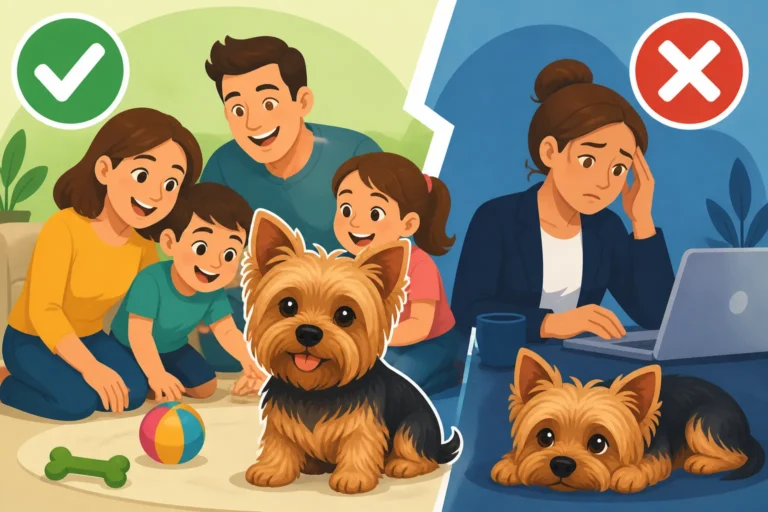
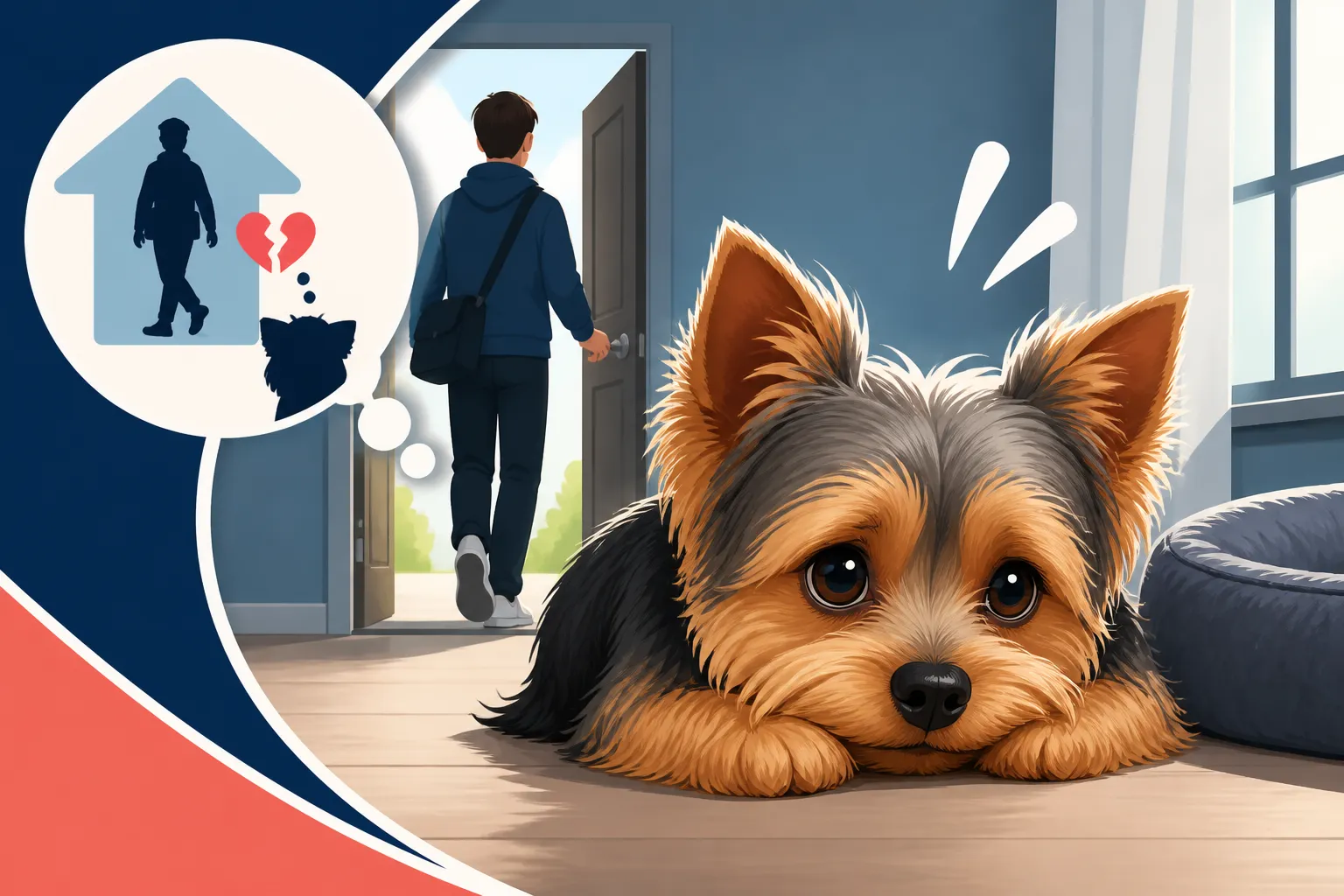
It's incredibly disheartening to leave your sweet Yorkshire Terrier for even a short time, only to return to a whirlwind of destruction, incessant barking, or even accidents on your pristine rug. Many Yorkie parents feel that pang of guilt and frustration, wondering why their otherwise well-behaved companion turns into a nervous wreck the moment they're out of sight. This comprehensive guide is here to walk you through the nuances of Yorkshire Terrier separation anxiety, offering practical, empathetic strategies to ease your pup's distress and bring peace back to your home.
Understanding Yorkshire Terrier Separation Anxiety
Separation anxiety isn't just about a dog missing their owner; it's a genuine panic disorder that can be incredibly debilitating for our furry friends. It manifests as a range of behaviors that stem from intense stress when separated from their primary attachment figure, usually their human parent. For a small breed like the Yorkshire Terrier, who often form incredibly strong bonds, this can be a particularly challenging issue.
What Separation Anxiety Looks Like in Yorkies
When a Yorkie experiences separation anxiety, their distress isn't just a fleeting moment of sadness; it's a profound emotional reaction that can escalate quickly. The signs often appear shortly after you leave, sometimes even before you're out the door, and can persist for the entire duration of your absence. It's not uncommon for owners to think their Yorkie is just being "naughty" or "vindictive," but these behaviors are almost always a cry for help born out of intense fear.
One of the most noticeable symptoms is excessive vocalization. This can range from persistent barking, high-pitched whining, to mournful howling that can drive your neighbors absolutely batty. Imagine a Yorkie like Pip in an apartment in downtown San Francisco, whose owners work long hours. The moment the door clicks shut, Pip might start a non-stop bark-a-thon, echoing through the building, a clear sign of his internal panic. Another very common symptom is destructive chewing or scratching. This isn't just typical puppy chewing; it's often directed at exit points like doors and windows, or items that smell like their owner, such as furniture, shoes, or even your favorite throw blanket. They might claw at the door frame until their paws are sore or chew through a couch cushion in a desperate attempt to relieve their anxiety.
House soiling, even in a perfectly potty-trained Yorkie, is another significant indicator. If your Yorkie consistently has accidents inside only when left alone, despite being taken out regularly and having no other health issues, it's a strong sign of anxiety, not a lack of training. Some Yorkies might even engage in self-mutilation, like excessive licking or chewing their paws until they become raw, or pacing frantically, unable to settle down. Digestive upset, such as vomiting or diarrhea, can also occur in severe cases due to the immense stress. It's crucial to differentiate these behaviors from simple boredom or a lack of training; the key is that they only happen when the dog is alone. You can find more details on this topic in our guide on Yorkie Separation Anxiety: Signs and Fixes.
Common Triggers for Yorkie Separation Anxiety
Understanding what sets off your Yorkie's anxiety is the first step toward helping them. It's rarely a single cause but often a combination of factors, unique to each individual dog.
One of the most common triggers is a sudden change in routine. This could be anything from a new work schedule where you're gone longer than usual, a recent move to a new home, or even a change in family dynamics like a child going off to college. For example, if you've been working from home for months and suddenly have to return to the office, your Yorkie, who has grown accustomed to your constant presence, might develop anxiety overnight. Another significant trigger can be a traumatic event. While less common, a scary experience while alone, like a loud thunderstorm, a fire alarm going off, or even an accidental fall, can create a negative association with solitude. Even seemingly innocuous actions, like picking up your keys, putting on your shoes, or grabbing your bag, can become "pre-departure cues" that trigger anxiety because your Yorkie anticipates your departure.
Beyond routine changes, genetics can play a role, though less directly in separation anxiety than in general nervousness. However, early life experiences, such as being rehomed multiple times or inadequate socialization as a puppy, can significantly contribute. A Yorkie rescued from a shelter after being surrendered might be particularly prone to separation anxiety, fearing abandonment again. Likewise, if a Yorkie puppy was abruptly separated from its littermates and mother too early, or didn't receive enough positive exposure to being alone in short, positive intervals, they may be more susceptible. It's all about building confidence, and if that foundation is shaky, anxiety can creep in. For broader insights into their emotional landscape, check out our piece on Yorkshire Terrier Temperament and Personality.
Why Yorkies Are Prone to Separation Anxiety
Yorkshire Terriers, despite their small stature, possess huge personalities and an even bigger capacity for bonding with their humans. This intense loyalty and desire to be close to their family are beautiful traits, but they can also make them particularly susceptible to separation anxiety.
Firstly, Yorkies were historically bred as companion dogs, specifically to be close to people. They weren't bred for independent tasks like hunting or herding far from their owners. This intrinsic need for companionship means they thrive on human interaction and can become quite dependent. Their small size also plays a part; they're often carried, cuddled, and kept close, which, while lovely, can sometimes inadvertently foster an over-reliance on human presence. If a Yorkie is constantly in someone's arms or on their lap, they rarely get the chance to practice being calm and content on their own. This can lead to a belief that they are not safe or happy without their person.
Furthermore, Yorkies are highly intelligent and sensitive dogs. They pick up on human emotions and routines very quickly. This sensitivity can be a double-edged sword: while it makes them incredibly attuned to their owners, it also means they can easily become distressed by changes or perceived abandonment. They are often described as having a "big dog in a little body" mentality, complete with a tenacious and sometimes anxious streak. Their vocal nature, often used for "guarding" their home and family, can also turn into persistent barking when they're alone and feeling vulnerable. Ultimately, their deep emotional connection to their human family, coupled with their inherent need for security and companionship, makes them more vulnerable to the profound distress that is separation anxiety.
Effective Strategies to Manage and Prevent Yorkie Separation Anxiety
Dealing with separation anxiety requires patience, consistency, and a multi-faceted approach. There's no quick fix, but with dedication, you can significantly improve your Yorkie's ability to cope with being alone. The goal is to gradually teach them that being alone is not a scary event, but a normal, safe, and even relaxing part of their day.
Training and Behavioral Modification Techniques
The cornerstone of addressing separation anxiety lies in behavioral modification, which means slowly changing your Yorkie's emotional response to being alone. This isn't about punishment; it's about positive reinforcement and desensitization.
Start with very brief departures, so short that your Yorkie doesn't even have time to become anxious. This might mean just stepping out of sight for a few seconds into another room, closing the door, and then immediately returning before they show any signs of distress. As your Yorkie remains calm, gradually increase the duration. The key is to keep these departures under their anxiety threshold. If they start to whine or bark, you've gone too far, too fast, and need to dial it back. Practice "mock departures" by going through your routine (grabbing keys, putting on shoes) but then not leaving, or just stepping out for a moment and coming right back in. This helps desensitize them to those pre-departure cues.
Another effective technique is "settle training." Teach your Yorkie to relax on their bed or in their crate with a high-value chew toy or a puzzle toy, even when you're nearby. You want them to associate this spot with calm, independent activity. Brands like Chewy offer a fantastic selection of long-lasting chews and interactive feeders that can keep a Yorkie mentally stimulated and occupied. You could try a KONG Classic filled with peanut butter or a West Paw Zogoflex puzzle toy. When they are calm, reward them lavishly. This builds a foundation for them being able to self-soothe when you're gone. Remember to make your departures and arrivals low-key. No big, emotional goodbyes or excited greetings, as this can heighten the drama around your leaving and returning. A simple, calm acknowledgment is all that's needed. For more general advice on managing challenging behaviors, our guide on Yorkshire Terrier Behavior Problems and Solutions can provide additional context.
Creating a Calming Environment
The physical environment your Yorkie is left in plays a huge role in their comfort and ability to relax. It’s about minimizing stressors and maximizing feelings of security.
First, consider a designated safe space. For many Yorkies, a crate can be a wonderful den, provided it's properly introduced and associated with positive experiences. Never use the crate as punishment, and ensure it's a comfortable size, with soft bedding. A blanket draped over the top can make it feel more den-like and secure. If your Yorkie isn't crate-trained, start slowly and positively with our Yorkshire Terrier Crate Training Guide. Alternatively, a small, dog-proofed room can serve the same purpose. The idea is to limit their access to potential destruction and create a sense of containment, which can be reassuring.
Background noise can also be incredibly helpful. Leaving on a radio, TV, or a white noise machine can muffle outside sounds that might startle or excite your Yorkie, making them feel less alone. There are even specific dog-calming music channels or playlists designed to relax canines. Aromatherapy, using dog-safe diffusers with calming scents like lavender or chamomile, can also contribute to a serene atmosphere. Pheromone diffusers, such as those from Adaptil, release synthetic dog appeasing pheromones that mimic the natural pheromones a mother dog produces to calm her puppies, and many owners find these effective. Before implementing any new diffusers or scents, always ensure they are safe for pets and used in a well-ventilated area. Lastly, ensure they have access to fresh water and some beloved toys. A robust, safe chew toy can provide comfort and mental distraction.
Lifestyle Adjustments and Enrichment
Beyond direct training, a holistic approach involving adjustments to your Yorkie's daily life can significantly reduce their overall anxiety levels. A well-exercised and mentally stimulated Yorkie is a calmer Yorkie.
Ensure your Yorkie is getting enough physical exercise before you leave. A good walk, a game of fetch in the yard, or some vigorous indoor play can help burn off excess energy and promote a calm state. A tired dog is more likely to rest when you're gone. For instance, a brisk 20-minute walk around the neighborhood before you head out for work can make a world of difference. Even for a small breed like a Yorkie, physical activity is crucial. You can find more information on their exercise needs in our guide on Yorkshire Terrier Exercise Needs.
Mental stimulation is equally, if not more, important. Yorkies are intelligent little dogs and need their minds engaged. Provide puzzle toys, snuffle mats, or interactive feeders that challenge them to "work" for their food or treats. You can find many options on sites like Chewy that are perfect for keeping small dogs occupied. Freezing a KONG with peanut butter, yogurt, or wet dog food creates a long-lasting distraction. Hiding treats around the room for them to "hunt" can also be a fun, engaging activity. These activities not only keep them busy but also provide a sense of accomplishment and positive reinforcement for independent play. Building confidence is a key part of this, and you can explore more strategies in How to Build Confidence in a Timid Yorkie.
Consider enriching their routine with regular training sessions that build their confidence and reinforce good behavior. Short, positive training bursts throughout the day can engage their minds and strengthen your bond. When it comes to treats for training, choose wisely; our article on the Best Treats for Training a Yorkie offers some great suggestions. By addressing their needs for both physical exertion and mental engagement, you equip your Yorkie with the tools they need to be more resilient and less prone to anxiety when left alone.
Here's a quick summary of common symptoms and initial interventions:
| Symptom | Description | Initial Intervention |
|---|---|---|
| Excessive Vocalization | Non-stop barking, whining, howling when alone. | Desensitization to departure cues, brief absences, white noise. |
| Destructive Chewing/Scratching | Damage to doors, windows, furniture, personal items. | Provide high-value chew toys, create a safe space (crate/room). |
| Inappropriate Urination/Defecation | Potty accidents only when left alone, despite being trained. | Rule out medical issues, ensure adequate potty breaks, calm environment. |
| Pacing/Restlessness | Continuous movement, inability to settle. | Increase pre-departure exercise, offer mental stimulation toys. |
| Self-Mutilation | Excessive licking, chewing of paws or tail. | Vet check to rule out physical causes, calming aids, professional help. |
| Escape Attempts | Trying to get out of crate, room, or house. | Secure environment, focus on positive association with safe space. |
When to Seek Professional Help for Your Yorkie
While the strategies above can be incredibly effective, some Yorkies have such severe separation anxiety that they require professional intervention. It's important to recognize when you've done all you can and it's time to bring in the experts. Ignoring severe anxiety can lead to worsening symptoms and a significantly reduced quality of life for your beloved pet.
Recognizing Severe Symptoms
It's one thing for a Yorkie to whine for a few minutes after you leave; it's quite another for them to injure themselves or destroy your home. When the symptoms become extreme, they pose a risk to your dog's health and safety, as well as your property.
Signs of severe separation anxiety include self-harm, such as gnawing at paws until they bleed, frantically scratching at doors or windows until nails are damaged, or even attempting to chew through metal crates, risking broken teeth or jaws. I once worked with a Yorkie named Daisy who managed to chew through a wooden door frame, ingesting splinters in her panic. Extreme destruction, such as tearing up entire carpets or furniture, is also a red flag. Persistent diarrhea or vomiting when alone, which isn't linked to diet or other illnesses, indicates profound physical stress. Escape attempts that result in injury, like jumping out of windows or breaking through fences, are immediate concerns for their physical well-being. If you observe any of these severe signs, it's crucial to seek help promptly. Our article on Yorkie Emergency Symptoms to Never Ignore can help you identify critical situations.
Consulting Your Veterinarian or a Certified Behaviorist
Your first point of contact should always be your veterinarian. They can rule out any underlying medical conditions that might be contributing to your Yorkie's behavior. Sometimes, conditions like dental pain, urinary tract infections, or even cognitive dysfunction in older Yorkies can mimic or exacerbate anxiety. Your vet might suggest blood tests or other diagnostics to ensure there isn't a physical cause for the distress. They can also discuss whether anti-anxiety medication might be a suitable short-term option to help your Yorkie cope while you work on behavioral modification. This isn't a cure, but it can lower their anxiety threshold enough for training to be effective.
If your vet confirms it's behavioral, or if the anxiety is severe, they will likely recommend consulting a certified professional dog trainer specializing in behavior or a veterinary behaviorist. These experts have extensive training in animal psychology and can develop a tailored plan for your specific Yorkie. They can observe your dog's behavior, identify triggers you might have missed, and guide you through advanced desensitization and counter-conditioning protocols. For some specialized needs, a veterinary behaviorist has a doctorate in veterinary medicine and has undergone additional training to become a specialist in animal behavior, allowing them to prescribe medication if necessary and integrate it into a comprehensive behavior modification plan.
Medication and Advanced Treatments
For some Yorkies with severe anxiety, behavioral modification alone, though crucial, might not be enough. This is where medication, prescribed and monitored by a veterinarian or veterinary behaviorist, can become a valuable tool. Medications, such as selective serotonin reuptake inhibitors (SSRIs) or tricyclic antidepressants (TCAs), can help regulate brain chemistry, reducing overall anxiety levels. They work best when used in conjunction with a consistent behavior modification program, making the dog more receptive to learning new, calmer responses.
It's important to understand that medication is not a "magic pill" and typically takes several weeks to show full effect. It's a support system, not a standalone solution. Your vet will carefully consider your Yorkie's health history, other medications, and potential side effects before prescribing. Regular follow-up appointments will be necessary to monitor progress and adjust dosages.
Beyond medication, some advanced techniques like acupuncture or specific calming supplements (e.g., L-theanine, tryptophan, CBD for pets) are sometimes explored, though their efficacy can vary and should always be discussed with your vet. Brands like Chewy often carry a range of veterinarian-approved calming supplements. In very rare, extreme cases, where a dog's anxiety is so debilitating they cannot function, more intensive behavioral therapy or even specialized training facilities might be considered. The ultimate goal is always to improve your Yorkie's welfare and help them live a happy, less anxious life. Remember, managing anxiety is a journey, not a destination, and celebrating small victories along the way is key.
Disclaimer
This article is for general informational purposes only and does not constitute professional advice. Laws, prices and regulations vary by location and change over time. Consult a qualified professional for guidance on your specific situation.