Shorkie: Yorkshire Terrier Mix Guide
Bringing a new furry friend into your life is an exciting journey, but when you start looking at all the delightful mixed breeds out there, it can feel a little overwhelming trying to figure out if a particular mix is truly the right fit for your family and lifestyle. Many people are charmed by the idea of a "designer dog" like the Shorkie, but aren't quite sure what to expect from a blend of two distinct terrier personalities. This guide is here to shed light on everything you need to know about the Shorkie, from their unique traits to their specific care needs, helping you decide if this adorable hybrid is your perfect match.
What Exactly is a Shorkie? Understanding This Charming Hybrid
The Shorkie is a relatively new kid on the block in the world of designer dog breeds, emerging from the intentional crossing of a purebred Shih Tzu with a purebred Yorkshire Terrier. It's not just a cute name; it's a blend that aims to capture the best qualities of both parent breeds. Owners often seek out Shorkies for their compact size, affectionate nature, and frequently, their adorable looks. These aren't just accidental mixes; ethical breeders specifically work to produce Shorkie puppies, hoping to create a companion that offers a delightful mix of personalities and features.
The appeal of a Shorkie often lies in its hybrid vigor, which is the idea that mixed-breed dogs can sometimes be healthier than their purebred parents due to a wider gene pool. While this can be true, it's not a guarantee, and Shorkies can still inherit common health issues from both sides of their family tree. Typically, a Shorkie is a small dog, usually weighing between 5 and 12 pounds and standing about 6 to 14 inches tall at the shoulder, making them an excellent choice for apartment living or homes with limited space. Their appearance can vary quite a bit, even within the same litter, depending on which parent's genes are more dominant in each individual puppy. Some might have the longer, flowing hair of a Shih Tzu, while others will sport the fine, silky coat of a Yorkie, often in various shades of black, tan, white, or a combination.
The Origins of the Shorkie
To truly understand a Shorkie, we need to glance at the fascinating backgrounds of its parent breeds. The Shih Tzu, originating from Tibet, was revered by Chinese royalty for centuries. Their name means "little lion," and they were bred primarily as pampered lap companions with luxurious, flowing coats. They are known for their outgoing, playful, and affectionate demeanor, often described as charming and somewhat mischievous. On the other side, the Yorkshire Terrier hails from 19th-century England, where they were bred by working-class weavers to catch rats in textile mills. Despite their small stature, Yorkies possess a bold, feisty, and confident terrier spirit. They are intelligent, energetic, and fiercely loyal to their families, often carrying a "big dog" attitude in a tiny package.
When you bring these two histories together, you get the Shorkie. Breeders began intentionally crossing these breeds in the late 1990s and early 2000s, largely in North America, to create a smaller, more hypoallergenic, and sometimes healthier companion dog. The goal was to combine the Shih Tzu's sweet, outgoing nature with the Yorkie's intelligence and spirited loyalty, resulting in a dog that is both loving and lively. They're often sought after by families who want a small dog with personality but might find a purebred Yorkie's high energy or a Shih Tzu's potential for stubbornness a bit too much.
Common Physical Traits and Coat Varieties
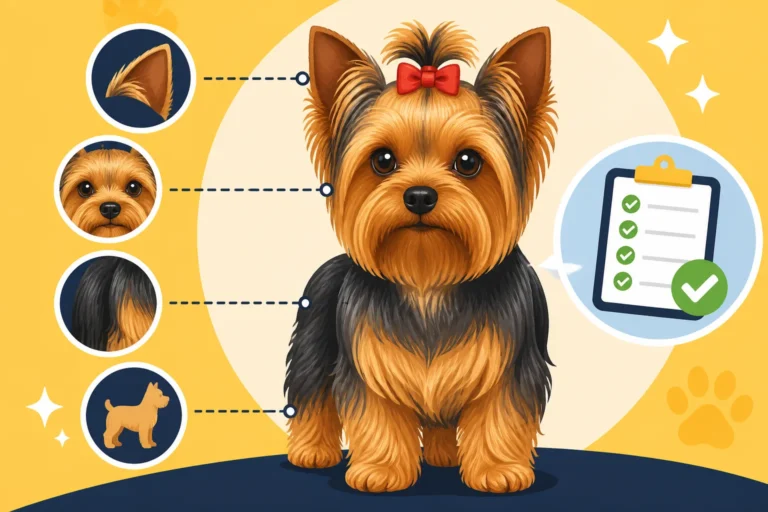
Shorkies are a delightful mix-and-match in terms of looks. You might find a Shorkie puppy that looks almost entirely like a miniature Shih Tzu, complete with a flatter face and wider-set eyes, while a littermate could resemble a Yorkie more closely, with a longer muzzle and erect ears. Most commonly, they have a somewhat in-between appearance. Their eyes are usually dark and expressive, and their ears can be either floppy like a Shih Tzu or semi-erect like many Yorkies.
Their coats are almost always long, flowing, and silky, requiring regular grooming. This is a characteristic inherited from both parents, as both Shih Tzus and Yorkshire Terriers are renowned for their impressive locks. The color variations are numerous, reflecting the diverse palettes of the parent breeds. You might see solid colors like black, chocolate, gold, or cream, but it's very common to find bi-color or tri-color Shorkies with combinations of black and tan, blue and gold, or even parti-colors with white markings. Because both parent breeds have hair rather than fur, Shorkies are often considered to be a good choice for individuals with allergies, though no dog is truly 100% hypoallergenic. However, they do shed significantly less than many other breeds, which is a big plus for many owners. You’ll definitely want a good brush and comb, perhaps from a reputable pet supply store like Chewy, to keep that beautiful coat in top condition.
Unpacking the Shorkie Temperament and Personality
One of the biggest draws of a Shorkie is their personality, which often blends the best of both worlds. They typically inherit the affectionate, playful nature of the Shih Tzu and the spirited, intelligent zest of the Yorkshire Terrier. This usually results in a loving, curious, and energetic companion who thrives on human interaction. They love to be involved in family activities and are generally very eager to please, making them quite charming to live with. However, like any dog, their individual temperament can vary, and environmental factors like early socialization and training play a huge role in shaping their behavior.
A well-socialized Shorkie is usually friendly towards strangers and other pets, though they may retain a bit of the Yorkie's protective nature, making them excellent little watchdogs who aren't shy about letting you know if someone is at the door. They're often described as outgoing and confident, not easily intimidated despite their small size. This confidence is wonderful, but it also means they need consistent boundaries and training to ensure they don't develop "small dog syndrome" where they believe they run the household.
The Playful and Affectionate Side
Shorkies are, at heart, cuddlers and playmates. They adore spending time with their human companions, whether it's snuggled on the couch for a movie marathon or chasing toys in the living room. Their playful antics can be incredibly entertaining, and they often retain a puppy-like enthusiasm well into adulthood. They thrive on attention and will happily reciprocate with an abundance of affection. This makes them wonderful companions for individuals or families who are looking for a dog that genuinely enjoys being part of daily life and interacting with them frequently.
It's not uncommon for a Shorkie to shadow you from room to room, just wanting to be near. They form strong bonds with their families, sometimes even picking a favorite person, which is a trait seen in both their parent breeds. This strong attachment can be lovely, but it also makes them prone to separation anxiety if left alone for extended periods without proper training. Understanding and addressing this potential issue early on is crucial for a happy Shorkie and a peaceful home. If you're struggling with this, resources like our guide on Yorkshire Terrier Separation Anxiety Solutions might offer some helpful insights.
Common Behavioral Challenges and Training Tips
Despite their charming personalities, Shorkies can present some behavioral challenges that prospective owners should be aware of. Their terrier heritage means they can be stubborn and have a strong will. Potty training, in particular, can be a marathon, not a sprint, as both Shih Tzus and Yorkies are notoriously difficult to housebreak. Consistency, patience, and positive reinforcement are key. Frequent potty breaks, especially after waking up and eating, and celebrating successes with high-value treats can make a big difference. Crate training can also be an invaluable tool to help with housebreaking and provide a safe den for your Shorkie.
Barking can also be an issue, especially if they inherit more of the Yorkie's "watchdog" tendencies. They're quick to alert you to anything they perceive as unusual, be it a squirrel outside the window or the mail carrier. Early socialization to various sounds, people, and environments can help mitigate excessive barking. Additionally, teaching a "quiet" command can be incredibly useful. You can learn more about managing this common issue in our detailed article, How to Stop a Yorkie from Barking.
Given their intelligence and eagerness to please, Shorkies generally respond well to positive reinforcement training methods. Short, engaging training sessions are best to keep their attention. Early obedience training, starting from puppyhood, is essential to establish good habits and build a strong bond. Even basic commands like "sit," "stay," and "come" can lay the foundation for a well-behaved adult dog. For a comprehensive overview, consider looking at our How to Train a Yorkshire Terrier guide, as many of those principles apply directly to Shorkies too.
Shorkie Care and Health: What to Expect
Caring for a Shorkie involves a commitment to regular grooming, providing appropriate nutrition, and being vigilant about potential health concerns. While they are small, their needs are significant, especially concerning their luxurious coats and their delicate dental health. Understanding these aspects before bringing a Shorkie home will ensure you can provide them with the best possible life.
Grooming Requirements for a Shorkie's Coat
Given that both parent breeds have long, continuously growing hair, the Shorkie's coat demands consistent attention. Daily brushing is often recommended to prevent mats and tangles, which can quickly become painful if left unchecked. A slicker brush and a metal comb are essential tools for tackling their fine, silky hair. Many owners opt for professional grooming every 6-8 weeks to keep their Shorkie's coat manageable, often choosing a "puppy cut" or a shorter, low-maintenance style. Without regular trims, their hair can grow quite long, collecting debris and obscuring their vision.
Beyond brushing, regular bathing (typically every 2-4 weeks, depending on their activity level) with a gentle dog-specific shampoo is necessary to keep their coat clean and healthy. Pay special attention to cleaning around their eyes and mouth, as tear stains and food residue can build up. Ear cleaning and nail trims are also critical parts of their grooming routine. Their ears, whether floppy or semi-erect, can trap moisture and debris, making them prone to infections. Regular checks and gentle cleaning can prevent this. And don't forget those tiny nails! Overgrown nails can be uncomfortable and affect their gait. For more detailed tips on coat care, our Yorkshire Terrier Grooming Guide offers excellent advice that applies well to Shorkies.
Nutritional Needs and Feeding Guidelines
Shorkies, like all small breeds, have specific dietary needs. They require a high-quality small-breed dog food that is rich in protein and healthy fats to support their energy levels and coat health. Because of their small mouths, tiny kibble sizes are generally preferred. It's crucial to follow feeding guidelines provided by your veterinarian or on the dog food packaging, as overfeeding can quickly lead to obesity, which puts undue stress on their joints and overall health.
Puppies, in particular, need to be fed frequently (3-4 small meals a day) to prevent hypoglycemia (low blood sugar), a common concern for very small breeds, especially Yorkie puppies. As they mature, two meals a day are usually sufficient. Always ensure fresh water is available. Brands like Royal Canin or Hill's Science Diet offer formulas specifically tailored for small breeds that can be found at retailers like Chewy. If you're unsure about the best food for your Shorkie, consulting your veterinarian is always the wisest choice. You can also explore our article on the Best Dog Food for Yorkshire Terriers for general recommendations that will often be suitable for Shorkies too.
Common Health Concerns and Lifespan
Shorkies typically live between 10 to 15 years, a lifespan similar to their parent breeds. While hybrid vigor can contribute to overall health, Shorkies are still susceptible to many of the genetic health issues found in Yorkshire Terriers and Shih Tzus. Being aware of these potential problems allows for early detection and management.
Some of the more common health concerns include:
- Dental Disease: Small breeds are notoriously prone to dental issues, including plaque buildup, tartar, gum disease, and tooth loss. Daily tooth brushing, dental chews, and regular professional dental cleanings are vital. Our Yorkshire Terrier Dental Care Guide emphasizes preventive care, which is equally important for Shorkies.
- Patellar Luxation: This is a condition where the kneecap slips out of place, common in many small breeds. It can range from mild to severe, sometimes requiring surgery. Look for signs of limping or skipping.
- Tracheal Collapse: Often inherited from the Yorkie side, this condition affects the windpipe, leading to a persistent, honking cough, especially when excited or pulling on a collar. Using a harness instead of a collar can help alleviate pressure. Our guide on Yorkshire Terrier Collapsing Trachea: Signs and Care delves deeper into this issue.
- Portosystemic Shunt (Liver Shunt): Another condition seen in both parent breeds, this is an abnormal blood vessel that allows blood to bypass the liver, preventing toxins from being filtered. Symptoms can include stunted growth, poor appetite, and neurological issues.
- Hypoglycemia: Especially in puppies and very small adults, low blood sugar can be a serious concern. Regular feeding, high-quality food, and being prepared with a glucose supplement (like Karo syrup) for emergencies are crucial.
- Eye Problems: Both Shih Tzus and Yorkies can have various eye issues, including cataracts, progressive retinal atrophy, and dry eye. Regular veterinary check-ups can help monitor their eye health.
Choosing a reputable breeder who screens their parent dogs for genetic health conditions can significantly reduce the risk of inheriting some of these issues. Regular veterinary check-ups, a balanced diet, and appropriate exercise are the best ways to keep your Shorkie healthy and happy for many years. To understand more about potential health issues, you might want to read up on Yorkshire Terrier Health Problems to Know.
Is a Shorkie the Right Fit for Your Home?
Deciding whether a Shorkie is the right addition to your family involves considering their unique needs alongside your lifestyle. They are loving and lively companions, but they do require a certain level of commitment, particularly when it comes to grooming and consistent care.
Lifestyle Considerations
Shorkies thrive in environments where they receive plenty of attention and companionship. They are generally adaptable to various living situations, including apartments, as long as they get their daily dose of exercise and mental stimulation. Because of their small size, they don't require vast spaces or intense outdoor activities, but regular short walks and indoor play sessions are essential to keep them happy and healthy. About 20-30 minutes of moderate exercise per day is usually sufficient. You can find more about what they need in terms of activity in our article on Yorkshire Terrier Exercise Needs.
They are sensitive to extreme temperatures due to their single coat, so they'll need protection in cold weather (a cute sweater or coat!) and careful monitoring in hot weather to prevent overheating. Their small, delicate structure also means they can be easily injured if not handled carefully, making them potentially less suitable for homes with very young, boisterous children unless supervised closely. Older, respectful children or adults who understand how to interact with a tiny dog are ideal.
Shorkies with Children and Other Pets
When properly socialized from a young age, Shorkies can be wonderful family pets. They are often good with children, especially those who know how to gently and respectfully interact with a small dog. Introducing them carefully and teaching children appropriate handling is paramount to ensure the safety and comfort of both the dog and the child. They can also get along well with other pets, including cats and other dogs, especially if raised together. Their terrier instincts might lead them to chase smaller critters, so introductions to hamsters or guinea pigs should be done with extreme caution.
Early socialization is critical. Exposing your Shorkie puppy to a variety of sights, sounds, people, and friendly animals in a positive way will help them grow into a well-adjusted and confident adult. Puppy classes are an excellent way to achieve this and also provide valuable training for both you and your Shorkie.
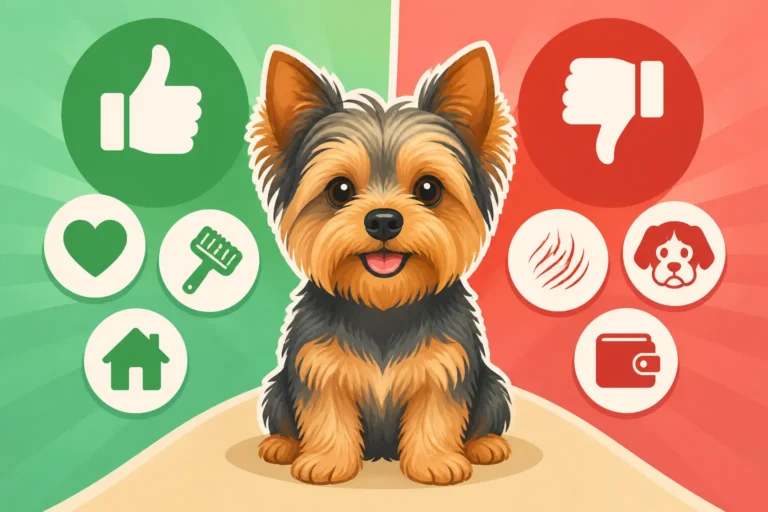
The Pros and Cons of Shorkie Ownership
To help you make an informed decision, let's break down some of the key advantages and disadvantages of welcoming a Shorkie into your home.
| Aspect | Pros of Shorkie Ownership | Cons of Shorkie Ownership |
|---|---|---|
| Temperament | Affectionate, playful, loyal, good companion. | Can be stubborn, prone to separation anxiety if left alone. |
| Size & Living | Small, adaptable to apartments, good for small spaces. | Delicate, easily injured; not ideal for rough play. |
| Grooming | Hypoallergenic coat (less shedding), beautiful appearance. | High maintenance, requires daily brushing and regular professional grooming. |
| Training | Intelligent, eager to please, good for positive reinforcement. | Can be challenging to potty train, prone to excessive barking. |
| Health | Potential for hybrid vigor, generally long lifespan. | Susceptible to various genetic health issues from both parent breeds (dental, patellar luxation, tracheal collapse). |
| Family Fit | Good with older children and other pets with proper socialization. | Not ideal for very young children who may not handle gently. |
Ultimately, a Shorkie can be an incredibly rewarding companion for the right family. They bring a lot of love, laughter, and a spirited presence into a home. If you're prepared for the grooming commitment, consistent training, and are ready to provide them with ample attention and care, a Shorkie might just be the perfect pint-sized addition to your life. For a deeper dive into the world of their parent breeds, consider exploring our comprehensive Yorkshire Terrier Breed Guide: Everything to Know.
Disclaimer
Please remember that the information provided in this guide is for educational purposes only and should not be considered a substitute for professional veterinary advice. Always consult with a qualified veterinarian for any health concerns or before making any decisions about your pet's health or treatment. Individual dogs may vary in temperament and health.